 Goodness me. Thank you to everyone who read yesterday's post, including the unprecedented 602 of you who showed up today. Whether or not you agreed with the sentiments therein (and whether or not you were polite about it), thanks for reading.
There have been some interesting developments in the whole thing over the last 24 hours or so. On the whole, the whole thing can actually be said to have had a positive outcome, though not quite through the means the originators of the meme intended.
In fact, the originators of the meme had nothing to do with the NSPCC, as predicted. Fellow blogger, Commodore 64 enthusiast and all-round fine, upstanding gentleman Glen McNamee did a bit of research on the issue and uncovered the fact that the whole thing had actually originated in two separate places in November as a bit of fun, with no charity links whatsoever. Read Glen's blog post about it here.
Dave Gorman also wrote an excellent post on how this sort of thing can undermine genuine fundraising attempts with honourable intentions. Also worth a read.
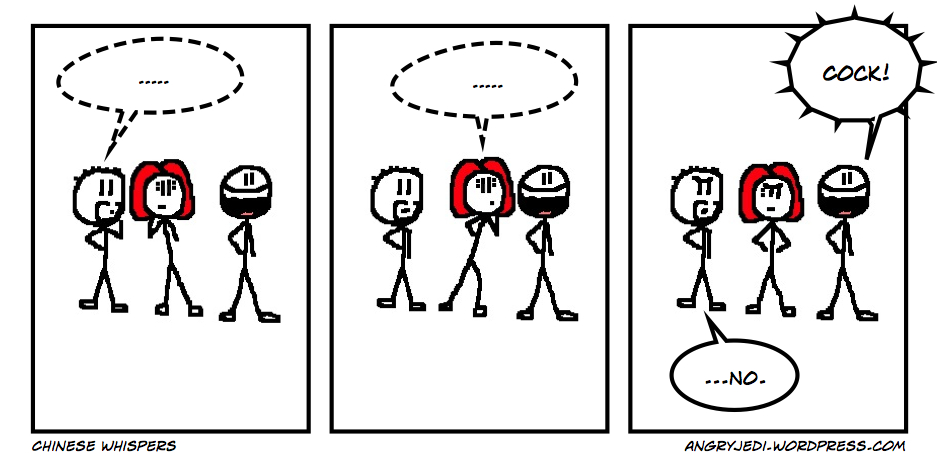
The interesting thing about all this, though, is the whole "Chinese Whispers" nature of it. By looking at people who had changed their avatar/status throughout the course of the day, you could see the gradual evolution of the whole thing. To start with, it was a "campaign to end child abuse". Then it was a "campaign by the NSPCC to end child abuse". And by the time people like me had written posts on the topic pointing out the flaws in the whole plan, people were taking great pains to explain that as well as changing their avatar, they had, in fact, donated, too. There were also a few people who were up-front about the whole thing and said they changed their avatar purely because they thought the cartoon characters were cool. Fair play to both parties; at least you're being honest. There was also a considerable proportion of people around Facebook who tried to convince everyone that the whole thing was a scam by a bunch of paedophiles aiming to lure children in with cartoon avatars. This last part is bollocks, by the way, in case you were worried.
So on the whole, the whole thing had a positive outcome. It provoked discussion (or rather, argument) and had the net result of shaming at least a few people into tossing a few quid the NSPCC's way, which I'm sure they're very grateful for, though they probably wouldn't have chosen to go about promoting it by people yelling at one another.
The thing is, though, couldn't the whole thing have been resolved without the need for drawn-out arguments in the middle of it? Probably. It's ironic; Web 2.0 is full of narcissism and vanity, but is also a breeding ground for sheep mentality. Some people copy and paste things or blindly follow instructions without considering the implications. Think before you post!
Let's leave it at that. The matter's over and done with. Resolved. Until everyone forgets about it and it happens all over again. When that does happen, just remember that famous and rather offensive comment about arguments on the Internet and the Paralympics.
Also, don't be a dick.
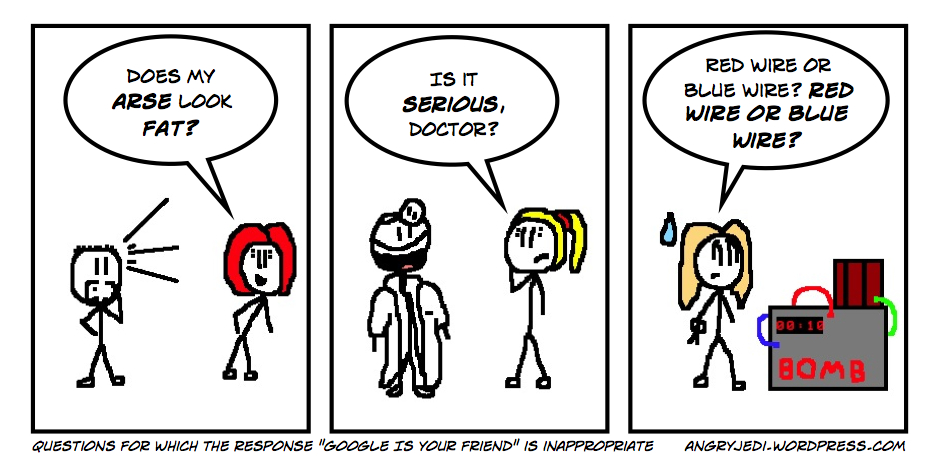 Ladies and gentlemen, we are afflicted with a plague of the Information Age. The plague of "Google/the search bar is your friend". A plague of laziness, if you will, as this is a catch-all response which makes it look like you're being vaguely helpful and/or knowledgeable when in fact all you're doing is being an arrogant asshole and trying to get out of answering a question as quickly as possible.
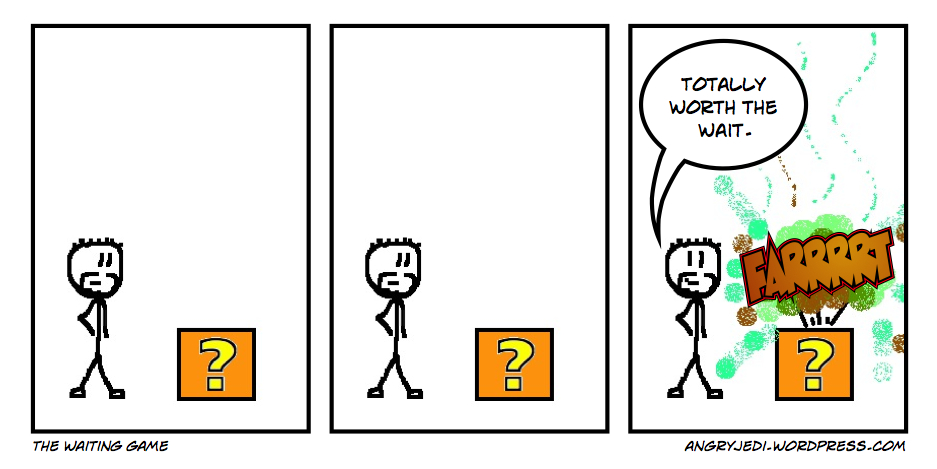 How much time do you think you waste every year waiting for things to happen? Whether it's waiting for the phone to ring, the response to an email, the answer to a question, an alarm to go off, someone to call you into their office or for your delicious improvised curry sauce to thicken, chances are you spend a good proportion of your time waiting for things to happen or for other people to do things.
 I was watching a programme called It's Only A Theory the other night. It's an entertaining and thought-provoking show hosted by Andy Hamilton and Reginald D Hunter in which they bring on a series of experts, get them to argue the case for their theory then make an arbitrary ruling on whether to accept or reject it.
 Someone had "tipped off" Hot Topic that "Rage Guy" was actually a racist comic featuring a guy called "Race Guy" and promptly set about creating a lengthy back catalogue of racist comics. Hot Topic, as a company in the public eye, did the only thing that they could do in the situation—withdrew the stock.
 As mildly amusing as all this was, it goes some distance to showing that user-generated media is probably never going to topple properly-produced, accredited and protected media. Both will undoubtedly exist side by side. But while the children of the Internet fight over what is "theirs", play childish pranks on each other, throw their toys out of their respective prams and call each other "faggots", the professionals will continue doing their thing, the same as they've always done, and be paid accordingly. Those with nothing better to do will tear each others' eyes out over who came up with the concept of producing shitty comics in MS Paint first.
 Human beings, and especially British human beings, are inclined to panic at the most ridiculous things. It's probably a side-effect of being bombarded with negativity from the media and the news—if something bad could happen, then it probably already has, they tell us. (Maybe. I'm making that up a bit.)
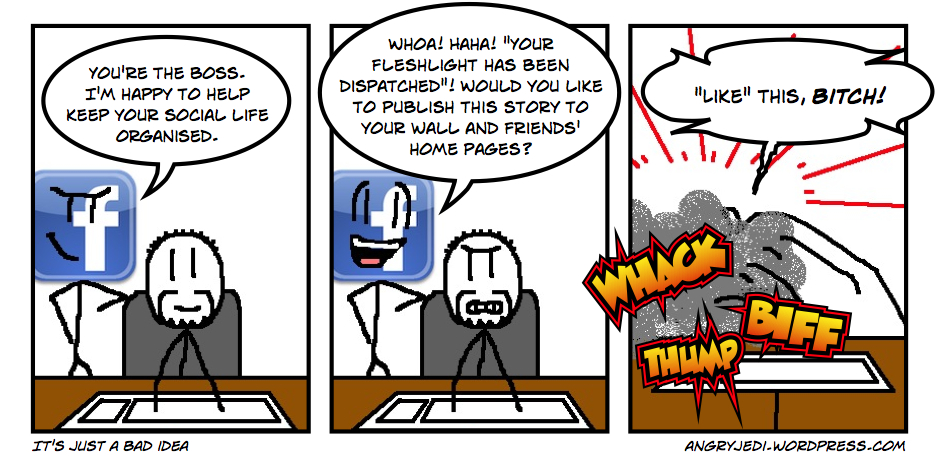 So, apparently Facebook are launching their own email service. Here's a
  I've been on
 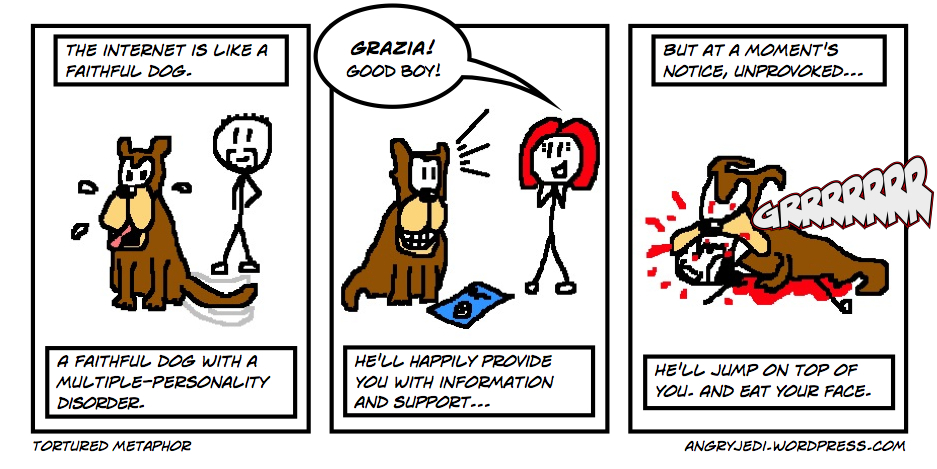 The Internet is, as I've said a number of times on this blog, a fabulous invention. I certainly wouldn't be without it and the friends I've found because of it, the things I've learned from it, and all manner of other good stuff.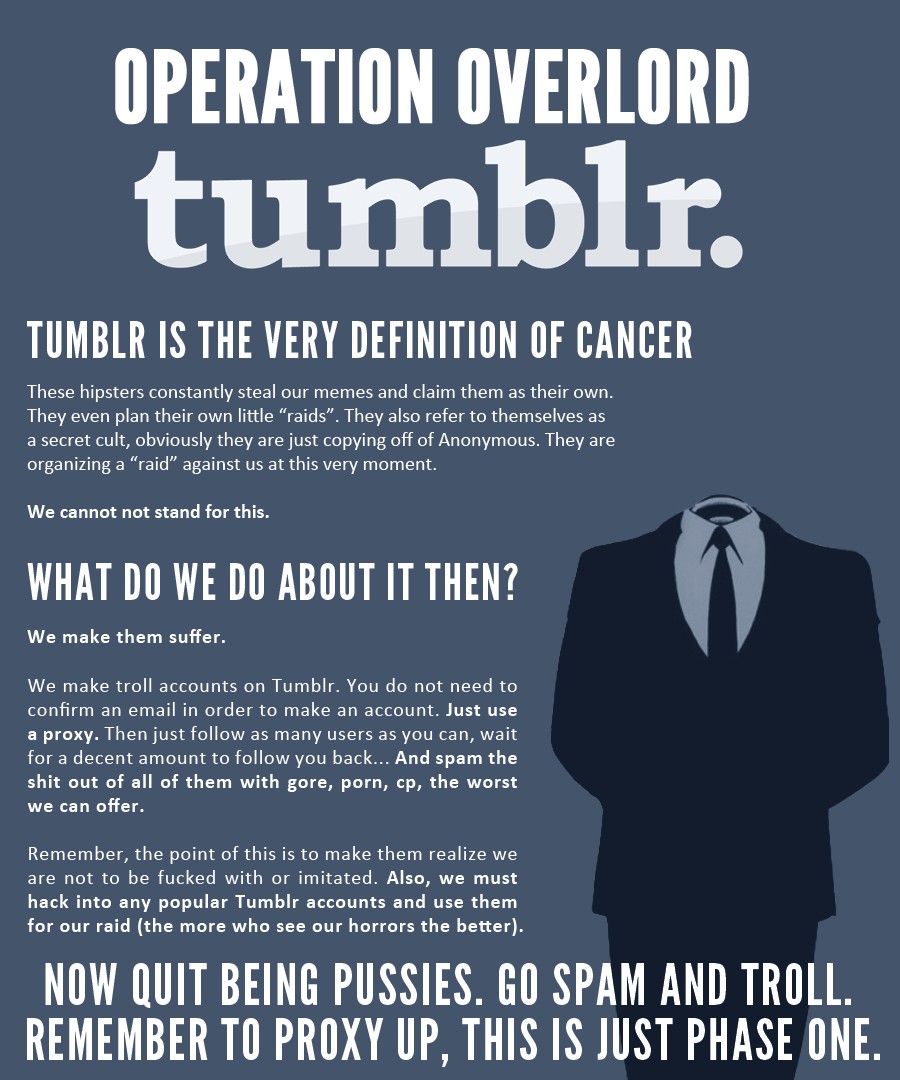
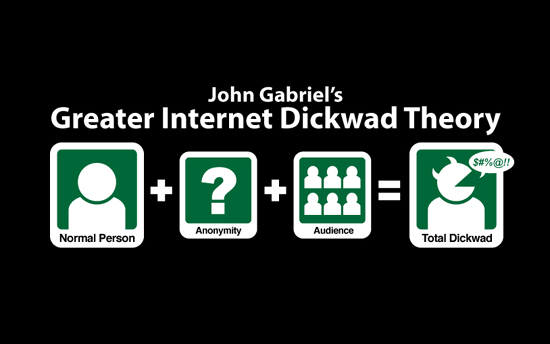 Basically, Internet, you're capable of showing the very best and/or worst the human race has to offer at a moment's notice. So it should hopefully go without saying by now that the words you should live your life by are very simple: always follow
  If the name Paul Chambers doesn't mean anything to you at the moment, then take a moment to read
  Call of Duty: Black Ops is currently in the process of being launched. This game, for the uninitiated, is going to be rather popular, and it's expected to sell by the millions. Fair enough. It's always good to see something enjoy so much success. (Unless it's, say, a nuclear bomb or terrorist plot or something.)