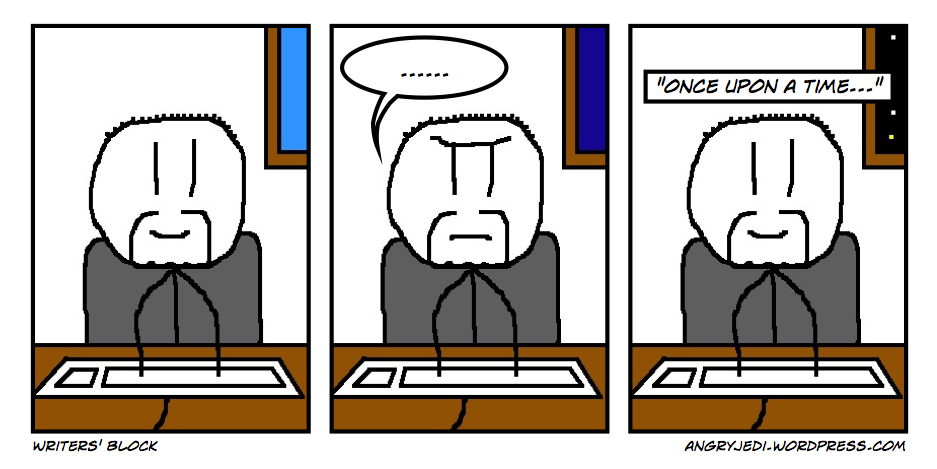
 I'm actually surprised I've managed to go for 256 days without running out of things to write. Whenever I consider pitching an article idea to somebody, you know, "proper", it concerns me greatly that my brain will just zone out and forget how to be creative. But if this blog has proven one thing, it's that it's possible to come up with something that is at least readable every day.
Different people take very different approaches to writing. I remember back in school and at university, being encouraged to write detailed plans for any piece of writing. Including while under exam conditions. Being someone who never had trouble sitting down with a pen and piece of paper (or indeed in front of a computer) and letting the words flow naturally, it always struck me as something of a waste of time. For me, anyway. When I write, I tend to let my brain run several steps ahead of what my hands are writing. Thus, I find myself developing organic, natural arguments in the same way I would if I was talking to someone face-to-face. Perhaps more well-considered, since face-to-face conversations don't have the opportunity to go back and delete something stupid that you just said. Like the sentence I just deleted that you'll now never get to read. Hah. It might have been about you. How does that make you feel?
No, I can honestly say that I have never sat down and actually written down a plan of what I'm about to write. Thinking about it, though, I do go through the process. I make a plan in my head. I just don't commit it to paper, Word document or draft post. I've certainly never used Outline Mode in a word processor, which made it rather hard to explain the benefits of said mode when attempting to sell copies of iWork '09 to customers.
Once I've written the whole thing, depending on the "importance" of what I'm writing (i.e. whether it's a strictly personal thing, something I want to impress people with or something that I'm doing professionally) I'll go back and read over what I've written again. Sometimes I'll come to the conclusion that I was talking complete nonsense and delete huge chunks of work that will never be seen again. Such as that other paragraph all about your sister that I just deleted. (It wasn't really relevant to the matter at hand.) Other times I'll rearrange paragraphs and make them flow more naturally. And sometimes, just sometimes, I'll start all over again in the electronic equivalent of screwing up the piece of paper and flinging it in the bin. (Cmd-W, Cmd-N… yes, I'm a Mac user, deal with it.)
Eventually, I'll end up with something like this that, as I say, is at least readable if not necessarily the most interesting thing in the world. And then I do the same again tomorrow. And again the day after. And the following day. And… You get the idea.
I've done this process so often now that I use it on everything, from blog posts like this to feature-length articles on websites to comments on Facebook (seriously). It's pretty rare you'll catch me responding to something with nothing but a simple "lol" (actually, never on that one) or a smiley.
And that, everyone, is how you keep the creative juices flowing. Like anything, practice makes perfect, and the more consistently you do it, the more naturally it'll happen.
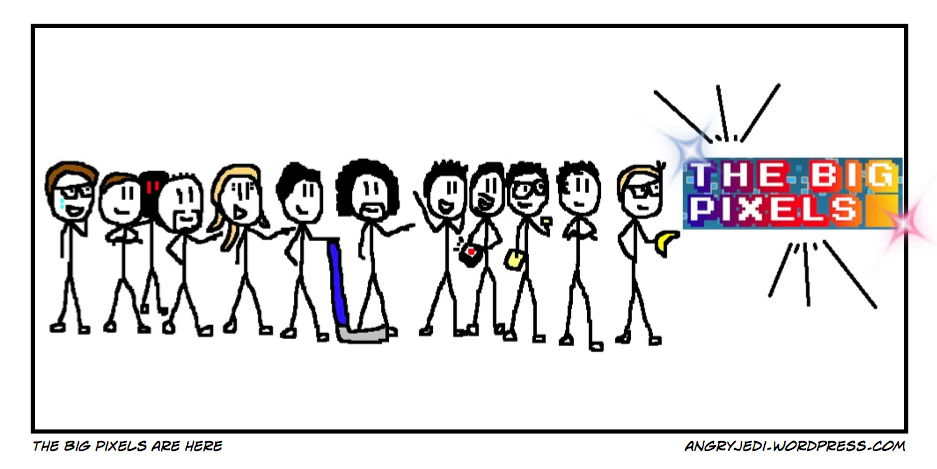 Ladies and gents, it's my great pleasure to reveal
 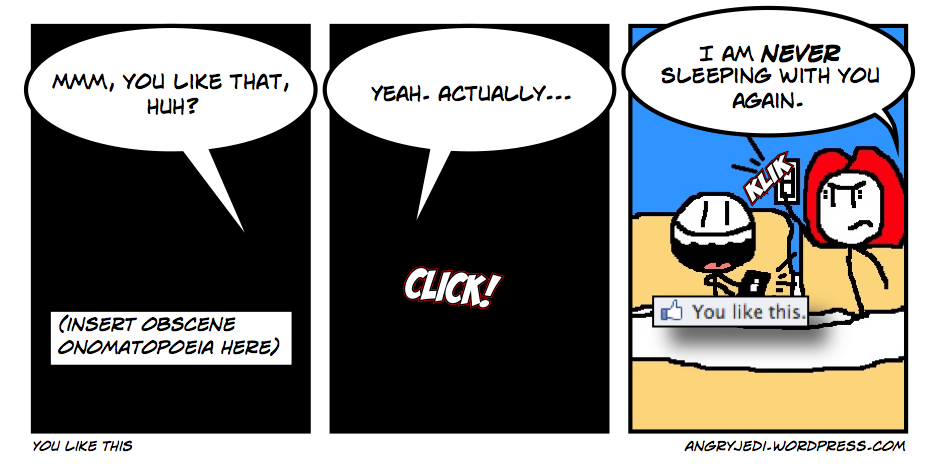 I remember back in primary school we were encouraged to never use the words "nice" or "said" because they were boring. There are always better words to use, we were told, so we should be creative and extend our vocabularies.
 aplenty from there on, I feel.
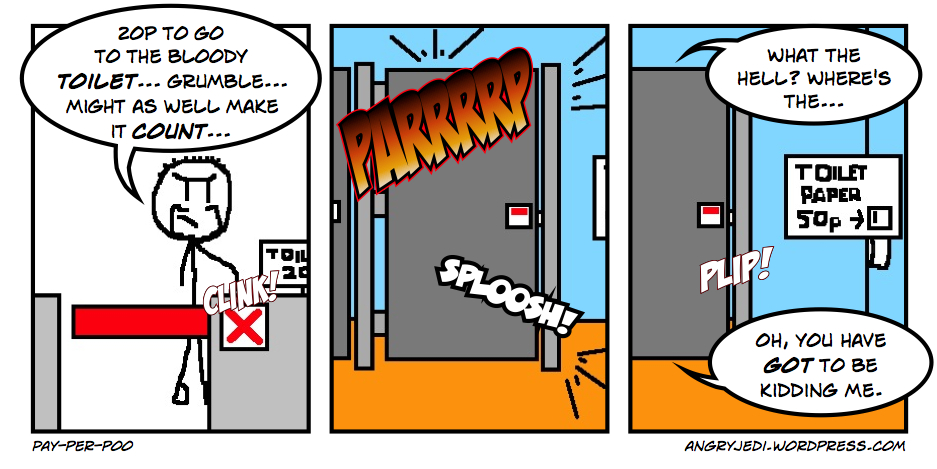 I came to a realisation today. I have a thing about the word "monetize" (or, arguably, "monetise" if you want to be English about it, although the latter is not recognised by a British English spellchecker). This is not news to those of you who have been following this blog for some time. Some of you may even recall the Money Robot, star of
 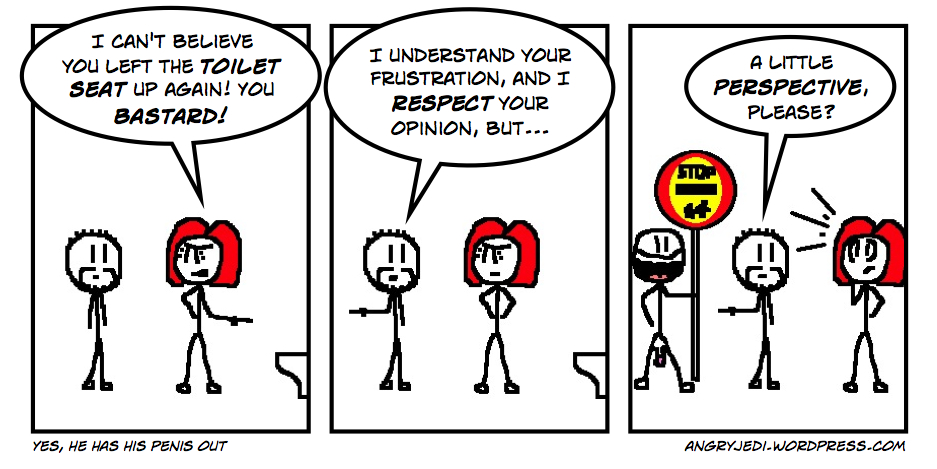 There are some things which have become so firmly entrenched in normal society that we just don't question them. We don't necessarily like them, but we certainly don't question them if someone happens to bring them up. They're so well-known that countless comedy routines have drawn attention to them over the years; so much so that many of them are now clichés. That doesn't stop people writing about them and perpetuating said clichés, though, as I'm about to do right now.
 I'm going to quote a LazyTown song at you and there is nothing you can damn well do about it.
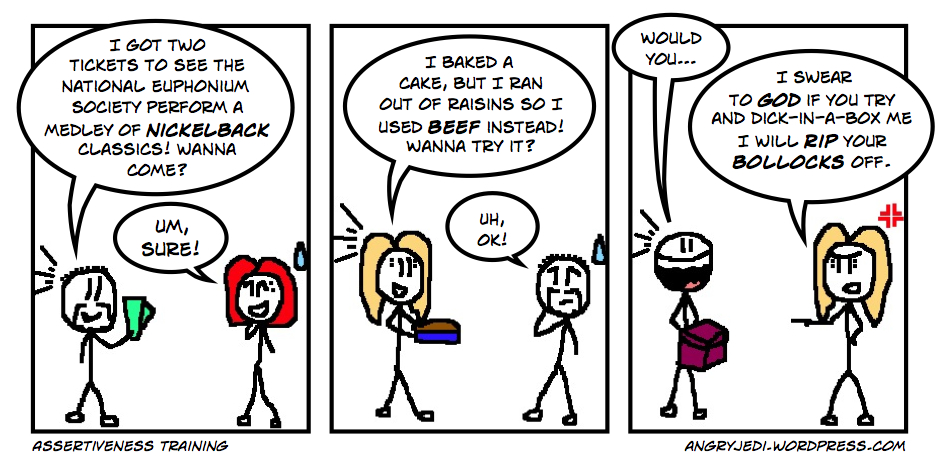 The most difficult word to pronounce in the English language is not the one with the most syllables. For starters, opinion differs on exactly which word is the longest and most complicated one. "Floccinaucinihilipilification" is right up there, for one, but then "guar hydroxypropyltrimonium chloride" is pretty long too, but it is a shampoo ingredient and technically three words. Then there's some weird science thing called "pneumonoultramicroscopicsilicovolcanoconiosis" which picky Scrabble players reject because it doesn't fit on the board and is also a word made up by SCIENCE! which therefore doesn't count.
 The death of a website is a curious thing. In practical terms, it's no different to deleting a file, switching something off, throwing out a piece of technology that is no longer used. But it's more than that. A dying website normally knows it is dying before the plug is finally pulled. And, these days in particular, it's not just a website that dies. It's the community that the site built. The readers who came back every day, whether they were vocal ones who commented on everything or people who just diligently read every article because they'd chosen that particular site to be their "home".
 It's been a curious few days for some people and things that are very dear to me. First up, you may have read my impassioned mourning of the apparent
 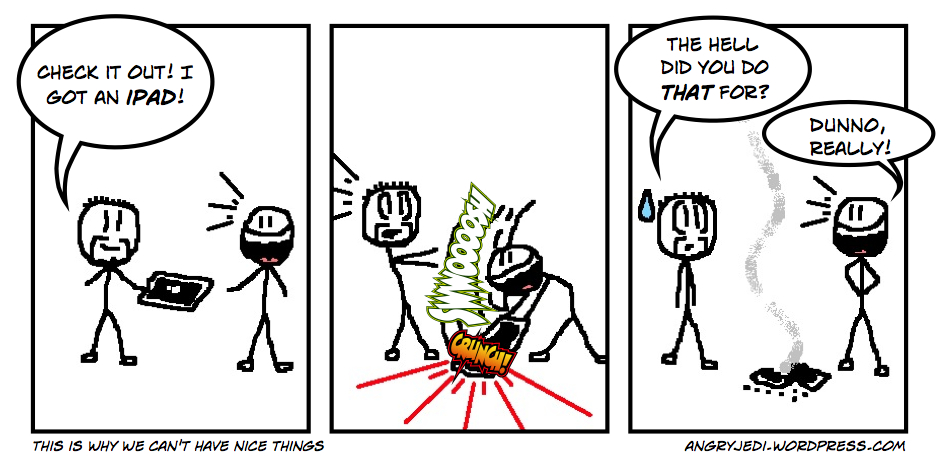 Twitter broke earlier today. This in itself is nothing unusual, as the existence of the term "failwhale" will attest. But this time it was partly a result of some new changes that the service made, particularly with regard to posting links.