As I often do on my regular trips in to the office (when I'm driving, anyway), I listened to a bunch of the Fun Factor podcast over the last couple of days. If you're unfamiliar, this is an excellent show hosted by sports writer Ty Schalter and video game critic Aidan Moher where the pair (and sometimes guests) discuss old video games magazines, the reviews therein, and the games covered.
I am quite a few episodes behind, but the nice thing about the show is that its very nature means that it is somewhat timeless, and each episode can be enjoyed at any time. Thus, yesterday and today I enjoyed some discussion of Next Generation magazine's "Are You a Hardcore Gamer?" quiz (circa 1998) and the pair's collaboration with Coury and Try from My Life in Gaming to discuss a "draft" of games from the 1995-1997 period covered by Fun Factor's first season.
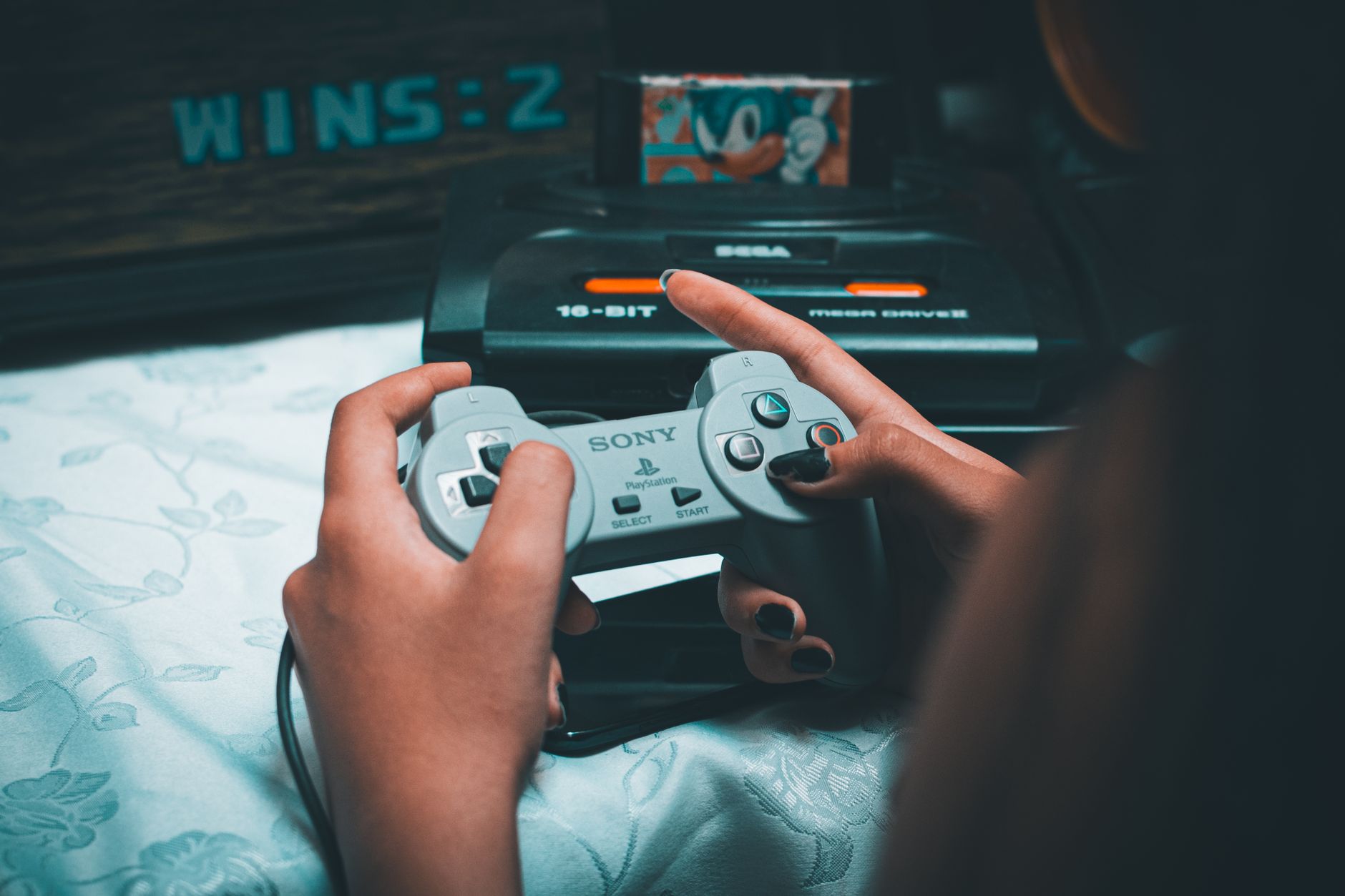
Obviously I will take this opportunity to recommend you go give Fun Factor a listen (or even better, watch: the podcast's YouTube channel lets you look at the magazines as they're talking about them!) but today's post isn't specifically about the podcast. Rather, it's about how the discussions on the episodes I listened to, particularly the "draft" episode, have inspired me to make some time to play through a bunch of games I keep telling myself I've "always meant to get around to". By this I am primarily referring to retro games, particularly of the RPG variety, of which I have about a bazillion loaded up and ready to go almost immediately thanks to my MiSTer Multisystem 2 setup upstairs. And I can even play them on a CRT!
I hesitate to start new RPGs because I have it in my head that they're all massively long. And to be sure, your average RPG does tend to be on the longer side. But listening to the chaps enthusing about various titles like Chrono Trigger (which, to my shame, I've never finished), Final Fantasy IV (which I have finished and know is pretty short) and various others makes me think… I should just sit down and play some of these things that I've been "always meaning to". Including some that I've started and never got around to finishing, like Soul Blazer.
Soul Blazer is definitely one I want to tick off my list because it is an excellent game, and I've always felt like it wouldn't be quite right to tackle Illusion of Gaia and Terranigma, both of which I want to play, before beating that one. They are considered an extremely loose "trilogy", after all, and I think it would be particularly interesting to play in succession.
Part of me says "no, don't start something new, you have Final Fantasy XI on the go". But Final Fantasy XI is very long indeed, and sometimes you just want a palate cleanser. Sometimes that's something really quick and breezy, like the new Star Fox, while at other times, it's another game with a bit more substance, but which is unlikely to end up with an hour count that is three or more digits in length.
So probably not tonight, because it's getting late and I still have a farty stomach full of regret from the pizza I had last night, but very soon, I'm going to set some time aside to enjoy some retro gaming. I have all the kit — I might as well make good use of it and enjoy myself, non?
Want to read my thoughts on various video games, visual novels and other popular culture things? Stop by MoeGamer.net, my site for all things fun where I am generally a lot more cheerful. And if you fancy watching some vids on classic games, drop by my YouTube channel.
If you want this nonsense in your inbox every day, please feel free to subscribe via email. Your email address won't be used for anything else.


 Tomorrow night, The Squadron of Shame are back in action after something of a hiatus.