#oneaday Day 611: The sad loss of the Olympic video game

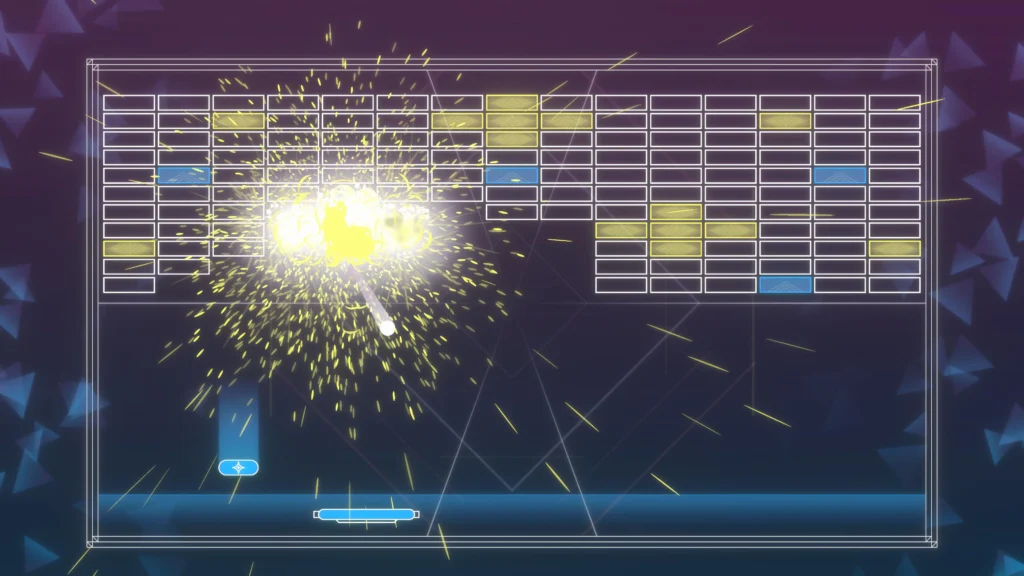
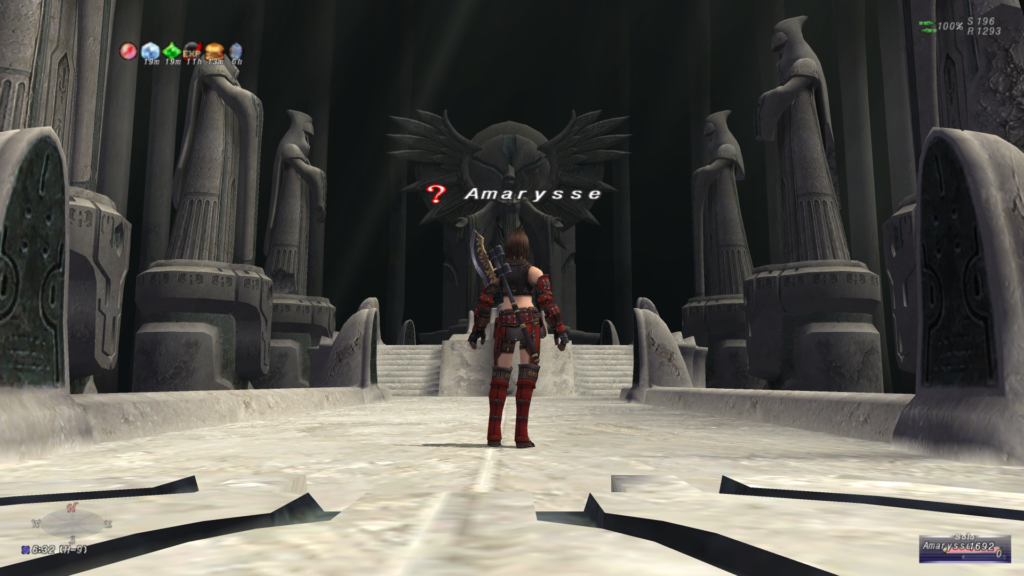
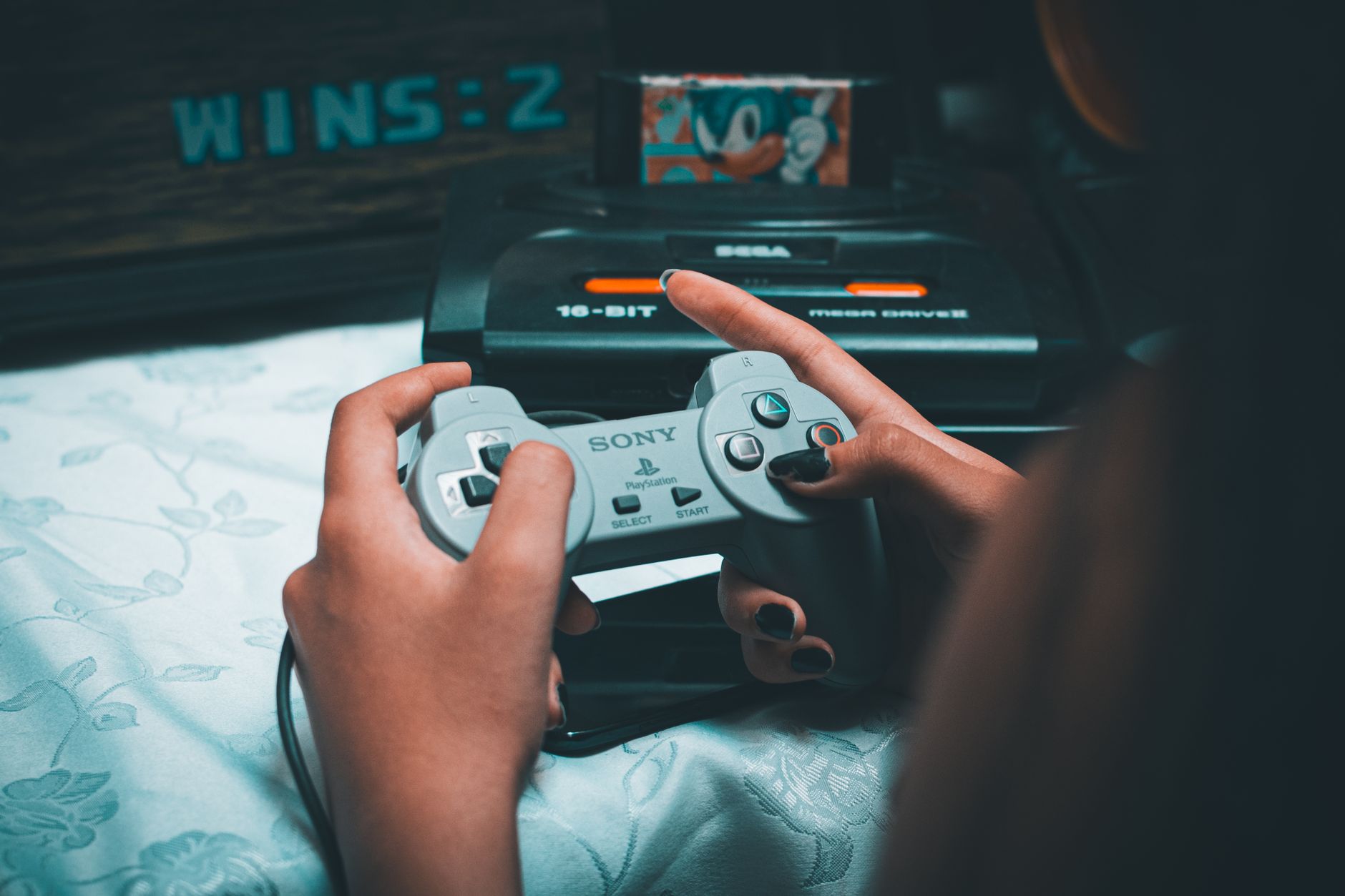
I've always been extremely fond of Olympics-themed video games, ever since I played titles like Epyx's Summer Games and Activision's Decathlon on the Atari 8-bit. I haven't always kept up with all of the Olympic releases over the years, but I have added a few to my collection in more recent years. And I'm a bit sad, as the Winter Olympics are unfolding at the time of writing, that the official Olympic video game is no more. At least, on consoles and PC; I believe for the last Olympics, there was some horrible mobile game that looked like absolute microtransaction-riddled garbage. So that's the end of that, I guess.

I'm not sure exactly what it is I like so much about these multi-disciplinary sports games. They are, in essence, just a collection of minigames, and some don't get more adventurous than asking you to tap a button or waggle a joystick very fast. But I have always enjoyed them a lot — at least in part because they tend to simulate sports that you don't otherwise get much of an opportunity to engage with in the video game space.

One of my favourite Olympics video games was Sega's official Tokyo 2020 game — released just before the COVID-19 pandemic hit and the "real" Tokyo Olympics were postponed. This was a huge amount of arcade-style fun, made all the better by the fact that you could create custom characters. Yes, multiple; while you spent most of the game playing as your one "main" athlete, you could also create a team of other athletes who would show up in events that required multiple participants, such a rugby sevens, soccer, judo and suchlike.

What made this even more fun is that Sega decided to err on the side of "silly" to a certain extent, so these characters were somewhat cartoonish in their proportions, and you could unlock and dress them up in all sorts of thoroughly silly outfits as well as vaguely plausible athletic gear. If you wanted someone to enter the swimming competitions dressed like a spaceman, you absolutely could do that.

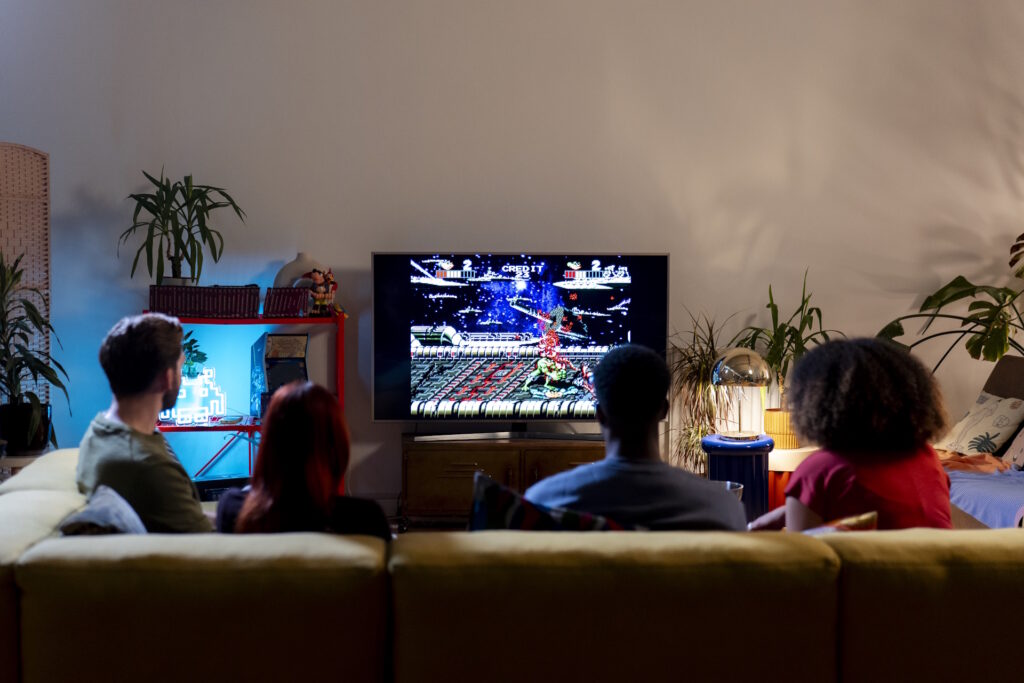
These games were always great fun with friends, too. While it's been a very long time since I had the opportunity to play one of these games with other people, I have very fond memories of enjoying them together when I was younger.

One of my favourite memories in this regard was the first time I went up to the Edinburgh Festival with the university theatre group. On my first night there, I felt like I might have made a bit of a mistake coming along, because my social anxiety was making it enormously difficult to involve myself with the other members socialising. I actually ended up sitting up late, in tears, over the whole situation.

Yes, I know I said this was a "favourite" memory; I'm getting to that.

Two of the theatre group members found me in the corridor being thoroughly sorry for myself and took pity on me. They sat with me, helped reassure me that people did like me and appreciated my presence, and then they played some International Track and Field on PlayStation with me. I chose to play as Germany, and attempted to enter my name as "HELMUT" because I thought that was funny, but there were only enough letters to put "HELMU". My nickname within Theatre Group remained "Helmu" for several years, until it was replaced with "Beast Man". That's probably a story for another day.

Anyway, I will always be extremely grateful to those two lovely people from Theatre Group — known colloquially to everyone as Stiffy and Des — for taking the time to bring me under their wings. That night, I actually stayed in their room instead of the one I'd been assigned, and it was enormously comforting. It was definitely a turning point, and means that International Track and Field, as relatively a minor part as it had played in proceedings, will always be rather special to me.

That got well off the point, didn't it? But still. I like Olympics games, be they summer or winter-themed, and I think what we have there is definitive proof that they can bring people together — just like, in theory, the real Olympics.


Want to read my thoughts on various video games, visual novels and other popular culture things? Stop by MoeGamer.net, my site for all things fun where I am generally a lot more cheerful. And if you fancy watching some vids on classic games, drop by my YouTube channel.

If you want this nonsense in your inbox every day, please feel free to subscribe via email. Your email address won't be used for anything else.
#oneaday Day 599: Earth Must Die!

I've been looking forward to a game that released today: Earth Must Die! by Size Five Games, creators of Ben There, Dan That, Lair of the Clockwork God and numerous other excellent games. Today isn't a "review" as such — I'll save some more substantial thoughts on the game for MoeGamer and YouTube once I've finished it — but I did want to pop down some initial thoughts and give a hearty recommend to it. As an indie title, the first few days of sales are critical for visibility on Steam, and this is a game that absolutely deserves to see some success from what I've played so far.

Earth Must Die! casts you in the role of VValak Lizardtongue, third in line to the throne of the planet Tyryth and its empire, the Ascendancy. After tricking his two brothers into murdering one another, VValak ends up in charge, and inadvertently causes the Terranoid forces of Earth to invade. That's as far as I've got, but as the name suggests, one can expect that the remainder of the game will involve VValak finding a way to get revenge on the Terranoids and get his empire back. Or maybe not…?

It's an adventure game, but with a few interesting twists from the usual formula. You have direct control of your character's movement, and interacting with hotspots is done using a cursor that can be popped up. It's clearly designed to be played with a controller and works well like that, but can also be played with WSAD movement controls and a mouse cursor. I think I might have preferred a simple mouse-only interface for its non-controller implementation, but not enough to want to kick off about it or anything.

VValak, as an arrogant (wannabe) tyrant, refuses to touch anything himself because poor people might have touched it before him. Thus you have to solve all the situations in the game without VValak ever getting his own hands dirty. This sometimes involves using his companion robot and former nursemaid, Milky, to perform various actions, and sometimes involves convincing other characters in the scene that they should carry out your orders. It's an interesting mechanic that sidesteps the usual inventory puzzles.

Like I say, I'm not too far in the story as yet so I am hesitant to say too much more in that regard, but one thing I will highlight is the incredible voice cast, which includes numerous big names in British comedy such as Alex Horne, Tamsin Grieg, Matthew Holness, Alasdair Beckett-King, Don Warrington, Mike Wozniak and many more. Plus, of course, Ben Starr is in it, because Ben Starr is the Nolan North of the 2020s (complimentary). That cast might not mean much to anyone who isn't British, but you should know that this is a full-on celebrity cast of comedy royalty, and it's incredible to see them all coming together for a video game.

The net result is that the game sounds like a late-night Channel 4 comedy show (complimentary), and it has some really beautiful animated 2D art to go along with it. It's very much designed along the lines of games like Discworld II, with large, cartoonish sprites and plenty of close-up animations — and much of the humour will be familiar to those who enjoyed Terry Pratchett's work, too.

That's about all I want to say for now. It's an easy recommend if you enjoy silly games that will make you laugh, and is a seriously impressive project from Size Five in terms of scope. I'm looking forward to getting stuck in over the next few days, and, as I say, I will have a full report, likely on MoeGamer and YouTube, once I'm done with it!


Want to read my thoughts on various video games, visual novels and other popular culture things? Stop by MoeGamer.net, my site for all things fun where I am generally a lot more cheerful. And if you fancy watching some vids on classic games, drop by my YouTube channel.

If you want this nonsense in your inbox every day, please feel free to subscribe via email. Your email address won't be used for anything else.
#oneaday Day 598: Poptimism

There's been a lot of grumbling over a new game called Highguard just recently. I don't really know what Highguard is, which is part of the problem — apparently it was initially shown off at The Game Awards last year, then just went pretty much radio silent until its… launch? Now? Something like that?

From what I can make out, Highguard is a live service multiplzzzzzzzzzzz — ah, so that's why I haven't really been following it. But that's not precisely what I want to talk about today. I, instead, want to talk about the discussions that have been happening over the last few days on the subject of coverage of Highguard.

It started with an op-ed over on IGN written by Senior Editor Simon Cardy, whose article Can We Stop Dunking on Highguard Before It's Even Out, Please? is fairly self-explanatory in terms of its core thesis. Cardy argues that it's annoying when a game is seemingly randomly picked as a whipping-boy and becomes the butt of jokes before anyone has actually gone hands-on with it and is thus in a position to comment on it from an informed, experienced perspective.

I get this. I kind-of-sort-of agree with it. It is annoying when there's something you're interested in, and all you can find in terms of coverage is How Bad Does This Game Look?! clickbait. And it is a bit daft for people to be pre-judging Highguard based on a single trailer and a remarkably quiet marketing department.

At the same time, as this piece by Autumn Wright argues, there's a strong argument to be made that the press covering a particular medium is under no obligation to remain what they describe as "poptimistic". It is not the press' job to go to bat for a particular game or company — especially not ahead of its release — and there are a lot of things about Highguard that do warrant discussion. Exactly why has its marketing been so non-existent? Does the world really need yet another live service multiplzzzzzzzzz? I'm so uninterested in the game as a whole I can't even think of a third possible question, but I'm sure there's something else that needs asking.

The problem, as ever, is in how different people see the role of the enthusiast press.

Some see it as an extension of marketing — and indeed, there are plenty of outlets that operate like this. There are plenty of outlets that have since gone under that operate like this, and there will be more in the future. It's a bit of an occupational hazard; by engaging with the standard news-preview-review cycle, you are part of a Marketing Plan, whether you want to be or not. And that's always been the norm for the games press, dating right back to magazines. It was never really questioned all that much until relatively recently; people wanted to know what was coming up, and they wanted to know if the thing they had thought looked cool for the last six months actually ended up being any good or not.

Others see it as fulfilling a critical role — critical in the sense of "administering criticism", not as in "really important", though the people who feel this way would probably argue that also. People who feel this way are interested in the stories behind the games and how games can fit into broader cultural commentary. They ask what particular games can tell us about society, and what the artistic meaning behind a work — both intended by the author and perceived by the audience — might be.

The challenge, of course, is access. The former group gets access to games because they tacitly agree to being part of the Marketing Plan. They get invited to press events to try out a new game; they get sent preview and review codes early; they agree to embargoes so the publisher of a game, not the press outlet, remains in control of the coverage. The latter group, meanwhile, tends to have to fend for itself to a certain degree. This gives them a lot more freedom in terms of what they cover and how, of course, but they can't rely on having access — whether that means "getting an early copy of a game" or "being able to pick the lead writer's brain without a PR person breathing down their neck".

I don't really know what the answer is, or even if there is a satisfactory one. I don't quite fall into either of the above categories with what I do over on MoeGamer, but then that's a site by an individual run as a passion project, not a commercial venture. As such, I have the freedom to pick and choose what I cover, and to exclusively concentrate on things that I, personally, feel have some worth and value — or, at the very least, are interesting enough to want to talk about. That means my site skews positive, which is anathema to some people, but I'm not there to do a PR company's bidding — nor am I there out of any obligation to criticise things just because they "need criticising". I simply choose to focus all my attention on games that I think are worthwhile, and that I think more people should check out.

I hate to sound like I'm "both sides-ing" the issue, but the reality is, there are valid points from all angles here. It is silly to pre-judge Highguard with little to no information — or perhaps it's more accurate to say it's silly to make assumptions about what Highguard will be with little to no information. At the same time, though, outlets have no obligation to hype up a new release — and especially, one would argue, when the marketing department doesn't appear to have been doing its job at all.

This is, I can guarantee, the only thing I am going to write about Highguard. Because the one thing I have managed to glean from the discussion over it is that I don't really give a shit about it. So I'll just say I hope it's as good/bad as you were anticipating, and leave it at that.


Want to read my thoughts on various video games, visual novels and other popular culture things? Stop by MoeGamer.net, my site for all things fun where I am generally a lot more cheerful. And if you fancy watching some vids on classic games, drop by my YouTube channel.

If you want this nonsense in your inbox every day, please feel free to subscribe via email. Your email address won't be used for anything else.

#oneaday Day 597: The MiSTer as reference library

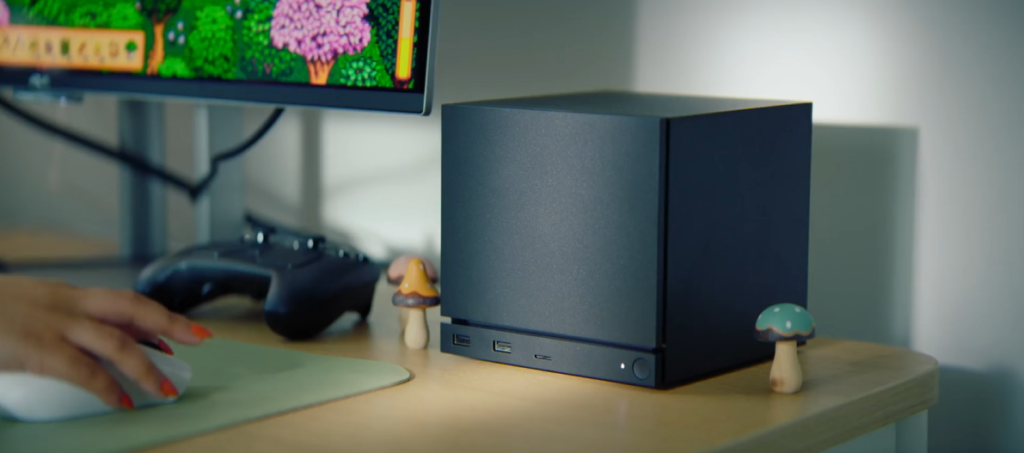
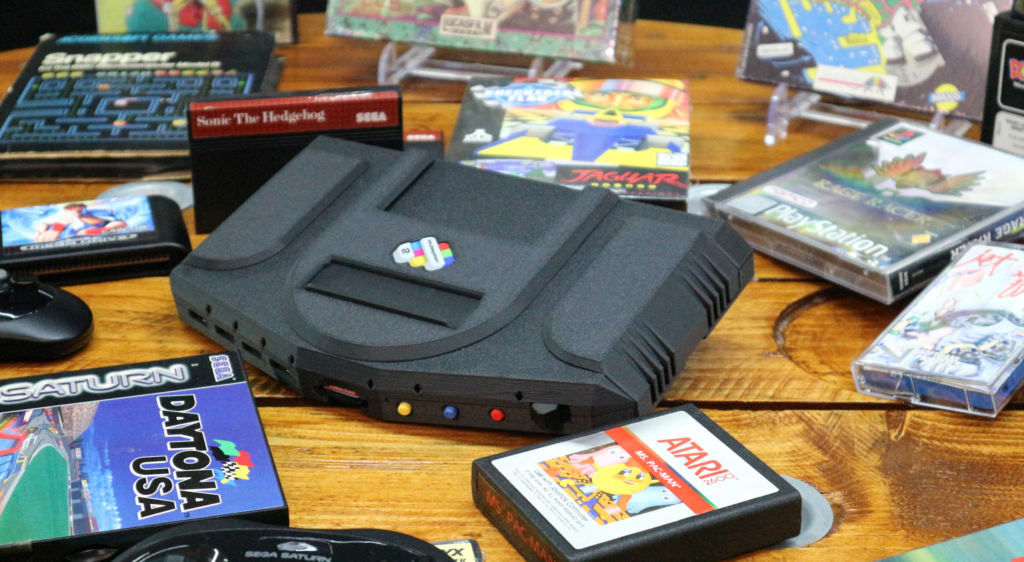
One of my favourite purchases in recent memory is the MiSTer Multisystem 2 from Heber, which is an all-in-one console designed around the open-source MiSTer framework. If you're unfamiliar, this is a specification for hardware-based emulation of classic computers and games consoles, using a technology called FPGA. The advantage of FPGA is that it produces much more accurate results than typical software emulation, and thus it is a good substitute for original hardware, particularly if you're going to go the whole hog and use analogue CRT displays.

I think the most valuable thing about the way I've set mine up is that it is now effectively an interactive reference library of video games from the Atari 2600 right up until the PS1, N64 and Saturn. I invested in a large amount of external storage early on precisely so I could load it up with absolutely everything I might ever want (and quite a lot of things I will probably never want) and thus never have to worry about tracking down ROMs and disc/disk images ever again. (Until I discover a New Favourite Console, of course. Which has been known to happen.)

This is a useful resource both for my own curiosity and for my day job. We're working on something thoroughly interesting in the latter regard right now — no, you won't get any hints here — and an important part of that is ensuring that the project is accurate to the original version. Having the MiSTer Multisystem 2 up and running right next to me in my study means that, at a moment's notice, I can flip it on, check something and capture video for my colleagues to compare to. This is a good thing.

Having a storage device full to bursting with ROMs and disc/disk images, of course, runs the risk of the dreaded "analysis paralysis". But at the same time, if someone says something like "oh, I used to really like Enduro Racer on the Master System", I can pull that up and check it out immediately, knowing that the experience I'm having is authentic to the original hardware, and all without having to swap around cables, power adapters and controllers.

I have a lot of original hardware, which I like owning. But pretty much all of it is now primarily on display on the shelves rather than being used directly — because with very few exceptions, the MiSTer Multisystem 2 works just as well as the "real thing", with little in the way of compromise. And some improvements in some cases; it's absolutely no contest between a modern 8bitdo controller and the dreadful original Sega Master System joypad.

The one thing that is a compromise is the tactile nature of using original computers. Different computers had their own different case designs and keyboards, and thus a distinctive feel to using them. I have the 8bitdo mechanical C64-style keyboard as a suitably "retro" input device for computers, and it's great — but it does mean I miss out on little things like the distinctive shape of the Atari ST's function keys or the unique keys on certain systems' keyboards. (And documentation on exactly what these unique keys are mapped to on a modern keyboard is remarkably lacking, it has to be said!)

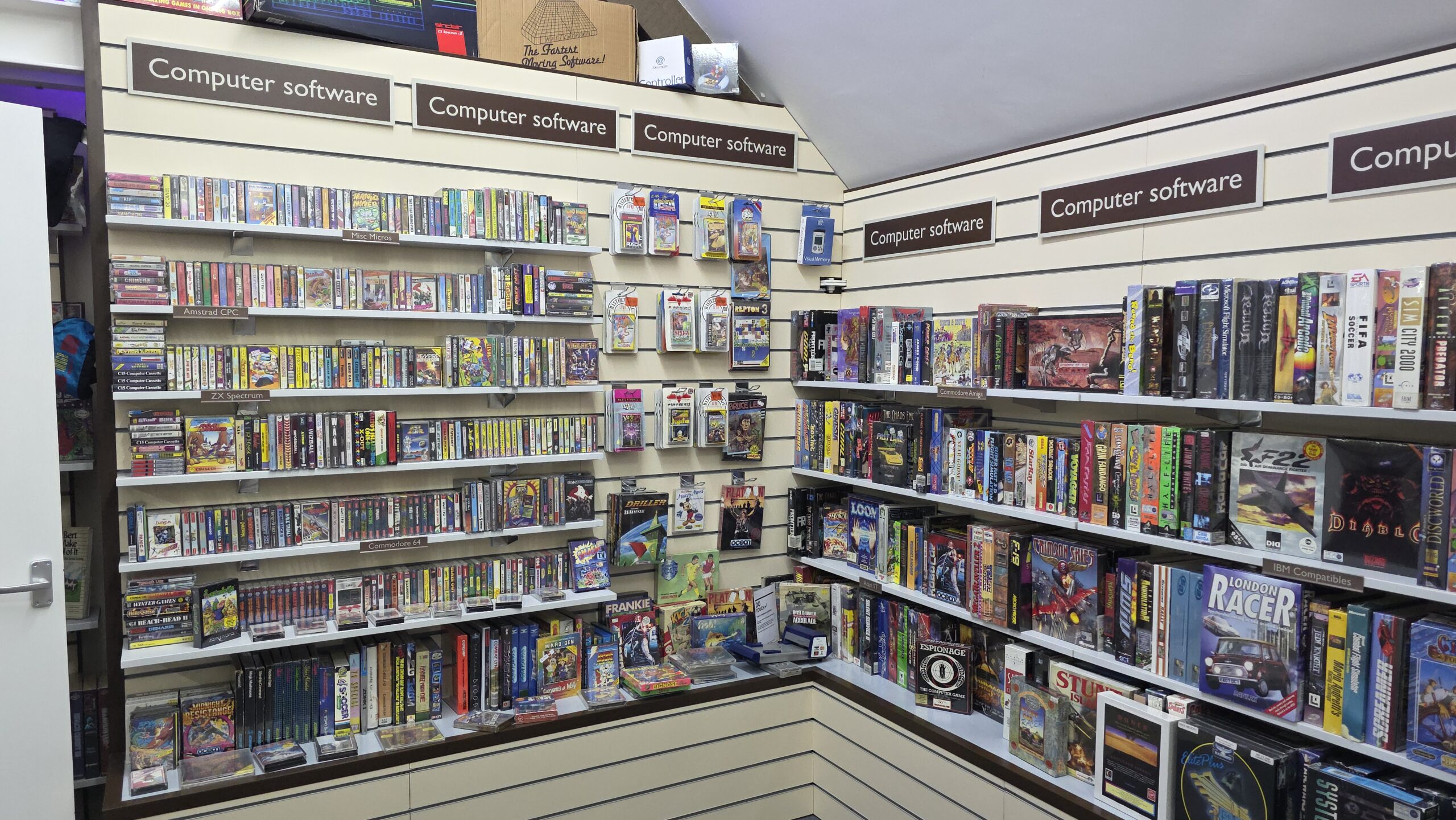
You also, of course, miss the fun tactile aspect of working with physical media. There's still something undeniably lovely about putting a cartridge in a slot or loading up a disk and listening to the whirr-snark of a floppy drive, and it will be a sad day when no-one remembers doing that. But with original hardware — particularly floppy disks — becoming more unreliable and prices for second-hand copies of retro games going through the absolute roof, at this point attempting to collect games for old computers and consoles feels like a complete waste of money.

Meanwhile, I have not regretted a single pound I have spent on my MiSTer setup. And, with any luck, given the lack of moving mechanical parts in it, it will last for a good long while, too.


Want to read my thoughts on various video games, visual novels and other popular culture things? Stop by MoeGamer.net, my site for all things fun where I am generally a lot more cheerful. And if you fancy watching some vids on classic games, drop by my YouTube channel.

If you want this nonsense in your inbox every day, please feel free to subscribe via email. Your email address won't be used for anything else.
#oneaday Day 594: Point. Click.

I love point-and-click adventures. Back in the '90s, they were probably my favourite type of game. I devoured everything LucasArts came out with and a lot of stuff Sierra did — though I must confess, there are still a few gaps in my knowledge on the latter front.

LucasArts stuff was just better than Sierra stuff, at least in the early days. Early on, LucasArts' developers decided to take the things that annoyed people about Sierra games — chiefly the ability to die and get yourself into unwinnable situations — and throw them out of the window. Far from removing all challenge from the games as a result, this just made them much more fun to play — although it's interesting to note quite how short a lot of those games are by modern standards.

One thing to remember is that when we were playing stuff like Indiana Jones and the Fate of Atlantis, Internet access wasn't particularly widespread. Hell, GameFAQs wouldn't exist for another few years, even if you could get on the Internet; some resourceful folks were writing walkthroughs and posting them on places like CompuServe's GAMERS forum (a frequent online hangout for myself), but for the most part, when it came to solving a tricky game, you had two options: figure it out yourself, or wait for a magazine to print a walkthrough.

This meant that games that are maybe three or four hours long start to finish could actually take days, weeks or even months to complete. We had a lot more patience for that sort of thing back then — although I do recall finding it quite eye opening when I bought a brand new copy of Full Throttle, played it for two hours with my brother and we rolled credits on it.

Today, point and click adventures are still going strong. Press and public alike have enjoyed saying the genre is "dead" for many years, but in reality it's been nothing of the sort. What changed is the part of the market that point-and-click adventures occupied; while once a Sierra or LucasArts game would be considered a "big release" in a similar fashion to today's triple-A titles, after the turn of the millennium they became more niche interest affairs.

I'm not entirely sure why, either; they hadn't fundamentally changed what they were doing, or their core appeal elements. Although thinking about it, that's probably precisely why they became more niche interest affairs. From the late '90s onwards, the "upper" (for want of a better term) end of the market was going 3D, exclusively. And adventure games, up until this point, had been resolutely 2D affairs, tending to be showcases for beautiful rotoscoped or hand-drawn animation, painted backdrops and suchlike. In the age of PlayStation, that suddenly wasn't fashionable any more for a variety of reasons — and the few attempts to bring point-and-click adventures into the 3D realm had been met with a mixed response.

As with most niche interest things, an enthusiast community developed, with many of them rallying around a piece of software called Adventure Game Studio. Initially DOS-based, this was a tool that allowed anyone with a creative mind and the ability to produce basic graphics to put together a point-and-click adventure. It took effort, mind; this wasn't a "game generator", but a fully featured game engine, suitable for creating point-and-click games similar in style to Sierra, LucasArts and any number of other models.

Remarkably, Adventure Game Studio is still going to this day — and the enthusiast community is still using it. Only now, we see a lot more commercial releases from independent developers. And even more remarkably, the stuff being put out today by small outfits is pretty consistently better than anything from the genre's supposed "golden age" of the mid '90s.

There are more point-and-click adventure games that have been released in the last few years than there ever were back in the '90s. And they're really, really good. For just a few recommendations: the Kathy Rain series is an excellent series of investigative adventures; Old Skies by Wadjet Eye Games is an incredibly thoughtful narrative-centric game with a time travel hook; Lamplight City by Grundislav Games is what happens if you take Gabriel Knight and stick it in a steampunk setting; Brok the InvestiGator by CowCat Games is a brilliant, lengthy animated adventure with optional beat 'em up mechanics.

Even better, these games are a lot longer than their mid '90s counterparts. Old Skies took me a good 12 hours. The two Kathy Rain games are about 8 hours each. I'm 7 hours into Lamplight City so far and on the fourth chapter of five. I'm not sure how long Brok was but I have a feeling it was pushing 20 hours.

"Length of play" isn't the sole metric by which you should measure a game's worth, of course. But what a longer game means in the adventure game space is a more detailed, in-depth story to explore and enjoy. The difference between watching a movie and a whole season of a TV show. Both have their place, of course — I'm not averse to a short adventure game, still, and frequently go back to some '90s faves — but it's always nice when one of these modern games really gives you something to get your teeth into properly.

Best of all, though, is that there's loads of them. The ones I've mentioned above are just scratching the surface. As someone who has always loved this type of game, that excites me. And I've really been enjoying playing Lamplight City of late in particular. More on that over on MoeGamer when I've beaten it, though….


Want to read my thoughts on various video games, visual novels and other popular culture things? Stop by MoeGamer.net, my site for all things fun where I am generally a lot more cheerful. And if you fancy watching some vids on classic games, drop by my YouTube channel.

If you want this nonsense in your inbox every day, please feel free to subscribe via email. Your email address won't be used for anything else.
#oneaday Day 593: A meaningfully revised roadmap

Ubisoft has announced today that they are cancelling six games, delaying seven more, closing two studios and forcing everyone back to five days a week in the office. Their justification for this is the usual mealy-mouthed, weasel word-filled business-speak nonsense:

In the context of a persistently more selective market as illustrated by the last quarter, and as part of the finalization of the Group's new operating model, Ubisoft has conducted a thorough review of its content pipeline over December and January. This has led to the strategic decision to refocus its portfolio, reallocate resources and comprehensively revise its roadmap over the next three years. This will support the objective to return to exceptional levels of quality on the Open-World Adventure segment and step-change the Group's position in the GaaS-native experiences segment, as illustrated by the recently acquired project, March of Giants.

In other words, Ubisoft is going back to focusing almost exclusively on the type of game people have been taking the piss out of them for years for — there's a reason people refer to open-world games where you hoover up icons from a map as "Ubisoft Game #[bigNumber]". And, when they're not doing that, they're going to jump headfirst into the exceedingly volatile live service arena, where the last decade or so has clearly demonstrated that if your name isn't Fortnite or Roblox you are almost certainly going to release an enormously expensive colossal failure of a game that will be shuttered in less than a year.

To put it another way, for every Fortnite there are hundreds of Concords. And most of them don't get the coverage Concord did. They just release to zero excitement, zero acclaim and zero passion from anyone, then quietly die in obscurity, destined to be forgotten forever.

All of this seems extraordinarily stupid, particularly since one of the cancelled games was the remake of Prince of Persia: The Sands of Time, whose original incarnation is one of the company's most well-regarded games from years gone by, and a title that would have doubtless reviewed and performed well among today's audience. But no; because it "does not meet the new enhanced quality as well as more selective portfolio prioritization criteria at Group level", it is kaputt. It is no more. It is an ex-game.

Ubisoft has, of course, been undergoing something of a turbulent time, so these "strategic decisions" to "refocus" (read: lay people off) are not a surprise to see. Business decisions like this are, at times, regrettably unavoidable.

However, what is eminently avoidable is charging headlong into sectors that the general public have clearly indicated that they're sick of. Not only "the Open-World Adventure segment" and "GaaS-native experiences", but also, unsurprisingly, they slipped this little bit into their "revised roadmap":

The new operating model will further empower the execution of the Group's strategy, centred on Open World Adventures and GaaS-native experiences, supported by targeted investments, deeper specialization, and cutting-edge technology, including accelerated investments behind player-facing Generative AI.

There it is! Of course there's fucking generative AI involved, because why wouldn't there be? The industry that is losing billions of dollars a year and is pretty much universally hated by anyone whose job isn't just "shareholder" is clearly the right thing for this ailing company to focus on! Surely the generator of what is commonly agreed to be called "slop" these days will help us make better games! Everyone loves AI! Don't they?

(silence)

(a quiet cough)

God fucking dammit. Living in this century is so fucking frustrating, like, all of the time. I haven't been much of a fan of Ubisoft stuff for numerous years at this point, but all this just makes it abundantly clear that they have zero respect for any of the actual creative work that goes into games. Look again at those quotes above, and count how many times artistry and creativity are mentioned.

That's right. Absolutely nothing whatsoever.

At least they're being honest about it, I guess.

I wonder how long they have left?


Want to read my thoughts on various video games, visual novels and other popular culture things? Stop by MoeGamer.net, my site for all things fun where I am generally a lot more cheerful. And if you fancy watching some vids on classic games, drop by my YouTube channel.

If you want this nonsense in your inbox every day, please feel free to subscribe via email. Your email address won't be used for anything else.
#oneaday Day 587: Why are you doing that?

One thing I find quite interesting when looking at games from over the years is contemplating how, as time has gone on, we have become a lot more preoccupied with the "why" of what we are doing in a game than in the past. And, as part of these contemplations, I've come to realise that games which don't really give you much of a "why" beyond "this is what the game is" actually have their own very distinct appeal.

As a case in point, I've been playing some Nintendo 64 "collectathon" platformers recently. This is a type of game that very much fell out of favour at some point between the PlayStation/Saturn/Nintendo 64 era and the PlayStation 2/Xbox/Gamecube age. There are still some folks making games like that — most notably Nintendo — but they are by no means as common as they used to be. And a lot of it, I think, comes down to the apparent expectation that everything must have some sort of narrative context or justification.

Now, I'll hold my hands up here and say that, in the past, I have been guilty of thinking that pretty much every game would be better if it had some sort of narrative context. In the earliest days of this blog, back when the people behind WordPress gave a shit about their community rather than going all-in on AI or whatever shit they're up to at the minute, I even had a post featured for making this very argument specifically about racing games — blissfully unaware, as I was at that point, of Namco's PC Engine conversion of their arcade game Final Lap Twin and the fact they added a Pokémon-ass RPG to it. I do actually still think there's scope for racing games with stories, but I also don't think all racing games need stories — and those which do have stories had better have bloody good ones if they expect me to sit through them rather than skipping right to the racing.

Err, what was I saying? Oh, right. Games didn't always feel the need to justify the things you were doing in the game in terms of narrative. Collectathon platformers are, in many ways, the quintessential example of this: they have characters, a world and indeed a plot, but none of those get in the way of the core "point" of the game: solving puzzles and overcoming challenges to acquire shiny things that let you access more of the game. No-one ever gave a shit about why Mario was collecting Power Stars in Super Mario 64, they just knew that he had to collect Power Stars, and that was enough.

This is one of the things I found quite refreshing about Donkey Kong Bananza recently. That's a game that strikes a very good balance between having an unfolding story and just giving you a basic objective to complete before getting out of your way and letting you accomplish it. For the vast majority of your time in Donkey Kong Bananza, you are looking for Banandium Gems. It doesn't matter why. Donkey Kong wants them, and that means you want them. That's all that matters. That's all that needs to matter.

I'm not saying that games with plots have no place. Hell, you know me, I'll gladly bury my head in a 100+ hour RPG, particularly if it makes me cry at least once along the way. But sometimes it's nice to play a game that is less concerned with wanting to be taken seriously as a great work of art or a masterpiece of characterisation and worldbuilding, and more with being a fun toy that just feels good to fiddle with.

I could have probably phrased that better. But I'm leaving it like that now, deliberately. And I'm off to go and acquire some more shiny things.


Want to read my thoughts on various video games, visual novels and other popular culture things? Stop by MoeGamer.net, my site for all things fun where I am generally a lot more cheerful. And if you fancy watching some vids on classic games, drop by my YouTube channel.

If you want this nonsense in your inbox every day, please feel free to subscribe via email. Your email address won't be used for anything else.
#oneaday Day 575: Independence

There was a good post that went around earlier by the VTuber, journalist and activist Ana Valens, reflecting on her time as part of the games media landscape, and how she was part of the sector's slow decline into almost total irrelevance as SEO-baiting and click-chasing became the norm. I strongly encourage you to give it a read — you can do so by clicking here. Go on, I'll be here when you get back.

One of Ana's points in her piece was that as games media slowly circled the drain, particularly as groups such as Valnet and GAMURS started hoovering up once-respectable brands and then systematically destroying them one by one, a new type of "media" stepped in to take its place. This, of course, is the oft-trumpeted advent of YouTubers and streamers, whom many claim to find more "trustworthy" than the traditional games media in many cases — despite the obnoxious rise of the term "influencer", and the clearly documented use of "influencer marketing" being far more egregious than any sort of "paid reviews" that, in my experience, never actually took place when the traditional games press was at its peak.

But I'm not here to rant about the rise of YouTubers and streamers. They have their place — hell, I do a lot of stuff on YouTube and I've dabbled with streaming — but for me, they've never been an adequate replacement for having a publication that was "yours". Back in the '80s and '90s, this would be your magazine of choice: the one you would dutifully buy a copy of every month, or subscribe to if you could convince your parents to do so. As the new millennium rolled around and this World Wide Web thing became the norm — particularly as high-speed always-on broadband Internet established itself as the rule rather than the exception — print gave way to online, and we had some wonderful websites like 1up.com that were as much community as they were professional publication.

Sites like that still exist to a certain degree — I believe IGN and Gamespot still have a certain amount of social features, and the relaunched Giant Bomb is more community-focused than ever — but no site has ever managed to quite recapture that wonderful time: an age of personalities, of brave new frontiers in writing about video games, of figuring out exactly what the "games media" really was.

YouTubers and streamers don't quite replace that for me. Sure, it's nice to find someone who aligns with your values and tastes — and sometimes challenges them — but it's not quite the same as finding an entire publication, put together by a team of people, that resonates with you for one reason or another. There are YouTubers I watch fairly regularly, but I don't think of them at all in the same way as I do 1up.com in the early aughts, or favourite magazines like ACE, N64 Magazine and Electronic Gaming Monthly from the late '90s.

Part of that is their individuality, but it's also a completely different medium with its own appeal elements — and there's not necessarily the crossover you might expect. I will gladly read a lengthy magazine article about something I am interested in, but present me with someone who has made a multi-hour YouTube video on the subject and I will immediately switch off. People keep recommending Noah Caldwell-Gervais to me, for example, and I'm sure his work is very good, but his video on the Resident Evil series is seven and a half hours long. I am not watching that when I could be spending those seven hours doing literally anything else — including beating multiple Resident Evil games in that timeframe.

I'm the same with streaming. I'm sure there are some streamers I'd enjoy watching, but I just can't be arsed to spend my time doing so. I'm not someone who can easily split my attention between a stream and Something Else, and I genuinely think it's disrespectful to the creators to engage with a creative work like a game while watching a video or listening to a podcast. (I also think the opposite, to be clear; if I'm watching a video or listening to a podcast, the absolute most I will be doing at the same time is a tedious, repetitive task at work, or driving somewhere.) And, given the choice between spending several hours watching someone else stream a game and sitting down to play a game myself, I'm always going to choose playing something myself.

Conversely, give me someone who writes well, is passionate about what they do and who tries to find the fun rather than get bogged down in negativity — all traits I try to follow in my own games writing — and I will follow that person's blog to the ends of the Earth. In fact, this year I'm going to make a specific effort to follow more individual blogs and independent gaming sites, because, for me, those are the nearest alternative to what I was describing earlier: a publication that speaks to you, and which you feel comfortable checking in on regularly.

But how is an individual writer different from a YouTube video essayist or streamer? I guess in some ways they aren't. But for me it's all down to how that person delivers their message. I see a seven and a half hour YouTube video and feel like that's not something I'm ever going to spend time watching, but I see a light novel-length article and will happily read it from start to finish. It's just inherently more digestible to me — I'm not in this to "consume content"; I actually want to read interesting things! And, honestly, fair or not, the first thing I think of when I see a YouTube video of a length that absurd is "content". I see a website with a bunch of interesting-looking headlines and I think "fantastic, something to read".

I don't know how much sense I'm making here, so I'll stop talking in circles. I guess the main point I want anyone who happens to stumble across this to take away from the whole situation is that we should continue to reject the click-hungry corporate interests of publications under demonstrably awful labels like Valnet and GAMURS, and instead focus our time and attention on individual, independent creators that we enjoy the work of, and that we feel represent our tastes and interests well.

I aspire to be that for at least some people, and I know MoeGamer in particular has at least semi-regular readers. So I encourage you: if you find something that particularly resonates with you, be sure to tell the people behind it that you enjoyed it — and share it with your friends who you think might also enjoy it! Word of mouth is still an incredibly powerful thing on our increasingly broken Internet, and as the world continues to collapse all around us, it's going to be these little communities we can build away from corporate interests that will remain important lifelines for many.


Want to read my thoughts on various video games, visual novels and other popular culture things? Stop by MoeGamer.net, my site for all things fun where I am generally a lot more cheerful. And if you fancy watching some vids on classic games, drop by my YouTube channel.

If you want this nonsense in your inbox every day, please feel free to subscribe via email. Your email address won't be used for anything else.

#oneaday Day 571: Some stuff I've written this year - MoeGamer edition (Part 2)

Continuing on from yesterday, let's continue recapping the stuff I posted over on MoeGamer this year, shall we? Yes, we shall.

Cyclopean: The Great Abyss – Ultima meets Lovecraft

In this piece, I explore a game that an independent developer sent me a copy of. Inspired heavily by both classic computer role-playing games such as the Ultima series and the works of H.P. Lovecraft, this is a lovely, atmospheric retro-style RPG that is easy to pick up and play, but tricky to master. The developer is currently working on a sequel.

Payment processors' control over the arts has to stop

A story broke this year that Visa and Mastercard are seemingly trying to prevent consenting adults from choosing what they spend their money on. Specifically, both companies have been making it very hard for anyone with the slightest connection to sexually explicit (or, in some cases, provocative) entertainment to make a living. It's crazy to think that I posted this back in July, and the situation is still ongoing, with seemingly no resolution in sight.

Old Skies: Wadjet Eye in top form

This is one of the best games I played this year, and the game that caused me to think that, once and for all, the point-and-click adventure sector is in an even better space today than it was back in its supposed LucasArts and Sierra-led "golden age" of the late '90s.

No Sleep for Kaname Date: A meeting of the minds

I adore the first two AI: The Somnium Files games, so I was excited that a third one was coming. I ended up not loving this one quite as much as the first two, but it's still pretty solid, and the new mechanical elements in the escape room sequences are a great addition to the overall formula. It just didn't come together quite as well as the prior two — perhaps because series creator Uchikoshi was a little more hands-off with this one.

Arzette: The Jewel of Faramore – more than just a mockery

I was immediately intrigued by Arzette: The Jewel of Faramore and the fact it was paying homage to two notoriously not-very-good games. I was even more surprised that it was actually a very good game in its own right. Poking gentle fun at its source material while correcting all their annoyances, this was a real pleasure to play through.

Ara Fell: elves vs vampires

I've had a double-pack of this game and its spiritual successor Rise of the Third Power on my shelf for ages, so I decided while we were away on holiday, I was finally going to play them. And I had a really lovely time! Ara Fell adopts an interesting quasi-open world approach and is an immensely rewarding, engaging experience.

Rise of the Third Power: like FFVI never left

Rise of the Third Power, spiritual successor (but not "sequel") to Ara Fell, is one of the best story-centric RPGs I've played for a long time. Brilliant characterisation, stirring music — all the more remarkable considering it was drawn from royalty-free libraries rather than specifically composed — and a wonderfully engaging story make this a highly memorable game that I highly, highly recommend.

Master Detective Archives: Rain Code – what price justice?

Although it gets a little bogged down in itself over the course of its complete runtime, this murder mystery adventure from the Danganronpa creator was nonetheless a compelling, entertaining thrill ride, set in a thoroughly fascinating setting and, in true Danganronpa tradition, presenting some immensely stylish, abstracted takes on the "mechanics" of investigation and deduction.

Lumines Arise, the art of sincerity and creating meaning without explicit narrative

It's easy to assume that the only games with real "meaning" are those that tell an explicit story. But sit down with Lumines Arise, a new take on a classic puzzle game developed by the same folks who did the incredible Tetris Effect, and you will feel very differently. This is a game that is designed to make you feel things while you play. And it's enormously successful at doing that. A truly wonderful experience.

Zelda's organic adventures

I started playing Tears of the Kingdom a little while back, and I am reminded of one of the things I liked so much about Breath of the Wild: the fact that the whole game is a series of little mini-adventures that you stumble across pretty much at random as you explore the world. This is a markedly distinct approach from the "hoover all the icons up off the minimap" structure that many other open-world games take, and it makes for a much more enjoyable game.

HORSES: much ado about nothing?

Notoriously banned from release on Steam, HORSES from Italian developer Santa Ragione is really not worth all the fuss there's been over it. It was an interesting experience, for sure, but you'll see more upsetting material on late-night TV.

Return to Castle Wolfenstein and my history with Nazi-blastin'

As I've noted a few times recently, I love Wolfenstein 3-D and its follow-up Spear of Destiny, but I've never played any of the Wolfenstein games that followed. I am now in the process of correcting this, so I wrote this after beating Return to Castle Wolfenstein: Tides of War on original Xbox. I had fun, though the game shows its age in a few places — in both good and bad ways.


And that's your lot for now. Tomorrow I will review my Evercade blog posts for the year… and then it will be 2026! Hurrah. Possibly. Here's hoping the new year is better than the old one… but I'm not holding out much hope at the moment. At least I have plenty of things to distract me, apparently!


Want to read my thoughts on various video games, visual novels and other popular culture things? Stop by MoeGamer.net, my site for all things fun where I am generally a lot more cheerful. And if you fancy watching some vids on classic games, drop by my YouTube channel.

If you want this nonsense in your inbox every day, please feel free to subscribe via email. Your email address won't be used for anything else.

#oneaday Day 570: Some stuff I've written this year - MoeGamer edition (Part 1)

I've written a lot of stuff this year! I write a lot of stuff every year, much of it absolute nonsense, but I thought with the end of the year coming up, I'd highlight some bits and pieces that you might have missed, and which I was rather pleased with for one reason or another. The following lists will not include anything from this specific blog — you can review the archives yourself, after all — but instead encompass pieces from both my gaming site, MoeGamer, and the official Evercade blog.

In rough chronological order, then, I present a chunk of my MoeGamer output for the year, with more to follow tomorrow. The following are presented as embedded article excerpts; simply click through on them to read the full thing.

Fire Emblem newbie plays Fire Emblem Engage

The excerpt says most of it: I am bad at strategy games, but I've always been interested in Fire Emblem, so I decided to give myself a gentle introduction by playing Fire Emblem Engage on Normal difficulty with permadeath turned off. And I had a lovely time, chronicled in this MoeGamer piece.

Revisiting Xenoblade Chronicles

With Xenoblade Chronicles X: Definitive Edition releasing this year, I decided I wanted to refresh my memory on the very first game in the series, since the last time I played it was on Wii, and I was interested to try out the Switch-based Definitive Edition version. I wrote about my experiences and observations over the course of several pieces on MoeGamer, linked in the following extracts:

Tokyo Xtreme Racer: Single-player arcade racing isn't dead, and should never have been assumed to be

Hopefully self-explanatory. I am looking forward to the eventual full release of this game, as the Early Access version on Steam was delightful. I write a bit about that version in the above piece.

The Excavation of Hob's Barrow: Gothic horror and tragedy done right

I finally got around to playing the well-regarded point-and-click adventure The Excavation of Hob's Barrow this year, and I was very taken with it. I was particularly enamoured with how it is an interactive take on the Gothic literature tradition, and an exploration of Classical tragedy in the video games space.

Tokyo Dark: Remembrance and the bleaker side of Japanese life

Tokyo Dark: Remembrance is a really interesting adventure game developed by a team with a western background that has been living in Japan for some time. As such, it's unmistakably "anime" in style, but also provides the sort of perspective only an outsider to the culture can provide. The story is not only a compelling horror narrative, it's also a scathing takedown of the seedier aspects of Japanese culture and nightlife — but simultaneously respectful to the country's overall culture and sensibilities.

Expelled! – Coming for to carry you home

Inkle's EXPELLED! is an excellent text adventure with beautiful presentation and a spectacular amount of player agency. Casting you in the role of a 1920s schoolgirl, the game challenges you to get out of trouble for a crime you may or may not have actually committed, using a quasi-roguelite structure that enables you to discover more information with each playthrough. Fiercely feminist, intensely thoughtful and immensely amusing throughout, EXPELLED! is one of the best games I played this year, and deserves your respect.

Homebody: the horror in one's own head

One of the most fascinating horror games I've ever played, Homebody is a combat-free, puzzle-centric game that sensitively explores matters of social anxiety, agoraphobia, isolation, obsessive-compulsive tendencies and lingering guilt. I played this as a "filler" game between big releases of the year, but it came out as one of my favourite things I played this year.

Xenoblade Chronicles X: Definitive Edition

I'd been waiting for the return of this underappreciated, wonderful RPG for a very long time, and I was delighted by what the Switch Definitive Edition ended up being. Not only did it refine elements of the original that were a little tricky, it also added a new, more conclusive ending that, while divisive, worked well as a means of wrapping the whole thing up. I wrote several pieces about this game:

The Last Waltz showcases dancesport to educate and inspire

My pal Matt from Digitally Downloaded has been working on a visual novel for some time now, and has ploughed a lot of his own effort and money into making it as good as he wants it to be. I played through a demo version of the game's opening and penned some thoughts on the experience here. (You can wishlist the game on Steam here!)

I, Robot: Minter's still got it

If ever there was going to be someone to reimagine one of Atari's weirdest games, it would have to be Jeff Minter, and the man did us proud.

I'm not sure how I feel about Blue Prince

I wrote this while I was still playing Blue Prince. I don't abandon many games once I've started them, but this ended up being one of them. I am now sure how I feel about Blue Prince: I do not like it at all, for most of the reasons outlined in this piece. (This does not mean I think Blue Prince is bad! I am glad so many people got so much out of it. I just did not enjoy it at all.)

Initial thoughts on Clair Obscur: Expedition 33 from a devoted "JRPG" player

Clair Obscur: Expedition 33 is probably my personal Game of the Year, with the caveat that they get a big ol' slap on the wrist for using generative AI at any point in their creative process. "It was just a placeholder!" Yeah, sure. Long before this little kerfuffle, though, I was skeptical about whether this game that had come out of nowhere was actually a big deal, given that turn-based RPGs have been nowhere near as dead as some people think for quite a long time now.

The Sword of Hope: Adventure and RPG, together again

Nintendo added an obscure Game Boy game to the Nintendo Switch Online lineup this year, and I found it thoroughly interesting. So I wrote about it.

Kathy Rain 2: Soothsayer and the art of pacing an investigative adventure

I really enjoyed the first Kathy Rain, and the second one is even better.

I finally played Undertale

Well, I did. And I enjoyed it!

Arcade Archives 2: Ridge Racer – the new best way to enjoy a classic?

Hamster kicked off its new Arcade Archives 2 range with a port of the arcade version of Ridge Racer, marking the series' first "new"(ish) release for quite some time.

Raiden Nova: it's like the PS2 never left

(Complimentary.)

My thoughts on Switch 2 so far

My thoughts haven't changed a lot from here. 90% of the time, my Switch 2 is a slightly better Switch — but I have enjoyed the exclusives I've played on it this year, including Donkey Kong Bananza, Hyrule Warriors: Age of Imprisonment and Kirby Air Riders. It's perhaps telling that at the end of the system's first year on the market, I only have four physical games, though.

The Death end re;Quest Code Z limited edition is enormous

Well, it is.

The Legend of Zelda: Link's Awakening – a delightful remake of a lovely game

One of my favourite Zelda games got a remake a couple of years back, and it turns out the remake is just as delightful as the original. (Plus it runs great on Switch 2!)


Whew, that's more than I thought it was. Let's pick up where we left off tomorrow — that lot should keep you busy for a while, after all!


Want to read my thoughts on various video games, visual novels and other popular culture things? Stop by MoeGamer.net, my site for all things fun where I am generally a lot more cheerful. And if you fancy watching some vids on classic games, drop by my YouTube channel.

If you want this nonsense in your inbox every day, please feel free to subscribe via email. Your email address won't be used for anything else.