2482: Palace of the Dead: Solo Guide

0482_001.png

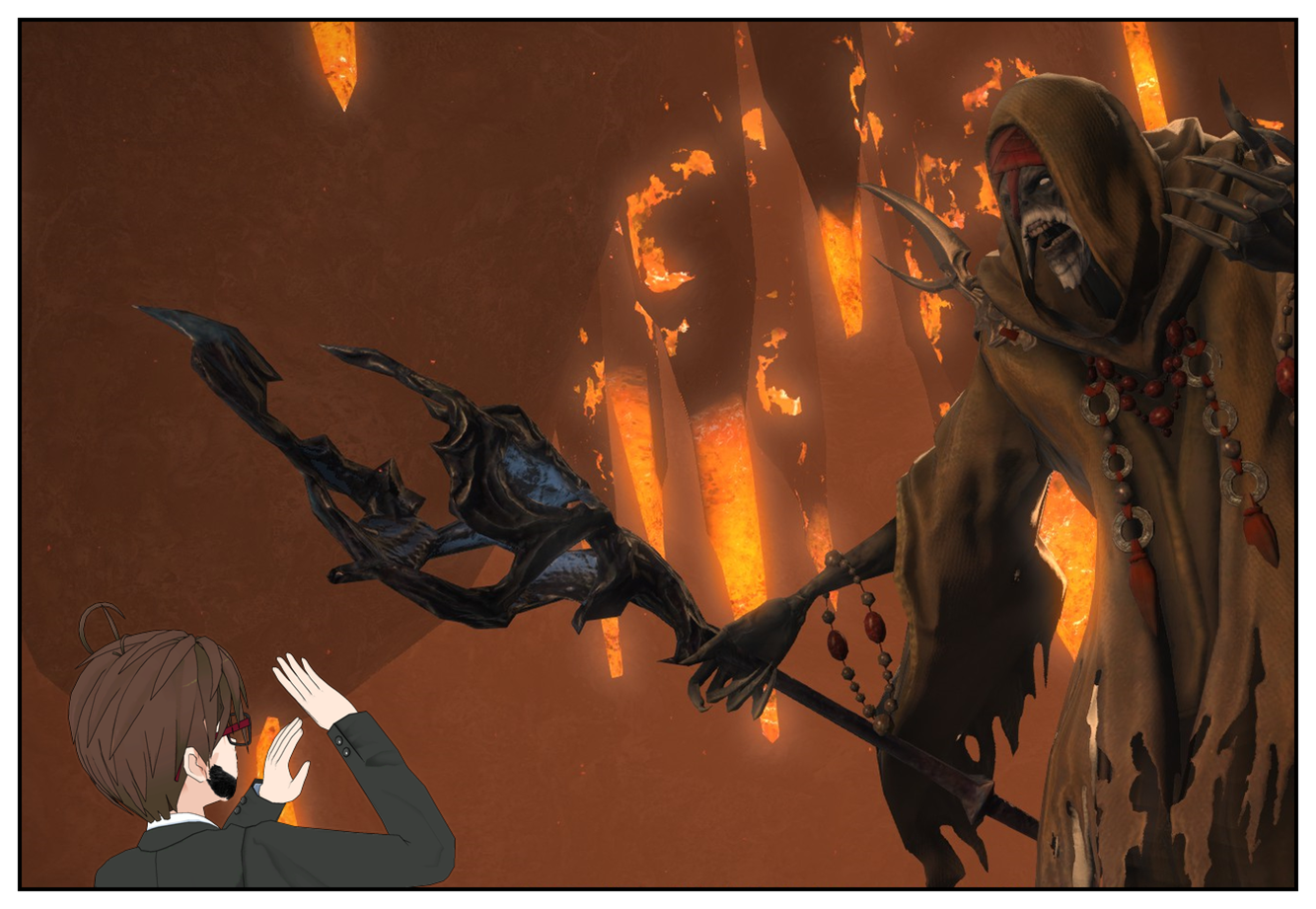
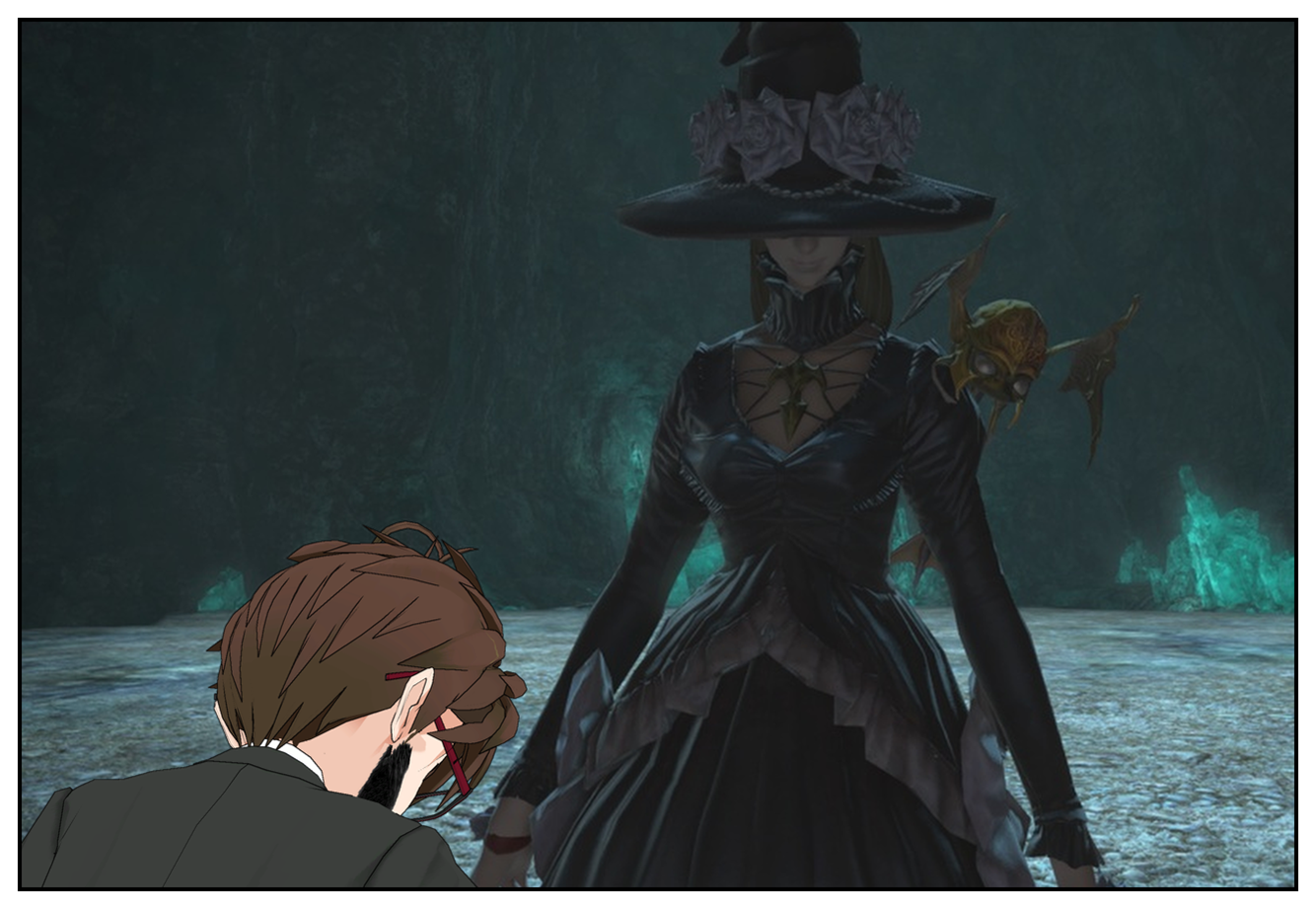
Been soloing a bunch of Palace of the Dead in Final Fantasy XIV over the last few days, so I thought I'd assemble some tips for those who are looking to challenge it.

General tips

  • Take your time on the early floors. You want to equal or exceed the boss' level when you reach it, so clear each floor thoroughly rather than rushing through. You can safely avoid enemies once you hit level 60.
  • Stay aware of your surroundings at all times. Most floors have patrolling monsters; keep an eye out for these and engage them in the corridors between rooms before pulling the monsters in the rooms themselves.
  • When fighting on the normal floors, DPS as hard as you can. Summoners, use Garuda-Egi. Tanks, use your DPS stance. The quicker things die, the easier a time you'll have. In most cases you'll probably want to concentrate on one enemy at a time — pull from a distance whenever possible.
  • When fighting bosses, the priority is on doing mechanics rather than DPSing as hard as possible. Summoners, get Titan-Egi to tank for you. Tanks, use your tank stance.
  • Drink potions whenever you can if you're not at full health. The last thing you want is to die to a landmine or exploding chest.
  • Save Pomanders of Serenity for floors where Auto-Heal is disabled. Most of the other floor effects aren't really anything to worry about, but Auto-Heal not working can really fuck you up.
  • Don't use Pomanders of Safety and Pomanders of Sight on the same floor because they're redundant. Safety removes all traps on the floor, and Sight allows you to see traps and thus avoid them. There's no need to use both.
  • Pomanders of Alteration are a gamble best used before you hit 60. If they spawn Mandragora-type enemies on the next floor, that's free EXP. If they spawn Mimics, however, you're in for a miserable time.
  • When using one of the transformation Pomanders, remember that you're not invincible. The Manticore may be able to kill everything in a single hit (assuming Knockback isn't disabled by a floor effect) but its HP and defense are the same as yours in your regular form.
  • Transformations are immune to Toad traps, and Pacification/Silence doesn't affect the transformation's ability. Landmines are still very dangerous, however, particularly as you can't drink a potion to heal yourself while transformed.
  • Save Pomanders of Resolution for the floor 100 boss. You'll need all three during the fight.

Enemies to watch out for

  • Hornets, found in the 1-10 block, have Final Sting, which will do a shitload of damage if you let it go off. You can actually run away from it and avoid the damage if you get far enough away, but it's best to try and kill the hornet before this happens.
  • Slimes, found in the 11-20 block, cast Rapture if you take too long killing them. This will almost certainly kill you, so kill them as quickly as you can.
  • Gaze attacks — marked by a very obvious glowing purple eye over the enemy model while they're casting it — can be avoided completely by simply turning your back to the enemy. It's particularly important to do this when dealing with Palace Cobras (petrification), Palace Deepeyes (powerful paralysis) and Palace Pots (Mysterious Light, which causes heavy damage and Blind).
  • Morbols will show up in the 11-20 block towards the end, complete with Bad Breath attack. Run towards them for the easiest path to avoid the large cone AoE.
  • Wraiths have a huge AoE attack that causes Terror. If you can stun it, do so. Otherwise, run for dear life as soon as you see the marker appear.
  • Palace Skatenes will cause Sleep on you shortly after they cast Chirp. This isn't a huge issue, however, since you'll wake up immediately upon taking a hit.

Boss tips

Floor 10: Palace Deathgaze

Pretty easy, and if you've fought basic Deathgaze-type enemies in the game you'll know what to expect. It has a heavy attack called Whipcrack that will do a chunk of damage, so pop a potion after it does this. Stormwind (a large cone AoE) and Bombination (circular AoE) can both be avoided. Aerial Blast covers the whole arena and causes Windburn (damage over time for a few seconds). It will cycle through these abilities until one or the other of you are dead.

Floor 20: Spurge

The Easy Way: Level to 35 or 36, pop a Pomander of Strength and a Pomander of Lust and then just go ham on Spurge and you'll probably kill it before it summons its first set of Hornets if your gear is up to snuff.

The Proper Way: There are two main phases to this fight, and they simply cycle around and around. In the first, Spurge will twat you for a chunk of damage with Bloody Caress, then fling two circle AoE attacks at you — one around itself and one aimed at you. During this time, keep your HP topped up and wail on Spurge as much as you can. The second phase starts when Spurge moves to the side of the arena. At this point, two Hornets will spawn, and Spurge will stay in place, occasionally shooting a large linear AoE attack called Rotten Stench. Avoid Rotten Stench while knocking the Hornets down as quickly as possible — otherwise they will use Final Sting on you — before returning to the punishment on Spurge.

Floor 30: Definitely-Not-Hydra

Pretty easy. When it hits you with Ball of Fire or Ball of Ice, immediately move to avoid the effect of the circular area the attack causes — damage over time for Ball of Fire and slowed movement for Ball of Ice. Keep hitting it while this is going on, and try not to bait any Balls of Fire or Ice into the very middle of the arena. When Definitely-Not-Hydra moves to the centre of the arena and starts casting Fear Itself, stand inside its hitbox to avoid the attack completely. Then repeat the process.

Floor 40: Ixtab

Ixtab will spew void crap over the ground every so often — move out of this to avoid damage. He will then summon two Bhoots which you should kill as quickly as possible to avoid being caught in their attacks. He also has an arena-wide attack that causes Terror, often causing you to stumble into the Bhoots' area of effect if they're still up. Aside from this, not a lot else to say.

Floor 50: Edda Blackbosom

Pay close attention to what Edda is doing. If she uses Cold Feet, turn away to avoid its Terror effect. If she uses In Health, you'll either need to get well away from her or stand right on top of her — react quickly to the AoE marker, but you have plenty of time to get from one extreme to the other if the cast goes off. If you get hit by In Health, one of the letters on the floor will light up. The more of these lit up when she casts Black Honeymoon, the more damage you'll take. Aside from this, she's pretty straightforward. Watch out for In Sickness, which causes Disease and slowed movement; cleanse this off yourself if you can.

Floor 60: The Black Rider

A few things to watch out for here. Firstly, keep out of the large purple circles he drops on the ground at all cost — they cause Bleed, which deals heavy damage while you're in them. Secondly, watch out for the aether sprites he summons around the outside of the arena and don't get caught in their blasts, as these deal extreme damage. Their appearance will often coincide with his charge attack, a linear AoE marker that follows you around. While this is casting, make sure your back is to a "safe spot" away from the aether sprites to avoid being knocked into their blast radius.

Floor 70: Big Snake Thing

I can't remember Big Snake Thing's name, but it's a big snake thing. The most important thing to do in this fight is move Big Snake Thing out of the watery patches it drops on the ground when it casts Douse. While it is in these areas, it gains Haste, which makes it nigh-impossible to avoid Electrogenesis when it casts. Aside from this, Big Snake Thing should cause you no real difficulty.

Floor 80: Definitely-Not-King-Behemoth

This is a daunting fight, but fairly straightforward if you know how to handle all the mechanics. Firstly, when DNKB casts Charybdis, move well away from the AoE marker because it will drop a tornado. Said tornadoes inflict a heavy damage over time debuff if you get sucked into one, and periodically they will suck in everything around them — there'll be a very brief AoE marker to show the effective range of this when it happens, so to be safe don't be anywhere near the tornadoes. Next, when DNKB walks away from you, follow him, because he's about to use Trounce, a massive conal AoE attack that is much easier to avoid if you're right next to him. Thirdly, at around 10% HP remaining, he will begin channelling Ecliptic Meteor, and unlike the other times in the game where this happens, there's nothing to hide behind. Try and kill him before it hits, but don't worry too much if it does — it hits for about 80% of your HP, so if you're topped up before it happens, you'll be safe and free to finish him off after the attack.

Floor 90: The Godmother

This is a bit like the final boss of Pharos Sirius (Hard). Attack The Godmother until a red bomb spawns, at which point you should stun its Blast ability if you can and kill it as quickly as possible while avoiding the AoE markers from the untargetable smaller bombs that spawn around it. When it's down, return to wailing on The Godmother. When a blue-grey bomb spawns, hit it with an instant ability while facing The Godmother to knock it towards her. You want the blue-grey bomb's Hydrothermal Combustion ability to hit The Godmother and interrupt her ultimate attack. From here, simply repeat these two processes until The Godmother is down.

Floor 100: Nybeth Obdilord

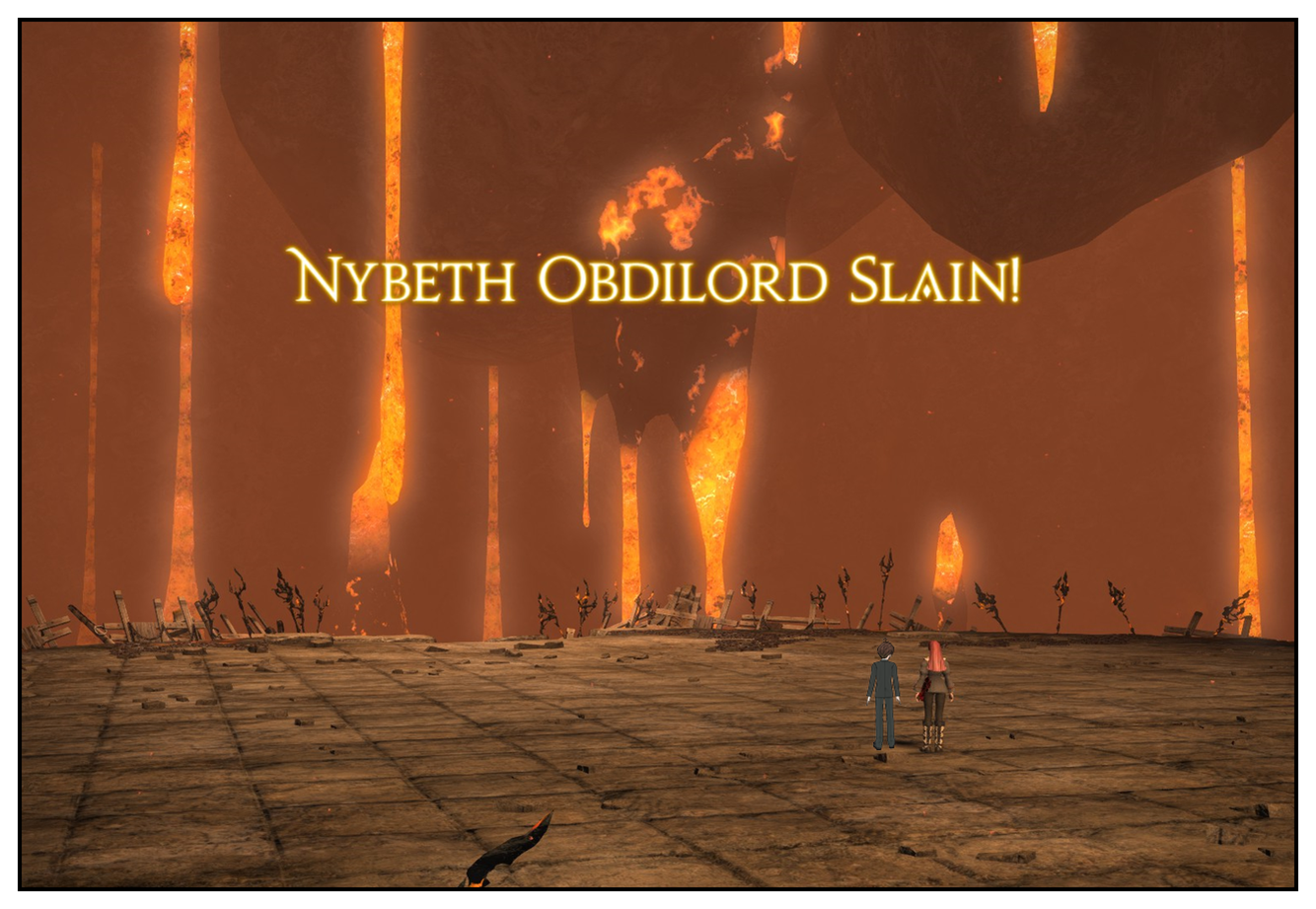
Try to make sure you have three Pomanders of Resolution by the time you reach floor 100 — block 91-100 seems to throw them at you, but save them up from earlier blocks to be safe if necessary. Nybeth himself isn't too much of a threat if you take care to avoid his AoEs, particularly the large cone-shaped Doom attack. The important mechanic in this fight is the adds that he spawns at roughly 90%, 70% and 30% of his HP remaining. As soon as they appear, pop a Pomander of Resolution and use Kuribu's attack to firstly kill the enemies, and then use the ability again on their corpses to remove them permanently from the fight. Click off the transformation before you turn your attention back to Nybeth. Repeat two more times and you're home free.
2481: Rejected, Again

I did not get shortlisted for the job I mentioned the other day that I actually 1) rather wanted and 2) felt confident I would be able to do well at.

I am getting really quite tired of the same old copy-paste rejection email that everywhere seems to use. "Dear [name], Thank you for your application for [insert position here]. Unfortunately, on this occasion you have not been successful. Please have a nice life and try not to fall into a crippling pit of depression because no-one anywhere appears to want to hire you for anything, even things you have demonstrable abilities in and thus the potential to excel. Now we're going out with the normal people who have real jobs. Fuck you."

I added the last bit, but I feel like it's implied every time I receive one of these.

I am sick of this. Fucking sick of it. I am doing everything "right". I am following all the suggestions I read all over the Internet and hear in discussions with people. I am applying for jobs whenever and wherever I can, with preference for those positions that are directly relevant to my skills but also taking a chance on those that sound like something I might be able to do. I am updating my CV regularly, and producing tailored versions of it for different positions. I am writing covering letters that directly address the job description and person specification while making me appear like an actual human being rather than machine-generated business-speak.

And still fucking nothing.

I'm lucky to actually hear anything from all the places I've applied to. Most simply ignore me, leaving me wondering if I will ever actually hear from them, so I guess I should be a little bit grateful for those places that at least have the courtesy to give me a definite "no", but frankly it's hard to feel anything positive towards this whole ridiculous, demoralising and soul-crushingly upsetting process.

I should probably just go and apply to work at my local Tesco — they're hiring, after all. But you know what? I'm absolutely sick of doing shit that is beneath what I'm capable of, what I'm qualified for and what I have demonstrable experience in. I'm sick of settling for not even second best. I am so much more. I am capable of so much more. But no-one will let me prove that to them. And that's enormously upsetting. It makes me feel like it's not even worth bothering to try.

I just want to be recognised. Appreciated for my talents. Acknowledged as a person. But none of those things are happening, and with each passing day this continues to be true I feel more and more worthless; a waste of space contributing little to the world and apparently having no skills that anyone considers to be useful or meaningful in 2016.

I don't know what to do. I don't see a way out of this pit. I'm trying, by God I'm trying, but the walls are smooth and slick, and there's seemingly no way to pull myself up and out. And no-one seems to be coming to throw me a rope, either.

2480: Too Much Information

0480_001

I listened to Dave Gorman's audiobook Too Much Information the other day. I've been a fan of Dave Gorman's intelligent comedy ever since I first saw his shows The Dave Gorman Collection and Googlewhack Adventure.

Gorman is a comedian who likes to use facts and evidence to back up the things he is talking about. In The Dave Gorman Collection, in which he travelled around the world seeking out other people called Dave Gorman, he took photographs of every meeting and recorded all manner of stats about his journey. In Googlewhack Adventure, in which he sought out people who had authored Googlewhacks — two-word search terms for which there is only a single result on Google — he again took copious notes and documentary evidence of his journey.

Too Much Information is one of Gorman's most modern works, taking a look at the modern world and the sheer amount of noise we have to put up with on a daily basis. As you can probably imagine if you've been following me for a while, this sort of thing is right up my alley.

Gorman covers a variety of topics throughout Too Much Information, including beauty adverts with hilariously poor survey results in the small print at the bottom of the screen — one product had just 47% of its (admittedly small) sample agree that it was worthwhile — and misleading newspaper headlines. He also looks at how misinformation can spread throughout social media, and has a good rant about some of his favourite bugbears, such as "greatest hits" albums that have all-new tracks on them, and services such as Spotify assuming that we always want to be sharing everything we do with the rest of the world, even if it's listening to The Wombles.

Too Much Information resonated with me a great deal, and it's a book well worth getting hold of in one form or another. It worked well as an audiobook, as the whole thing is written in Gorman's trademark "storytelling" style of comedy, which lends itself well to being recorded, but I can see it working just fine on paper, too.

While you're on, if you've never had the pleasure of experiencing Dave Gorman's past work, do take the time to check out The Dave Gorman Collection, Dave Gorman's Googlewhack Adventure and his most recent series on Dave, Dave Gorman's Modern Life is Goodish. It's a style of comedy that, so far as I'm aware, is unique to Gorman, and it's particularly entertaining for those of us who enjoy facts and figures to go along with our funny words. His "Found Poems" in Modern Life is Goodish, constructed entirely of Internet comments sections, are particularly entertaining, and a good reminder of what a bizarre and ridiculous age we live in these days.

2479: Palace of the Dead, Solo

0479_001

One of the things that had me most interested in patch 3.45 for Final Fantasy XIV was the ranking system for the Palace of the Dead dungeon I talked about yesterday. This tallies a score for you whenever you play with a fixed party (be it solo or up to four players) and thus allows you to compare your progress against other players from around the world.

Alongside the introduction of this ranking system came a few rebalancing changes to make soloing Palace of the Dead a lot more practical than it was when it was first introduced; previously, anything above about floor 20 at a push was very difficult if you were by yourself, but now, you can theoretically go up to floor 100 and beyond if you've upgraded your gear enough and your skills are up to snuff.

One of the things I've appreciated about Palace of the Dead since its launch was the fact that since it's largely impossible to "outgear" it — your regular gear has no meaning inside, only your Aetherpool upgrade levels, and even those are capped and synced if they're too high for the floor you're on and the level you are — you had to actually play properly. That means no cheesing mechanics, no standing in AoEs because you have enough HP to just soak them up, and swift punishment if you don't know how to play your job properly and effectively, sometimes in an unconventional party lineup.

Today, I made it to floor 60 solo, initially using Arcanist to go as far as floor 50 (my Arcanist hadn't yet reached level 30 and thus couldn't be upgraded into Scholar or Summoner, but the experience point rewards from completing these floors were enough to get me from 23 to 30 without too much difficulty) and subsequently as Summoner.

Arcanist/Scholar/Summoner aren't classes I've played much in the past, though I found Palace of the Dead's accelerated levelling to be quite a good way to learn how they work. In particular, levelling Arcanist to 60 without Summoner's extra Job abilities was a solid way to learn the basics of how the class worked, then upgrading to Summoner built on that foundation. I am now regretting the fact that I haven't levelled Summoner prior to today, because goddamn, that class is fun.

The reason I picked Arcanist and Summoner to run solo is that they seemed the most naturally geared towards soloing in that they have the option of summoning a tank pet that can maintain the enemies' attention while you cover them in festering boils and fling magic at them. The tank pet doesn't get a lot of use in party play — largely because you normally have an actual human-controlled tank there that can perform the role better than an AI routine — but in Palace of the Dead, Topaz Carbuncle (Arcanist) and Titan-Egi (Summoner) have both proven invaluable, particularly when it comes to the bosses.

And speaking of the bosses, soloing floors 1-60 today has given me a new appreciation of these fights. When tackled in a party of four, they're mostly rather easy (with the possible exception of floor 80's boss, which has been the source of many a party wipe so far), though from floor 60 onwards they do start to have some more interesting mechanics. Solo, however, they all present a pretty formidable challenge as you have to dodge their mechanics, chug potions to keep your health topped up (assuming you're not a healer) and somehow in the middle of all that find time to fling a few damaging abilities in their direction. I'm sure you can already see how helpful a tanking pet would be in this situation!

Thus far the secret to successful soloing seems to be having decently levelled gear — currently mine is around the +64 mark, which has seen me safely to floor 60 so far, and from this point onwards the upgrades from the silver chests are less likely to fail, too, so repeated runs will eventually push it up towards +99, which I suspect will be strongly recommended to tackle floor 80 and onwards.

According to the leaderboards on The Lodestone, no-one on Primal data centre has made it to floor 100 solo yet. I have little doubt that will probably change by tomorrow — I think someone on Reddit from another data centre had done it already — but for now it's fun taking aim for the top spot. And if I don't attain that top spot, well, at least I'll be able to say I've done it.

2478: All About Palace of the Dead

0478_001

For the benefit of my Twitter friend @FinalMacstorm, who is contemplating returning to Final Fantasy XIV once he's done with Final Fantasy XV, here is everything you might want to know about Palace of the Dead, one of Final Fantasy XIV's newest pieces of content.

What is it?

A 200-floor dungeon with randomly generated layouts. The first 100 floors are its "story mode"; the second 200 floors are intended to be very challenging 4-player content, and as such can only be attempted with a preformed party.

How is it structured?

When Palace of the Dead first launched, there were 50 floors, which you tackled in blocks of 10 at a time. Every 10th floor, there is a boss. Beat the boss and your progress is saved, allowing you to pick up from the following floor either immediately or the next time you want to challenge Palace of the Dead. On floor 50, there's a final boss — a familiar face who has been well and truly put through the wringer since you first encountered them.

Floors 51-100 of Palace of the Dead were added today and are known as the "Hellsward" floors. They work in mostly the same way. Once you've cleared floor 50 once, you can start at floor 51 instead of floor 1 any time you reset your save data. Floor 100, again, has a final boss — this time it's Nybeth Obdilord from Tactics Ogre.

Floors 101-200 of Palace of the Dead were also added today. They can only be entered if you start from floor 51 with a preformed, fixed party and clear all the way to floor 100 without any full-party wipes.

What are the bosses like?

The bosses gradually ramp up in complexity as you go deeper into the dungeon. The first boss is very simple — essentially fighting a normal Death Gaze that has a few more HP than usual. The second is a heavily simplified version of the Raskovnik fight from Sohm Al, which in turn was a simplified version of the Rafflesia fight from The Second Coil of Bahamut. The third is a slightly simplified version of the Hydra fight. Later bosses incorporate mechanics from Odin, Anchag from Amdapor Keep (Hard) and King Behemoth from Labyrinth of the Ancients. Floor 80's boss — the aforementioned King Behemoth-inspired fight — features a pretty brutal DPS check against a slowly casting, insta-wipe ultimate ability. This is arguably the most difficult boss in the first 100 floors; Nybeth is a relative walkover by comparison, though his fight does require the DPS to be on their toes to deal with frequently spawning adds.

Is it endgame content?

While the main rewards for Palace of the Dead are level 60 weapons — item level 235 weapons that can subsequently be upgraded to item level 255 — you can actually start it as soon as level 17. It's best to wait at least until you've reached level 50 and have cleared the sidequest dungeon Tam-Tara Deepcroft (Hard), though, because Palace of the Dead's storyline follows directly on from that dungeon's narrative.

How does it work?

Your level inside Palace of the Dead is different to your level outside. Upon entering for the first time, you're reset to level 1, but the experience required to level up within Palace of the Dead is considerably less than in the main game. You can reach the level cap of 60 by about floor 40 if you're reasonably diligent about killing enemies on the lower floors. Each block of floors takes about 20-30 minutes to complete depending on how quick you are.

Your level inside Palace of the Dead can exceed your level outside Palace of the Dead, so it's a good way to "preview" how classes play once they reach level 60. Starting at floor 51 will immediately boost you to level 60 in the class you entered on while you're inside.

When you clear a block of 10 floors, you receive experience points for your level outside Palace of the Dead, making it quite an efficient way to level classes. If you're already level 60, you will instead receive Allagan Tomestones of Poetics, Lore and Scripture, the endgame currencies used to purchase high-end equipment and quest items. If you're level 50-59, you will receive Allagan Tomestones of Poetics and experience points.

What about gear?

Normal gear is irrelevant in Palace of the Dead. Instead, you have an aetherpool weapon and armour, which can be upgraded by collecting silver chests scattered throughout the dungeon. The maximum the gear can be upgraded to is +99, though on the lower floors there is a cap and level sync on upgrades to prevent you being too overpowered.

When your weapon and armour both reach +30 upgrades, you can "spend" these points to acquire an item level 235, level 60 weapon that you can use elsewhere in the game. When your weapon and armour both reach +60 upgrades, you can "spend" these points to upgrade the item level 235 weapon to an item level 255 weapon. If you allow your weapon and armour to upgrade to +90, this means you can get the i235 weapon and immediately upgrade it to i255.

Do I have to play in a party?

No. There are several ways to play. Firstly, entering with a matched party uses Duty Finder to seek out other people who are on the same block of floors as you and put you all together. Note that Palace of the Dead does not adhere to the usual party construction in the rest of the game, meaning it's entirely possible you may have runs with no healers, no tanks or all DPS classes. Each block is clearable with such a lineup, but you will need to make use of items as well as your abilities.

Alternatively, you can play with a fixed party, which simply takes the party lineup you choose to start with — from going solo to a full light party of four — and registers that as your group on your save data. To continue progressing, you must take the same group of people with you on the same classes, though if you need to disband you can convert fixed party save data to matched party save data at any time.

If you play solo, when you wipe you'll be presented with a score calculated as a combination of the highest floor you reached and the number of kills you got along with some other bits and pieces behind the scenes. Your high scores are recorded for each class, and you can also record a high score for a fixed party, too. Personal high scores can be reviewed in the game, while global high scores will be available on the Lodestone website from tomorrow.

What items can I use?

You can access your inventory in Palace of the Dead, so you can use any potions, elixirs and ethers that you might have collected, though note that there is a cooldown on these so you can't just chug them repeatedly. It's a good idea to hotbar your best potions as well as status-curing formulae.

Besides these items, golden chests inside Palace of the Dead drop single-use items called pomanders, which are collected in a shared party inventory. These have a variety of different functions. Some provide buffs for individual players, others benefit the whole party by revealing the whole map, removing traps on the current floor and others still allow party members to transform into various monsters with unique special abilities.

If you're playing with a matched party, your pomanders are lost when you clear each block of 10 floors. If you're playing with a fixed party, however, your pomander inventory is saved along with the rest of the data and will be waiting for you when you challenge the next block of 10 floors.

What do I get out of it?

Besides the weapons, there are hidden treasures called Accursed Hoards scattered throughout the dungeon. These can either be uncovered by chance by standing in the right place, or located using a pomander of intuition. You don't know what Accursed Hoards are until you appraise them back in Quarrymill, at which point they will be "drawn" and revealed to be whatever they are. Common items available through Accursed Hoards include fireworks and Grade IV materia. Rarer items include Grade V materia and glamour items. Super-rare items include a hairstyle and housing decorations.

2477: Outlast

0477_001

It's Halloween, the perfect time to play a scary game! As such, I played through Outlast today, a game which I've been meaning to try for ages, and which my wife was kind enough to gift me a copy of. (It was 75% off for Halloween, too, so she didn't really need any convincing.)

Outlast is a first-person horror adventure game in which you have no combat capabilities. The only thing you're armed with is a camcorder, which can be used to film events (which triggers the protagonist taking notes on them) and, more importantly, see in the dark. Your camcorder has infinite battery unless you're using the night-vision, in which case it drains at an alarming rate, meaning you need to ration its use as much as possible. There are, however, batteries scattered around the game world to replenish your charge.

In Outlast, you play the role of a journalist who received a tip-off as to mysterious, strange and downright horrible goings on at a mental asylum, once closed down but subsequently reopened by a private corporation. As these things tend to go, said private corporation puts up a charitable facade when really they're into some horrible shit, and it's your job to investigate exactly what they've been up to. I shan't spoil any more of the story specifics here, as the game is well worth playing.

In terms of gameplay, Outlast is largely exploration-based. You don't have a map of any description, so you have to rely on your own sense of direction and the subtle environmental clues the game places around — doors left open a crack, realistic signs on walls, that sort of thing. Most of the game consists of you trying to figure out how to get through your current environment, though occasionally you are beset by sometimes naked psychopaths (seriously, there were many more cocks in this game than I was expecting) who want nothing more than to see what you look like inside-out. When the game shifts tempo in this way, it turns into something of a stealth game where you have to outwit your foes. You can't kill or even incapacitate your foes in any way, so the closest Outlast comes to "combat" is running away until you manage to get out of sight of your pursuers long enough for them to give up the chase.

A lot of Outlast is spent crawling around in the dark, as you might expect, but the game does mix things up a bit with its environments. One particularly memorable sequence towards the end of the game sees you fumbling around outside in the dark and rain, meaning even your camera's night vision isn't a lot of help — you have to firstly figure out where you're supposed to go, and then how to get there.

As a horror game, Outlast is pretty effective, with a menacing atmosphere throughout and jump scares used sparingly for maximum impact when they do happen. I didn't find it as outright disturbing as something like Silent Hill because it doesn't have as much of the psychological metaphor stuff going on as Konami's classics, but it's pretty creepy, and the feeling of panic when you're running away from enemies reminded me of Silent Hill: Shattered Memories, which likewise eschewed combat in favour of making you run away dramatically.

The plot is a bit weird and it kind of felt a bit like they weren't sure whether to do a supernatural-themed story or a Resident Evil-style "big evil corporation" story, so ultimately it ended up as a bit of a mishmash of both. It worked, however, and had a suitably satisfying conclusions — and, although I'm yet to play it, most people seem to think that the DLC Whistleblower, which unfolds from the perspective of the character who sends an email to the main game's protagonist, is a superior experience with a better sense of closure. I'll have to check that out soon.

Overall, then, I enjoyed Outlast. At only about 5 hours from start to finish, it's a game you can easily beat in a single sitting, and doing so feels like the way the game was intended to be experienced. It's a relatively unusual take on the horror genre by lacking in combat –though this style has grown in popularity in the last few years thanks to titles like Amnesia, Until Dawn and the aforementioned Silent Hill: Shattered Memories — but the lack of an attack button doesn't mean it lacks any sort of gameplay depth. Rather, it does what it does extremely well, and was a fine way to spend Halloween, so far as I'm concerned.

2476: The Growth of the Visual Novel

0476_001

When discussing my full writeup on Supipara earlier today, it occurred to me that visual novels are in a much better place here in the West than they were even a few years ago.

When I first encountered visual novels — like, first first encountered them — they were like a hidden gem of the Internet. Gorgeous Japanese pixel art, interesting stories, memorable characters and porn, all in one happy package. Naturally, despite a number of them having been officially translated by the well-established (and still standing) JAST USA, they were mostly distributed through… shall we say, questionable means. (If I remember correctly, this was still the days of KaZaA and Limewire over dial-up, well before BitTorrent became a thing.)

I had a lot of fun with some of these early visual novels but was never quite sure if it was "acceptable" to talk about them, what with them being widely regarded as porn first and foremost. Fortunately, a number of friends and I all discovered Parsley's wonderful True Love around the same time, and found ourselves thoroughly captivated by its wide variety of different characters, its interesting stat-based gameplay and the various mini-stories each of the game's heroines got you involved with.

Other memorable early visual novels I encountered included Ring-Out!! which was about a young girl sold into essentially sex slavery dressed up as professional (all-lesbian) wrestling for the gratification of rich, bored playboys with nothing better to do and less-than-progressive attitudes towards women. While this game's plot was a thinly-veiled excuse to have, well, lots of lesbian wrestling in lingerie, it stuck with me long after I first played it because it presented the protagonist as a very "human" character caught up in events beyond her control, not quite sure how to deal with what was essentially a horrific situation to be caught in. There were a number of different narrative paths through the game, each of which explored what might happen if the protagonist responded to her situation in different ways. Short version, though: if ever you wanted to feel really, really bad about popping a boner over some lesbians doing lesbian things, Ring-Out!! is the game for you.

I also quite vividly remember Three Sisters Story, because although it presented you with the opportunity to bump uglies with all three of the titular sisters over the course of the narrative, doing so would cause you to suffer the indignity of a bad ending where you didn't end up with any of them after the dramatic finale. This was surprising to me, and confirmed something I already suspected: there was a lot more going on in many of these games than excuses to display lovingly-drawn images of depraved sexual acts.

It would be a good few years before I got back into visual novels, and Japanese games in general. I typically credit Katawa Shoujo with my current interest in Japanese popular media, despite it being largely Western-developed, and by this point, discussion of visual novels — including their lewd bits — had become much more "acceptable" to many, though still not all, people.

After Katawa Shoujo, I decided to catch up on a number of visual novels, primarily from JAST, who were still pumping them out, and a couple from relative newcomer MangaGamer. I had a great time with many of them, and still fondly look back on a number of these titles such as the gloriously silly My Girlfriend is the President and the lengthy, emotional road trip story that is Kira-Kira!

Visual novels still hadn't quite hit the mainstream, though, and this was disappointing to me, as here was a genre of game — no, I've often argued it's a distinct medium in its own right — that was exploring subjects and themes more traditional games typically shied away from for various reasons, whether it be concerns over the subject matter itself to simply not being sure how to make a game about people just living their life actually fun and interesting to play. I wanted more people to appreciate this fantastic medium and enjoy the stories I'd enjoyed, but it remained difficult to convince many people that they were anything more than just porn, even if I cited specific examples of how they clearly weren't.

When I look around today, I see a very different landscape. Visual novels are everywhere on Steam, and not just from Japanese developers: these days we have works from English, American, Russian, Korean authors… authors from all over the world who want to tell their story in the distinctive way that the visual novel medium allows them to. And the genre/medium as a whole has, I feel, finally hit the mainstream.

That's absolutely delightful to see for me, as someone who was around when they were very much an "underground" sort of experience; the growth of the visual novel sector — both adult and all-ages — has been wonderful to observe, and so long as there are great stories that people want to tell, there seems to be no shortage of new experiences to enjoy.

There's still work to be done — most notably with regard to the distribution of adults-only titles, which can't be sold on leading digital distribution platform Steam in their uncut forms, and which some companies are selling the sexual content for separately rather than simply providing a free patch or alternative download — but for the most part, we're in a much better place than we were even a couple of years ago. And, I feel, it's only going to continue to get better from here.

Also, buy Supipara. (Read more about why you should do this here.) I want to see the other chapters released!

2475: Necessary Evil

I've grown to hate money.

Well, that's not quite true. I like money when I have it. I hate the feeling of anxiety it gives me when I don't have it, however, especially in situations like I'm in at the moment where I'm owed a considerable amount of money (like, over £1,000) in outstanding invoices from freelance work I undertook nearly two months ago.

It's not character-building to have no money through no fault of your own; it doesn't teach important life lessons; it just plain sucks balls.

It's exceedingly demoralising to be strapped for cash when you know you've been working hard for your pay, and said pay is nowhere to be seen for one reason or another. It makes all the effort you've put in feel like a waste. Meanwhile salaried employees waste time on a daily basis fucking around with Fantasy Football and other such shit, secure in the knowledge that they'll get their paycheck at the same time every month, come hell or high water — particularly if they're an established employee with a decent enough track record to be considered a fixture.

I already struggle with anxiety and depression, but when money is tight, too, I just want to bury myself in a dark place and not wake up. It makes an already difficult situation feel all the more hopeless and desperate, and I'm running out of ways to cope with it.

I quit the job I described yesterday that didn't feel like its benefits outweighed its many drawbacks — this is not the job that owes me over £1,000, I should add; rather, it was the part-time courier work I mentioned in passing a few times recently (which subsequently ballooned to an underpaid 7-day working week). I calculated that any money I would earn from it would immediately be eaten up by expenses incurred working that job, so it's simply not worth the hassle, stress and physical discomfort it causes, particularly without any opportunity for a break.

I feel bad turning down a source of income, but if the net profit is negligible, I'm better off staying at home, saving the wear and tear on my car, not having to pay up for fuel and having the time and energy to pursue other opportunities. That's how I'm rationalising it, anyway.

Just have to hope one of these opportunities I currently have an application in for and my fingers crossed for actually comes to something, but it's frankly rather difficult to feel hopeful right now. I guess that at least means it will be a nice surprise if anything does happen.

2474: Pay Your Damn Workers

0474_001

One of the things I've noticed as someone who has spent more than his fair share of time looking for suitably gainful employment is the number of employers out there who undervalue their workers, expecting them to work long hours at demanding jobs for pitiful pay — and in some extreme cases, expecting them to work on a voluntary basis.

The growth in the number of jobs where the people who do all the heavy lifting (literal or metaphorical) have to act as self-employed is disheartening. It's clearly a transparent, cost-cutting measure that means employers don't have to provide workers with any kind of benefits — whether it's basic things like holiday and cover for days you can't work, or more structured benefits such as pension plans, healthcare and the like — under the pretense of being more convenient and flexible for the worker.

The above would be more acceptable if the payouts for workers were commensurate with the amount of effort (and/or physical exertion) they have to put in, but sadly more often than not they simply aren't. What you end up with are a bunch of companies who are effectively paying their workers less than minimum wage while offering them no benefits, no National Insurance contributions, no Pay As You Earn tax deductions and little to no job satisfaction.

At the time of writing, I'm working two assignments on a self-employed basis. One of them pays a fair wage for some honest, specialised work, so I don't mind working for them in this way at all — though I do, at times, wish they'd pay me a bit sooner and provide me with enough assignments to make it a legitimate full-time job, as that would go a long way to assuaging my presently perpetual state of anxiety. The other, I'm feeling, does not feel like it has enough benefits to outweigh the drawbacks, even though it presents the prospect of more regular income. (That said, taking into account the expenses I incur while working this latter position makes said income look even more woeful than it already is.)

I don't know. I'm just currently feeling physically exhausted and incredibly disheartened at how things have been going for me, and I don't know the best thing to do about it. The vaguely rational part of my brain tells me that sucking it up and paying my dues is the sensible thing to do, regardless of how exhausting it is and how awful a work-life balance it affords me. But the part of me that wants to not collapse and actually have time to enjoy life — even if it's with tight purse strings — suggests that the healthy thing to do, mentally and physically, might be to nip things in the bud before I get too stressed out by the whole thing.

Goddammit, GamePro. Why'd you have to close down? I was happy working for you. Genuinely. More happy than I've ever been working any job since. All I want is to be happy and satisfied with what I do, and to be paid a fair wage for it. With every passing day, I worry more and more that I'm never going to achieve that.

2473: Closing Date

0472_001

It is the closing date for applications for a job I'd actually quite like tomorrow. Supposedly the closing date marks the time when said job will actually start shortlisting applicants, so no-one will have heard anything back from it yet.

This particular job application sticks in my mind because the process was much more than the usual CV and coverletter crapshoot that 95% of positions seem to require. Rather, the application process was more of a "virtual interview", with a number of questions specifically designed to let the applicant talk about the ways their skills and experience make them eminently suitable for the job.

This strikes me as a good way of finding someone that you would actually like to work for you, because it allows the applicant much more opportunity to talk specifics about how they think they will suit the position, and it allows the employer much more opportunity to judge the applicant through specific examples rather than the usual generic rubbish people put in cover letters about being "passionate" and "enthusiastic" about things no-one in their right mind is passionate and enthusiastic about.

I understand why the majority of positions advertise on the big sites and simply require a CV and cover letter, mind you — with the sheer number of positions each company has to fill, it would probably be impractical to 1) design a unique questionnaire for each position and 2) have someone actually go through the answers in detail rather than simply judging on the basis of a CV and cover letter — perhaps only superficially in some cases.

That said, the organisation that is recruiting for the position I mentioned — I'm not giving specifics just yet because I don't want to jinx anything — is not exactly a small operation, and doubtless employs hundreds of people for its various roles at the very least. And if they can find the time to produce a tailor-made questionnaire specifically for the position that I've applied for, it would be nice to see other companies following suit.

Surely it would be for the best in the long run? It's pretty easy to lie on CVs and in cover letters, whereas if you're given specific, directed questions it's a lot harder to bullshit your way through them if you don't actually have the answers. For once, I actually felt like I had the answers to the questions and could speak from a position of confidence rather than the subservient position of self-justification that I normally feel like I'm in. That made me feel pretty good about the application — though naturally it will also make me feel pretty bad if I don't get the position, because it feels like the first good opportunity that has come my way in quite a long time.

I would like a normal life with a normal job. Instead, I'm currently working 7 days a week for peanuts doing something mind-numbingly boring and physically tiring. But I guess I should be semi-grateful, at least: peanuts is, after all, greater than zero, and I hope — I wish more than anything — that this is only temporary, and that good things will come to me soon.

I have to hope that, because the other possibility is becoming increasingly unbearable to contemplate.