#oneaday Day 783: Prepare for Moxibustion: Shadow Hearts First Impressions

20120311-235149.jpg

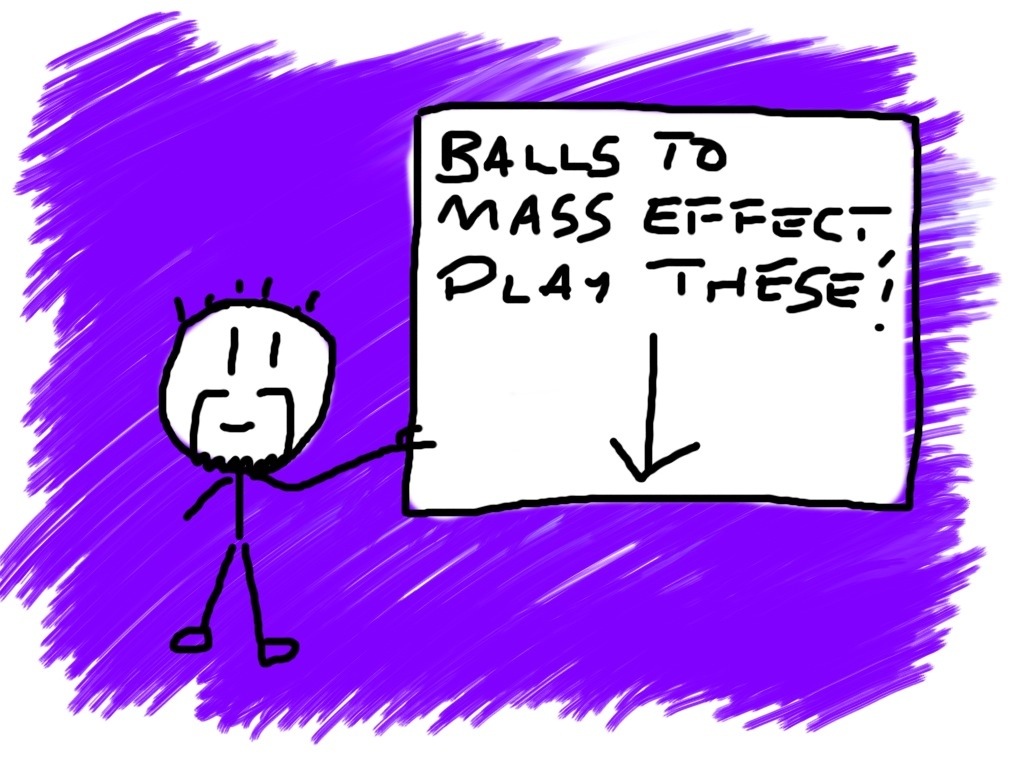
[I am not at all sorry for the above image.]

I recently acquired copies of Shadow Hearts and Shadow Hearts: Covenant for PlayStation 2. My good friend and podcasting buddy Mark has been extolling the virtues of this series (well, its first two entries anyway) for a considerable amount of time now, and given my current aversion to recently-released triple-A titles, I figured it was about time to give it a shot.

For those unfamiliar with this particular little gem, Shadow Hearts is a Japanese roleplaying game from 2001 developed by a company known as Sacnoth (later Nautilus) and published by Midway in Europe. It's the sequel to an unusual PlayStation 1 roleplaying game called Koudelka, which blended survival horror and tactical RPG elements to create a game that had a rather mixed reception upon its original release. Shadow Hearts, unlike its predecessor, is a much more traditional Japanese roleplaying game, with a great deal in common with the PS1-era Final Fantasy games. Players control a 3D character on a flat, prerendered backdrop and are thrown regularly into random battles against enemies which are otherwise invisible on the field.

Aside from these basic mechanical and technical similarities, however, Shadow Hearts is a very different beast to Square Enix's franchise, for a wide variety of reasons.

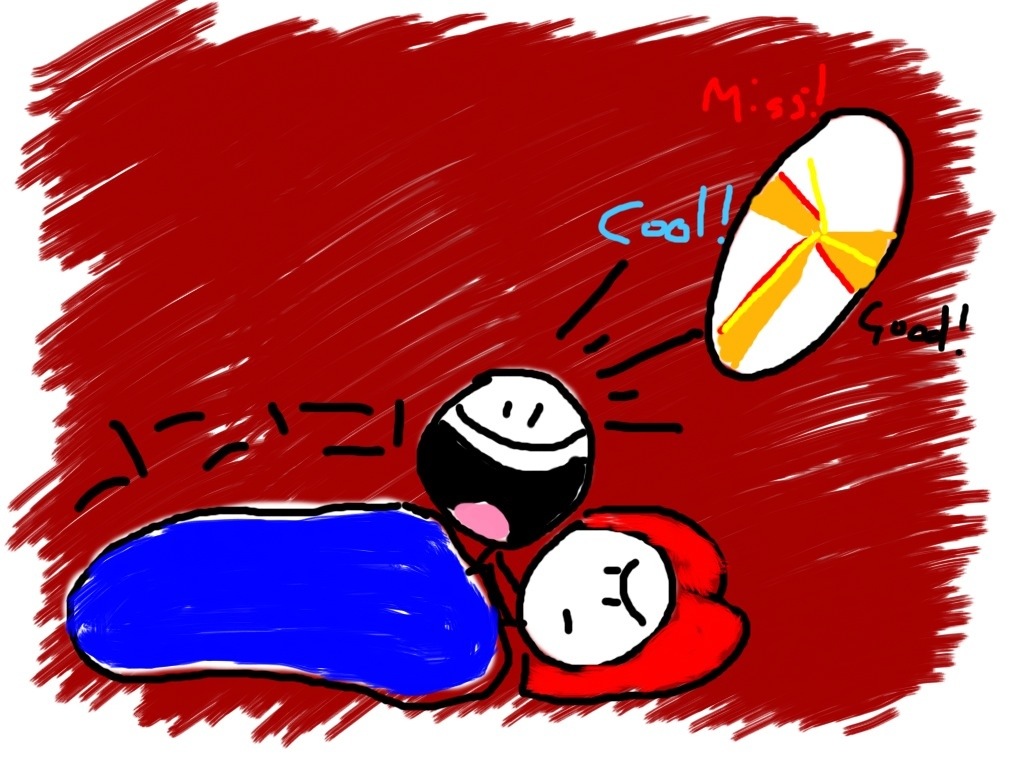
Mechanically, an innovative feature in the game was the "Judgement Ring" system, whereby any action which would be resolved in a tabletop roleplaying game by a throw of the dice is instead left up to the player's reflexes and sense of timing. The titular Ring appears on screen with markers placed on it to show where the player needs to press the button. An indicator sweeps round it, and the player must tap the button as the indicator passes through the various areas. There are variations on the theme, but this is used throughout the game whenever there is an element of chance — both in and out of combat. For example, the Judgement Ring is seen when attacking an enemy, attempting to cast a spell or use an item in combat (outside combat, magic and item use automatically succeeds, thankfully) or attempting to haggle for a better price in shops. It's a simple system that through its inclusion lends a much greater feeling of interactivity and involvement to a genre known for making the player sit back and tap the X button 300 times before getting to do anything. Its timing-based nature means that combat can't simply be resolved by strapping a rubber band to the X button and walking away — the player must learn the various characters' "rhythms" for their attacks and stay on their toes to tap the button appropriately.

It's not just in mechanics that Shadow Hearts differs somewhat from the norm, however. In a typical Japanese RPG, the party tends to be made up of a group of idealistic teenagers (with optional "old man" character who is actually simply in his late 20s), at least two of whom will be childhood friends; at least two of whom will fall in love with one another; at least one of whom will be a moody bastard who grows to understand human kindness and friendship by the end of the story; and at least one of whom will be a demure, shy girl while another will be a borderline-inappropriately sexy girl in a teeny-tiny skirt. This kind of ensemble works well, which is why we see it so often, particularly in popular franchises such as Final Fantasy.

Not so in Shadow Hearts. In Yuri, we have a moody protagonist, sure, but he's angsty because he can turn into monsters. Also he's half Russian, which explains why he hails from Japan but has a name which is commonly used to refer to lesbian-themed content in Japanese. (His name also means "lily" in Japanese, which might explain why he's so upset and surly. Although if we take "Yuri" to be the Russian half of his name, then that means "farmer", which is a bit more manly.) Then in Alice we have the shy, demure girl, but she's clad in what can only be described as an incredibly impractical outfit which precludes her from ever volunteering to bend over and pick anything up ever. She's also English. I've never met any English girls who dress like that. But then I wasn't alive in 1913, either.

Aside: not only does Shadow Hearts take place in the "real world" (albeit a real world with magic and demons and vampires and whatnot), it also takes place in recognisably "recent" (relatively) history, meaning we get a pleasing blend of low-tech fantasy-style stuff with the trenchcoats and Mauser pistols of the World War I-ish era.

But back to the cast. We also have a crotchety old Chinese oracle who calls people "son of a bitch" all the time and a friendly vampire called Keith (Keith?) who woke up from a 200 year slumber only to find himself bored stiff with nothing to do in his monster-infested castle. There may be more, but I haven't got that far yet. Already it's a memorable, bizarre cast, though the game nails the whole "suspension of disbelief" thing so well that it seems perfectly natural for this oddball group to be hanging out together while discussing the movements of the Japanese army.

Shadow Hearts is a slow burn that takes a while to get going. If you've been playing more recent Japanese roleplaying games that tend to be a bit pacier or have battle systems that veer a little closer to "action" (see: Final Fantasy XIII and its sequel, The Last Story and Xenoblade Chronicles to a certain extent) then there's a bit of an adjustment period to get back into random battles and completely turn-based combat. It's also a bit of a culture shock to go back to a game where the dialogue is pretty much all text — though this rekindles the once-common love for renaming your characters; a joy which the age of voice acting has rendered obsolete.

I'm guessing I'm about halfway through at the moment. Further thoughts to follow when I've beaten it.

#oneaday Day 782: Is It Worth Complaining?

20120311-020858.jpg

I had an interesting discussion on Twitter earlier with Peter Skerritt of Armchair Analysis and Craig Bamford of Leveling Criticism. Peter argued that gamers had made their bed with regard to questionable business practices surrounding downloadable content, preorder bonuses and all of the other annoyances which this particular generation of consoles has developed — that since so many people have bought into these schemes over the last few years that it's now too late to go back, that any sort of "action" is not worth taking, and that anyone feeling the need to speak out about it should understand that doing so will have negligible effect.

Craig, meanwhile, countered that "'shut up and consume' is just greasy", noting that Mass Effect 3's controversial day-one DLC "prompted a huge backlash which the company had to expend serious PR resources to fix."

I'm not going to get back into this specific argument here, but I did want to address some more general points which Peter, Craig and I discussed. Namely, the question of whether or not it's worth complaining about something.

It's easy to complain about things on the Internet. Start a blog or a Twitter account. Rail against anything you find personally objectionable. Talk up the people who agree with you and either ignore the people who disagree or get into very loud and public slanging matches with them. "Internet Rage" is its own meme now, though ultimately the concept of "the Internet being angry at something" has arguably done more harm than good to the concept of actual, genuine protest.

The trouble is that there's an element of bandwagon-jumping. With any kind of disagreement, most people are going to come down on one side of the fence or the other. In the case of Internet arguments, those who are skilled in rhetoric will have very little difficulty in recruiting people for their side, as all it takes, in some cases, is a particularly persuasive YouTube video or an article featuring carefully massaged statistics to get people onside. People are lazy. If you lay an argument out on a plate for them, relatively few of them will have the inclination to go and research things for themselves. 'Twas ever thus, and we even see this in the professional specialist press to a certain degree.

It loses its effect after a while, though. Words are just words, after all, and as any protestor worth their salt will undoubtedly tell you, actions speak far louder than words.

Or do they? I haven't bought Mass Effect 3 but do I think EA give a shit about that fact? No, because a healthy number of people have bought Mass Effect 3, and those are the only people that EA care about. Those are the people that say to EA "what you're doing is acceptable, please do it more." It's not just something that happens in video games. It happens with all sorts of shady business practices. The more people just accept something as "that's the way it is" (houuuuuaaahhh!), the more likely companies are to want to keep pushing the boundaries a little bit further each time, like a toddler trying to figure out exactly how naughty is too naughty, only with millions of dollars instead of plastic things made by Fisher-Price.

Does that invalidate the criticisms that those people who object to it have? Does the fact that, say, EA has no need to take those people's criticisms into account mean that they should stop speaking out against those things which they find unacceptable or distasteful?

Absolutely not. For if those people stop complaining, then we have no dialogue. We have no discussion, no debate. We simply blindly accept, consume, bend over, take it. You may be happy to blindly accept, consume, bend over, take it. You may believe that there are more important things to worry about in the world than whether or not a software company squeezes an extra $10-$20 out of its most loyal fans. You may believe the lines spun by public relations in an attempt to limit the damage done to a brand's reputation. But that doesn't mean that the people who don't feel the same as you should be silenced. State your case. Come out from your corner fighting. You might change their mind — though given my experience of debates like this, you probably won't — or you might at least give them an alternative perspective to consider, even if they ultimately end up feeling the same way.

In short, I believe that yes, it is worth complaining. In the video games case, Peter argued that complacency is what has led consumers to the point they are at now, where buying a $60 game is no longer the end point of the relationship between the customer's wallet and the publisher's pockets — it's the beginning. If that's the case, though, while it may be too late to salvage matters with regards to things like DLC, preorder bonuses, shady sales practices and all manner of other considerations, surely that's a sign that consumers upset by all this should be more vocal in order to preempt publishers attempting to take advantage of them any further in the future?

Those expressing upset and annoyance at what they see as unfair shifts in business practices are now often accused of being "entitled". But that's simply lazy rhetoric. There's a big difference between being "entitled" (typically used in this context to mean "expecting something for free") and having very valid concerns about getting value for money or being treated fairly as a consumer. In the Mass Effect 3 case, no-one's expecting something for free. They want to pay for the game, to support the developer, but they don't want to be treated like idiots and/or bottomless cash pits in the process. Personally speaking, I don't think it's unreasonable or "entitled" to expect a complete product when you hand over your money for it. But, well, we've been over that already and I know far too well how futile it is for both sides to try and convince the other of their viewpoint.

The point: complaining or protesting may not have a direct or immediate effect. But it ensures that we continue to discuss, debate and consider things a little more carefully than we would otherwise if there was a complete consensus of opinion. It keeps things interesting, it prevents people from becoming too complacent and it allows people to retain their individuality rather than being treated as an amorphous mass of identical, anonymous "consumers".

Sounds better than the alternative to me. But then you probably disagree. In which case you're wrong, you entitled twat.

#oneaday Day 781: Pink Pussp

20120310-005325.jpg

Poor old PSP. You've had a hard life. Unappreciated in your own lifetime, it seems that you're actually home to some truly brilliant games, particularly if your user happens to be a fan of JRPGs like I am.

I've owned two PSPs over the years. Both have been somewhat underused. My first had a dinky memory stick that was far too small to download anything on to, but then this was in the days long before PlayStation Network anyway, so it wasn't an issue. I recall spending many long hours playing Lumines and Untold Legend: Brotherhood of the Blade on it when it first came out, being rather impressed at the large, bright screen and then-impressive visuals for a handheld; being rather less impressed at the amount of "ghosting" which occurred whenever anything moved or scrolled and the dead pixel just to the right of the centre of the screen.

Then I put it down for a bit and didn't pick it up again for a long time, except for on one memorable occasion when I was guesting on an Internet radio show with my friends Mike and Simon and "someone" had loaded porn onto the memory stick in question in order to distract the person who was talking at the time. (It worked.) Besides that, I didn't take much time to explore the growing library of games out there — I played Loco Roco briefly, for example, and very much appreciated its charming aesthetic, but never quite thought it was worth the money to pick up a copy myself.

I got poor, and ended up selling the PSP and its games to help pay a gas bill or something. I regretted it a bit, but then figured that I really wasn't using it that much.

I got a Nintendo DS and found a bunch of games on there that I took to — Ace Attorney, Hotel Dusk and numerous others captured my attention so much that my DS was, for a brief period, my most-used games system. I didn't think about the PSP for quite a long time, until I went to visit my friends Mark and Lynette in Canada, and Mark was talking about the bizarre Atlus strategy game based on R-Type, and I found myself desiring a PSP once again. I took a trip to my Canadian friends' friendly local game store and scored myself a cheap PSP-3000 with a copy of Ratchet and Clank (which I, err, still haven't played) and 1 GB memory card.

All was well for a little while. I picked up a copy of Final Fantasy Tactics: The War of the Lions and played that for a while, and R-Type Command proved interesting, though I didn't finish either of them. (I had previously finished Final Fantasy Tactics on PS1, I should add at this point, back when the translation meant the plot made even less sense than it does now.) Eventually, it got set aside once again in favour of Big Exciting Things on Xbox 360, PS3 and iPhone, which was just starting to hit its stride with awesome games by this point.

I held onto it this time, though. And I'm glad I did, because I can't help feeling that the device is enjoying something of a renaissance thanks, as it happens, to its offspring, the recently-released PlayStation Vita. Vita's connectivity means that it's dead easy to get online and download games to play — something which Sony got terribly wrong with the rather disastrous performance of the PSP Go, but which they seem to have a better grasp on now. Even better, the Vita plays the vast majority of the PSP back catalogue, though lacking a UMD drive, it's unable to play games on physical media.

As such, the PSP library has been enjoying renewed scrutiny, and it's becoming abundantly clear to many people that the PSP, a system often passed over and at times even ridiculed, is home to some fine games. Just one such example that I've blogged about recently is Corpse Party, and I have several other titles lined up to play in the near future.

I was tempted to pick up a Vita, but there's not really anything on it right now that interests me enough to blow a few hundred quid on it. (When Phantasy Star Online 2 and Persona 4: The Golden come out, however, things will be very different.) So instead I bought a 32GB memory stick for my PSP. That 1GB stick I had was fine for save games, but wasn't big enough to contemplate downloading games from PSN to, so I'd never really investigated in great detail. I figured it was time I took a look, though, so that's what I've been doing.

I'm glad I did. I'm finally getting the chance to discover the roots of the Persona series, for example. P3 and 4 are probably my favourite games of all time, so to see where the series came from with the PSP remakes of the PS1 originals is interesting — it helps that they're still decent games, too, though from my relatively limited experience with Persona 1 so far, not a patch on their PS2 descendants.

Then there's all manner of other great titles just waiting for me, too. The portable versions of Disgaea, for example. Tactics Ogre. Trails in the Sky (aka "TitS", which makes me giggle childishly every time I remember). The PS1 Final Fantasy games in my pocket. Ridge Racer Type 4 (which is still awesome). And all manner of other stuff, too.

It's for this reason that I really don't feel like I'm missing out by not playing Mass Effect 3. Because there's a very deep library of unexplored classics just waiting for me to dive in, and I intend to do so with aplomb over the course of the next few months. Couple that with a pile of PC and PS2 titles that I'm finally going to get around to playing thanks to our "Pile of Shame" challenge, and my immediate gaming future looks both rosy and cheap. Which is nice.

#oneaday Day 780: Nihon

20120309-010142.jpg

It's a big ol' stereotype for someone who is "into" video games to have an interest in Japan — at least it was, anyway. As popular, mainstream titles have shifted far more towards Western studios with this current console generation, Japan and all things related seem to have been relegated to something of a niche. And that's absolutely fine, I think, because it means that people like me can explore things like the country's culture without feeling like they're jumping on some sort of bandwagon.

I say "explore". Most of my knowledge of Japanese culture comes from, you guessed it, video games. (That and following J-List on Facebook.) But before dismissing that out of hand, it's worth noting that many Japanese games do explore and celebrate Japanese culture and traditions in a way that you hardly ever see in Western titles.

I can remember the first game I played in which I was conscious of this: Shenmue on the Dreamcast. I found it interesting that the main character removed his shoes every time he entered his house. Not only was this a pleasing attention to detail, I discovered that this is traditional behaviour. And given that Shenmue was based very much on the idea of creating a realistic, small-scale game world in which to "live" as much as pursue the game's story, this was just one of many things which initially jarred but started to make sense the more time I spent with them.

The Persona series are notable for this, too. To date, I've only played Persona 3 and 4 (and have recently started the first game in the series) but I feel I got a good sense of what it's like to be a high school kid in Japan — or at least, as close an interpretation as the media will ever give you. I do wonder if the depiction of Japanese schoolkids in anime and video games is akin to the depiction of American "highschoolers" in TV shows and movies like Buffy the Vampire Slayer and Clueless.

From these games and numerous others (including Katawa Shoujo which, interestingly, was actually developed by Westerners who clearly had a good understanding of Japanese culture) I've picked up all sorts of useless facts (mostly centring around schools) which may come in handy should I ever find myself in Nihon-koku. I know that schools have big shoe racks inside their front doors. I know that kids are expected to join clubs as well as attend classes. I know that traditional festivals with fireworks are A Big Deal, and that boys supposedly go crazy for girls in yukata. Boys also go crazy for girls in hot springs. I know that udon and soba are types of noodles, and that takoyaki is both made from octopus and regarded as a kind of fast food. (I also know that your stats have to be high enough to finish a big beef bowl, but the same could be said for a big-ass steak in the West.) Moving into more esoteric territory, I know that popular supernatural mythology suggests that restless spirits often hold grudges and can do very unpleasant things to people who piss them off.

It strikes me every time I play one of these Japan-centric games (the most recent being Persona and Corpse Party) that it's rare to see an analogous "learning experience" in Western games. Or is it? Perhaps I'm just too immersed in Western culture on a daily basis to notice; or perhaps Western culture has lost a lot of its traditions over the years, leaving most people free to behave in a manner of their own choosing. Consider what you did when you walked into your house today: did you take your shoes off? The answer is "maybe", because it wasn't expected (unless you have a self-decided "shoes off household") so it was up to you.

We still have plenty of strange traditions of our own, though, mostly, like Japan, surrounding significant festivals. Look at Christmas: we have carol singers, German markets in city centres, mulled wine, mince pies, midnight mass, christingles and all manner of other things. We have very specific rituals in place to celebrate things like birthdays. We cheer when waiting staff drop trays of drinks (though I really wish we wouldn't), and we have songs for all occasions.

As I think about it further, it's becoming clearer to me why there's something of a tendency to see comparatively less traditional culture in Western video games than we do in Japanese ones. It's to do with subject matter and setting: Japan is very fond of mixing the mundane and the uncanny for dramatic and unexpected effect, whereas in the West we're rather fond of "hero"-type characters who focus on getting the job done, not pissing around building up his Social Links. This is a generalisation, of course — there are plenty of games that involve a lot of sitting around talking, though even then they tend to be through a self-deprecating lens rather than taking a genuine pride in traditional culture. When was the last time you saw an English character (i.e. someone from England, and not just a character with an English accent) who was not either 1) evil or 2) posh — or sometimes both?

Perhaps there's no place for traditional culture or ritual in Western video games — or no traditional culture or ritual left in our modern society to even incorporate into a game. That's fine, of course, though I think it rather sad, in that case, that we have the opportunity to learn a great deal about Japanese culture from their creative output, while any Japanese players exploring the Western body of work will arguably take little from it save "nice architecture".

Am I wrong? If so, please feel free to share some of your favourite examples of video games that exemplify Western culture, tradition and ritual in the comments — I'd be curious to hear what people think, or even, if they don't think it's relevant, why they don't care.

#oneaday Day 779: Snark Pit

20120307-235746.jpg

I've kind of had it with snark. The whole "let's piss on everything" parade that shows up any time something vaguely interesting or cool happens is getting really rather tiresome, and over the last few weeks and months I've actually been taking steps to minimise my exposure to it by simply unfollowing people on Twitter who prove to be irritants in this fashion. (British game journos, you don't come off well in this poll, by the way, naming no specific names.)

Unfortunately, on a day like today, which held among other things the promise of a hotly-anticipated iPad-related announcement from Apple (which turned out to be "The New iPad" with its shiny retina display and quad-core processor… yum) it's difficult to avoid said snark. It seems that for a lot of people nowadays that if something isn't to your own personal preference, then no-one should enjoy it.

At this point I'll say that I'm well aware I've been guilty of this in the past, and for that I apologise. (The X-Factor is still unquestionably shit, though. There is no valid argument in favour of a show that gave the world Jedward. I'm just not going to rant at length about the subject any more.) I am trying my best these days to see arguments from both sides, but unless you're some sort of level 99 mediator, you're always going to come down on one side or another. So long as you don't force your views on others and expect everyone to agree with you, everyone should be free to do that. (Unless it's about something dickish. I think we can pretty much universally agree that those who judge people based on skin colour or sexual orientation can all pretty much just bugger off and sit on a spike.)

I digress. I was talking about snark, and specifically relating to today's Apple announcements. The new iPad is, by all accounts, a lovely-looking device, and the Retina display is sure to raise some eyebrows. As per usual for an Apple event, the company came out with its usual stuff about how it believed we were entering a "post-PC" era and about how people supposedly "preferred gaming on their iPad" to consoles and computers.

Contentious comments, for sure, but firstly, they're marketing hyperbole — Apple announcements are press events, after all, and a company as big as Apple is never going to be humble about its achievements or lofty ambitions — and secondly, it might not be quite so unreasonable as you think. Already many households are making use of iPads for simple tasks such as browsing the Web, checking email, watching TV and movies, playing games, keeping themselves organised and all manner of other things. And the sheer number of people who have downloaded Angry Birds, whatever you may think of it (I hate it) should give you pause when considering the gaming-related comments.

But instead of thinking these points through rationally and considering the perspective that Apple might have been coming from, in it was with the snark about how wrong Apple was and how much bullshit they were talking. Up went the defensive walls, and a veritable barrage of snark was fired over the parapets towards anyone who dared to say "hmm, hang on, that's actually quite interesting, and possibly plausible". (I'm not saying their comments were true, rather that they deserved greater consideration than immediate outright dismissal.)

It only continued when, as usually happens in Apple announcement events, software started to be shown. The new versions of iMovie and GarageBand for iOS drew particular ire, with various Twitter users making acidic comments about how awful the music people makes with GarageBand supposedly is, and how terrible the "movie trailers" facility of iMovie is.

Once again, no consideration was given to the audiences that these features might be directed at. As a former employee of the Apple Store, let me assure you there is absolutely no love lost between me and the tech giant of Cupertino, so I have no "need" or contractual obligation to defend them — and also, a company the size of Apple certainly doesn't need my defence either. But as a former employee, I know that Apple customers aren't just high-falutin' creative types, gadget freaks, tech snobs and people with more money than sense. I know that people who walk through the front door of that store range from very young to very old; from experienced computer user to complete beginner. I know that there's a considerable proportion of that audience who came to Apple because of its products' reputation of ease of use. I've even taught plenty of those people how to achieve simple tasks in products such as iMovie and GarageBand, and to see the looks on their faces when they realised that yes, they could be creative with their computers despite their lack of technological knowhow was, to use a word Apple itself is very fond of, magical.

As such, I feel it's grossly unfair and downright blinkered for people (including professional commentators in some situations) to completely dismiss a considerable proportion of Apple's audience and declare a feature to be "awful" or "crap" simply on the grounds that they don't see the appeal, or think that its results are cheesy. (They are, but imagine if you had no idea how to edit a video and suddenly discovered you could put together a slick-looking movie trailer from your holiday footage and upload it to the Internet. You'd be pretty stoked, and you wouldn't care that it was a bit cheesy. If you were inspired by this ease of use, you might even look into the subject further to find out how to take more control over the stuff you were creating.)

I'm using Apple as an example today since the announcement is still pretty fresh in everyone's mind. But the presence of snark can be found pretty much any time something interesting is announced or discussed, especially in the tech or gaming industries. You can count on there being an unfunny hashtag pun game mocking the story within a matter of minutes; endlessly-retweeted "jokes" trying to look clever; and, of course, protracted slanging matches any time someone calls these people out on it.

And, you know, I've had enough. If you have a valid criticism of something, by all means share it and back up your point. But if you have nothing to say other than "I think this is crap, therefore everyone else should too" then kindly keep it to yourself. Because, frankly, your opinion isn't anywhere near as important as you think it is.

#oneaday Day 778: Corpse Party: A (Spoiler-Free) Scoreless Review

20120307-023448.jpg

I'm glad this game exists. It's a pleasing piece of evidence to point to when people start talking about subject matter which would "never get greenlit by a publisher". It exists. It was greenlit by someone. It's freely available to download to your PSP or Vita via PSN. It's horrific. And it's brilliant.

Corpse Party tells the story of a hapless group of schoolkids who botch an attempt to commune with the spirit world and find themselves trapped in a long-abandoned elementary school populated with rather unfriendly ghosts. It's then up to the player to help the group (who quickly become separated in true horror movie fashion) to understand the truth behind what's going on and return them to safety. It all gets very Japanese horror very quickly — if you've seen anything like Ju-on: The Grudge or played Fatal Frame you'll know the sort of thing to expect.

Unfolding like a cross between a visual novel and a top-down 16-bit RPG, Corpse Party manages to keep the player feeling involved in the action while keeping the story flowing at a good pace. Oftentimes the player's only contribution between important events will be moving the current player character (for there are several) to a new location, but that simple act, along with the ability to examine items in the environment such as creepy notices on the walls and corpses of previous unwitting visitors to Heavenly Host Elementary School, makes the game feel far more interactive than many visual novel titles, which typically involve tapping the "continue" button lots of times. There's plenty of that, too, sure, but mild exploration and puzzle elements make this feel much more like a "game" to those who care about that sort of thing.

It's worth noting at this point that far from taking the relatively "straight line to the finish" approach that many visual novels take, Corpse Party gets increasingly easy to balls up completely as you proceed. Rather than simply immediately ending with a "Game Over" screen for making a bad choice, however, sometimes the butterfly effect of actions you take doesn't become apparent until an hour or two later. This is a double-edged sword; it turns "making a mistake" into an "alternative ending", even going so far as to credit the player with this ending in the menu screens, but it also means having to replay previous events, figure out what you did wrong and then do something differently. And God help you if you didn't make full use of the five available save slots per chapter. Fortunately, though, each of the game's five chapters is relatively short, with the final one being the longest at around three hours, meaning that replaying a whole chapter is not as much of a chore as it could be — though the game could really do with that mainstay of traditional visual novel interfaces: the "skip" button.

While it's relatively easy to get on to a "bad ending" path, particularly later in the game, this actually isn't something to get too frustrated about, for some of the most intense, morbidly fascinating and emotional scenes come about as a result of these "Wrong Ends", as the game calls them. Sometimes these are subtle changes to events in the supposed "true" ending for each chapter that mean hope turns to tragedy. Sometimes these endings result in horrible deaths for one of more of the main characters. Sometimes they result in revelations about the characters that you wouldn't find out about otherwise. Pretty much all bar a couple of "you were caught by a Bad Thing, you die" incidents are worthwhile and substantial narrative events in their own right, making discovering all of the story's possible endings — good and bad — something of a metagame in itself.

The game's story and the emotional power behind it is helped by a fantastic translation from the Japanese coupled with some truly excellent, emotionally charged Japanese-language voice acting. Even if you don't speak Japanese, you'll want to let the fully-voiced dialogue run its course, as it's packed with convincing expressions of emotion. (Oh, and you'll want to wear headphones while playing. The game features some of the most unsettling use of stereo effects I've ever encountered, along with a kickass soundtrack.) Characters laugh, cry, scream in terror and generally act in an incredibly realistic manner given the situation they find themselves in. Certain incidents which occur also show that being in a horrific, seemingly inescapable situation doesn't make the cast immune to things like your body letting you down at the worst possible moment, or your own feelings towards another person. Despite its supernatural core, Corpse Party's tale is a very human one, examining the relationships between all the members of its main cast and leaving the player feeling like they know most of them very well by the end of the story.

But that doesn't mean that the horror side of things is toned down. Far from it. Despite its retro-style presentation, this is likely one of the most disturbing, unsettling games you'll ever play. It doesn't hold back. This game puts its characters through some of the most unimaginable suffering possible in the name of evoking an emotional response from players, and it's all the better for it. Story is conflict, and through conflict people grow and change — sometimes for the better, sometimes worse. The fact that the characters are children drives home the fact that tragedy can happen to anyone, and the way in which we react to horrific situations can make a big difference to what happens to us next. It's a powerful tale, for sure, and even the most strong-stomached will struggle not to wince at some of the acts described throughout the course of the game's narrative.

Note that I say "described" and not "seen", for Corpse Party understands that most fundamental tenet of horror — the most terrifying things are not the most spectacularly gory things presented to the viewer on a plate, but the things in their imagination. As such, many of the game's strongest, most disturbing scenes are depicted entirely through text, colour flashes and sound effects. The understated manner in which various unpleasant incidents are coolly relayed to the player makes them all the more powerful, for it's at these moments that the imagination comes into play, filling in the blanks about what is not described as much as picturing what is described. It's a potent demonstration of the huge difference that having people who know what they are doing work on a game's script makes.

Corpse Party isn't a long game, and it won't take you long to beat all five chapters. There's plenty of incentive to replay, though, including discovering all the possible endings — good and bad — as well as a series of smaller "extra chapters" that fill in other events which are occurring alongside the main plot. There's also a bunch of student ID tags to collect throughout the course of the game, providing details on previous visitors to Heavenly Host who weren't so lucky, including how they died. It's a diverting little side mission which is integrated nicely into the theme of the game rather than feeling like a gratuitous addition. Since the PSP doesn't have a Trophy system, it's clear that these tags haven't just been added to fill out the Trophy list; they're instead present to provide context and atmosphere to an already creepy and impactful game.

So should you play Corpse Party? If you're a fan of story-based games and Japanese horror, then yes, you most certainly should. There's more than enough content to get your £11.99 worth in this game, and despite a couple of niggling flaws (the lack of a "skip" button when replaying scenes being the most disappointing oversight) it's a memorable, emotional experience that will stay with you long after it's finished.

#oneaday Day 777: Why I'm Not Buying Mass Effect 3, Why It's Okay If You Do And Why We Should All Just Bloody Well Get Along

20120305-213330.jpg

I've hinted at this in several past posts, but I thought I would explain my decision not to purchase Mass Effect 3 in greater detail. I'm not doing this in order to convince anyone of an opinion which may be counter to their own, I'm simply sharing my own feelings on the matter. Judging by past discussions I've had with people on the subject, it's become pretty apparent that people have already made up their mind one way or another about whether or not they will be playing BioWare's latest space opera, and further attempts to convince them otherwise are probably counter-productive.

Therefore I say one more time: I am not attempting to change your own opinion here. I am stating what I believe, and why I am sticking to it.

Allow me to preface this with a page or two from my gaming history. I like BioWare. I like them a lot. I have played the vast majority of their games over the years, and many of them have formed some of the most memorable experiences I've had in the Western RPG genre. If such a thing as a "gaming canon" were to exist (which, after plenty of discussions with others, I probably come down on the side of disagreeing with) then titles such as Knights of the Old Republic and the Baldur's Gate series will likely be held up as fine examples of how to tell a convincing, sprawling epic with very realistic, believable characters.

Mass Effect 1 came along and was a showcase for the Xbox 360. Despite a few glaring technical flaws such as Unreal Engine 3's early texture-streaming issues, the game was great. We had a protagonist who both had a voice and whom players felt like they could shape the game's depiction of through their actions. We had a memorable supporting cast. And we had an excellent sci-fi story worthy of the best written fiction and movies.

Mass Effect 2 came along, fixed a bunch of the flaws that were present in the first game, made the whole experience less stat-heavy RPG-like and more shooterish, but this didn't cause the story to suffer.

Until the DLC started. Mass Effect 1 had some half-hearted DLC, but having played it, I can report that it wasn't that good. Mass Effect 2, meanwhile, launched with some "Project Ten Dollar" content which only players who purchased the game new would gain access to (which, I have to say, actually turned out to be a bit rubbish, too) and then subsequently expanded the experience with several other adventure packs, each of which offered a few hours of gameplay of varying degrees of quality — including one designed to serve as a prologue to Mass Effect 3.

I wouldn't have a problem with this were it not for the fact that by the time all this content hit, I had completed Mass Effect 2 and didn't have any particular inclination to go back to it at that point in time. Now, as the sequel approaches and I might want to consider catching up on all this content, I would have to spend almost as much as the game cost on its initial release to play some episodes which vary in quality, as I understand, from "great" to "blah".

Of course, they're optional, you may say, it doesn't matter. But the simple existence of these extra episodes makes it feel like the base game isn't a "complete" experience, like there's stuff "missing" from it. Sure, Mass Effect 2 stands by itself as a great game. But I know I'd find it inherently less satisfying knowing that I'm not seeing certain story content, including the reappearance of a cast member from the original game.

Then Mass Effect 3 shows up and it emerges that it features day-one DLC that is both exclusive to the more expensive Collector's Edition of the game and extremely relevant to the overarching lore of the Mass Effect universe — though I'll grant that most people are yet to play this DLC (and those who have are likely gagged by an embargo) and as such commenting on its "importance" may be premature. However, in my own personal opinion, this does not excuse the excising of content from the main game for separate release on the game's launch date.

It's at this point that people normally chime in and say that said DLC was probably developed by a different team, given its own budget and wasn't ready when the main game was submitted for the various certification processes that come with releasing a game on console. And to that I say "fine, but why not wait a bit?" Because buying a new game and being informed on the same day that you've spent over £40 on it that there's a bit of extra story you don't have on your disc is, to me, unforgivable. I have zero respect for publishers who butcher a creative work (because that's what a story like Mass Effect is) in order to turn it into a product, and I have no wish to support it. It's like buying a book and having a chapter or two missing from the middle, or buying a DVD and some scenes from the movie are missing. I wouldn't stand for it there — and thankfully no-one has tried it — and I see no reason to stand for it here.

But there's a growing acceptance, it seems, of the "games as a service" model, whereby the product you buy in the shops for £40 isn't the finished product — rather, it's the skeleton onto which other bits and pieces will be bolted. And in some cases, this is fine — I have no problem with first-person shooter and racing games releasing map packs to extend what are already potentially infinitely-long experiences anyway (though this raises a completely different issue of userbase fragmentation) — but in the case of narrative-based games, I believe that the "service" model is fundamentally incompatible with the way video game stories are structured. You can't write a good story that has a beginning, middle and an end and then later go back and add some more middle. You can't write a good story that has a beginning, 90% of its middle and an end. You can't write a good story that has a beginning, middle and an end and then a bit after the end and then a bit after that. (Well, you can. But it's called a "sequel" or an "expansion pack", the latter of which seems to have all but ceased to exist except in a couple of isolated instances.)

In order to successfully peddle a "games as service" model onto narrative-based games, you have to change the way in which that story is delivered. Structure it more like a TV show than a movie. Don't make players feel punished if they miss out on some content, and offer them the facility to "catch up" on a "season's" content for a reduced price.

Oddly enough, Mass Effect 3 publisher EA has already successfully released two games under this model on iOS: Surviving High School and Cause of Death. Both feature weekly episodes which are free to download and play for a week, then deleted. Individual episodes can be purchased to "catch up" on missed content, and at the end of a "season", a vastly-reduced price pack of all the season's episodes may be purchased, offering roughly the same amount of content as what you'd expect from a "typical" game of its type.

But going back to Mass Effect 3, the various business decisions which have been taken by EA have caused me to simply not want to support this game any more. I am hugely torn over this fact, as a longtime BioWare fan — and I remain a fan of the developer's culture and attitude. I strongly believe that were it completely up to BioWare as an independent entity, that they would do things in the way that they did with their old PC titles — release a game that is content- and feature-complete, then six months down the line release a substantial expansion pack which functions as a quasi-sequel, then a bit later release a full sequel. Obviously I have no way of knowing this for sure (and EA's PR department likely has the BioWare staff suitably gagged with NDAs and the like to ensure that nothing like this slips out) — but given what I do know of the company, its culture and its history it seems like this is what BioWare could (or should) do were they independent of a giant like EA.

Another argument in favour of EA's practices normally comes as people say that they want their favourite developers to continue to make money, to keep their staff and to be able to continue making games. Now, in principle, I'm OK with this, but it shouldn't come at the expense of perfectly reasonable consumer expectations, it shouldn't come at the expense of the integrity of a creative work and it certainly shouldn't lead to people ranting about a supposed "culture of entitlement" from people who are simply saying "hang on a minute, that doesn't seem particularly on to me." In fact, I'd go so far as to say that while it would suck for a developer to find its members laid off after a big project is finished, I would much rather they leave the confines of a publisher such as EA and subsequently find their way to a publisher who would treat them and their fanbase well rather than simply attempting to milk as much money out of the public as possible. You can be fair and still make money — look at Skyrim and a whole host of other titles over the last few years that have flourished without exploitative business practices. You can even have a DLC strategy without being a dick about it — look at Gearbox and Borderlands, or indeed any of Bethesda's more recent games.

I'm a consumer. I have no interest in the company's bottom line or what the shareholders think. I want the company to provide the product that I pay for in complete form without expecting additional handouts from me starting from day one. That's not being "entitled", that's being a savvy consumer. Whenever I make any purchase, I choose whatever is best going to fit my needs. I wouldn't choose a TV that didn't come with a remote, a car that came with no wheels, a book that had chapters missing or a DVD for which half the content was missing. So I will not purchase a game which isn't complete in my eyes, because I'm looking for an immersive experience that will allow me to escape to another world for a few hours. Nothing breaks that immersion like being informed that you could go on this adventure if only you pop in your credit card details and click "Confirm".

As such, I will be voting with my wallet from now on, and however good a game looks, if it makes use of this sort of exploitative business practice, I will not be purchasing it. I won't lie, coming to this decision has been a large influencing factor in my decision to focus on "pile of shame" and lesser-known titles over the course of the next year.

As I said at the beginning of this piece, I am not attempting to convince you that you should not buy Mass Effect 3 if your heart is set on finishing Shepard's saga — by all accounts, the game itself should be a great experience, and I hope you enjoy it.

Personally speaking, however, I feel strongly enough about my objections to forgo the end of a series that I have enjoyed to date. My non-purchase of the game will be a drop in the ocean to EA, so I have no illusions that I'll make a difference by doing this. But I hope at least that people continue to think very carefully about what it is that they are paying for — and what it is that they'll have to pay extra for. I hope discussions will continue to give people food for thought. And I hope people who feel as I do continue to stand up and explain their beliefs calmly and rationally in the hope that someone whose decisions matter will take note. Because I've seen a worrying trend of people stating their objections being shouted down recently (usually using the "E" word) and a seemingly blind acceptance of publishers calling the shots. I don't want to see a future where these practices are even more commonplace than they are already.

Thankfully, not all publishers follow this business model. Smaller studios and completely independent developers continue to create great works, release them as a complete product and turn a nice profit along the way in the process. I will continue to support these studios wholeheartedly, and where possible, I will continue to support older titles also.

And with that, I officially set aside this whole debate. Enjoy Mass Effect 3 if you're going to play it; if not, I have some great recommendations for things you should try.

#oneaday Day 776: The Pile of Shame, March 2012 Edition

20120305-001037.jpg

Over at the Squadron of Shame, our original remit was to go through all those games in your "pile of shame" — titles you bought but never quite seem to get around to due to something bigger, better, fancier coming along. As time has passed, we've changed and grown, discussing wider gaming issues and exploring unconventional games such as Katawa Shoujo, but all the while the Pile has been there, mocking us.

For 2012, one Feenwager among us decided that it might be a good time to start tackling said Piles, with the caveat that you can stop working your way through your backlog should something massive and awesome come out. For many people, this is Mass Effect 3, due out this week, though I won't be touching it with a barge pole for reasons I will expand upon in a post in a few days' time.

I have a pretty big backlog, so I thought what I might try and do is add an additional little twist to said challenge: to see if it's possible to get through the remainder of the year without purchasing any "triple-A" titles from publishers such as EA, Activision, Ubisoft and the like. Basically anything that gets talked about so much prior to release that I'm already sick of the sodding thing by the time the discs hit store shelves (or not, in the case of new EA titles and GAME.)

In short, I can purchase downloadable, retro or smaller-budget games if absolutely necessary, but no Call of Duty, no Assassin's Creed, no Mass Effect. To be fair, I don't think this will be very difficult to achieve.

I am allowing myself one exception to this rule: Diablo III, and it's perhaps arguable as to whether or not this counts as a "triple-A" game anyway as despite its (hopeful) quality, it's PC-only and a little bit niche, if we're being honest. The reason I bring up Diablo III as an exception to my self-imposed rules is because I have friends who live in the same country as me who are planning on playing it, and it would be lovely to be able to play something multiplayer without having to stay up until 3 in the morning for once. (I don't begrudge staying up until 3 in the morning, North American friends, it's just nice to get some sleep sometimes!)

So then, my official rules are "get through the remainder of 2012 without purchasing any triple-A PC or console titles and clear as much of your Pile of Shame as possible".

I am currently using this challenge as an opportunity to explore the PSP's rich library of JRPGs, as after finishing The Last Story I find myself hungry for more JRPG action. As you may have gathered from yesterday's post, I'm currently playing through Corpse Party. This will be followed by Persona on PSP and possibly Shadow Hearts on PS2 alongside it. I will not be playing Mass Effect 3 at all.

Here's my current Pile of Shame. If you're comparing this to previous Piles I may have posted and it seems somewhat different, I'm not including games I've given up all hope of playing to completion, and neither am I including games which have "indefinite" play periods such as arcade games, multiplayer titles and, to a lesser extent, strategy games. Any entries on the list marked with a dollar sign are games that I don't own yet but have been intending to purchase for quite some time, so they're on the Pile even though I don't own them yet.

To follow all our progress and take part for yourself, join us on the Squadron of Shame Squawkbox.

PS2
Killer7
ICO
Shadow of the Colossus
Metal Gear Solid 3
Odin Sphere
Persona 3 FES
Shadow Hearts
Shadow Hearts: Covenant
$ Yakuza 2
Project Zero (aka Fatal Frame)
$ SMT: Digital Devil Saga
$ SMT: Digital Devil Saga 2

PS3
3D Dot Game Heroes
Demon’s Souls
Dark Souls
Yakuza 3
$ Yakuza 4
Midnight Club LA

PSP
Corpse Party (currently playing)
$ Persona
$ Persona 2: Innocent Sin
$ Persona 3 Portable (this may replace Persona 3 FES in the above list)
$ Trails in the Sky

Xbox 360
Rayman Origins

PC
Amnesia
Aquaria
Assassin’s Creed II
Assassin’s Creed Brotherhood (OnLive)
Breath of Death VII
Chantelise
Cthulhu Saves the World
Far Cry 2
$ Fortune Summoners
GTA: San Andreas
GTA IV
GTA IV: Episodes from Liberty City
Hacker Evolution
Hacker Evolution: Untold
HeXen II
Hard Reset
Jade Empire
King’s Bounty
King’s Bounty: Armored Princess
King Arthur: The Role-Playing Wargame
Magicka (Squad multiplayer sometime, hmm?)
Mata Hari
Neverwinter Nights 2
Portal 2 Co-Op
Puzzle Agent
Sherlock Holmes vs Jack the Ripper
Sherlock Holmes: Nemesis
Sherlock Holmes: The Awakened
Sherlock Holmes: The Mystery of the Mummy
Sherlock Holmes: The Mystery of the Persian Carpet
Sherlock Holmes: The Secret of the Silver Earring
Take On Helicopters
Thief: Deadly Shadows
Time Gentlemen, Please!
TRAUMA
Trine
Vampire: The Masquerade – Bloodlines
VVVVVV
X-COM Apocalypse (and possibly the previous two)
Baldur’s Gate II (inc. Throne of Bhaal)
Gabriel Knight 3
Ghost Master
Master of Magic
Ultima Underworld
Ultima Underworld II
$ Ultima VII

Wii
Silent Hill: Shattered Memories
Zack & Wiki

#oneaday Day 775: Having a Corpse Party

20120304-033323.jpg

Looking for something terrifying? Own a PSP? Then quit whatever you're doing and go download Corpse Party from PSN for a very reasonable £11.99.

I've mentioned this briefly a couple of times over the last few days but it's worthy of some more in-depth enthusing, so here goes.

Corpse Party is a horror adventure game that uses a combination of Chrono Trigger-style top-down visuals and beautifully-drawn anime-style stills to tell its tale. And what a gruesome, horrifying tale it is.

Following a botched attempt to cast a friendship charm as one of a group of friends is set to leave her school, eight Japanese high schoolers and their teacher find themselves trapped in an unpleasant situation: a ruined, abandoned, creepy old school that is not their own, populated by malevolent ghosts and a wide variety of mutilated dead bodies — obviously previous victims of whatever curse brought them there. It's up to the player to get to the bottom of what's going on, and attempt to get the kids home. I haven't finished it yet, so I don't know if they're successful.

Corpse Party initially puts across the impression of being just another light-hearted anime adventure. But things quickly take a turn for the dark as the corpses start piling up and the numerous mysteries surrounding the ruined school start to reveal themselves. Gameplay is limited to wandering around, exploring and making occasional choices, so the game is perhaps best compared to a visual novel rather than an adventure game or survival horror, but it manages to be one of the most affecting, evocative games I've ever played using the bare minimum of tricks and gimmicks.

It achieves this in a variety of ways. First up is the excellent writing and localisation. Not only is the tale told one filled with unexpected twists and turns, but it's also one populated with believable, "human" characters who are far from being "video game heroic". They're kids. They talk like kids, they swear like kids, they make inappropriate comments like kids and they react like kids would in horrific situations like the ones in the game — by screaming, crying and running away.

The game doesn't hold back in its writing, preferring instead to depict its characters' behaviour in a realistic manner rather than the sanitised view of life we get in many other video games. For example, in one flashback scene depicting one of the characters' lives before the events of the game, we see a big sister (one of the main cast) and her little brother in the bathroom together. Both are nude. Big sister, who is somewhat outspoken and borderline brash at times, teases her little brother for being ashamed of his nakedness and hiding his penis from her, tackles him to the ground and tickles him, behaving as siblings do. There's no inappropriate eroticism in the scene despite the characters' nudity, just a believable depiction of two very "human" characters enjoying a mundane moment together.

A lot of the power of Corpse Party's writing comes from this clash between the mundane and the uncanny. Chapters will often open with a flashback of the "good old days" before the botched charm made everything go wrong for these kids, and it makes the anguish and terror they go through all the more profoundly affecting having seen what they're like in situations that they're comfortable with.

The writing is wonderfully descriptive without being overly explicit, either. Some of the most toe-curling, unpleasant scenes in the game come from a blank screen accompanied only by text and minimal sound effects. And yet somehow the manage to be far more horrific than anything I've seen on a next-gen console. The imagination is truly a powerful thing.

Imagination is all very well, but it can be helped along in a few ways. Firstly, there's the visual side of things, which is kept relatively simple for the most part — old-school pixel art RPG-style graphics punctuated with occasional hand-drawn closeups to emphasise particular scenes.

Star of the show is the game's sound design, though. Best experienced on headphones, Corpse Party's soundtrack combines a variety of atmospheric, dramatic and memorable musical themes with subtle use of sound effects and some truly fantastic Japanese-language voice acting. The delivery is packed with emotion, making the kids' screams of terror all the more harrowing as you find yourself really believing what's going on. And the use of stereo makes for an impressively unnerving experience.

While some may object to a game which features quite so much violence against children, I for one have so far found the mature treatment of the player to be refreshing. The game doesn't pull any punches at any point, meaning that you're just as likely to meet an agonising and drawn-out demise when playing as a little girl as you are when playing the "tough" guy. Far from feeling "wrong", however, the knowledge that the game's characters are in very real danger throughout provides a strong emotional impetus for the player to get to the bottom of what's going on and try to save them.

The only criticism of the game I have is the fact that if you find yourself down one of the "bad ending" paths and meeting a sticky end, you can sometimes lose a bit of progress if you haven't been saving fastidiously at the game's sparsely-scattered save points. With no means to quickly skip through scenes you've already seen once, this can be a little frustrating for the impatient (or those who can't work out what they're doing wrong — though it's usually obvious).

This little issue far from ruins the experience, however. In fact, those who want to "100%" the game will actually need to see all of these unpleasant endings as well as the "proper" ends to each of the game's five chapters, meaning that an unpleasant death for one of the cast isn't necessarily wasted play time.

Above all, Corpse Party is a rewarding, affecting, remarkable experience that treats the player as an adult throughout. It's refreshing to play through something which doesn't feel sanitised or dumbed down in the slightest, and I'm both surprised and delighted that a game like this made it on to the Western PSN store.

I'm certainly not complaining, though. In fact, I'd like to see a lot more titles like this in the future.

#oneaday Day 774: Non-Mainstream Games That You (And @starven) Should Play

20120302-165025.jpg

Following yesterday's post, I was asked by the fine @starven to recommend some specific titles outside of the mainstream that were worth trying. So rather than doing it half-heartedly, I thought I'd do it properly, with categories, links and all that nonsense. These are the titles which sprang (almost) immediately to mind, but they should provide plenty of entertainment to get you started with. This list covers titles I've played, not just games I've heard are good.

Here we go then. Bear in mind some of these games are a little older, but that's actually a good thing, as it usually means they're 1) cheaper and 2) likely to run on almost anything. All prices will be in GBP because I can't remember the thing you put on the end of the Steam URL to show prices in dollars.

For further discussion of "underappreciated" games, be sure to drop by the Squadron of Shame and check out our podcast.

Adventure

Classic adventure games aren't dead by any means — the ludicrous amount of money that Double Fine raised on Kickstarter should be evidence of this. Here are a few adventure games that are most definitely worth your time. I've also lumped a couple of visual novels into this category since the adventure genre is arguably its closest cousin.

Ben There, Dan That!/Time Gentlemen, Please!

Platform: PC
Where to get it: Steam
Price: £2.99

A double-pack of point and click adventure games from Size Five Games (formerly Zombie Cow Studios) that have a deliciously British sense of humour. While neither have plots that could particularly be called "thrilling", the best thing about these two games is the humorous banter between protagonists Ben and Dan. These games are strongly reminiscent of "golden age" LucasArts titles such as Day of the Tentacle and Sam & Max Hit the Road.

The Longest Journey

Platform: PC
Where to get it: Steam, Good Old Games
Price: £5.99

A lengthy point and click adventure that isn't afraid to swear when necessary. Features an interesting "parallel dimension" story, a strong, attractive female protagonist, some truly memorable characters and only one infuriatingly stupid puzzle. Its sequel Dreamfall is good, but not as good as the original.

Digital: A Love Story

Platform: PC, Mac, Linux
Where to get it: Official site
Price: Free

Technically a "visual novel" rather than an adventure game per se, Digital: A Love Story takes place entirely on the virtual desktop of an '80s computer. To reveal too much more would spoil it completely.

Analogue: A Hate Story

Platform: PC, Mac, Linux
Where to get it: Official site
Price: $15

Follow-up to the above from the same author, Analogue: A Hate Story once again sees you interacting with the game via a virtual computer system, though this one is much more futuristic. There's a lot of reading in this one and it's initially bewildering, but the way in which you have to piece together the story yourself is fascinating.

To The Moon

Platform: PC
Where to get it: Official site
Price: £7.99

Freebird Games' retro-styled story left me an emotional wreck by the end thanks to its beautiful soundtrack, emotionally engaging narrative and good balance between storytelling and interactivity. Again, to reveal too much would be to spoil it completely.

Corpse Party

Platform: PSP/Vita
Where to get it: PSN Store
Price: £11.99

Corpse Party is, like To The Moon, an adventure/visual novel which chooses to tell most of its tale through the use of 16-bit style top-down RPG sprites. Rather than To The Moon's emotional tale, however, Corpse Party tells a horrifyingly gruesome ghost story that doesn't pull any punches.

Ghost Trick

Platform: Nintendo DS, iOS
Where to get it: App Store (iOS)
Price: Free demo, £6.99 for full version (iOS)

An excellent puzzle adventure from the creators of the Ace Attorney series (which you should also play if you haven't already). Ghost Trick spins a convoluted but entertaining tale about death, time travel, fate and the consequences of your actions. Notable for making use of some very unconventional game mechanics for the adventure genre.

RPG

Recettear: An Item Shop's Tale

Platform: PC
Where to get it: Steam
Price: £12.99

Combining elements of Animal Crossing and Diablo while lampooning every JRPG you've ever played along the way, the utterly charming Recettear is a fine way to spend at least 40 hours of your time. The gameplay is simple but addictive, but the true star of the show is the excellent translation job by Carpe Fulgur.

Dungeons of Dredmor

Platform: PC, Mac
Where to get it: Steam
Price: £3.49

If you've never played a roguelike, this is a good place to start, since it has several levels of difficulty and the option to switch off permadeath if you're a big wuss. It also features a delightfully offbeat sense of humour and enjoys excellent continuous support from the developer.

Cthulhu Saves the World/Breath of Death VII

Platform: Xbox 360, PC
Where to get it: Xbox Live Indie Games, Steam
Price: £1.99

Two short, retro-themed JRPG spoofs that are immensely entertaining to play. The creator is currently working on the third episode of Penny Arcade Adventures.

Dungeon Defenders

Platform: PC, Mac (soon), XBLA, PSN
Where to get it: Steam, Xbox Live Arcade, PSN Store
Price: £9.99

Combine Diablo with Gears of War's Horde mode and give it a charming cel-shaded coat of paint and this is what you get. Up to four players take on incoming hordes of monsters in a frantic blend of action RPG and tower defense. Best played online, and the PC version is the best option due to its mod support and regular free DLC promotions.

The Witcher

Platform: PC
Where to get it: Steam, Good Old Games
Price: £12.99

Arguably one of the best RPGs ever made thanks to its excellent story, memorable protagonist and uncompromisingly adult nature. The Witcher is all the better for the fact it focuses on a small geographical area rather than providing a globetrotting adventure. It's also notable for being a game which doesn't treat you like an idiot, with the consequences of your choices not falling into neat "good" or "evil" categories, and repercussions not necessarily becoming apparent until considerably later in the game.

The Witcher 2

Platform: PC
Where to get it: Steam, Good Old Games
Price: £24.99

A visually-stunning RPG with challenging Dark Souls-style combat, a mature story and a ton of replayability thanks to the narrative diverging into two completely different paths halfway through. Has enjoyed a bunch of post-release support from the developer, and all of these additions will be incorporated into the upcoming Xbox version.

Xenoblade Chronicles

Platform: Wii
Where to get it: US customers will have to bite the bullet and get this from GameStop
Price: No idea, released in the US later this month.

An open-world JRPG on a grand scale, taking the best bits of MMORPGs and combining them with an excellent combat system, memorable characters, a great plot and at least 100 hours of Fun Things To Do. Also features gorgeous environments and a kick-ass soundtrack. If you enjoyed Final Fantasy XII, you'll definitely get a kick out of this.

The Last Story

Platform: Wii
Where to get it: Not yet available in the US, coming later this year
Price: TBA

An RPG set in a small locale featuring brilliant characterisation and an unusual setpiece-based action combat system that blends RTS, character action and third person shooter elements. Also noteworthy for being over in 25 hours, making it ideal for fans of RPGs who can't commit to the long haul.

Persona 3

Platform: PS2, PSP
Where to get it: Probably easiest to get the PSP version from PSN
Price: Check PSN or your local game store

Persona 3 combines elements of visual novel/dating sim games with dungeon-crawling and JRPG combat and manages to produce one a truly memorable video game with a great story, a bizarre but awesome soundtrack and a shitload of stuff to do. Arguably superceded by its successor Persona 4 in some respects.

Persona 4

Platform: PS2, Vita
Where to get it: Check your local game store or get the Vita remake when it launches
Price: Variable

Everything already said about Persona 3 applies here, though some say the combat isn't quite as good. Great story and a lovable cast that you'll be sorry to leave behind at the end.

Rusty Hearts

Platform: PC
Where to get it: Steam
Price: Free

Perfect World's free to play brawler-RPG is great fun and never feels like it's conning you out of money. You can enjoy an immensely satisfying multiplayer brawler without spending a cent, or you can drop the devs a few quid to speed up your levelling or apply some visual customization to your character. Nothing game-breaking, though, and certainly not "pay to win".

Aquaria

Platform: PC
Where to get it: Steam
Price: £6.99

Not technically an RPG as such, but its Zelda/Metroidvania-style progression means it can be sort of lumped into this category. A sprawling 2D underwater adventure with a great soundtrack, gorgeous artwork and an unusual, interesting story.

Games That Involve Shooting Things In Various Ways

I'm lumping anything that involves shooting things into this category, including FPS, shmups and other Games With Guns In Them.

Beat Hazard Ultra

Platform: Xbox 360, PS3, PC, iOS
Where to get it: Xbox Live Indie Games, PSN Store, Steam, App Store
Price: Variable

A brilliant twin-stick shooter that uses your own personal music collection (or Internet radio) to generate waves of enemies and psychedelic backdrops.

Gundemonium Recollection

Platform: PS3, PC
Where to get it: PSN Store, Steam
Price: £3.99

A simply marvellous bullet-hell shooter with an infectiously cheerful soundtrack and immensely challenging gameplay.

Jamestown

Platform: PC
Where to get it: Steam
Price: £6.99

A Western take on the bullet-hell shooter based on the concept of England being at war with Spain on Mars. Outstandingly epic soundtrack and gorgeous pixel-art visuals.

No More Room In Hell

Platform: PC
Where to get it: Desura
Price: Free (Half-Life 2 mod)

If Left 4 Dead is a little too silly for you, this realistic zombie survival mod for Half-Life 2 feels more like an old Resident Evil game in first-person. Limited ammo, panicked dashes away from zombie hordes and a real necessity to cooperate with other players to survive make this a unique and rewarding experience.

Privates

Platform: PC
Where to get it: Official site
Price: Free

A "sex-ed shooter" from the creator of Ben There, Dan That! that sees players invading willies, bums and fannies (the British meaning of the latter) in an effort to wipe out various forms of itchy scrot.

Frozen Synapse

Platform: PC, iPad (soon)
Where to get it: Steam
Price: £18.99

Technically a turn-based strategy game, this unusual title's game modes and structure actually have more in common with first-person shooters. Plan out your team's moves for the next five seconds while your opponent is doing the same, commit your plan, watch the carnage unfold. Very tense, very exciting — and offers asynchronous play for those with a busy lifestyle.

Racing

Blur

Platform: PC, Xbox 360, PS3
Where to get it: Steam, your friendly local game store
Price: £14.99

The last game from Project Gotham developer Bizarre Creations before they were shuttered by Activision, and a fine example of what happens if you combine Mario Kart-style powerups with real cars in real locations. The answer: enjoyable mayhem. Features a top-class multiplayer mode with Call of Duty-style progression.

Split/Second: Velocity

Platform: PC, Xbox 360, PS3
Where to get it: Gamesplanet (PC, possibly UK-only), your friendly local game store
Price: £9.99

Best described as a "cinematic racer", Split/Second combines ridiculous Burnout-style drift driving with the ability to detonate parts of the environment and bring them crashing down on your opponents' heads. It's an absolute spectacle to watch, and a thrilling rollercoaster ride to play, thanks in part to the amazing soundtrack.