I've been playing video games for as long as I can remember existing. I grew up playing games on the Atari 8-bit and ST home computers, and since then, I have followed along with the explosive growth and technological advancement of the medium every step of the way. And yet today, in 2026, I feel like I'm being specifically pushed away in so many ways.

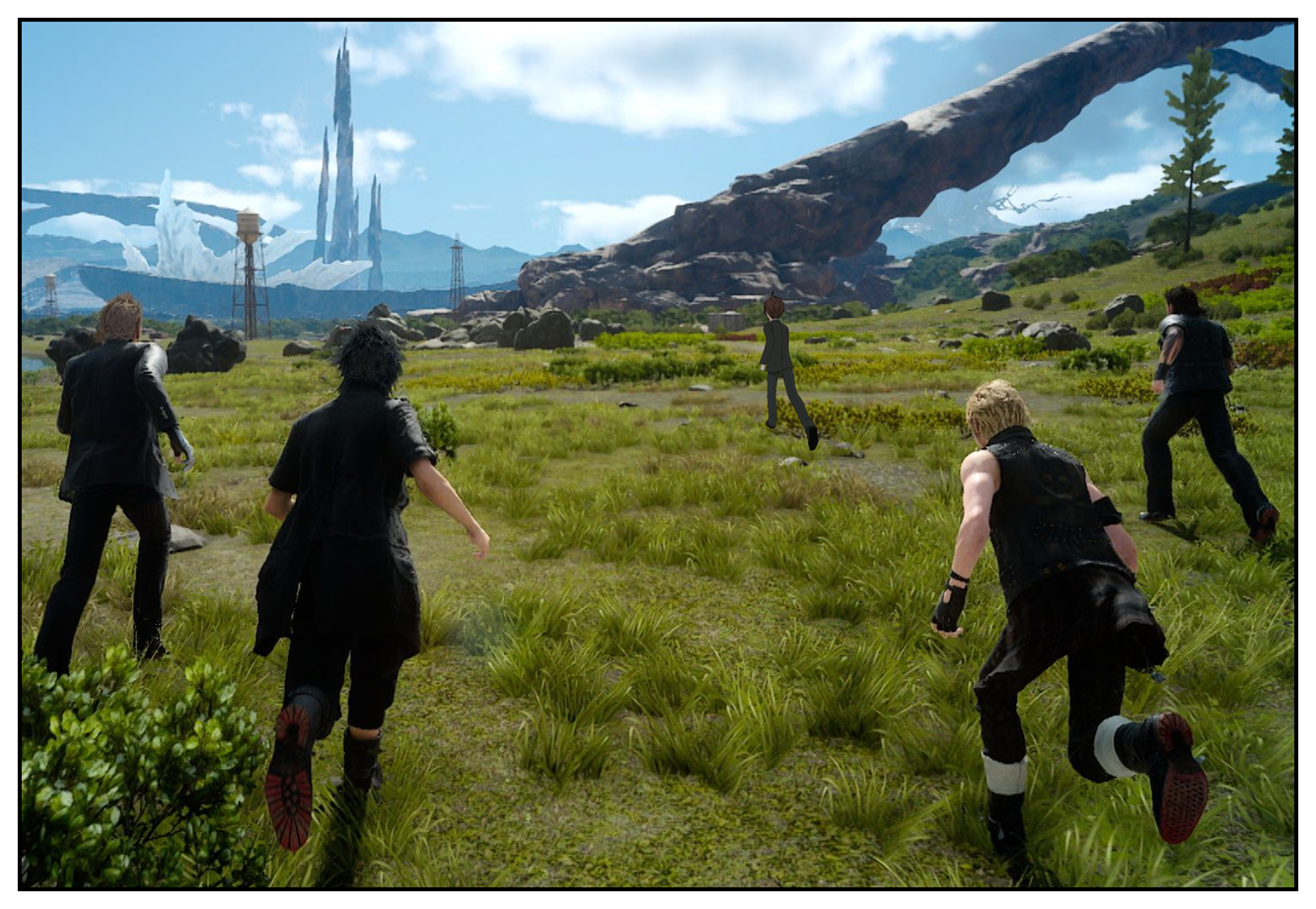
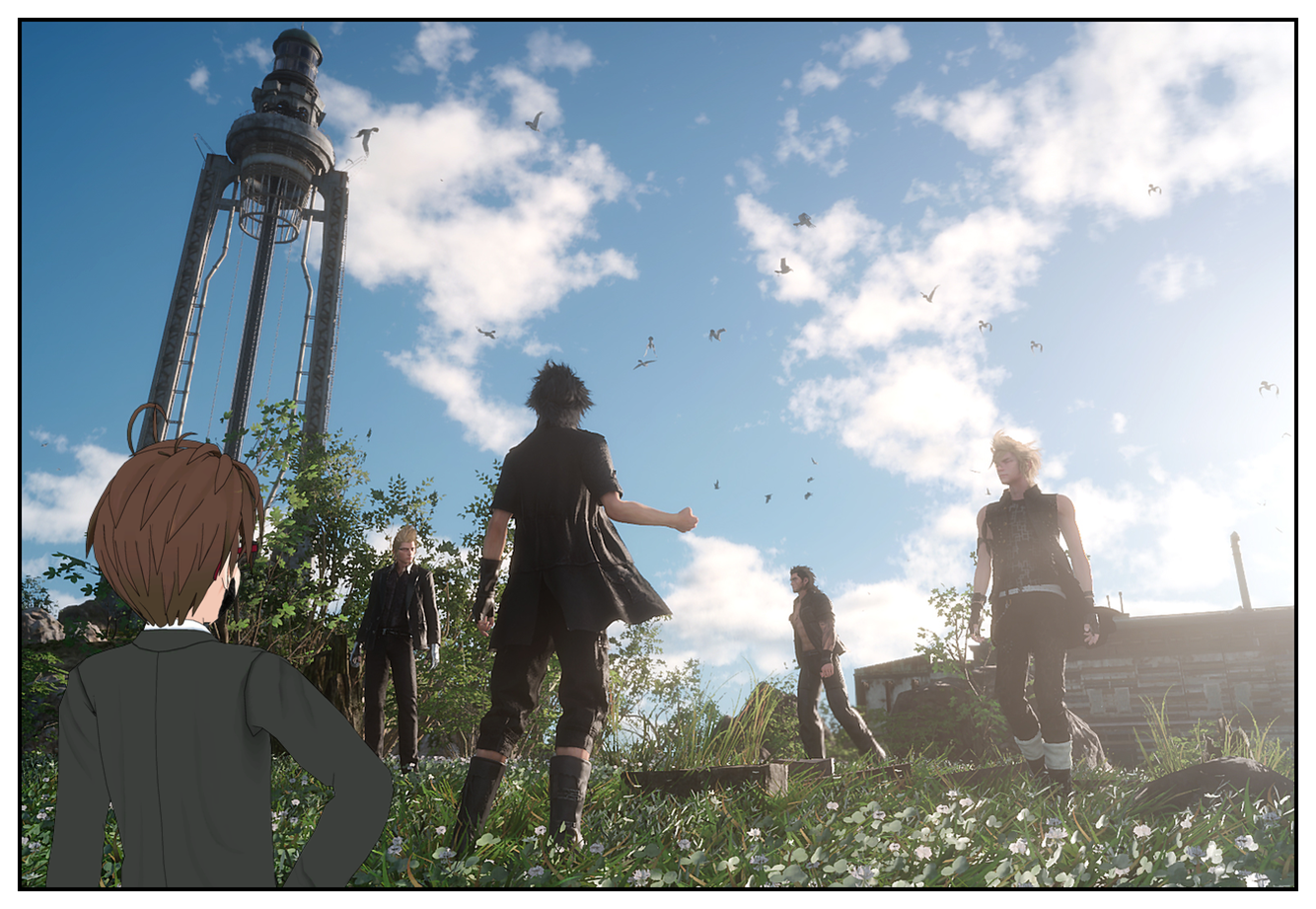
There are lots of contributing factors to this, but the things that come immediately mind today both relate to Final Fantasy VII Revelation, the upcoming third and final part of the Final Fantasy Remake project. We have a release date for it at last — April 8, 2027 — but two things came to light today which pissed me right off: firstly, the fact that not one, but two pieces of DLC and an "expansion pass" have been announced for it more than half a year before the game has been released, and secondly, the physical editions on all platforms will require you to download the bulk of the game rather than installing it from disc, thereby making said physical editions almost completely worthless.
On the first point: you have spent three games telling this story which once took one 40-hour game to tell. Just include everything in this fucking final part.
Those who have embraced an "all-digital" future will doubtless not be bothered by the second point, but I am someone who has cultivated a collection of over a thousand physical releases across a variety of platforms, and a big part of the reason I have done that is as a sort of investment in my future entertainment: for the next significant number of years, I will be able to enjoy a whole variety of different video game experiences on a bunch of different consoles. And with this looking like it may well be the last generation of consoles I have any interest in whatsoever, thanks to Sony's plans to give up physical media and the adoption of the odious "Game-Key Cards" on Switch 2, it feels increasingly important to have all that stuff ready to play.
Now, for a lot of the stuff I've bought, I can just put it in a console and play it. It's one of the big reasons why I've bought a lot of limited-print stuff — I know a lot of people don't like those companies for various reasons, but one thoroughly admirable thing that pretty much all of them have committed to is only putting out a physical version when a game is finished. That means you buy it, you put it in, you play it. No downloading updates; no DLC (there have been a few exceptions to this, but for the most part anything that was once DLC is included in these physical versions) and no requirement to be connected to the Internet. You know, like physical media always was prior to everything we own being perpetually connected to the Internet, and gradually, slowly but surely, getting increasingly fucked-up over time?
This news for Final Fantasy VII Revelation fucks with this, though. I have copies of Final Fantasy VII Remake and Rebirth that I can install from disc and play right now, even if my Internet connection isn't working — or, in the years to come, if Sony were to decide to just switch off the servers that were delivering downloadable game files to people. Were I to buy a physical copy of Revelation, though, I would not be able to do that, because the whole game isn't on the damned disc. So what happens if, in 20 or 30 years, assuming I'm still around and capable of playing video games at that point, I decide I want to replay the entire Final Fantasy VII Remake trilogy? I just… can't play the last bit if the servers are no longer online?
And you might think that's an extreme scenario, but there are games I have on my shelf that are 30+ years old that I am still pulling down and playing. And I will continue to play an original copy by choice if it is available. So it's entirely possible that multiple decades from now, I will want to play something that was released in the 2020s.
Of course, it's also possible that in the future, storage costs will continue to plummet, and it will be practical to have some form of storage device loaded up with a huge library of PS5 and Switch 2 games, just like I have a chunky SSD full of everything from Atari 2600 up to PlayStation and Saturn games hooked up to my MiSTer. At that point, physical copies may well have ceased to matter.
Couple all this with Sony's eagerness to fight the apparently mistaken assumption that we are "buying" games when we click the "buy" button in their "store", and it doesn't give one a lot of hope for the long-term preservation of what is still, at its core, an incredibly exciting creative, artistic medium.
At this rate, we're going to have everything up to about PlayStation 2 preserved perfectly, but after that things are going to start getting a lot more patchy. No pun intended, given the additional considerations that post-launch updates bring to the table.
I dunno. Maybe I shouldn't bother thinking about this stuff. It's entirely possible that by the time any of my concerns actually start to matter, I'll be long dead. I just don't like seeing something that I have cared deeply about for my whole life continually make itself worse and worse and worse, all in the name of the "perpetual growth" rot economy and the pursuit of never-ending, continually unsatisfied greed. I don't want to feel that future generations simply won't be able to enjoy gaming the way I've enjoyed it for the last 40+ years. And it's hard to flip the switch to the "I don't care, just enjoy it now" setting, after so long of actually caring!
Want to read my thoughts on various video games, visual novels and other popular culture things? Stop by MoeGamer.net, my site for all things fun where I am generally a lot more cheerful. And if you fancy watching some vids on classic games, drop by my YouTube channel.
If you want this nonsense in your inbox every day, please feel free to subscribe via email. Your email address won't be used for anything else.