 I've been really enjoying Until Dawn so far. Not only is it one of the most impressive-looking games I've seen for a very long time — the lighting, character models, animation (particularly facial expressions) and overall cinematography are all gobsmacking — it's also one of the best "interactive movies" I've ever played, outdoing all of David Cage's work in terms of coherence, tension and emotional impact. (And I'm one of the people who actually likes Cage's work!)
I'm really pleased with how well it balances the interactivity of a game with the storytelling of a movie. Choices you make throughout are meaningful, and are often referred to later through conversations or consequences. Plus, even though everyone knows the worst possible thing you can do in a horror movie is "just go and see what that was", the game encourages and rewards exploration with hidden collectible items aplenty, each of which contribute to your clue database and help to unravel the several mysteries at the heart of the narrative.
One of the most interesting things about the game is how your choices affect the characters themselves. Each character has a series of "stats" reflecting things like how honest, brave, romantic and funny they are, and the way you choose to have them behave throughout the game affects these stats, which in turn determines how they behave in certain other situations. Alongside these stats are relationship values that increase and decrease according to your choices throughout the game — again, with consequences at certain junctures according to how much the characters like each other.

The game makes effective use of its multiple characters as a means of presenting the player with different perspectives on the story. Individual characters by themselves might not know exactly what is going on, but by seeing what is happening to each of them, you can start to put the pieces together yourself. Like a visual novel, the game also encourages repeat playthroughs to discover all the collectible clues and piece together what happened, and I can already see a number of obvious branching points based on decisions I've made — with some of the more drastic choices resulting in the (apparent) death of one or more of the characters. (I say "apparent" because the game has pulled the "that person couldn't have survived that… unless…" thing more than once so far — plus it's apparently possible to get through the whole thing with everyone surviving.)
It makes nice use of timed decisions and quick-time events, too. Quick-time events are loathed and detested by an awful lot of people, but I've actually rather liked them since the phrase was coined way back in Shenmue. Until Dawn makes relatively sparing use of them throughout, and they help add a great deal of tension to already nerve-wracking scenes that have made my palms sweaty more than once. Perhaps the best part of the game's use of quick-time events, however, is the fact that the game occasionally requires you to not do anything at all — literally. "DON'T MOVE!" urges the screen, and the game begins tracking your real-life movement through the motion sensors in the controller. It's hyper-sensitive, too, so the slightest movement and you'll be discovered. (You can, of course, cheat the system by resting your controller on something, but it's more fun to grip it tightly in your hands and hold your breath.)

On that note, it's also gratifying that in a number of situations, not making a choice is also a valid choice. I liked this when I saw it in visual novel/interactive anime School Days HQ; I liked it when Telltale used it in some of its games; and I like it very much here. Until Dawn takes School Days' approach on a number of occasions — presenting you with a single (rather than binary) choice on screen and giving you a few seconds to decide whether or not to do it. These choices usually involve choosing whether or not to use violence to solve a situation and have tight timers, so you have to think fast about what the consequences might be — or simply throw caution to the wind and try to deal with whatever happens a bit later.
I have a few more chapters of the game still to go, and the story has thrown up some interesting twists that I sort of half-saw coming but wasn't sure about — I'm generally not all that great at spotting twists ahead of time, I must confess — so I'm intrigued to see where it all ends up, and who, if anyone, is going to walk away from that mountain retreat.
It's been a great experience so far, and I can heartily recommend it to anyone looking for something a bit different from the usual "run and gun" nature of triple-A spectacles.
 I grabbed a copy of new PS4 game Until Dawn today. I haven't been following the development of this game at all, but what little I had heard of it sounded enormously intriguing, so I decided to give it a shot.
 Astute long-term readers will notice that I haven't been talking much about Final Fantasy XIV recently. And the reason for that is simple: I just haven't been playing it that much.
 Been playing some more
  I'm never quite sure how I feel about so-called "walking simulators" — that subset of first-person games that first appeared with the original Half-Life mod version of Dear Esther, and which has subsequently spawned all manner of variants, including The Vanishing of Ethan Carter, Gone Home, a remake of Dear Esther and The Stanley Parable.


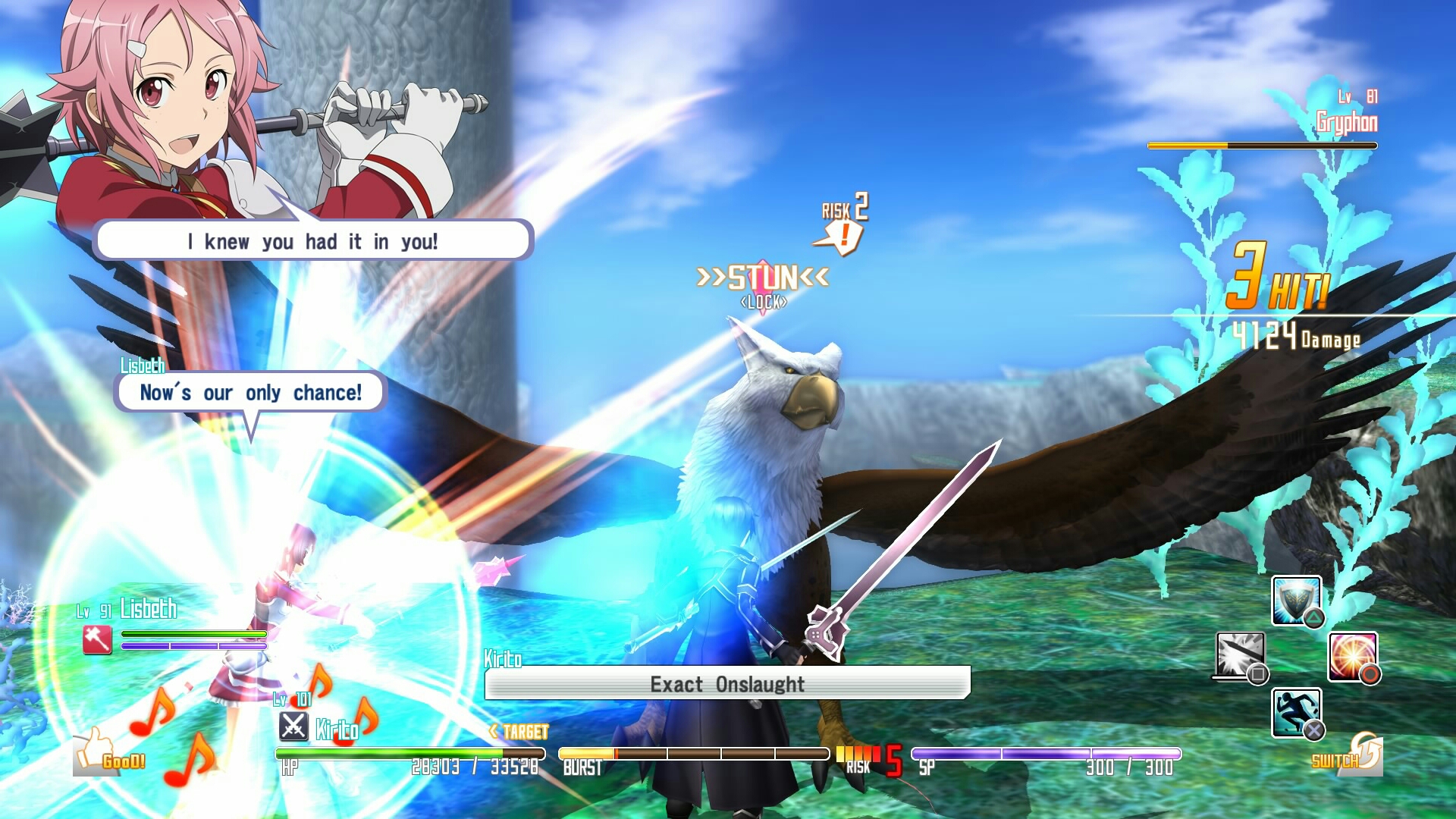
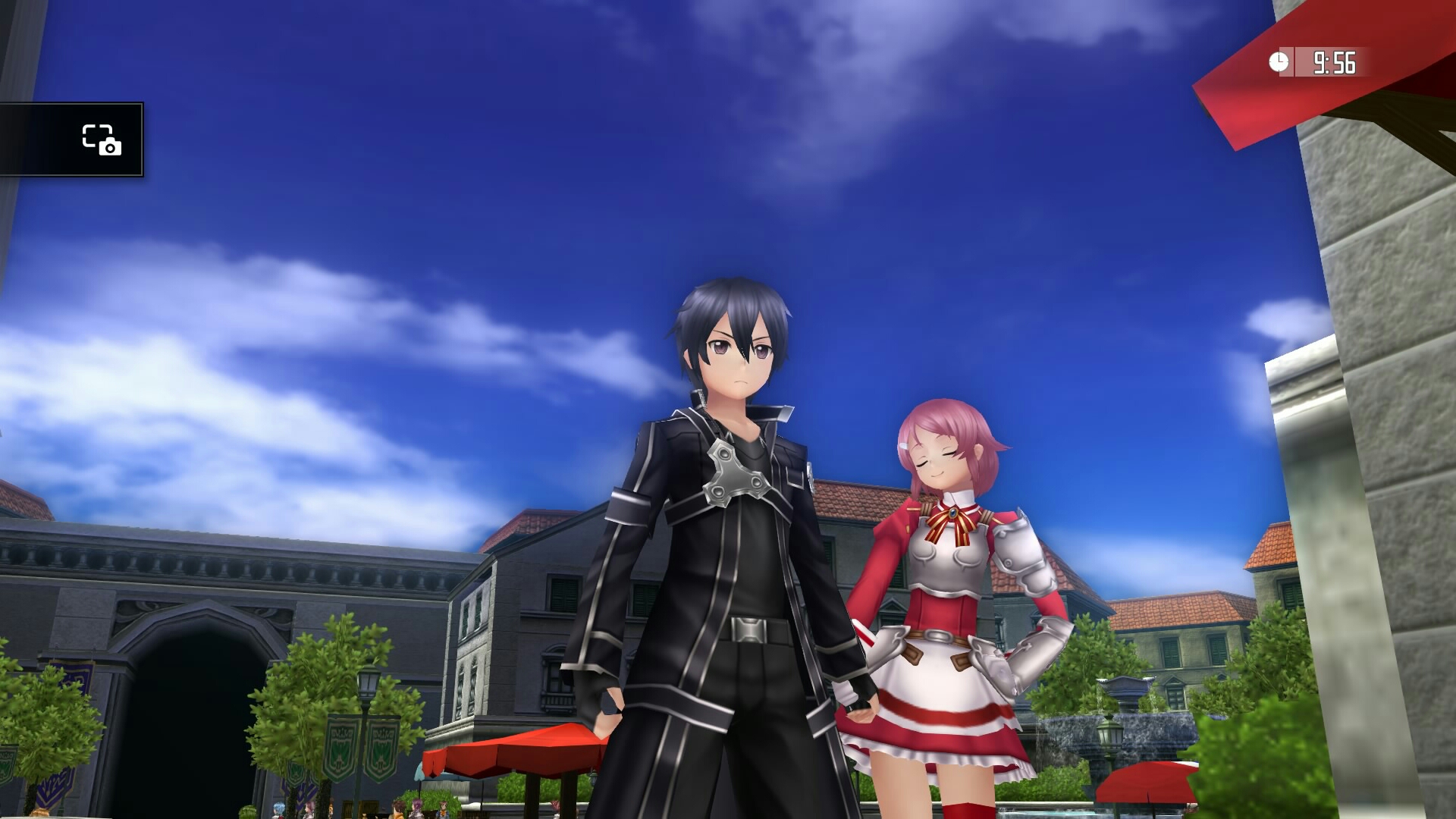
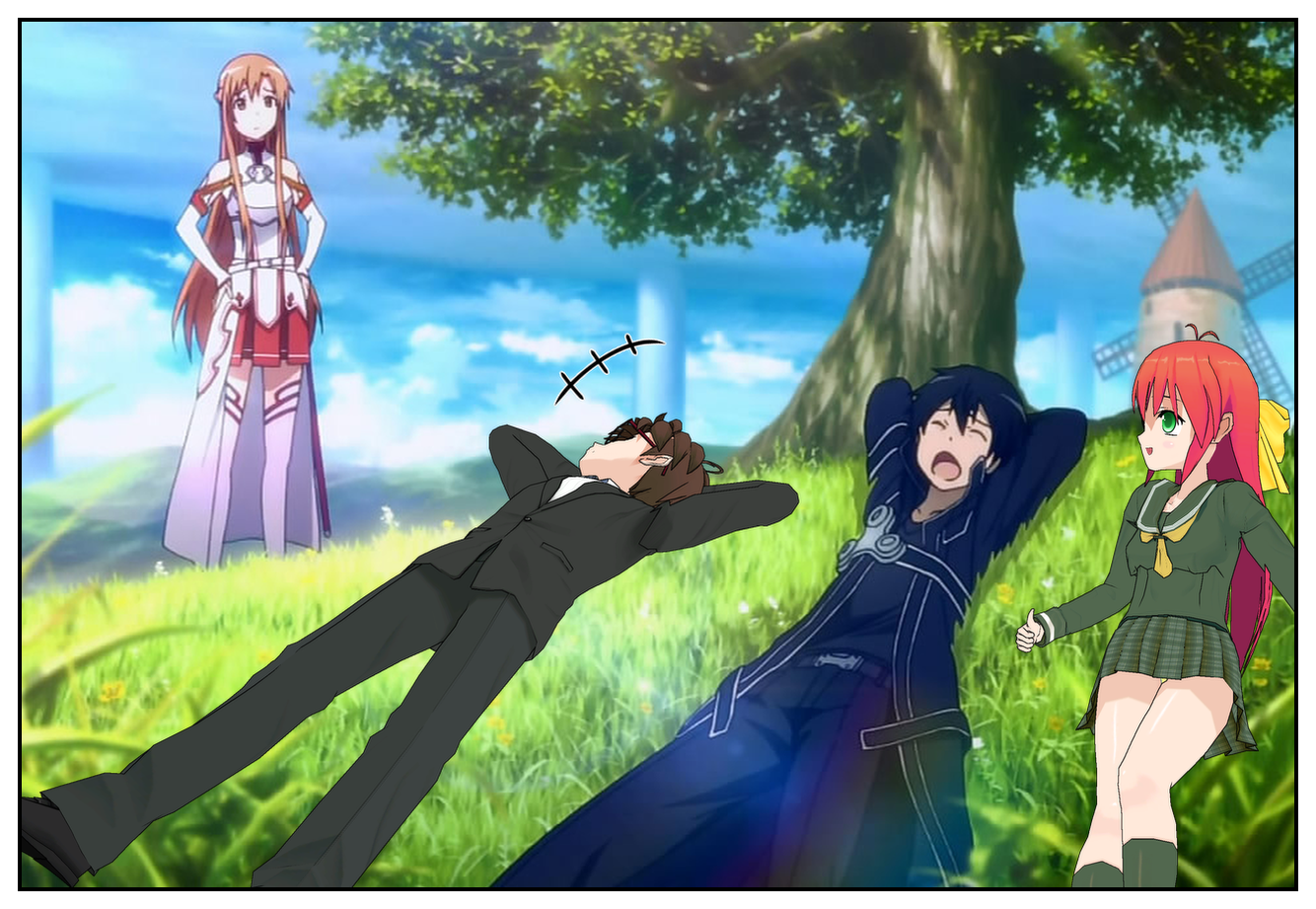 The next "big game" of the moment for me is Sword Art Online: Re: Hollow Fragment, a PlayStation 4 rerelease of an earlier Vita game, which itself was an expanded version of an even earlier PSP game. The Vita version had a notoriously dreadful translation, but I'm pleased to report that the PlayStation 4 version is at least readable — though the conversation system is still bafflingly nonsensical at first.


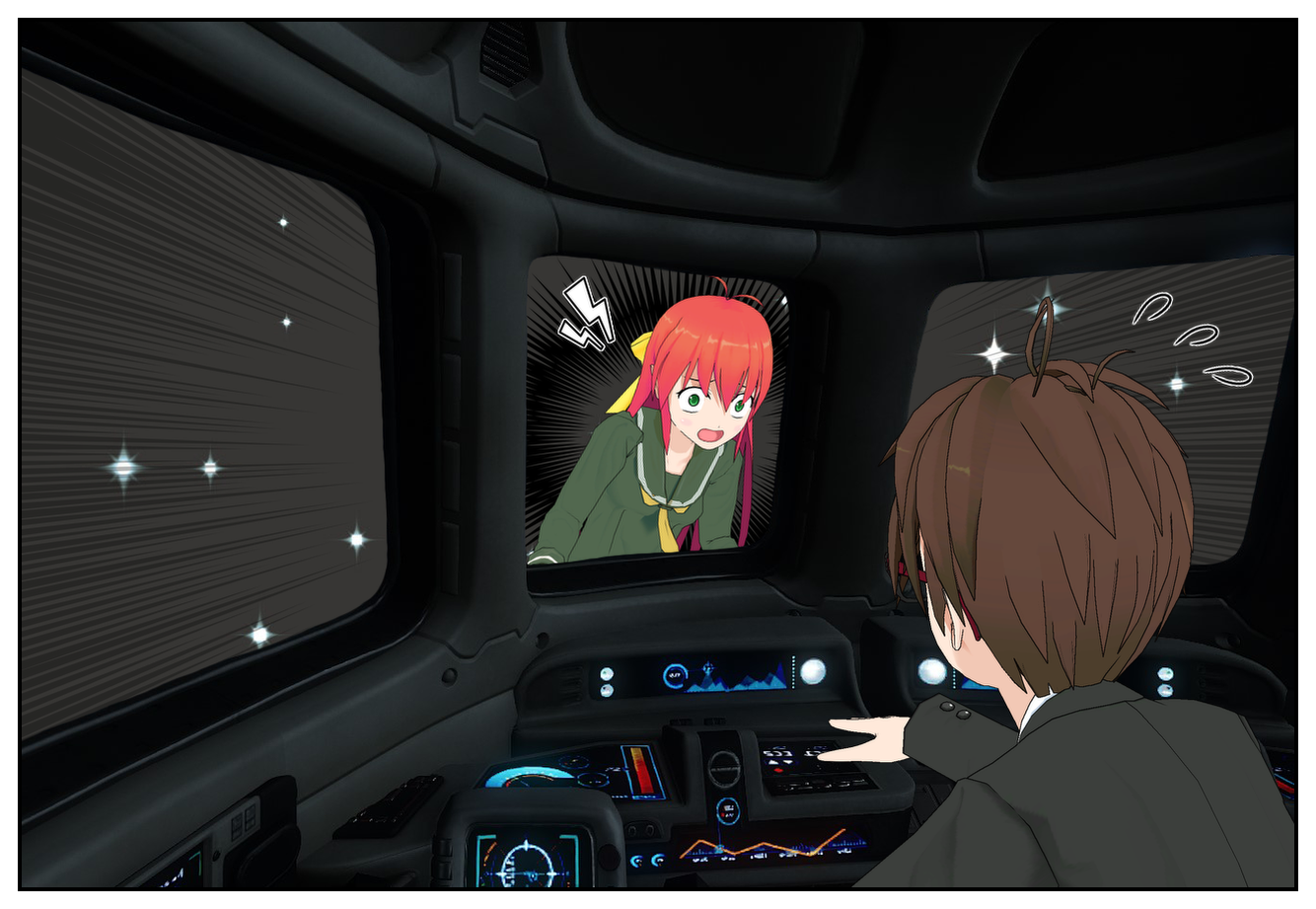 Been playing some Galak-Z on PS4 today. This is a game I've had my eye on for a while, and it's finally been released.
 Been experimenting a bit more with video today. Specifically, I had a play with the PlayStation 4's app ShareFactory, which allows you to take video clips and screenshots you've saved while playing PS4 games, then edit them together with commentary, music, transitions and effects into something that can then be rendered and uploaded (almost) directly to YouTube, Facebook or DailyMotion.
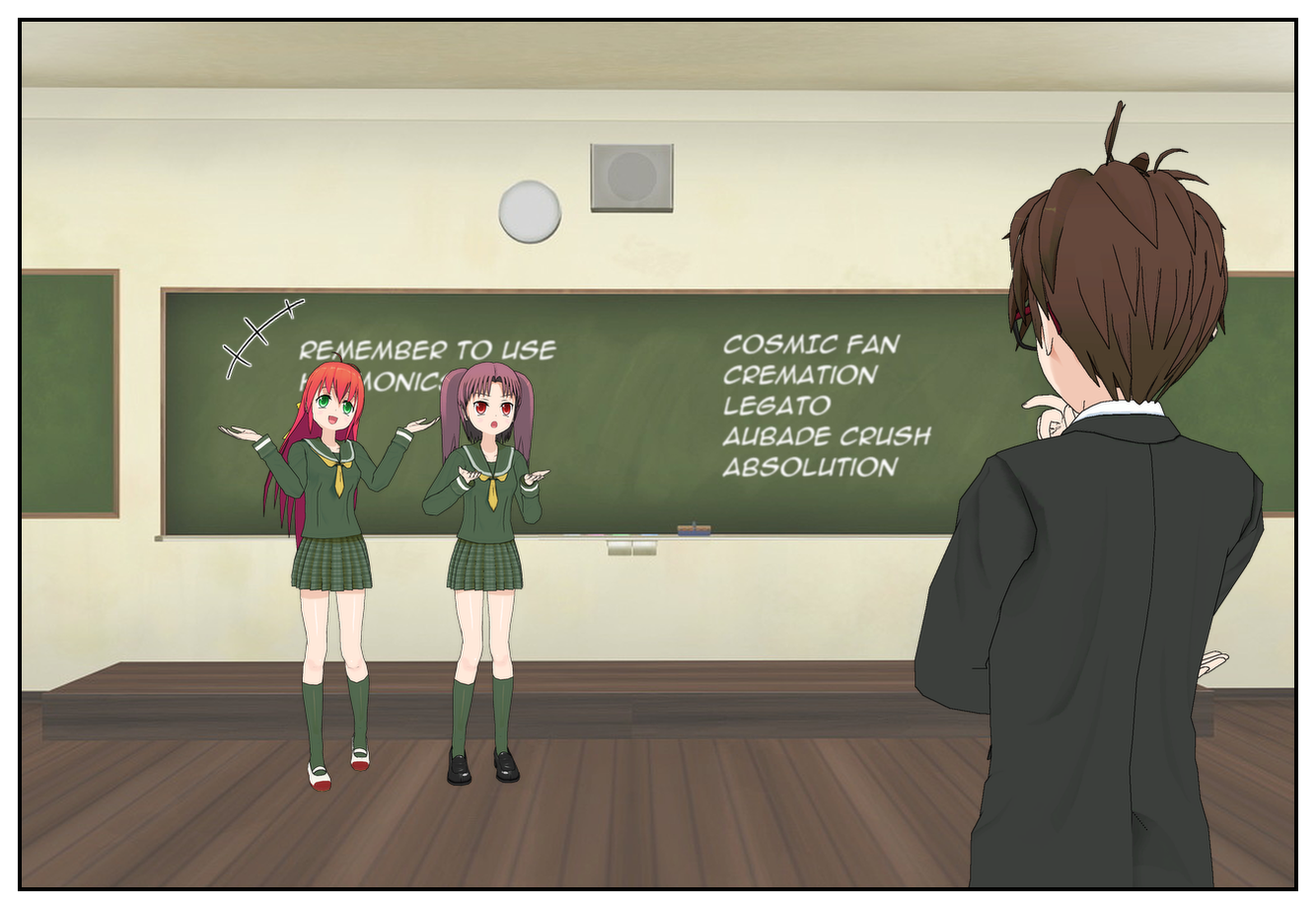 I finally finished getting the Platinum trophy in Omega Quintet this evening, and feel I've had a thoroughly satisfying time with that delightful game. It remained fun for all of the 170 hours I played it for — excluding the Order Break-happy bosses in the DLC dungeons, which can fuck right off — and I'm pleased that Compile Heart has got off to a running start in the PS4 era.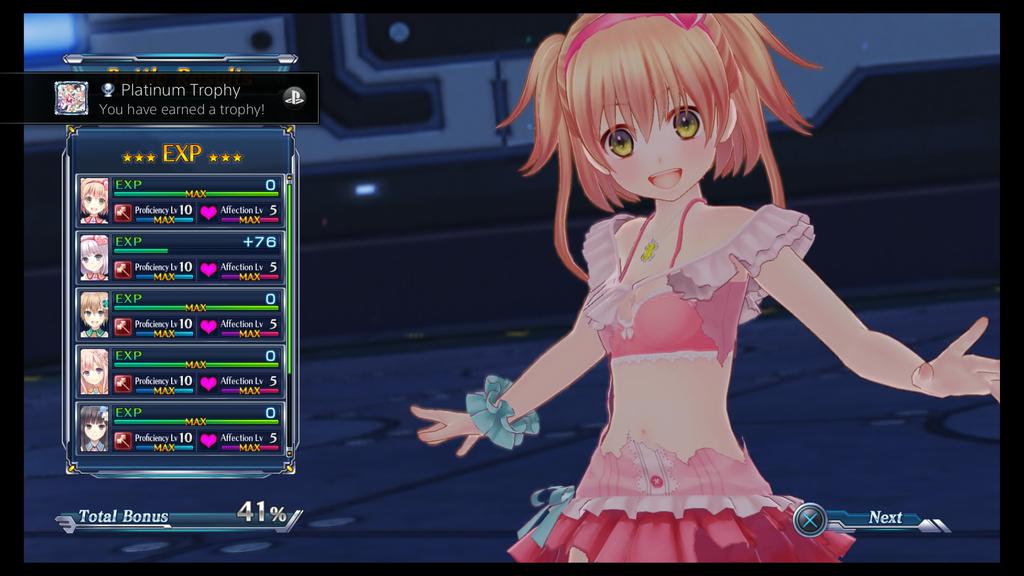
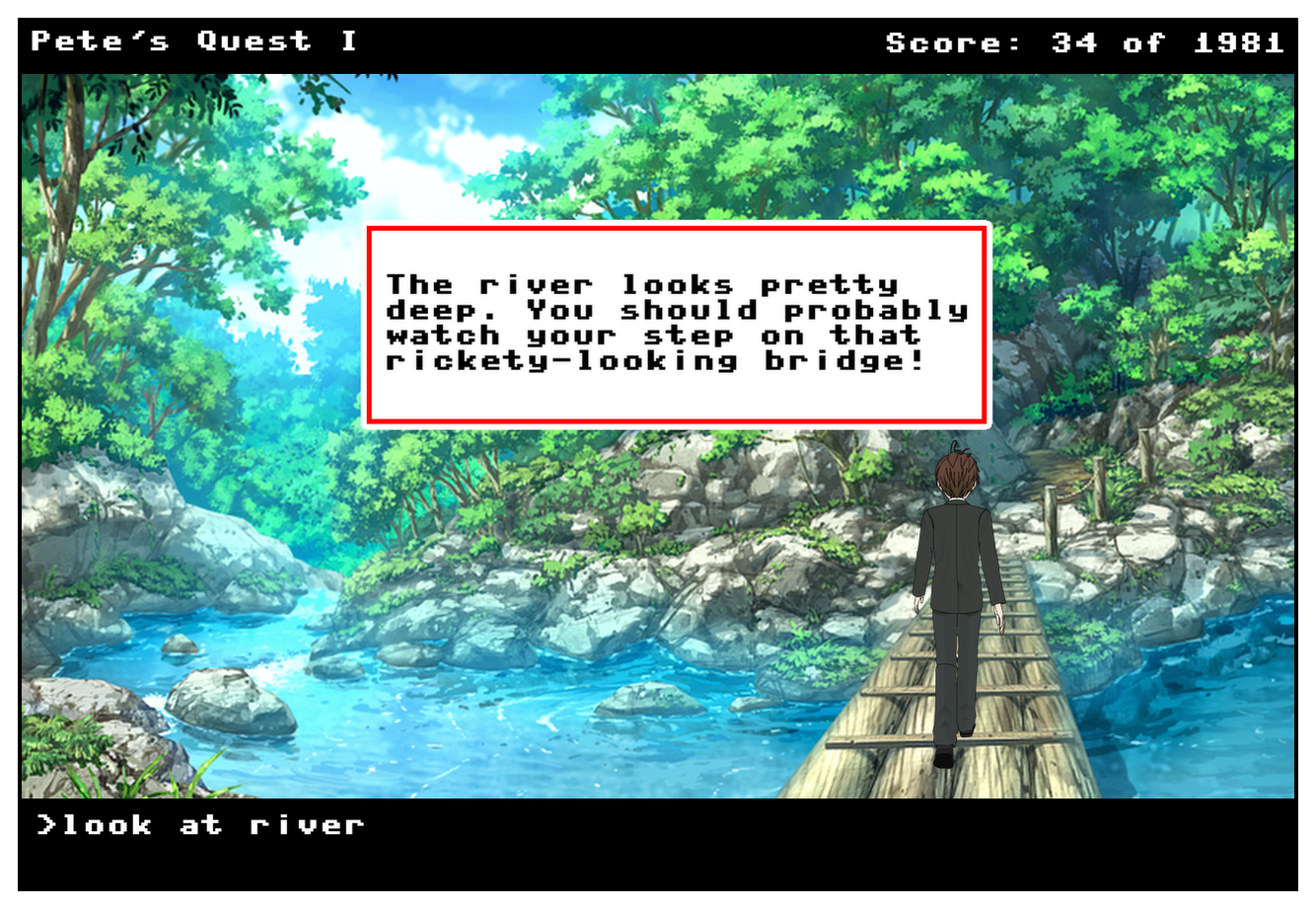 It's weird to see a new King's Quest game on sale. I haven't tried it myself yet — I'm probably going to — but the early buzz surrounding it is very positive indeed, even sans involvement from series creators Roberta and Ken Williams.