1827: Before Before the Fall

Well, here we go. The servers are down for maintenance, to come back up in 11 hours at the time of writing, and then the grand finale of Final Fantasy XIV: A Realm Reborn will be officially underway. I'm excited.

Before the Fall is the official name for patch 2.5 for Final Fantasy XIV's wonderful reboot A Realm Reborn, and it brings the main story that launched back in August of 2013 to a close… almost. Actually, tomorrow's release is just the first of three parts to the finale which is going to unfold over the course of the next three months, ultimately leading into the official expansion pack Heavensward, which is estimated to arrive sometime around April. (Just in time for my birthday!)

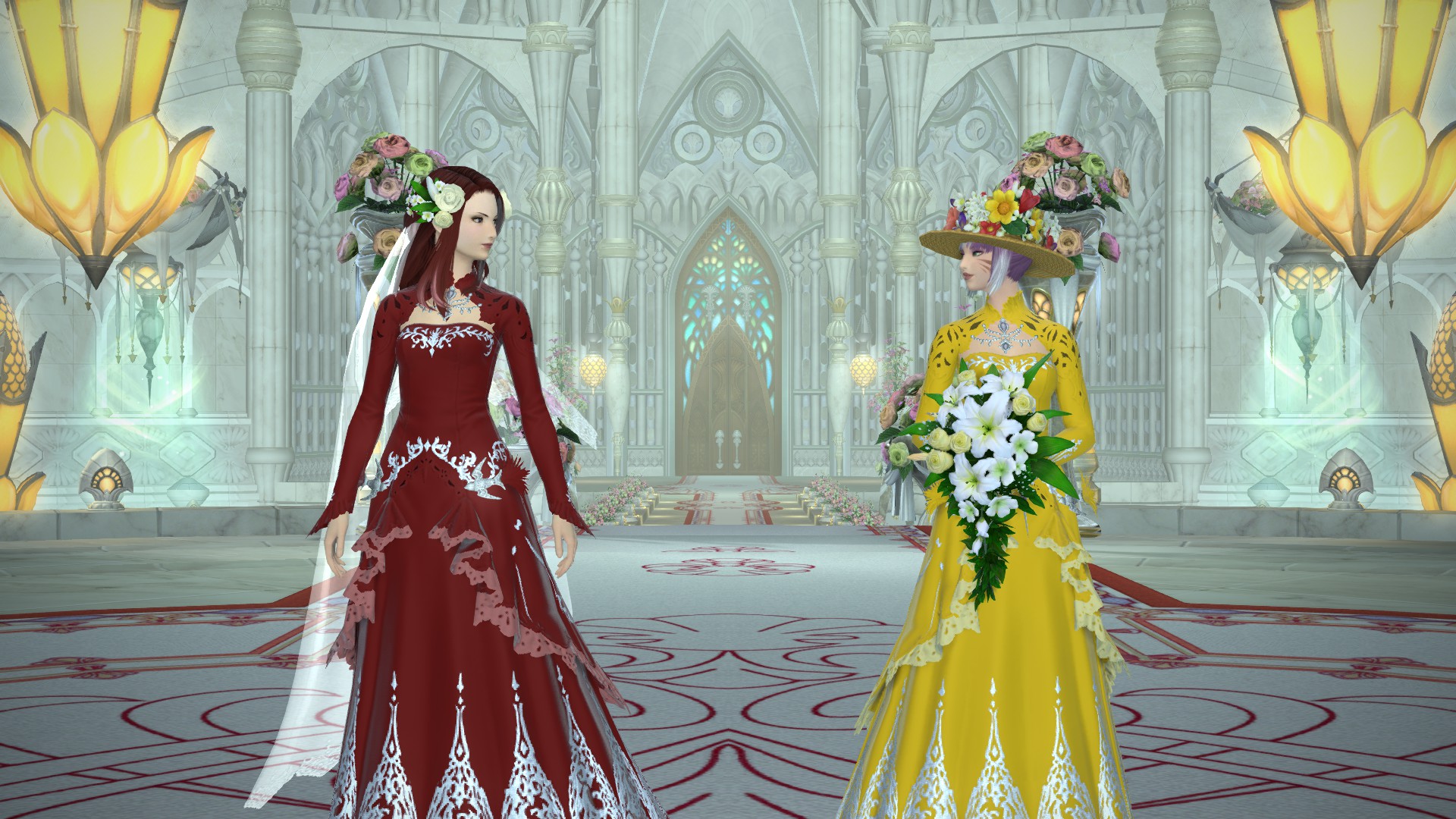
2014-07-24_00001

Why am I excited? Well, aside from the fact that Final Fantasy XIV's ongoing story has actually been very good, it's also the first time I've played a game like this through one of its transitional periods from "vanilla" to "expansion". I played a bunch of World of Warcraft back in the day, but it wasn't until Wrath of the Lich King was out that I actually made it to the level cap, and by then I already had two expansions worth of content to work through owing to the fact I had played it somewhat sporadically rather than with any great sense of commitment. Final Fantasy XIV, by contrast, is a game that I've been playing since its beta period back in 2013, and have been in love with ever since — partly due to the fact that it's simply a very good, very well-designed game (for the most part, anyway — everyone who plays has at least one thing they'd change if they had the choice!) but also due to the fact I've been lucky enough to have a regular group of people to play alongside, many of whom have been there since day one.

That sense of camaraderie, of having been through things together, of having "seen some shit", can't be understated. We may just be people scattered around the world playing a game together, but we've done a lot of different activities together. We've struggled from level 1 to level 50; we've put an end to Ultima Weapon's reign of terror; we've flattened the Primals of the land several times over; and we've started (or, in some cases, finished) to discover the truth behind elder Primal Bahamut and the fallen moon Dalamud. We've gathered legendary Relic weapons and powered them up through numerous lengthy and demanding quests; we've (well, I've) spent more time than strictly necessary putting together the perfect "look" to go adventuring with; we've crafted thousands upon thousands of metal ingots, meat pies, magic potions and deadly weapons. It hasn't always been easy, it hasn't always even been fun, but a core of us have stuck together through thick and thin and forged some close friendships as a result. And, of course, this happened.

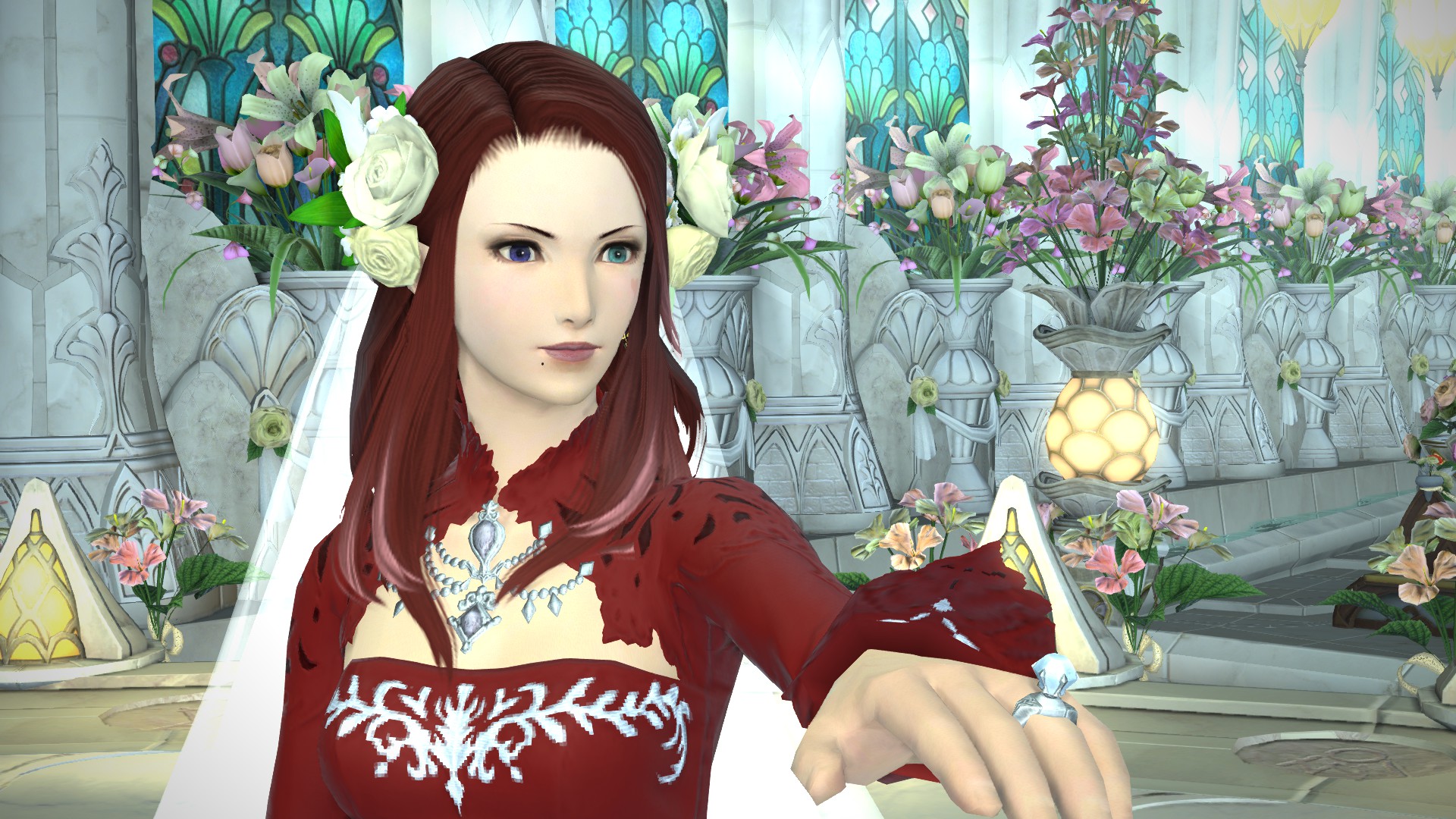
2015-01-07_00002

This is, I'm aware, the third Final Fantasy XIV post I've done in a row — and with the patch launching tomorrow I can pretty much guarantee there's at least a couple more still to come. What that should tell you is what an entertaining and fun part of my life it's become over the course of the last year and a half or so; at this stage, it's more than just a video game: it's an activity I can enjoy with friends, and one I hope I can continue to enjoy in this way for many years to come.

Twelve bless you, Yoshi-P; you've done the Final Fantasy name proud and created an experience pretty much unlike anything else I've ever enjoyed in all of gaming. Here's to many more years of adventuring.

1826: Nael Deus the Darnus Things

Sunday night is raid night!

Sunday nights are rapidly becoming a highlight of my gaming week. It's the first time I've had a dedicated static raiding group to play an MMO with, and Final Fantasy XIV's raids are one hell of a lot of fun if you're with the right people — people who know their stuff, but who aren't above having a bit of fun with the experience.

For those who are less up on the MMO lingo, a "raid" is differentiated from regular dungeons and other, more casual-friendly multiplayer content by virtue of its difficulty, which primarily comes from the need to be organised, communicate and take responsibility for the things you're supposed to be responsible for. There's little room to be "carried" in raids, particularly if you're playing content that's on the (relative) bleeding edge, though if you're playing older stuff that people have since outgeared (and, in Final Fantasy XIV's case, the raid itself has also been made easier over time, too) there's a certain amount of margin for error.

Tonight our regular group tackled the final two Turns in the Second Coil of Bahamut, the second of three hardcore raids that are currently in Final Fantasy XIV. These raids are multi-part challenges that task eight players with working together coherently, and get consistently more challenging as you go through. The final Turn in each Coil is the most difficult by far, taking in very complicated mechanics and demanding that everyone is playing at absolute peak potential. A big stumbling block for a lot of players is Turn 5, the last Turn in the first Binding Coil of Bahamut, in which you take on the very angry dragon Twintania, but we successfully cleared that a while back without too much difficulty. The Second Coil of Bahamut is significantly more difficult throughout for the most part, but we've gradually worked our way through each Turn in… well, turn, and now we've arrived at the next big wall to scale: Turn 9 (also known as The Second Coil of Bahamut, Turn 4).

Turn 9 is the most complicated fight I've attempted in Final Fantasy XIV to date. It's an incredibly daunting prospect, but it's a good example of what raiding is all about. It's not a fight you can just jump into and hope for the best; it's a fight where you need to know what you're doing, what you're responsible for and how to deal with the various situations the encounter presents you with.

Turn 9 is so complicated because, like most fights in the game, it unfolds over the course of several discrete "phases", but unlike many other fights in the game, each phase is completely different from the previous and would be mechanically complex enough to be a single conventional encounter in its own right. Tonight, we spent nearly an hour attempting it, and we managed to just about get our heads around the first phase after a bit of practice and a lot of initial bewilderment. There's a hell of a lot going on, and it's initially very difficult to work out what you might be doing wrong when everyone suddenly dies at a moment's notice. As you try again and again, though, you start to notice things; you start to recognise patterns in the boss's attacks, you start to be able to predict what's coming next and you figure out the best way for you to successfully handle your own responsibilities, until eventually you reach a stage where you can effectively run it on autopilot.

This is the way to handle Turn 9. Because it's so long and daunting, it's not an encounter you can just give people a simple explanation of and plough through without any difficulty. Rather, it takes time to learn each phase and to perfect the way your own unique group composition handles it. Getting things right is exciting and enjoyable, and successfully reaching a milestone in the fight — like the changeover between phases — is cause for celebration.

This evening, we successfully cleared the first phase, which involves everything from trying not to get meteors dropped on your head while ensuring that they are dropped in helpful positions for later to getting zapped with a rather unpleasant Thermionic Beam. Oh, and the main tank (which, for part of our run, was me) keeps exploding throughout the fight, too, which is nice for them. It's tense, and a lot of pressure on everyone, but it's a huge amount of fun to challenge with people you've come to know, enjoy the company of and trust.

I'm really looking forward to our next attempt, when we'll hopefully be able to survive for more than ten seconds when a bunch of nasty golems appear and try to kill us!

1825: The Happy Couple (or: How I Proposed For Real in #FFXIV)

It occurs to me that a Big Life Event happened during the period when I was doing creative writing on this blog, and thus those of you who only keep tabs on what I'm up to through this site won't be aware of it. So now seems like as good a time as any to share the happy news that Andie and I got engaged, and we're getting married in June of this year.

You probably want an engagement story, don't you? Well, all right, then. Settle down and I'll tell you one.

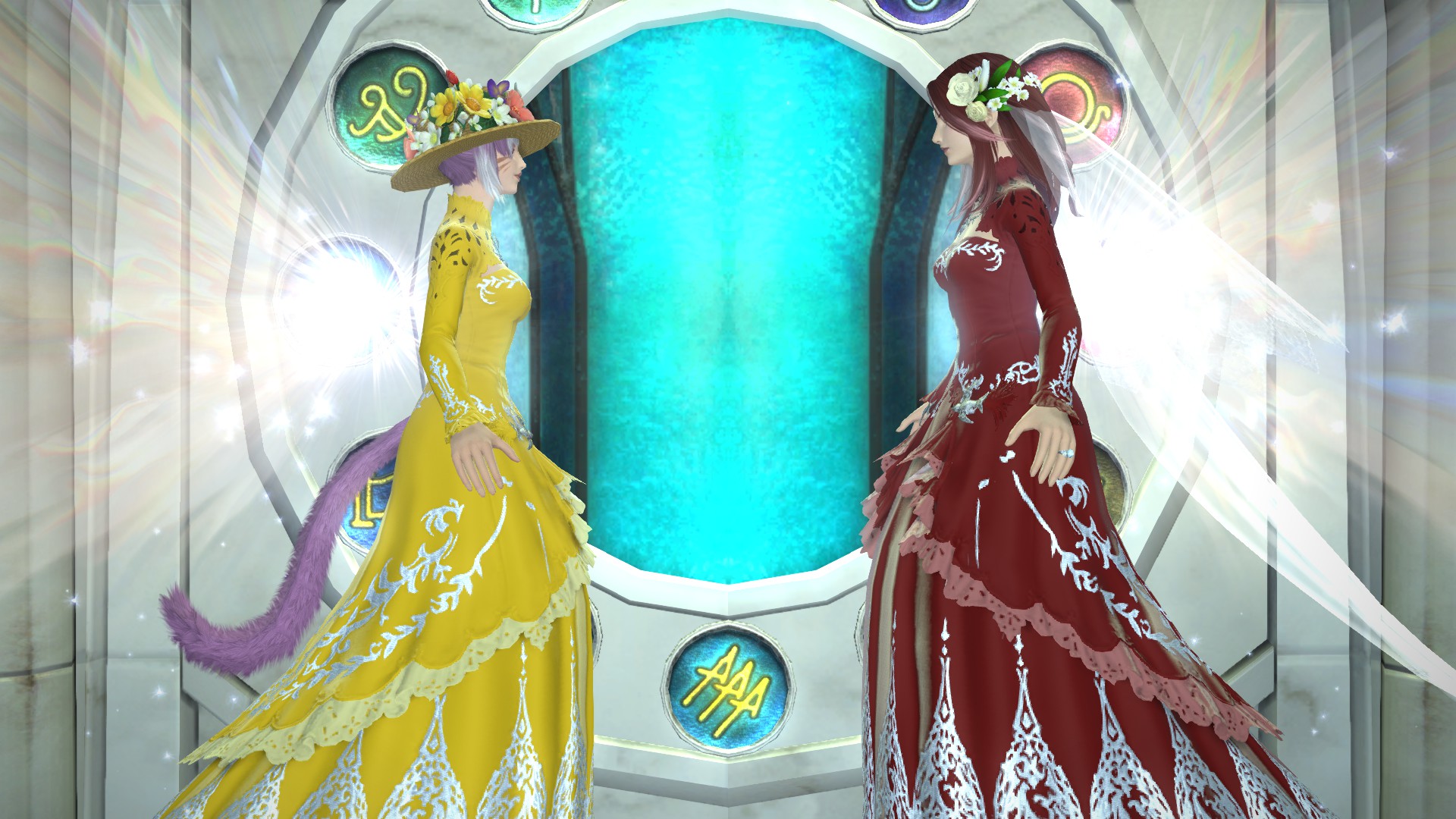
2015-01-03_00001

As regular readers will know, Andie and I are both regular players of the massively multiplayer online RPG Final Fantasy XIV: A Realm Reborn. In a recent patch, developer Square Enix added the facility to perform a "Ceremony of Eternal Bonding" with a partner in the game — getting married, in other words. Any character can marry any other character, no matter their gender or race, making it a wonderfully inclusive part of a game that was already extremely inclusive to begin with. I mention this latter fact because Andie and I both play female characters: mine is Amarysse the Hyur Midlander (essentially a relatively normal-looking — albeit "Final Fantasy attractive" — human-type female), while Andie's is W'khebica the Miqo'te (a race of people with cat ears and tails).

As soon as the Eternal Bond stuff launched, Andie and I knew that we wanted to indulge in it. It's ultimately a silly thing that doesn't have a huge amount of relevance to the game as a whole — your main benefits for getting married are that you get a ring that allows you to teleport to your spouse's side once every 30 minutes and, depending on which package you signed up for, some of which cost real money, a selection of goodies including wedding attire, a two-seater chocobo mount and a minion to give to all your guests when they attend your ceremony — but we still wanted to do it. I also think it's quite a nice way to acknowledge a real-world relationship in the game itself — though, of course, there are plenty of people who are getting married just for fun.

Anyway. Andie and I got up early on Boxing Day to book our ceremony. Yes, you actually have to book; ceremonies occur at specific times on specific dates, so we had to get in early in order to get a practical slot. Given that we play alongside a lot of Americans, we wanted to book it for an America-friendly time that was also not in the middle of the night for us, so we eventually settled on Saturday January 3 in the evening our time, since you have to book at least a week in advance.

2015-01-03_00009

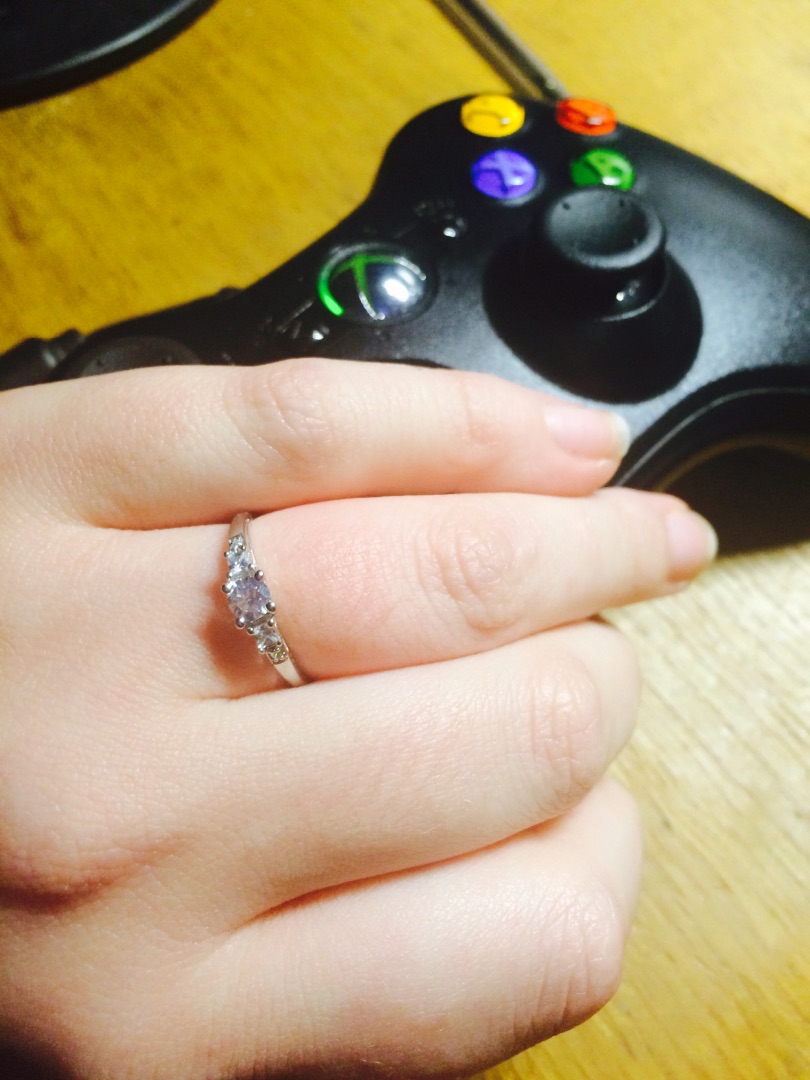
Now, since we'd been talking about getting in-game married ever since the possibility was launched, I'd been pondering secret plans in the run-up to this, and decided that yes, I wanted to put those plans into motion. I had not-particularly-subtly hinted to Andie that I might be interested in buying her a shiny ring, and invited her to indicate a selection of acceptable choices that would not cause me to be thrown out on the street or anything. I did some research, shopped around and eventually settled on one that she'd indicated she particularly liked. I finished work early on New Year's Eve and snuck into town to see if they had one in stock. They did, but not in the right size; I bought it anyway, as it was more that I wanted to have it as a symbol to go with the proposal than something I could put on her finger right away. (It transpired that she put it on anyway, got it stuck and we eventually had to go to A&E to get the damn thing off again! We now have one in the correct size.)

That was that; the plan was in motion, and there wasn't really any turning back now. Well, sure, I could bottle it and save the ring for another occasion, but really, honestly, our in-game ceremony felt like an ideal time to do it.

I set to work determining how I was going to do it, including worrying rather more than I probably needed to about whether I should actually ask the question in the game's text chat function, or just disappear from my keyboard for a few moments and ask her in person. (When we're both playing, she's on her computer upstairs while I'm downstairs in the living room, so it's not as if I could have just turned to her and asked her.) Eventually, I wrote a speech that I felt expressed what I was feeling adequately (albeit perhaps overdramatically) and resolved to deliver it during the twenty-minute period of the in-game ceremony where you are invited to exchange your vows with your partner. Most players who are doing the wedding thing for fun skip over this part or just allow their friends to set off some fireworks, cheer, whoop and holler, but it seemed like the ideal moment to me. So that was what I decided to do.

2015-01-03_00013

The day came, and we both logged on to play as normal. While it was tempting to surprise everyone with what I was up to, I decided that it would be prudent to share my plans with at least a couple of people so that I could ensure we had a decent turnout to our ceremony, and that people knew they had to behave themselves appropriately. I sent a "whisper" (private message) to my friend Cyra (aka Phil; we actually met him in the real world a while back when he happened to be in London the same day we went down to see the Distant Worlds concert) and informed him of my plans. He squee'd a bit (well, in a sort of manly way) and then told me to leave it with him; he'd inform some of the other regulars in our Free Company (guild) and between them they'd make sure people were 1) at the ceremony and 2) behaving themselves.

The appointed hour came, and Andie and I rode to the Sanctum of the Twelve in the East Shroud. Our friends were already gathered outside, and one had been crafting multiple copies of a hat that Andie's character habitually wears, then handing them out to the guests, so we were confronted with a crowd of people all wearing flowery hats. Then it was time to go in; Andie and I were escorted to our separate rooms to get ready, while the guests were taken to their separate waiting room to wait for us both to indicate that we were ready. We both changed into our wedding dresses, rang our Eternity Bells to indicate that we were ready, and then the ceremony began.

Conveniently, Cyra/Phil recorded the whole thing. You can watch it on his Twitch page, because WordPress doesn't want to embed the video for some reason. 🙂

And, well, this happened.

ring

1824: First Fantasy

I finished Final Fantasy I last night, bringing the first chapter in my Final Fantasy marathon to a close. And you know what? I really, really enjoyed it.

This may have something to do with the fact that I was playing the PSP version, also known as Final Fantasy Anniversary Edition, which has been substantially tweaked and rebalanced from both the original NES release and the subsequent enhanced PSone Final Fantasy Origins version, which I played last time I beat this first installment.

While there's an argument that it's worth experiencing the game in its original, purest, grind-heavy and rather difficult form — complete with its Vancian Magic system, just one of many influences the game drew from Dungeons & Dragons — the PSP version proved to be a lot more enjoyable generally. The pacing was better, there was a lot less running around in circles grinding — the original required you to do this to even beat the first boss, which appeared before the game's title screen — and the more traditional Magic Points system made some of the more lengthy encounters and dungeons later in the game somewhat more feasible.

Those late-game dungeons — four of which were added in the Game Boy Advance Dawn of Souls release of the game and the last of which was added in the Anniversary Edition release — proved to be really great, if a little bizarre. Collectively dubbed the Soul of Chaos, the first four extra dungeons live up to their name by tasking you with exploring 5, 10, 20 and 40 floors that feature set layouts but randomised floor orders and available treasures. There's not really a coherent theme to the dungeon floors as such — although the less interesting floors tend to be of an appropriate element to the dungeon's name: fiery caverns in Hellfire Chasm, for example — but the chaotic, unpredictable nature of them is what makes them interesting. On one floor you might be exploring a cave; the next you might be paddling a canoe around a flooded village; on the next, you might be attempting to navigate a maze of bookshelves while scholars mumble about their research and get in your way.

The final new dungeon, known as the Labyrinth of Time, was the most interesting by far, however. The Labyrinth of Time creates a new dungeon each time by picking ten different "puzzle floors" out of a selection of 30, then challenging you to beat these puzzles against the clock and with one or more of your abilities sealed off. The more abilities you seal off — and the more useful they are — the more time you have available to complete a floor. Run out of time and a dark miasma descends, damaging you every second and increasing the number of monsters you encounter.

The puzzles vary from simple observation puzzles, in which you have to answer questions about something you've just seen, to challenging physical tasks such as marching in line with a group of NPC soldiers. Like the Soul of Chaos dungeons, they have little to do with the overall Final Fantasy story — what little story it has anyway — but they're immensely enjoyable and challenging to complete. And then at the end of it all you have Chronodia, one of the toughest bosses in the game, to fight for ultimate bragging rights… oh, and the best sword in the game, too.

The first time I played Final Fantasy I, with the Origins release, I did so in order to understand the series' roots, and sort of had a good time, but found it a bit of a chore after a while. The PSP version, meanwhile, I found genuinely enjoyable, even from a modern perspective, and was inspired to go on and complete the game's most challenging content. I have absolutely no hesitation in recommending it to anyone looking for a fun portable RPG experience — and those of you without a PSP can even play it on your phone.

Onwards to Final Fantasy II, then, which I remember enjoying quite a lot the first time I tried it (again, with Origins) but which is widely regarded to be one of the worst installments in the whole series thanks to its bafflingly bizarre mechanics. For Fynn! Wild Rose!

1823: Pondering Free Time

I think I'm bowing out of the creative writing project for the moment. I may revisit it at some point in the future, but for now I need to stop. It's stressing me out a bit — not because of the subject matter which, as regular commenter Jud pointed out, is, to an extent, drawn from my personal experience (albeit not the more fantastic stuff), but rather because… well, look at the clock.

I got home from work about ten minutes ago. I am exhausted. I spend up to three hours of my day travelling to and from work thanks to an absolutely hellish commute that I can't see a way around (aside from just quitting, which isn't a practical or desirable option), which means that on weekdays up to 12 hours of my time is taken up with Stuff I Have To Do rather than Stuff I Want To Do. This makes the few hours I have in the evenings to actually do Stuff I Want To Do extremely precious to me, and churning out 1,500-2,000 words a day in a story where I'm not entirely sure where it's heading eats into that time and is starting to feel a bit like an obligation rather than something fun to do.

I like writing. I really like writing. I wouldn't have been posting this bullshit for 1,823 days if I didn't. But there are days when I need a break, and to relax, and to post something that just vents a bit of steam, or gives thanks to a higher power for an entertaining dog I saw on the street or something like that. I've always said with regard to this blog that the moment it starts feeling like work rather than something I actually want to do, I need to stop. So far that hasn't happened — it's come close a few times, but I've always managed to find something to write about day after day, even if the post ends up being little more than a glorified diary entry. (Still, those posts can often be the ones that spark the most conversations or give you, dear readers, the best insights into what goes on inside the messed-up mind I call my own.)

The stuff I've been writing, though, I need a break. That is feeling like work, and given how tired I am when I get in of an evening, more "work" is the last thing I want to think about. I want to sit down, have some dinner, watch some TV, play some games, go to bed and then repeat the whole hideous process over and over again until it's time for a weekend. (I really like my weekends now, which is one arguably positive thing about life having a proper job with the rest of the normal people.)

So, then, I'm sorry to anyone reading that this disappoints, but I've learned throughout my life that if you keep doing something when you don't really want to, you start to resent it, and any joy it once held for you is lost. I don't want that to happen with writing — creative fiction writing or otherwise — so it's time to take a step back, chill out, relax, and perhaps return to it at some point in the future. Or perhaps do something else entirely! Who knows. That's the joy of being freeform.

Anyway. I need to go and sit on the sofa, lean my head back and groan about how tired I am for a bit. Then eat dinner. Then play some games. Then… well, I went through the routine above.

Thanks for continuing to read!

1822: Untitled, Chapter 13

Wilkins walked down the street, the same street he had walked down many times before.

But this time things were different. This time, he was not in full control of what he was doing: this time, he was being pushed on to a destination he did not yet know against his will. This time, he was being controlled.

And he was aware of it, too. But there was nothing he could do about it. He remembered the suspect from the Stacey Barman case showing up, with something terribly wrong about his appearance, and shortly after that he'd become this… husk, this shell, this automaton, albeit an automaton that had consciousness and life behind its eyes, even if it wasn't in control of its own destiny.

The day was just beginning, but Wilkins knew it would be busy in the city. It was the first day of the big sales, and he was supposed to be part of the team ensuring that the crowds didn't get too out of hand. He hadn't expected them to, not in a peaceful city like this, but the force had considered it prudent to have a certain amount of presence in the area just in case anyone did feel like starting something.

He was dressed in his police uniform. He didn't feel like he deserved to wear it in his current state, but that was out of his control. He was being led ever onwards towards the centre of the city, and realised that whatever had him under its control — that Thompson character, he assumed — was sending him towards where the crowds would be.

But why? That was the question that kept rattling around inside his head, and he had no good answer — no good way of finding out, either, save for just letting this experience run its course. He didn't even have sufficient control over himself to speak, so he was unable to ask Thompson before he left, and now there was no-one to ask, no-one to plead with, no way of crying out for help.

He rounded the corner onto the main street, and saw the shopping area ahead of him. Although it was early in the morning, people were already gathering, waiting for the shopping centre to open, milling around, laughing and talking with one another. They had no idea of the Darkness that crept among them.

Wilkins walked into the thick of the crowd, most people moving out of the way respectfully as they saw his uniform. When he was right in the middle of the throng of people, he stopped and did nothing. He just waited: one minute, two minutes, three minutes.

What was he waiting for? The conscious part of his mind found how still his body was standing to be somewhat eerie; he imagined the people milling around him probably felt somewhat similar. In his experience, the average member of the public was somewhat awkward around police officers; under normal circumstances, he'd have found it quite amusing, but today, he felt that their unease with him was more than a little justified.

The doors to the centre opened and people started piling in. There was some good-natured bumping and joshing, but things didn't feel like they were out of control. Wilkins felt himself swept along in the tide of people, moving as part of the group as if it was a single living mass and he was just a cell that made up the organism as a whole.

As he entered the centre, he started to feel a change within his body. He felt an energy rising within him; it was warm, but unsettling. His head began to throb, and, blinking, he saw the world twist and shift before his eyes: what he knew as the "real" world shifting back and forth to the strange, dark world he'd caught a glimpse of before.

The energy continued to rise in him until he felt like he was going to explode. Then he did.

At least, it felt like it.

The energy was released from him in all directions in an explosive rush. Tangible darkness seemed to seep from every part of his body; black clouds billowing out all around him.

Some people gasped; others screamed; others still didn't seem to notice at all. The dark miasma swirled around them and seemed to be absorbed right in to some of the people; as this happened, they stopped what they were doing, became quiet and glassy-eyed, and just waited.

The noise was terrible and indescribable. Then the pain came, and Wilkins found himself suddenly in control of his body again as the dark energy continued to emanate from him. He sank to his knees, letting out a scream — the first noise he'd been able to make of his own free will for what felt like years — and collapsed to the floor, unconscious.

The dark miasma gradually stopped swirling and faded from sight. Those who had been touched by it and rooted to the spot found themselves able to move again, with no memory of what had happened before. Those who had witnessed the curious happenings suddenly found themselves unconvinced that they had really seen what they thought they had seen, and then they shrugged, went about their business and left Wilkins just lying on the ground, forgotten.

"Well, that went better than I expected," said the shadowy figure to Magnus. They had been standing nearby, watching the whole thing. Magnus didn't understand what was happening, but he felt that it probably wasn't a good thing. Given the frightening power on display, however, he thought better of acting immediately; he felt he needed to understand the situation a little better first. So he took the direct approach.

"What just happened?" he asked. The shadowy figure laughed.

"Well," she said. "You could maybe think of it as a… recruitment drive."

"Recruitment?" he asked. She did not elaborate. He felt he would probably find out soon — and that it probably related to the strange feeling of something being amiss that he had felt a short while ago.

1821: Interlude at the House on the Hill

It's late and I'm very, very tired so I will continue the creative writing tomorrow. Apologies to anyone following and absolutely desperate to know what happens next. (This also gives me a day to figure out what happens next, which is probably "cheating", but whatever.)

Instead, I wanted to talk a little about a board game I got for Christmas and had the opportunity to try out for the first time this evening. It's called Betrayal at House on the Hill, and it's a game I've had my eye on for a while since seeing it on Wil Wheaton's board gaming show Tabletop.

Betrayal at House on the Hill is an unusual and peculiar game in that it's sort of two games in one. The first part is purely exploration and treasure hunting: you and up to five friends explore a creepy old randomly-generated house, collecting treasures and "omens" and having various events occurring — some good, some bad, some strange.

At a particular point, "the haunt" begins. The longer the initial phase goes on, the more likely the haunt becomes, since its likelihood of occurring is tied to the number of omen cards in play at any one time. (Omens, despite their, well, ominous name, often take the form of useful items, so it's actually in your interest to collect them, even with the inherent risk they carry.)

When the haunt begins, several things happen. First of all, one of fifty different scenarios is chosen according to the omen drawn and the room it was discovered in. Next, at least one of the players becomes a traitor. In most scenarios, it's known which player is the traitor, but there are a few examples of "hidden traitor" scenarios where one person is secretly working against the others.

At this point, the remaining players and the traitor are, as you might expect, in direct opposition to one another, but the interesting thing when compared to other, mechanically similar games such as Descent or other dungeon-crawlers with an "evil" player is that the two groups don't have all the pertinent information about one another: each side has a book revealing only information relevant to their side, and the rest they must figure out themselves. This includes, in the heroes' case, how strong, fast and intelligent the monsters they're facing are, and even what the traitorous player's end goal might be. Likewise, the traitor doesn't necessarily know what the players are up to, though his material might give him a bit of a clue — and the players' behaviour might give him even more of a clue.

As an example, the scenario we picked this evening saw one player come across a madman in the house's basement, which triggered the haunt. Zombies rose from the dead, and the original player character was killed, leaving the traitorous player in control of the madman and the zombies. His objective was simply to kill all the other players — a task which he completed fairly effectively and efficiently. Our objective as the heroes, meanwhile, was to trap the zombies by luring them into rooms that had been important to them in life — we knew which rooms these were, but the traitor did not, and there were specific rules about how the zombies moved that allowed us to "pull" them in particular directions through careful, strategic movement.

Unfortunately, things did not go all that well. My character died almost immediately after the haunt began having been flung into the basement earlier, not being able to find the way back up the stairs, getting surrounded by zombies and finally, embarrassingly, succumbing to nothing more than the heat from a furnace beneath the mansion. The others, variously, were eaten by zombies and brutalised by the madman, leading the traitorous player to a convincing victory.

I enjoyed the game a lot. The rules are straightforward and quick, turns are snappy and the split-personality nature of the game makes it very interesting. The 50 different scenarios coupled with the randomly generated nature of the house means that there's a whole lot of replay value, too, so I'm looking forward to giving it another go sometime soon.

1820: Untitled, Chapter 12

[Back to the start.]


Dora was miserable. She didn't think she'd ever been so miserable, and the last person she would have expected to cause such misery would be someone claiming to represent the "Light" and the "greater good" in the world.

But here she was. She wasn't bound and she wasn't a prisoner but she might as well have been: the golden figure had made it abundantly clear that he had a lot of plans for her, and that to go against his will would be a very bad idea indeed.

And so here she was, still holed up in the abandoned church, which appeared to be her companion's main base of operations, although he didn't appear to have any "staff" as such. It appeared to be a solitary operation, or at least it had been until she had come along.

She was still unsure of his endgame. He kept mentioning the "greater good" and "saving" people from the "Darkness", but she still didn't really know what that meant outside of what she had already seen from Magnus. Was she the only other representative of "Light"? Was Magnus, for that matter, the only other representative of "Dark"? Why, for that matter, were they fighting? It all seemed so neat, tidy and utterly clichéd that were the evidence not all around her, she wouldn't have believed any of this were possible for a moment.

She wasn't sure how many days had passed since she had been brought here, but she felt like it had been several. Oddly, she didn't feel at all tired or hungry despite not having slept or eaten; the light within her seemed to sustain and feed her at all times.

What a boring existence, she thought, pondering a life sustained only by the light. Imagine a world without cake, or chocolate, or pie. How awful that must be.

Over the course of her captivity, she had come to learn a little more about the powers she seemingly had. She could fly, much like her companion, and she could move at superhuman speed — the latter she already knew, of course, following her strange experience shortly after all this had begun. But she also had more subtle powers: powers to break and to mend; powers to manipulate both matter and the mind. She hadn't had the opportunity to try the latter as yet, but she could feel the capability within herself; she wasn't in any hurry to find out, however, particularly as she vividly recalled how the golden figure — clearly magnitudes of power stronger than her — had forced her to do things as a demonstration of both his power and what she might be capable of. She hadn't enjoyed the demonstrations.

Under less oppressive circumstances, she might have enjoyed learning about and discovering her new powers, but she knew that she'd never have the freedom to explore them fully, as the golden figure was never far away, and as he'd said to her, she would not be able to just use the Light as she saw fit. She had to think of the greater good, whatever that was, and whoever defined it.

"Soon," said the golden figure suddenly after a long period of silence. Dora hated those long periods of silence, as they made her feel more lonely than ever. The golden figure wasn't someone she could just talk to, after all; he seemed to have no interest whatsoever in her as a person, caring only for whatever his eventual goal was.

"Soon," he said again, turning to her. "The time is almost right. Then you'll see. The world will see. The world will understand. The world will come to know the Light."

"How?" she cried, throwing up her hands in frustration. It wasn't the first time she had asked this question, because it wasn't the first time the golden figure had given a similar speech. Today felt a little different, however: there was more… she wasn't sure if she wanted to say emotion in the speech, but there was certainly a noticeably greater intensity about it.

"The world shall be bathed in a cleansing Light," he said, sounding like an increasingly excited preacher. "All who are touched by it shall be judged. And the righteous shall rule at our side, and the corrupted shall bow down to us and serve us. The world will be a better place, for the greater good."

He turned away from her and faced the sanctuary of the church.

"It begins… now."

The figure clenched its fists, and Dora became dimly aware of what appeared to be a low rumbling sound. She couldn't tell what it was initially, but then she felt the ground begin to shake beneath her feet; a slight vibration at first, a sensation that brought unprompted to her mind the memory of her student flat where the washing machine that belonged to the people downstairs used to make her floor vibrate.

But then it grew, and it was no longer the odd, unexpected source of a memory: it was frightening. The intensity of the tremors grew and grew and grew, and Dora was sure she could feel the very earth shifting beneath her feet. The floor of the church remained intact, though, even as the shaking caused empty candlesticks to fall over and roll down the aisle, vases of long-dead plants to fall from their pedestals and shatter on the floor, and the long-dormant, powerless light fittings in the ceiling to swing violently from side to side.

Oddly, the many candles which had flared to life at the golden figure's command when they had first arrived remained solidly and stubbornly where they had always been, defying the laws of physics — though by now, Dora thought with grim amusement, this was nothing new to her.

"Come," said the golden figure, apparently unperturbed by the violent shaking of the earth and extending his hand to Dora in an uncharacteristic symbol of cooperation. She pointedly refused to take his hand, but did follow him as he started to walk down the aisle towards the large front doors of the church.

"Behold," he said dramatically as he opened the doors. She walked up to the opening, feeling the cool breeze coming in and stirring up the air for what felt like the first time in years.

She had expected to see something peculiar when she peered out of the doors, but she hadn't been quite ready for this.

The church was no longer where it had been, sat in the depths of forgotten countryside. Instead, it now sat atop a huge golden spire that glowed with the same radiance as the golden figure and, indeed, at times, herself. It illuminated the surrounding area for what looked like miles, making the night almost as bright as day.

She stepped out of the door and onto the surface of the golden spire; there was a good few feet between the church doorway and the unprotected edge, so she got as close as she dared and looked down.

The spire was a long way up; she didn't feel she could accurately judge the altitude, but she knew that a fall from here for a normal person would be immediately fatal and probably extremely messy. She started to feel dizzy as she gazed down at the ground far below the spire, so she quickly stepped back from the edge and back into the church doorway.

"It begins," the golden figure said again. "And now we have work to do."


*       *       *       *        *

Magnus felt something amiss the moment it happened, even though he was preoccupied.

A terrified Wilkins gazed up at him, saying nothing. Or, perhaps it would be more accurate to say that he was incapable of saying anything.

Magnus had not seen himself in a mirror for a while now, and he indeed cut an imposing, intimidating, even terrifying figure. His features were twisted by the darkness that flowed through him, and as his powers had grown he had begun to emanate what appeared to be a dark miasma. And, as he had grown in strength, he had become less able to shut his powers off and appear "normal". The shadowy figure had described this phenomenon as the Embrace: allowing the Darkness into his body and mind so completely that he was becoming one with it.

Magnus found himself surprised at how unafraid he was with this situation. He welcomed the Darkness; it had been a friend to him when he had no-one else, and now it was rewarding him with these powers.

But how was he supposed to use them? Why was he here, really? The shadowy figure had told him to protect Wilkins, but there had been no sign of any threats to his wellbeing — although Wilkins clearly interpreted Magnus' presence as a threat to his wellbeing.

That is, there had been no sign of any threats until now. He couldn't tell what was different — what was wrong — but he knew as soon as it had happened. And he knew that bad times were coming.

He looked Wilkins in the eyes and frowned. The world seemed to bend and shift around the two of them, and Wilkins gave a low groan, slumping back in his chair as he did so. His head lolled back limply as he groaned and moaned again, then it rolled forwards again. Then Wilkins looked up at Magnus, this time with a blank, glassy stare, all trace of the previous terror gone.

"Master," he said.

Now it was Magnus' turn to be terrified. Had he done this? He hadn't meant to. What did it mean? How did he undo it? Should he undo it?

"Shit," he said to himself. "Did I mess this up?"

"No," said the shadowy figure, stepping out of a nearby wall. "No, you're doing just fine."

She clapped her hands once, twice, three times; a slow, sarcastic clap. Magnus had the feeling that he was being played, but he couldn't tell how. He had trusted the shadowy figure up until this point, but he was starting to have second thoughts. Who was she? What did she want with him? And why had he, of all the people in the world, been chosen for… whatever task she had in mind for him?
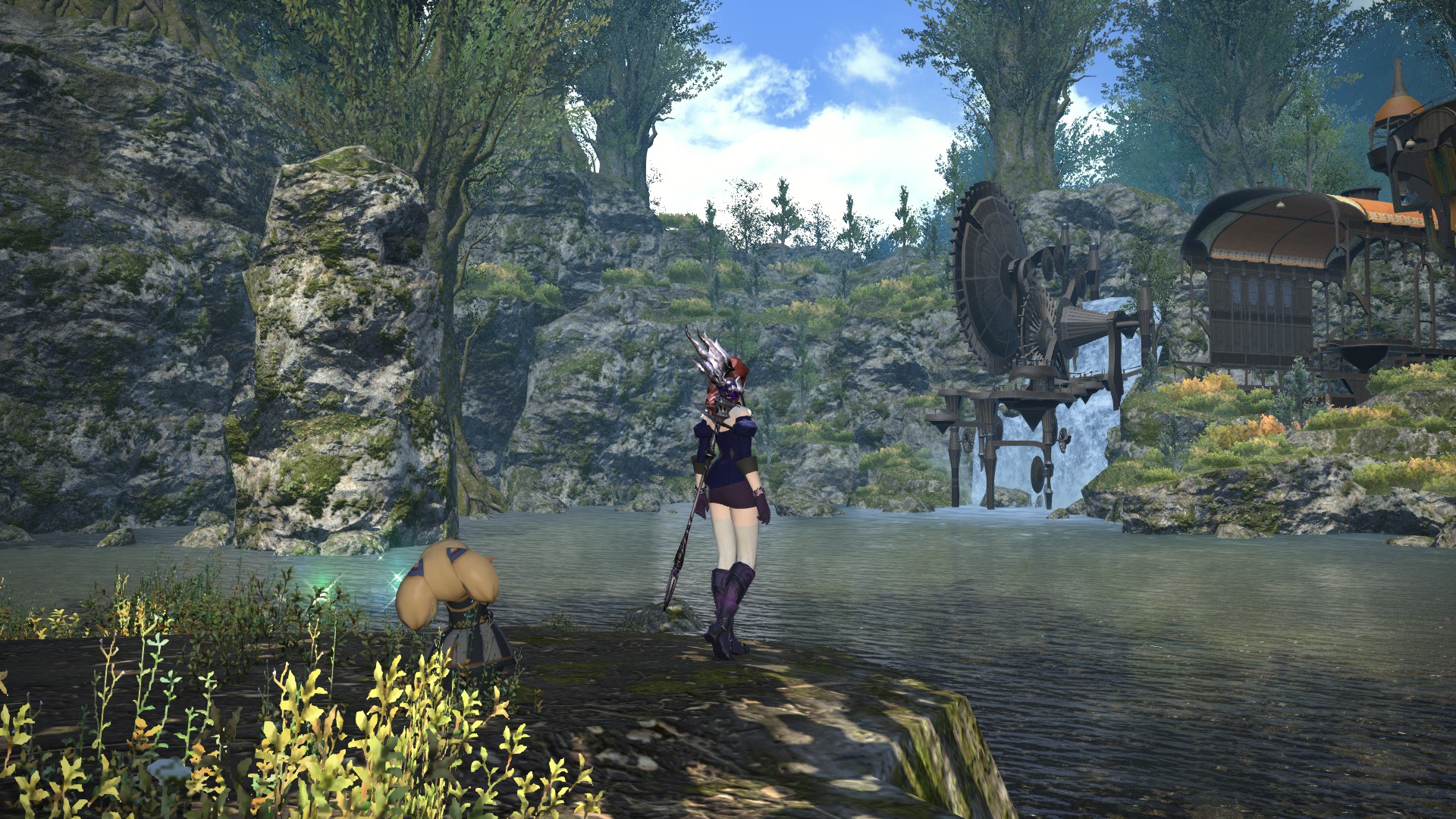
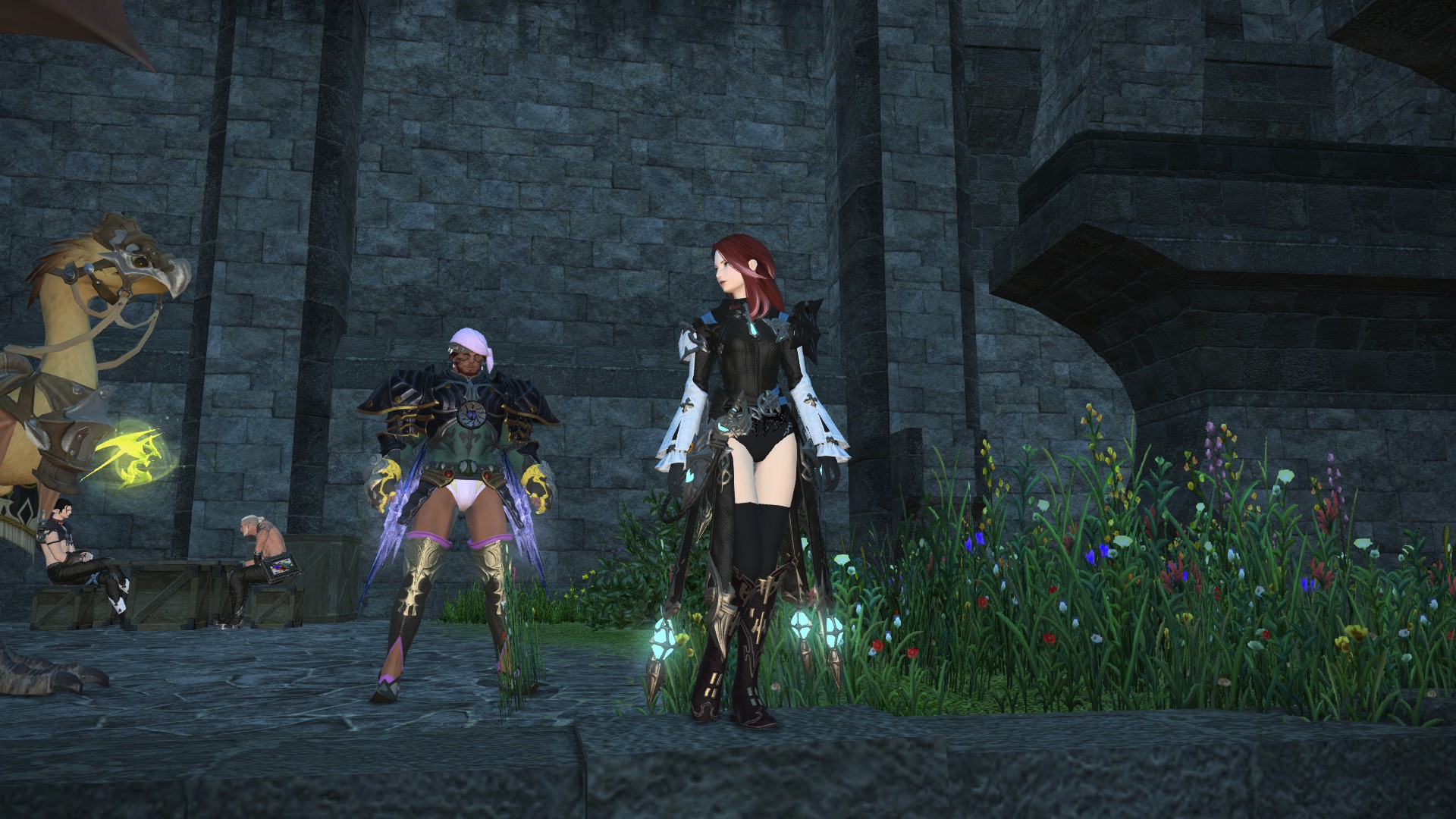
1819: Untitled, Chapter 11

[Back to the start.]


Several days passed. Wilkins had not gone back into work the day after his strange encounter; he had not gone back to work at all since, in fact. So concerned was he for his own mental wellbeing — seeing things that clearly could not be true was probably, after all, a sign that something was very wrong indeed — that he'd taken himself straight to his doctor and demanded to be signed off work with stress.

As he sat in his bed, staring at the wall, he wasn't sure that taking himself out of situations involving other human beings had been quite the right thing to do. He found himself alone with his thoughts, and his thoughts, it turned out, weren't overly friendly. They seemingly wanted him to suffer, to recall bad things that had happened in the past — and to worry about bad things happening in the present. He knew that even as he sat there, motionless, the enquiry into the disappearance of Thompson would be doing its best to trawl up any evidence of negligence on the part of Wilkins, and Wilkins knew full well that there was plenty of it, given his general feeling of detachment and disillusionment that he'd been feeling recently.

He'd lost count of the days since he'd last been in to work; he reckoned maybe a week or more. His house had been well-stocked with food and other supplies, though, so he hadn't needed to leave once, and so he hadn't. Now, though, he was starting to get down to the food at the back of the cupboard — things that had been bought and forgotten about months, even years ago, but which were designed to see people through an apocalypse with at least a bare minimum of nutrition.

He got up and walked to his kitchen, boiled the kettle and prepared a cup full of noodles for himself. The smell that emanated from the mug was less than appetising, but at least it was something to eat, and Wilkins had found, ever since delving into the food at the back of the cupboard, that the artificial flavourings in these instant "meal in a pouch" things were surprisingly tasty and satisfying, at least in the short term; he felt hungry less than an hour later, in most cases, but at least they provided something to do, if nothing else.

He hadn't had a repeat of the encounter in his bedroom since it had happened, and he struggled to understand its implications. Who was the strange, shadowy figure? What happened to his room? What did it all mean? Was it real, or was it just a manifestation of the pressure his brain was feeling at the moment?

It wouldn't be long before he'd get an answer.


*       *       *       *       *

Magnus deftly hopped from rooftop to rooftop noiselessly, breaking his fall each time with wings of darkness. He'd been surprised and delighted at how quickly he'd come to understand the peculiar changes that had come across him, and he was starting to enjoy using them. The shadowy figure, which occasionally showed up and suggested that he maybe try doing things a little bit differently, had helped him on his path, but for the most part he had explored his capabilities for himself and come to realise that he was, in human terms, virtually indestructible and capable of numerous physics-defying feats.

The strange black tendrils that could now erupt from his hands to order proved to be his most versatile assets. In just the last few days, he'd used them to climb up a seemingly unscalable wall, to give a mugger — and, for that matter, his victim — the fright of his life, and as a somewhat self-satisfied demonstration to the shadowy figure one evening, to retrieve a coffee cup from the kitchen without leaving his seat.

One thing had bothered Magnus initially. Although his new powers were exciting — not to mention a little bit frightening — they did have one impact on his life that he wasn't sure what to make of: they served to distance himself further from normal existence. There was no way around this, of course, and he knew this: there is no way that one can become capable of superhuman leaps between buildings, physics-defying stunts and the ability to summon dark tendrils to do one's bidding and in any way hope that one's life would remain in any way "normal". But still it bothered him a little, at least to begin with: as time passed and he grew more confident with each of his strange powers, however, it started to bother him less and less; he started to realise that his "normal" existence was nothing but a dark and miserable place where very few people cared about him — Dora being the obvious exception — whereas now, now he had the ability to make a difference, both for good and for ill: his powers gave him the ability to both help and hurt, and, in an attempt to understand the situation better — and at the urging of the shadowy figure — he had done both of these things.

Both the "helping" and the "hurting" had come in the aforementioned case of the mugger. Magnus had been out practising his ability to leap and float between rooftops when he had spotted the unfolding situation in a darkened alley he was familiar with from a few years back: although unlit and rather frightening to walk through late at night, it was a popular thoroughfare for student revellers returning from an evening's debauchery at a local nightclub: it was a quick, direct route between the street which housed both the nightclub and a fine selection of questionable kebab shops, and the main student residential area in the city. Because of its popularity and usual level of activity, it remained surprisingly free of crime; certainly during Magnus' time as a student, he'd never known of anyone getting attacked there. The girl had just been in the wrong place at the wrong time.

She'd been walking home slightly unsteadily; she was tipsy, but not falling-down drunk. She was, however, alone; a disagreement with her friends earlier in the evening had seen her storm off in anger, desiring nothing more than to get back home to her nice warm bed and forget about the silly things alcohol makes people do. A lone, vulnerable girl had proven too tempting a target to resist for her assailant, who had been casually walking back and forth around the area, up and down the alleyway, for the past hour or two. So unremarkable a figure he cut that no-one had paid him any mind; most people passing through the area were on their way somewhere, so had no way of knowing that he had been loitering with intent. But he had.

He'd followed the girl in the alleyway and struck quickly, grabbing her from behind and covering her mouth, threatening her not to scream. Then he shoved her violently against a wall and drew a pocket knife. She couldn't have screamed even if she did think it was a good idea; she was too terrified to even move, let alone make a sound.

Magnus saw all of this, as did the shadowy figure, who had been accompanying him. She urged him on to intervene, to test out his powers and the way in which he should respond to a situation. She encouraged him not to think, just to feel, and to do what felt most natural, to do what his instincts told him to.

Magnus had leapt down into the alleyway, floating noiselessly to the ground a short distance from the confrontation. The lack of lighting in the alleyway meant that his entrance had gone unnoticed; the pair were still far too preoccupied with their own situation.

Before he could let himself think about what was the "right" thing to do, Magnus caused the black tendrils to erupt from his hands, and they charged through the night air until they ensnared the girl's assailant. They wrapped around his legs and around his body, binding him like a constrictor snake traps its prey, and slowly started to squeeze the life out of the mugger. Gasping for breath, his face going pale, the mugger attempted in vain to remove the tendrils from around his body, but they were far too tight, and touching them gave him an indescribable sensation of terror that he had no desire to repeat ever again.

He knew that he was going to die; he resigned himself to it. Magnus felt it, and he knew he had to make a choice, quickly. Without hesitation, he retracted the tendrils, which reversed their course and coiled back into his hands — rather like a vacuum cleaner cord retracting, Magnus thought with detached amusement — to leave the breathless mugger collapsing to his knees, gasping for sweet, sweet air.

The girl, meanwhile, who had been frozen to the spot during this otherworldly display, came to her senses enough to realise that this would be a good opportunity to run far, far away and, perhaps, to never, ever come out from under the covers again.

Tonight, Magnus had come across no such incidents that required his intervention, but he knew now that if he did, he would not hesitate to step in. He had, in his lifetime, read enough superhero comics to know that he needed to use his power responsibly, but he figured that no-one would really object to a few more muggers being taken out of commission.

He wasn't on the hunt for crime tonight, though; he had a greater purpose in mind. The shadowy figure had earlier explained to him the situation of Officer Wilkins, who appeared to be teetering on the cusp of the Darkness. It was Magnus' job to keep him safe and ensure the Light didn't get to him first; it was Magnus' job to ensure that Wilkins didn't end up as another Stacey Barman.

When he thought of the Light, he couldn't help but think of Dora. He hadn't seen her for several days; hadn't even heard from her. Simple, normal things like text messages and phone calls seemed to mundane in the context of his new existence, but he still found himself missing her and worrying about the plans the golden figure had for her; he found himself worrying that they'd end up in a confrontation with one another, and that one would end up having to hurt the other — something that he knew neither of them wanted to do, despite the opposing sides on which they'd found themselves in this otherworldly conflict.

He couldn't get hung up on that now, though; he had more important things to do. He was approaching Wilkins' home — the shadowy figure had known right away where to send Magnus, much to his surprise — and he had a job to do. He hoped that it would be a boring and uneventful job, but he had the sneaking suspicion that, going by the pattern of recent happenings, things were probably not going to be that simple at all.

And he would, it transpired, be right about that.

1818: Untitled, Chapter 10

[Back to the start.]


Officer James Wilkins slumped back into his sofa and flicked the television on. He hopped through the channels, but as usual, there was nothing interesting to watch; he just wanted some background noise. He eventually settled on some sort of cookery challenge show; it seemed to run with the theme that "celebrities" were not, on average, particularly good at cooking, with some of them even struggling to throw together a convincing omelette.

It had not been a good day. The escape of the suspect Magnus Thompson had raised more than a few eyebrows, particularly as Wilkins had already submitted his report stating that he intended to release him. Thompson apparently still feeling the need to escape despite the fact that he had seemingly been telling the truth in his interviews suggested to Wilkins, Jensen and their superiors that there was perhaps something more to the situation than there had initially appeared; it certainly looked suspicious, anyway.

A big question hung over the case: how on Earth had he done it? The next morning, his cell was empty, but it was locked up just as tight as it had been the previous evening, and there was no evidence that anyone had forced entry — or, indeed, exit. It was simply as if he had never been in there at all, though the paper trail said otherwise, of course. Thompson had been processed just like any other suspect, and there was both written and recorded evidence of his time in the police station; there was just no sign of him whatsoever.

Wilkins sighed and closed his eyes, the dull murmuring of the TV show proving a relaxing backdrop.

He was roused from his almost-slumber by the "ding!" of the bell on the microwave, indicating that his meal for one was ready. He sighed again, pushed himself up out of the soft sofa, which had been threatening to swallow him, and walked through to the kitchen. He emptied the unappetising-looking pasta bake into his last remaining clean bowl, quickly wiped off a fork that was in the sink and took it back into the living room to eat in front of the TV, as was his custom these days.

His heart wasn't really in anything these days. He had once enjoyed his work as a police officer, but nowadays it felt hollow and empty, more like he was enforcing rules for the sake of enforcing them rather than to help make society in any way better. He had actually been excited — and slightly sickened at this admission to himself — to find himself investigating something more interesting than yet another crowd of youths standing on a street corner saying "fuck" a little too loudly for the taste of an old lady who lived close by, or a shoplifting incident whose value added up to less than the price of a packet of cigarettes.

Now, though, this case was proving to be just as troublesome as everything else in his life. The escape of Thompson had, of course, been blamed on him, since he was the last officer to deal with him. There was to be "an enquiry" — the station seemed to launch a thousand of these daily — and he had, for the moment, been temporarily removed from the case pending its findings. He knew that by the time the "enquiry" had finished chewing through the reams of red tape that sustained it, Thompson would be long gone, Barman's body would be in the ground and there would be little hope of ever finding out what the truth really was.

He finished his pasta as the cookery show finished. He put the bowl on the floor and leaned his head back on the sofa, closing his eyes once again. It didn't take him long to drift off to sleep.


*       *       *       *       *

When he awoke, the sun had gone down. The TV was still on; now it seemed to be showing some sort of outdoor survival program, and as Wilkins' eyes came back into focus he was treated to the sight of the presenter gobbling down some sort of beetle-like creature. Wishing he hadn't woken up at that exact moment and wincing, he fumbled around for the remote and flicked the screen off. The room filled with darkness, and he just lay there for a moment, contemplating the silence.

Then he started to think, and he didn't want to do that right now, so he forced himself to stand up, letting out a grunting moan as he did so — he'd been on his feet all day, and his legs were feeling very stiff — and shuffling towards the stairs, intending to head upstairs to bed.

The house was all too quiet now, and far too big for him to live in by himself. This was why he spent the majority of his time when he wasn't working in the living room watching television; it distracted him and kept his mind busy, and prevented him from thinking about why the house was so quiet.

He trudged up the stairs one at a time, pulled off his clothes and got into bed, closing his eyes right away.

"You want to talk about it?" came a voice he'd heard once or twice before. It was soft, feminine, soothing. He knew it wasn't really there, but it brought him comfort nonetheless. He said nothing.

"Uh-huh," said the female voice. "It's been a bad day, I know. And I bet you're thinking that things probably can't get much worse right now, can they?"

His continued his silence.

"Well," said the voice. "What if I told you that the man you're looking for can help you out?"

He opened his eyes and sat up groggily. He blinked a few times, then gave a start. A shadowy female figure seemed to be straddling him, but he felt no weight whatsoever from the figure; she seemed to be completely incorporeal, as if she was made from dark mist. But she was most definitely there; he could see her moving and hear her talking.

As he looked at her, the walls of his room seemed to bend and shift around him; must be my eyes adjusting to the dark, he thought.

Then he considered the strangeness of the situation. There was no way there could be a black, shadowy figure made of mist straddling him, but there seemingly was, so perhaps his walls really were bending and shifting, too?

He reached over to the bedside lamp and tried to switch it on. Nothing happened. The figure did not move, but as his eyes continued to adjust to the darkness — he was at least partly right about what he was experiencing — he started to feel like he could make out things that had not been there before; his walls seemed to be covered in black, scrawled writing: words, phrases, short poems and indecipherable symbols. Everywhere he looked, he saw the strange designs; he didn't know what they were, and they were frightening. But he could not scream; he found himself strangely fascinated, despite the adrenaline of terror rattling around his body.

"What's going on?" he asked in a cracked voice.

"Oh, this?" said the figure, moving off him and gesturing flamboyantly around the room. "It's probably a little early to start getting into the details of it all, but rest assured, all will become very clear very soon indeed. I'm glad that you've seen it, though; that tells me something important that I needed to know. See you soon."

The figure vanished, the room seemed to distort again and suddenly Wilkins was dazzled by the light from his lamp, which apparently he had managed to turn on at some point.

He looked around, his heart racing. His walls were clean, albeit shabby, with the wallpaper peeling here and there, but there was no sign of the strange black scrawl that had been there moments earlier. This was, he was sure, the room he knew very well, but he didn't feel quite so safe and cut off from the rest of the world here any more. Something seemed to be intruding on his sanctuary, and he didn't like it.

Oh how pathetic they'd think I look if they could see me now, he said to himself as he pulled the covers up over his head and hid beneath them, leaving the light on. He closed his eyes and tried to get to sleep, but his mind kept whirling around a cycle of images like a hyperactive slideshow screensaver: first there was his darkened room as he'd seen it a moment ago, then there was Jensen, then Thompson's empty cell, and then there was her face, just for a split second. Then the cycle repeated again, and again, and again.

Wilkins screwed up his face as if this would protect him from the mental assault his own imagination and memories were inflicting on him, but it was to no avail; still the images came, cycling around their sequence faster and faster and faster until, eventually, his exhausted body succumbed to sleep.

The assault continued in his dreams, but this time instead of still images he was reliving those moments. In each instance, he tried as hard as he could to escape, to run away from the things he was seeing, but everywhere he turned, the world seemed to turn with him; he could not get away.

He could just about deal with the simpler images. But then he came to the last situation again, and it was painfully vivid in its detail; he walked up to the gurney with that cold, grey, still body on it, looked up at the medical examiner, nodded his mute agreement that the body was indeed who it was thought she was, and then he found himself just staring down at her face, beautiful even in death, even battered and broken and bloodied as it was. She was still beautiful.

His eyes snapped open and he realised he was covered in sweat and breathing rapidly.

There would be no more sleep tonight.