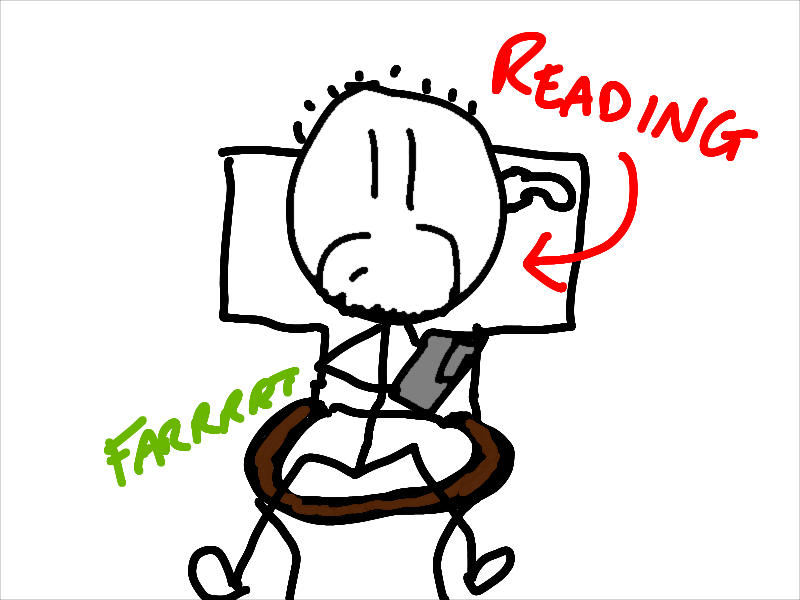
One of the things I've always been fond of doing over on my other website, MoeGamer, is covering games that don't get much (or any) attention elsewhere — be they brand new or old and crusty. So today, in celebration of 800 daily posts, I thought I would point you at a selection of games that you might not have heard of, and the things I have written about them. Doesn't that sound nice? Doesn't that sound like it'll give you a nice range of things to read on the toilet? I know you're reading this on the toilet!
In no particular order…
First up, here's my writeup on Lapis x Labyrinth, a thoroughly unusual game from Nippon Ichi that blends elements of platformer, action RPG, arena combat game, shoot 'em up and pachinko. (Don't worry, there's no actual gambling or microtransactions.) It's an incredibly compulsive game that knows how very appealing it is when you do something in a game and things explode into a shower of shiny things. Narrative-wise it's almost completely forgettable, but in terms of presentation and particularly gameplay, it's a wonderful thing indeed, and highly recommended if you want to play something quite unlike anything else you have experienced.
Next up, here's a look at Root Letter, a visual novel/adventure game hybrid that I once described as "Ace Attorney for the over-30s", and very much stand by that description. It's a thoroughly compelling mystery story with some spooky elements, and does a great job at juxtaposing the energy and optimism of youth with the glum reality of early middle age. I still have not yet played the expanded version of this which adds the option to replace the hand-drawn artwork with photographic stills; I think probably enough time has elapsed between me playing the original version and now that I can (and should!) give it a go, given that it's on my shelf, and has been for quite some time.
Dragon Quest V is not what I'd exactly call an "unknown" game, but this piece which I wrote on the game's treatment of fatherhood — specifically, as experienced by a child, and how I related it to my own life experiences and memories of family life as a child — remains something that I'm very pleased with. I was emotionally invested in the subject matter, and I think that came across in what I wrote. I'm sure the things I describe will be familiar to at least some of you.
Here's a piece on Criminal Girls, a thoroughly interesting — and oft-misrepresented — role-playing game in which you take on the role of a jailer in Hell, tasked with leading a group of "delinquent" girls on the path to getting a second chance at life and a chance of "redemption" from their "sins". The game explores matters of trust both in its narrative and, quite remarkably, through its mechanics, making it a thoroughly interesting example of how a game's thematic elements are woven throughout the entire fabric of the game rather than simply used as set dressing.
Here's a piece on Namco's Star Ixiom, a game from the company's PlayStation era that never, ever gets talked about — but which is actually really, really good! It's the follow-up to the company's Famicom Star Raiders-like, Star Luster, and is absolutely packed with both depth and a variety of things to do, with multiple ways to play according to whether you prefer a linear, mission-based structure or a more freeform, strategic game. Vastly underappreciated game that I'm bummed I never even heard of back when the PS1 was current — but thankfully, I can enjoy at my leisure today.
Finally, let's close off today with a look at SWERY's The Good Life, a game from this unusual and widely beloved creator's back catalogue that, once again, I never see anyone talking about. It is a thoroughly interesting game that combines elements of cosy life sim, murder mystery and open world adventure, allows you to turn into both a dog and a cat, and you can also ride sheep. It is somehow less "wacky" than it sounds, and has some real heart and soul to it — as well as a thoroughly convincing interpretation of the Lake District landscape to explore.
There are many other games I've covered on MoeGamer to date, so if you want more than the above links, stop by the All Games page on MoeGamer and check out an index of every game I've covered to one degree or another. Or you can hit up the article index (also available organised by date) and browse that way instead, if you prefer. Either way, if you've never paid MoeGamer a visit and you like the things I write about games, stop by and have a look around! It's my favourite thing that I've created on the Internet, and I intend to keep it standing for many years to come, so please enjoy what I've put there to date.
Want to read my thoughts on various video games, visual novels and other popular culture things? Stop by MoeGamer.net, my site for all things fun where I am generally a lot more cheerful. And if you fancy watching some vids on classic games, drop by my YouTube channel.
If you want this nonsense in your inbox every day, please feel free to subscribe via email. Your email address won't be used for anything else.