In a recent blog post, one Ben Goldacre described Spotify's auto-sharing behaviour as "creepy" and called for greater transparency in opt-out procedures. While I don't disagree that users should have the option of whether or not to share what it is that they're doing, I do disagree with the good Doctor's assertion that showing off your tastes to others is somehow "creepy" or "wrong".
The reason I don't find it either of those things is because of discovery. Spotify is built in such a manner that it's easy to check out an artist or album you're unfamiliar with in a risk-free environment. You don't drop any money on the album directly, so if you wind up hating it, you haven't lost out. And if you end up loving it, you can whack it in a playlist or star it for future reference.
Combine this ease of trying things outside of your usual comfort zone with social features and you get a powerful tool to expand your own tastes. Because music is an ever-present part of society these days — silence, it seems, is frowned upon by most people, particularly those of more tender years — conversations about what artists are awesome are less common than they once were in the age of buying CDs (and, heaven forbid, cassettes). Music is just there for many people — a disposable thing that people may well have a strong connection to but perhaps don't always think to actually discuss,
What Spotify's sharing feature does is allow you to see what friends have been listening to and, if it takes your fancy, jump right in there and have a listen yourself. I've discovered more than a few new favourites this way, and I'm certain other people will have been curious about some of my tastes too. I don't have any objection to people seeing what I've been listening to and I'm certainly not ashamed of it. The same is true for Netflix, newly launched in the UK and nicely integrated with Facebook to allow you to share what you're watching. On the whole, I'm much more inclined to pay attention to new releases if my friends are enjoying them rather than if they're simply "critically acclaimed". See: The Squadron of Shame
Goldacre suggests that people will make judgements based on what you have been listening to, and your playlists which, if you weren't already aware, are made public by default. And perhaps people will — but the attitude I have always taken with personal taste is that it is just that: personal. If you're the sort of person who ridicules someone else just because of what music they listen to, how they dress, or their appearance… I probably don't really want to know you. Everyone is free to make their own choices with regard to what entertains them (unless, you know, if you're into something fucked up and illegal) and so people should not feel ashamed or embarrassed to share what it is that they have been enjoying.
In fairness, it's entirely possible that there is the scope for cyber-bullying among schoolkids based on what they might have been listening to with Spotify, or the content of their playlists. But there's the scope for cyber-bullying based on their photos, their status updates, all the other stuff that's on Facebook, too. This isn't excusing it. However, it does mean that Spotify itself isn't some sort of creepy bully-magnet. As with all forms of social media and teens interacting with others on the Web, it's important for parents to be involved and aware of what their offspring are up to. If it looks like causing a problem, they should be familiar with the options that are there to protect people — and Spotify has those options if, for whatever reason, sharing things does become a problem. But someone's listening habits are public by default — and why shouldn't they be? There's nothing to be ashamed of there.
Perhaps I have a naïve view of social media and sharing information on the Web. But I just don't see how sharing your entertainment consumption is particularly harmful. Sharing deeply personal information, yes. But the fact that you listened to the Lazy Town soundtrack today? For me, that's the start of an interesting conversation, not something creepy.
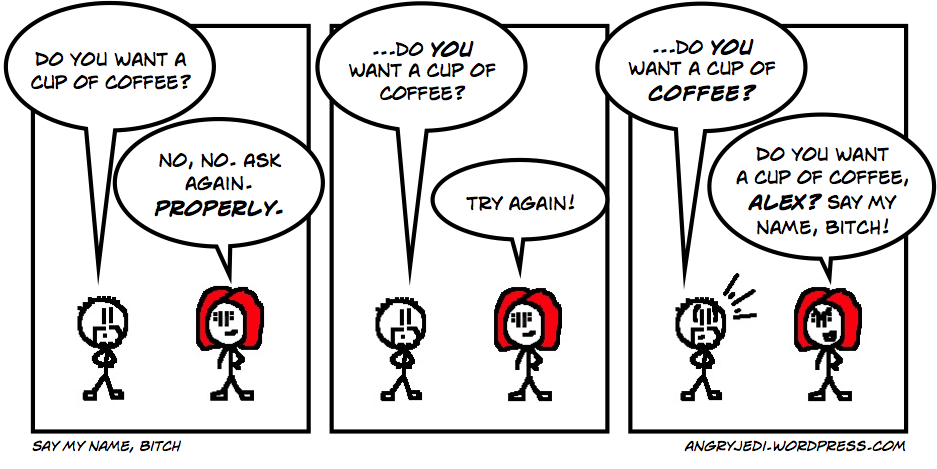 I have something of a — what — phobia? I'm not sure it's that serious, but I have something of a thing about saying people's names, for some inexplicable reason. It might be something to do with the fact that I never really liked my own name or the way my voice pronounced it when I was a kid (hence my habitual shortening of it to "Pete" everywhere in the world these days) or it might just be one of my many strange and inexplicable neuroses.
 PAX East is happening tomorrow, and I'm not there. This makes me inordinately sad for a number of reasons. Firstly, PAX East last year was the last time I could legitimately say that I was 100% completely, totally and utterly happy. For those few days, I had left all my growing troubles behind in the UK and was able to immerse myself in the culture that I loved so much. I was able to be an unabashed nerd and surround myself with thousands of other people like myself.
 Not so long ago, the world was a different place. Saddam Hussein was still in charge of Iraq, no-one knew who the Liberal Democrats were and Call of Duty was but a twinkle in a young Bobby Kotick's eye. Sounds like delightful times, doesn't it?
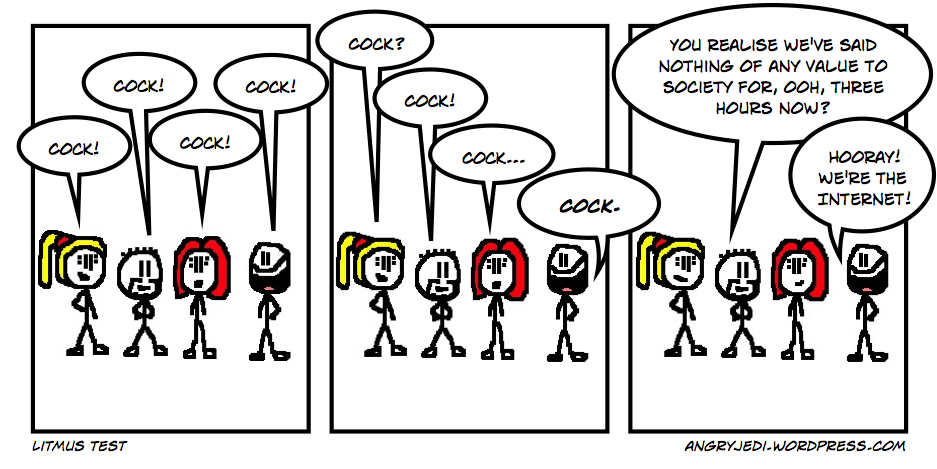 Congratulations on your acquisition of one or more friends! To get the most out of your new acquaintances, you may find it necessary to perform one or more simple diagnostic checks to ensure that these people are, in fact, your friends and not just "people you know" whom you see occasionally. Interpersonal compatibility is a complicated issue and there is no guarantee of 100% compatibility between you and any friend(s) you may have acquired recently, particularly if said friend(s) were acquired via a third party.
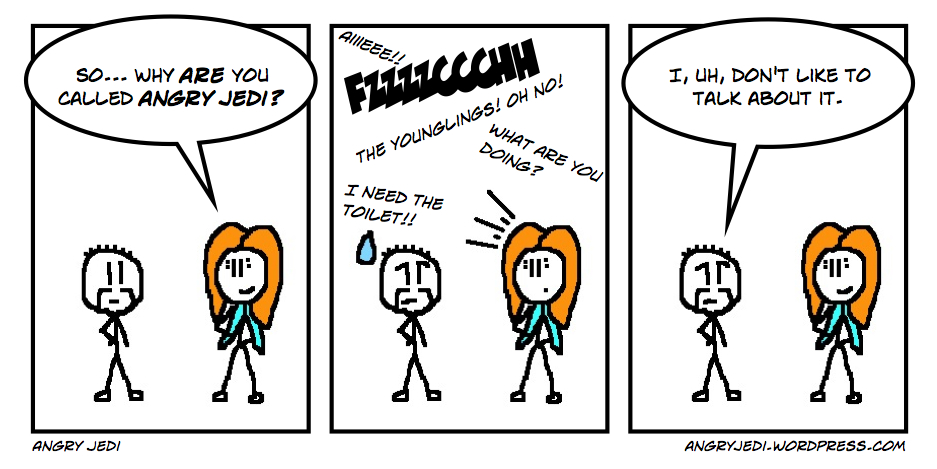 In an attempt to stem the tide of people asking one of the most common questions on the Internet—"how did you get your username?"—I shall set out the story forthwith.