 I've been playing First Encounter Assault Recon, or F.E.A.R. to its friends, recently. And while its acronym-based title is mildly cringeworthy — look, it must be scary, it's called F.E.A.R.! — what I've discovered is that it's actually a rather magnificent game that I'm sorry I haven't got around to sooner.
I'm not normally a big fan of first-person shooters because all too many of them these days follow the Call of Duty model — linear pathways with no divergence punctuated with predictable shooting galleries coupled with a story which neither I nor the developers could give a shit about because the focus of the game is squarely on multiplayer. That's not to say Call of Duty is necessarily a bad thing, of course — the millions of people who buy every single installment prove this fact — but it's just not for me.
For me, however, I grew up with first-person shooters as single-player experiences: Wolfenstein 3D, Doom, Quake, Duke Nukem 3D, Shadow Warrior, Blood, SiN, Half-Life… the list goes on. And while many of these had a multiplayer component, it was only really Doom and Quake that (arguably) pushed it to the forefront. Given the time they came out, it wasn't practical for me to explore multiplayer at all due to the poor quality of your average Internet connection — most of us here in the U.K. were still using dial-up at that point, after all. As such, I still tend to prefer the solitary experience of a good first-person shooter.
Which is why I'm enjoying F.E.A.R. so much. While it did launch with a (now-defunct, save for a fan-run service) multiplayer component, the focus of the game is very much on its single-player story. While perhaps a little slow to get started, after playing for a few hours last night, I found myself well and truly enraptured by the curious tale it has to tell.
To say too much about the story would be to spoil it, but suffice to say all is not as it first appears, as you might expect. The story is paced extremely well, flip-flopping between relatively conventional "military types barking orders at each other" and some seriously weird shit going on. Monolith, the developers of F.E.A.R., clearly played a lot of System Shock 2 at some point as a lot of the "weird shit" going on in F.E.A.R. is of a similar ilk to the "weird shit" that goes on in System Shock 2 — hallucinations, ghosts and all manner of other quasi-supernatural phenomena, all of which is kept tantalisingly mysterious throughout most of the game.
F.E.A.R.'s protagonist is the very embodiment of a silent protagonist the player is supposed to superimpose their own personality over the top of. He doesn't even have a name, for heaven's sake, being referred to only as "point man". Unlike many other first-person shooters, however, Point Man very much has a sense of presence in the game world — look down and you can see your feet; wander into an area where you're backlit and you'll project a shadow in front of you. While you never see your character from outside the first-person perspective, this gives a much better feeling of being "part of the world" than many other games of this type.
F.E.A.R. adopts a similar storytelling style to Half-Life in that the story unfolds as you play, and you never "break character" to see things from a third-person perspective. Much of the narrative is revealed through rather one-sided radio conversations between Point Man and other members of the F.E.A.R. team, but there are also numerous things throughout the game's levels that let you delve deeper into the details of what is actually going on. By hacking laptops to recover data files and listening to voicemails, you gradually start to get a very strong sense of who is who in this game world, even though you meet relatively few of the characters involved face-to-face. While I initially thought the story was going to be somewhat throwaway when I started playing the game, after about 6 hours of the campaign mode, I'm genuinely interested in what is happening and what will happen next.
The voicemails and laptops are, of course, simply variations on the oft-derided "audiologs" that are found in games like the aforementioned System Shock 2 and Bioshock, but somehow they seem to make a lot more thematic sense here. Because you're listening to messages — fragments of conversations — between people rather than someone inexplicably babbling all their innermost thoughts into a tape recorder, there's a much better sense of context, and of these characters having relationships. Similarly, the laptops simply contain data files that gradually reveal the facts of the events rather than incongruous audio logs or personal diary entries. It makes a lot of sense, and gives you a very strong feeling of "following the trail" to unravel the mystery of the game's strange goings-on.
I mentioned earlier that I disliked the Call of Duty way of doing things in single-player campaigns — linear corridors punctuated by shooting galleries — and it is in its level design that F.E.A.R. really shines. Most of the levels take place in realistic environments such as office blocks and service tunnels, but it rarely feels like you're being pushed down a single path, because there's often more than one. Charge into an enemy encounter and get shot to ribbons and it's probably because there's a better way to approach it. Come to a junction and choose one of two or three ways to get to your destination, some of which might offer some hidden goodies. Levels often require that you double back on yourself and discover pathways that have opened up as a result of various events, too, so there's a real sense of being in a real place rather than simply running forwards until the end. Likewise, it's not non-stop action — many levels feature long expanses of simply running around exploring and admiring the environment before coming across another squad of enemies. It's hard to explain how excellent and satisfying the pacing is without simply plopping you down in front of it to experience it for yourself.
And my God, you don't realise how much fun waypoint markers suck out of first-person exploration-based games until they're not there any more — F.E.A.R. doesn't once patronise you with a "FOLLOW" marker over anyone's head, and instead trusts that you have the intelligence to explore the level for yourself and determine what the correct route is. While this could easily lead to confusion and running around in circles, F.E.A.R.'s levels are so well-designed that the correct way to go tends to feel very "natural" — highlighted in subtle ways through environmental cues rather than big flashing arrows or golden breadcrumb trails. It's a good way of doing things, and one I wish modern first-person shooter makers would go back to.
Suffice to say, I've been having a blast (no pun intended) with F.E.A.R. and if you, like me, are weary of modern military shooters but still enjoy occasionally shooting the heads off people with a shotgun in slow motion, then I strongly recommend you check it out — particularly if you're a fan of intriguing, creepy horror as well as action. I haven't yet finished the game, but I'm hooked on the story. It's dangling enough clues in front of me to keep me interested, yet keeping me in the dark enough that I can't quite tell where it's going. I'm looking forward to seeing how it ends, and if the expansions and sequels are even half as good as this, I'll be very happy indeed.
 One of my earliest and most enduring memories of my time at secondary school is also, coincidentally, the first time I was consciously aware of what I now recognise to be a longstanding case of social anxiety.
 Hello! This is a curiously specific post, I know, but looking at my frankly quite impressive board game collection, I realise that I'm keen to share it with more people than I currently do. Don't get me wrong, I greatly enjoy playing with our regular board game group — this very weekend we're taking a trip away to do nothing but play board games for several days — but as a group we have specific tastes that means certain games get to the table more often than others, and certain other games rarely get to the table at all. Everyone has different tastes, of course, so it would be good to try out these games on a selection of people — plus it'll give me some practice in teaching them to people, as well as the opportunity to socialise with people a bit more than I do currently. (Part of the reason I wanted to move back to Southampton, of course, was so I could see my friends more often — something which I could probably do more of now I'm here!)
 So Microsoft announced the third-generation Xbox console today, and just to confuse everyone they called it the Xbox One. I can't quite make up my mind whether this is more or less stupid than the "Xbox 720" moniker that everyone inexplicably latched onto a while back, but the fact remains that it's a stupid name. And not stupid in the same way that the Wii has a stupid name; no, calling the third Xbox "Xbox One" is stupid in that it is misleading and confusing. Have Microsoft learned nothing from Nintendo's apparent difficulty at communicating that the Wii U is a completely separate system from the Wii?
 I've been replaying Gabriel Knight: Sins of the Fathers recently. I've been meaning to do this for some time now and have in fact restarted it several times, but never got around to finishing it for various reasons. This time is "the charm", though, and I intend on running through the whole series — I can't remember much about The Beast Within (except, bizarrely, for the puzzle solution "Thomas? Thomas? Herr Doktor Klingmann here. Show our wolves to Mr. Knight.") and I've never finished Blood of the Sacred, Blood of the Damned. Perhaps more impressively, I've managed to survive this long without having the latter spoiled at all, though I do know it ends on an apparently-infuriating cliffhanger that will likely never be resolved. Oh well.
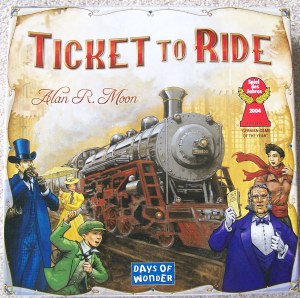 Ticket to Ride
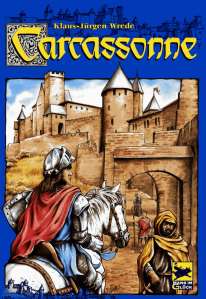 Carcassonne
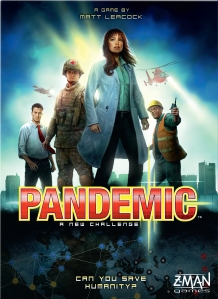 Pandemic
 Whack a Catgirl
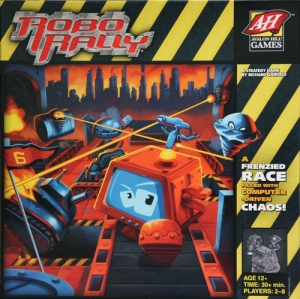 Robo Rally
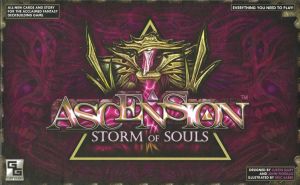 Ascension
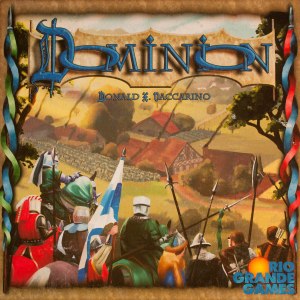 Dominion
 Honourable Mention: Agricola
 Andie and I took a trip out to Toronto Zoo today. Getting there from Mark and Lynette's house was quite a trek on public transit, but it's eminently possible. (For those curious, you ride the subway all the way to the east end of the green line — Kennedy station — then catch an 86A bus to the zoo. Said bus stops approximately every 100 yards on the way, lengthening the journey by a considerable degree, but you do get there eventually.)
 Where was I? Oh yes. I'm not generally that big on "cultural" trips, but I must confess to having something of a soft spot for a good zoo. I think it's the simple fact that animals are interesting and unpredictable to watch, and it can be fascinating to discover a creature you were previously unfamiliar with. Particular highlights today, for example, included a "tree kangaroo", which looked rather cat-like; the discovery that bats can and will climb around like monkeys as well as hanging there being boring and/or flapping around wildly; that tigers actually do say "rawr"; and that somewhere in deepest darkest Africa there's a ridiculous-looking bird with an enormous beak that would apparently rather jump between tree branches than actually fly.
 Oh, and also we saw a horny male zebra with a gigantic dong trying to boff a female who wasn't having any of it. Poor chap.
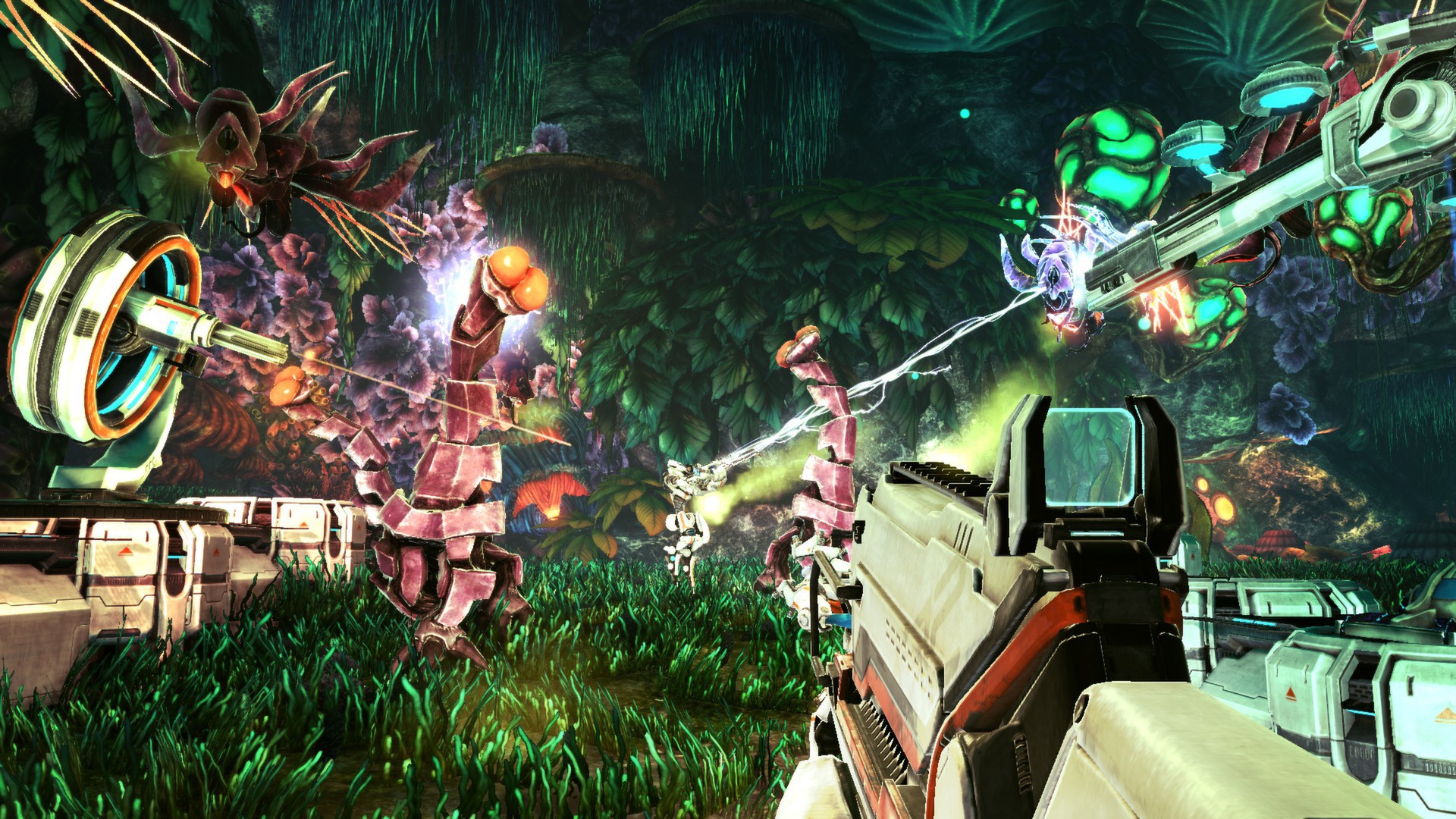 Mark and I played a bunch of a recently-released indie game today. That game is Coffee Stain Studios'
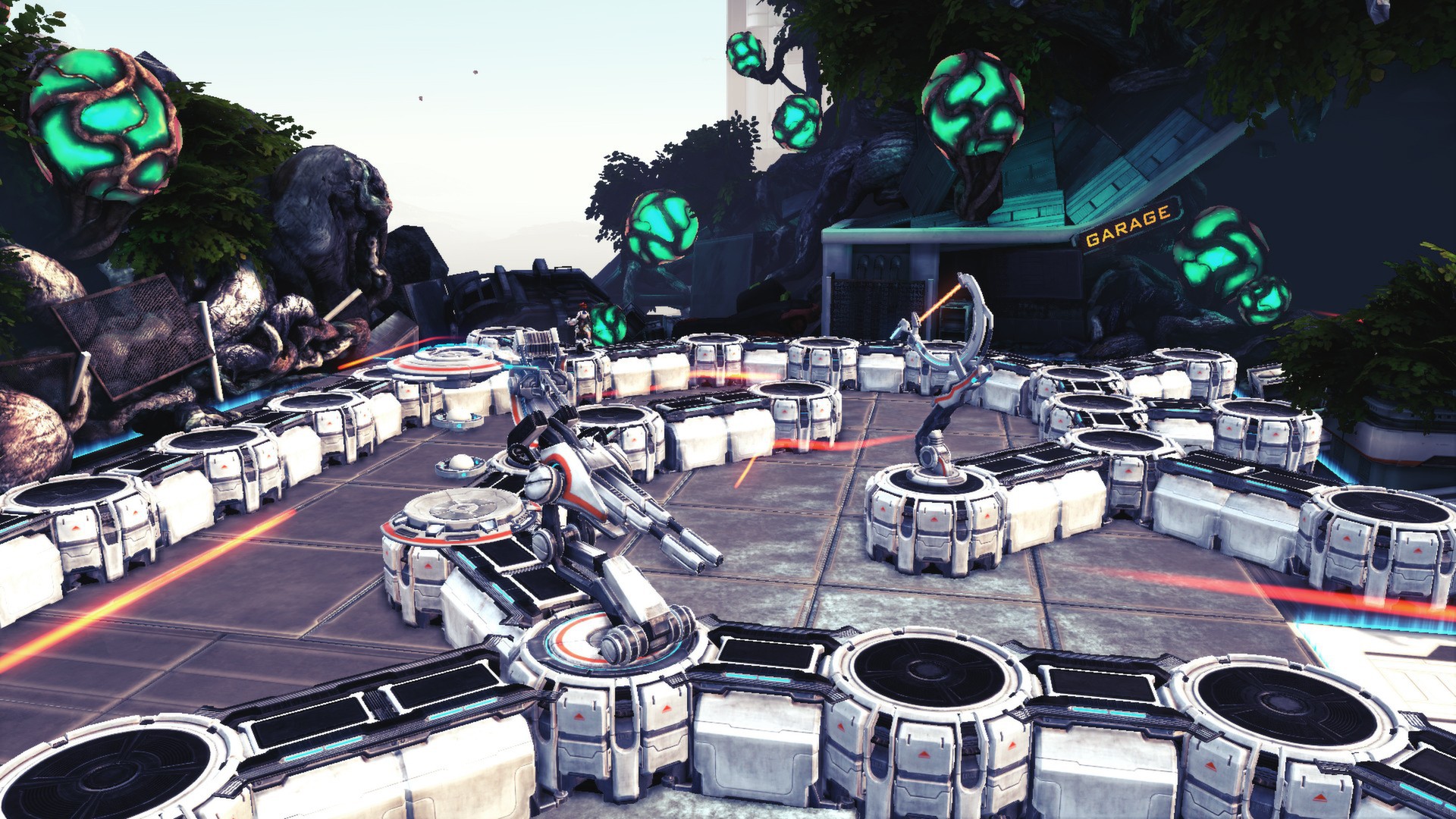 You know what, though? I've played a good 4 or 5 hours of Sanctum 2 today in total, and it's great. It isn't the original game, no, but why would you want it to be? Sanctum is still available for download, so if you like that, go play that. Sanctum 2 is a distinctive experience that, while in possession of a couple of strange design decisions, is a lot of fun to play both solo and cooperatively with other people. It is both strategic and action-packed; challenging and fun; and it offers a significantly greater amount of content and depth than the original game did when it came out of the gates.
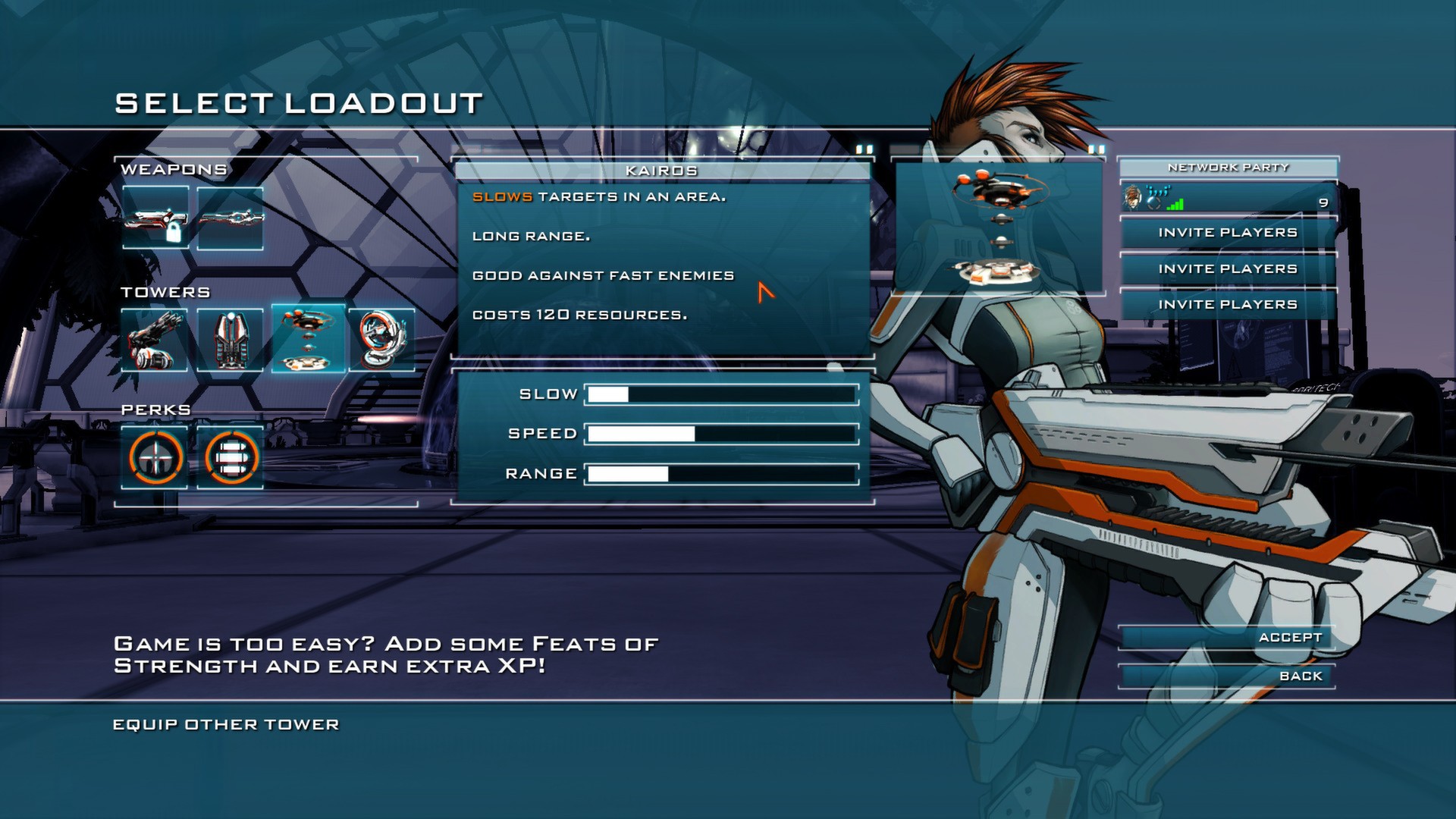 In short, Sanctum 2 is a very good game if you enjoy both first-person shooters and tower defense games that demand a slightly heavier degree of thought and strategy than normal. It's an excellent fusion of two fairly disparate game genres, and while there are a few things that could be tweaked here and there, it's perfectly enjoyable as it is. Not only that, Coffee Stain Studios have demonstrated that they are open to constructive feedback, too, and will likely continue to improve the game after its release. Given the abuse and vitriol that has been hurled their way today, they would be perfectly within their rights to just say "fuck you" to all the ungrateful gamers who are bitching about their new release, to be honest, so I have to admire them for their self-restraint in dealing with these people.