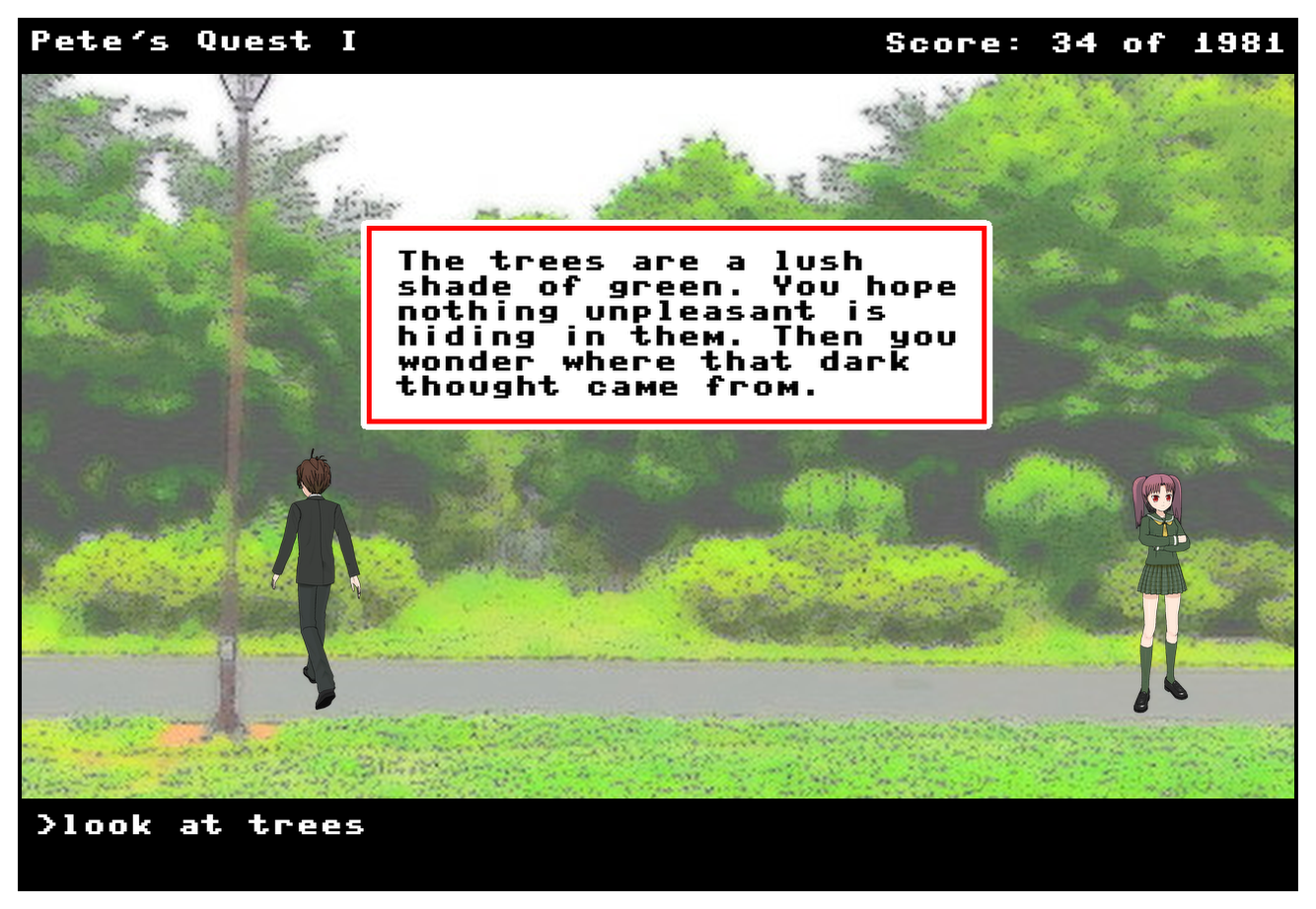
 Following on from my post the other day, I downloaded the first episode of King's Quest on PlayStation 4 today, and gave it a bit of a go earlier. Andie seemed to be enjoying it, so I paused for a bit while she went and had a nap, then we went and had dinner. Will probably play some more tomorrow.
First impressions are very good indeed, though. The game has a gorgeous art style, wonderful animation and a spectacular voice cast, including Christopher Lloyd, Josh Keaton and Maggie Elizabeth Jones.
Most notably, though, the game is very much aware of its heritage. I was concerned that a new developer taking on such a legendary series would lose some of the magic of the original — or worse, try and retrofit their interpretation over the top of the existing format, or "reboot" it — but my mind has been very much set at rest so far, with a story and characterisation that feels very true to King's Quest's lightly comedic (but, at times, surprisingly dark) fairy-tale nature.
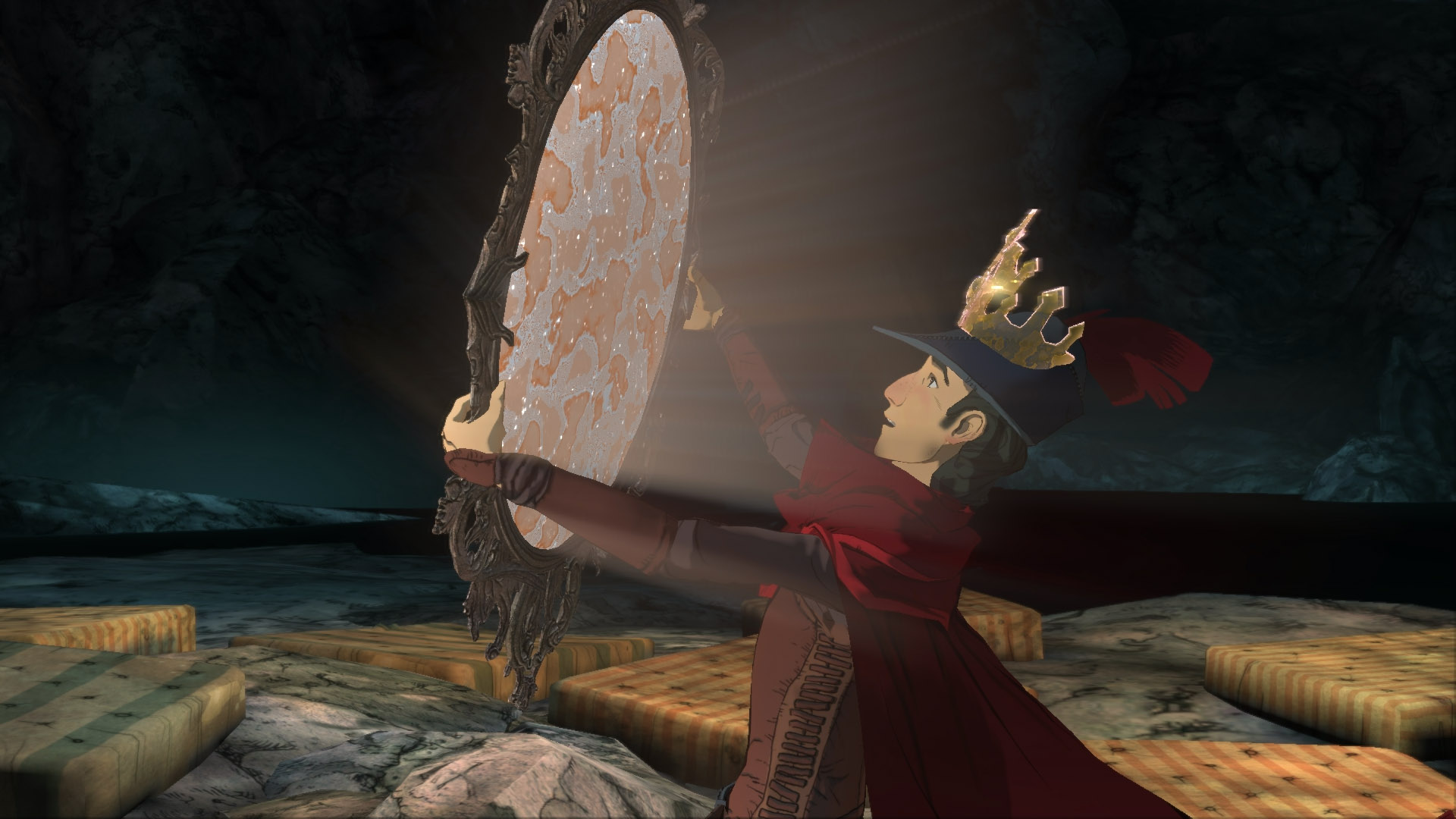
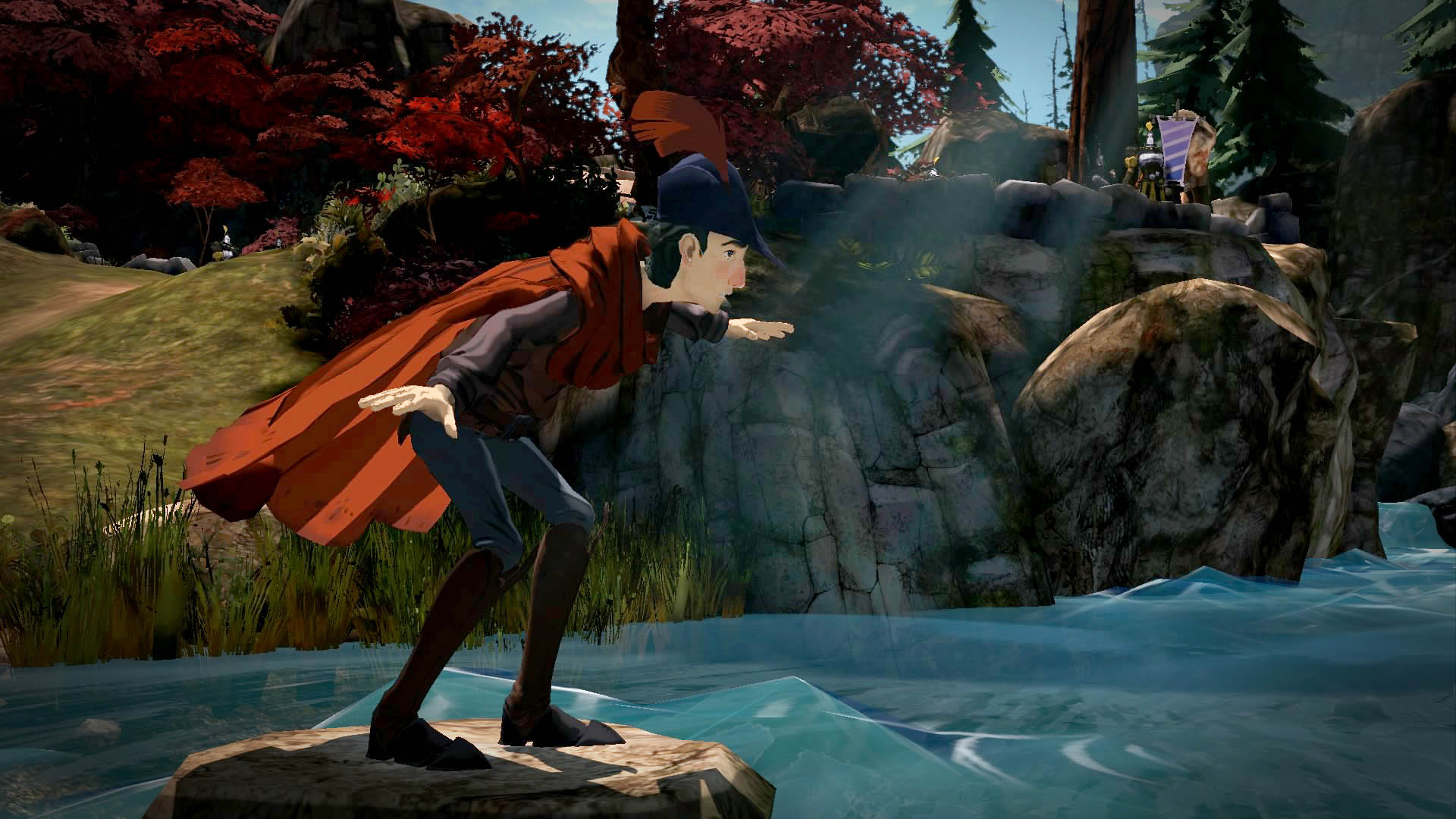
Of particular note in the animation regard is how much care and attention has been lavished on protagonist Graham. Although he's now a beautifully animated 3D model with a dramatically billowing cape as opposed to a tiny pixel dude with yellow skin, there's a bunch of wonderful little touches in the new game as callbacks to the original King's Quest games. Make Graham walk instead of run, for example, and his slightly cocky strut looks just like the crude walking animation of the original game's sprite. And in one sequence, you jump into a river; the animation as Graham flails about in the water is pretty much exactly the same as his old sprite did any time you wandered into a body of water and forgot to type "swim".
And, pleasingly, the new game incorporates the original series' fondness for killing you off in a variety of horrible ways — though, given the game's narrative framework of an elderly Graham narrating his past adventures to his granddaughter, any unfortunate demises are represented as Graham either making a mistake in his memories or cracking a joke.
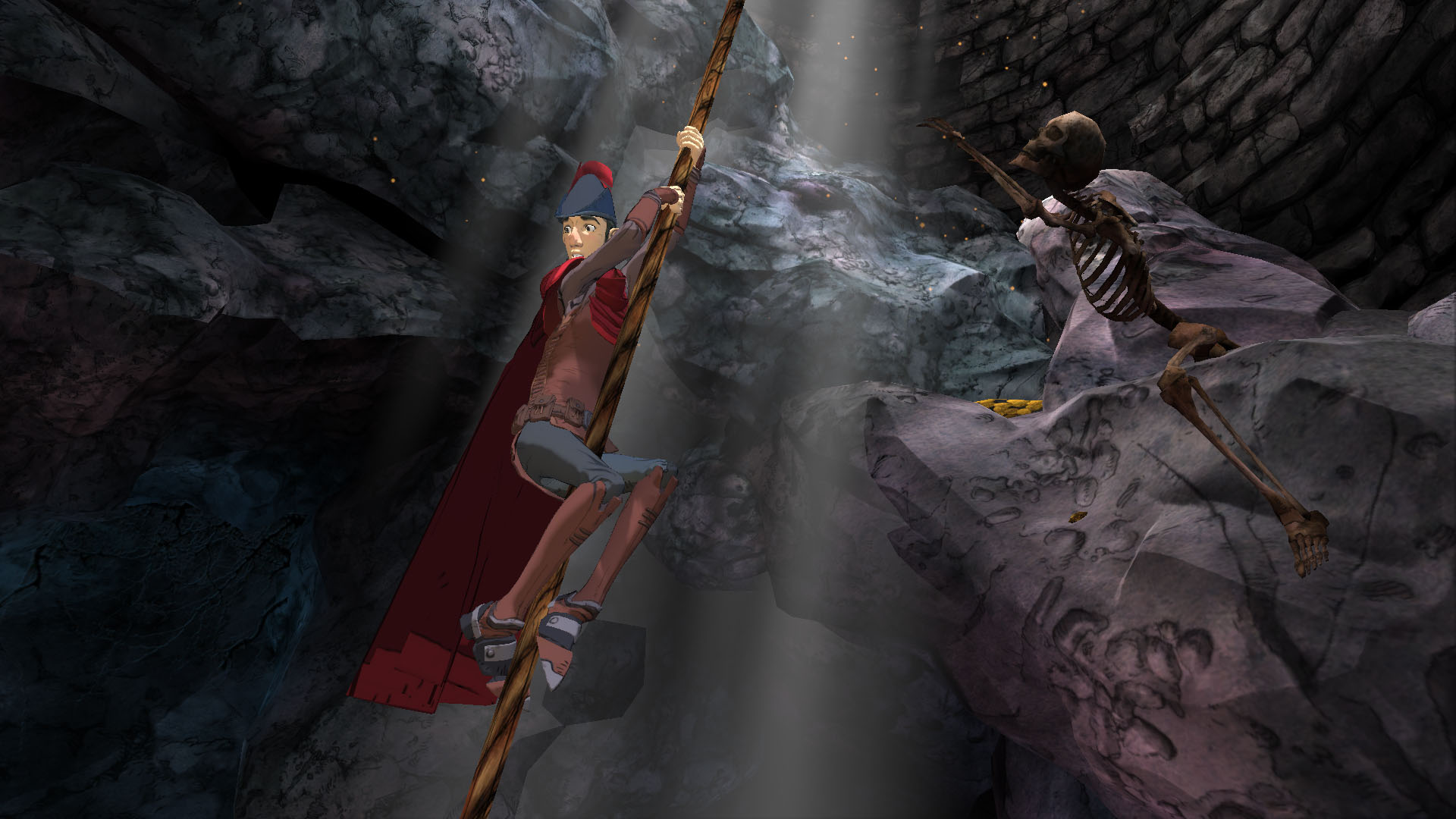
The use of old Graham as narrator allows the game to do something that a lot of modern adventure games these days don't do: use a narrator. This is one thing that made Sierra adventures unique and distinct from their biggest rivals LucasArts — in every one of their games, the narrator was as much of a character as the characters who had actual dialogue. In most cases, the narrator wasn't a participant in the narrative, instead taking an omniscient viewpoint of what was going on, but there was a very clear sense of authorial voice that was often distinct between Sierra's different series. The narrators of King's Quest used flowery language and occasional cringeworthy puns — a habit Graham has picked up in the new game — while Space Quest and Leisure Suit Larry used lowbrow humour to good effect. Gabriel Knight, meanwhile, took the bold step of having a narrator with a very strong Creole accent explain what was going on — stylistically appropriate, though initially jarring if you were used to the somewhat cleaner, more easily understandable tones of the American narrators of Sierra's other games. (Once you became accustomed to her drawl, however, she delivered some delightfully sarcastic zingers at Gabriel's expense throughout the game.)
Pleasingly, old Graham's narration pays attention to what you are doing and has a variety of responses for when you try to do the same thing over and over again. There's no Discworld-style "That doesn't work!" here; instead, keep trying to do something that's clearly wrong and old Graham will come up with more and more fanciful reasons about his futile attempts, until eventually his granddaughter stops him in most cases. There's also a delightful running joke about That One Adventure Game Item You Use For Everything when you discover a hatchet which comes in useful for a while. After its final task, however, Graham leaves it behind, with old Graham putting special emphasis on the fact that he would "not need it ever again". (Prior to this, of course, you were free to attempt to use it on anything and everything, with suitable comments from both Graham and Gwendolyn along the way.)
So far, then, I'm delighted by how King's Quest has turned out. It's smart, funny, beautiful and captures the essence of the old games while bringing them right up to date. I'm looking forward to see how the remainder of this first episode continues — and how the series as a whole develops over time.
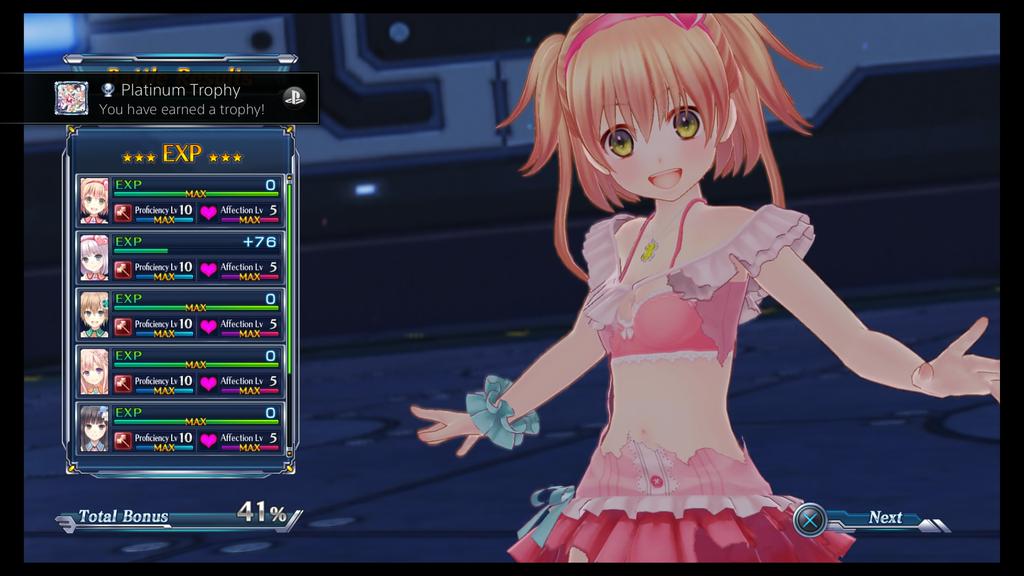
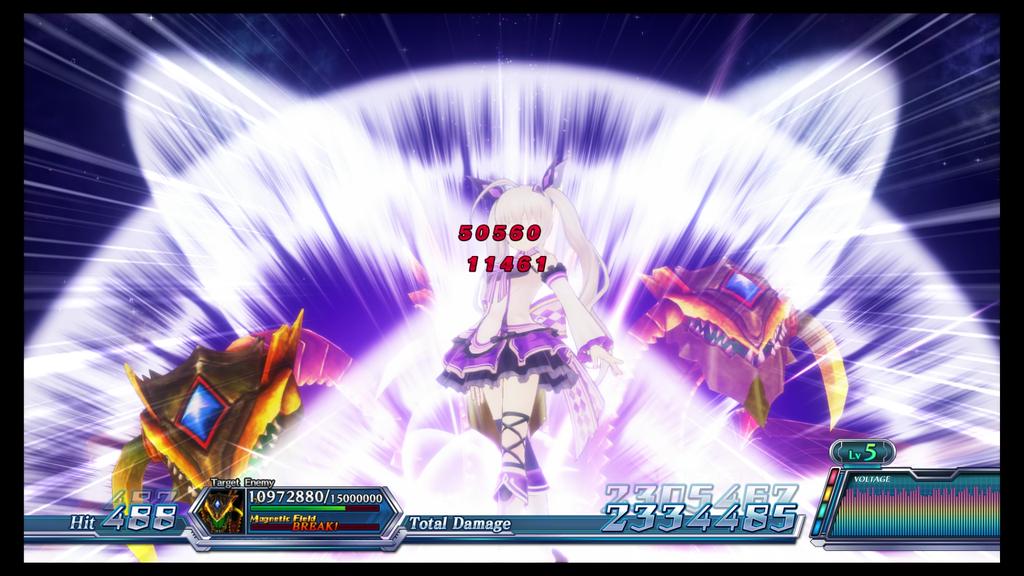
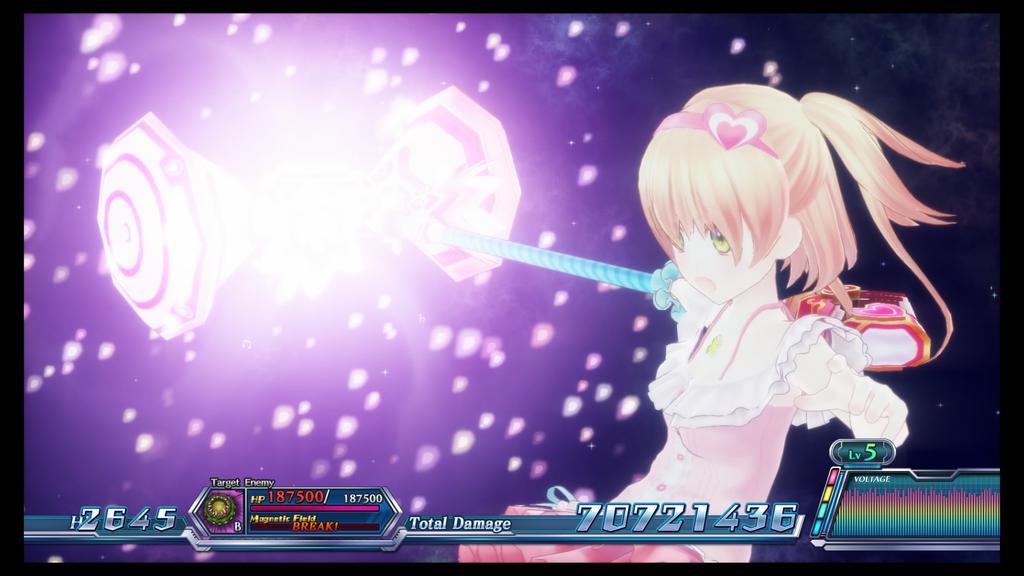
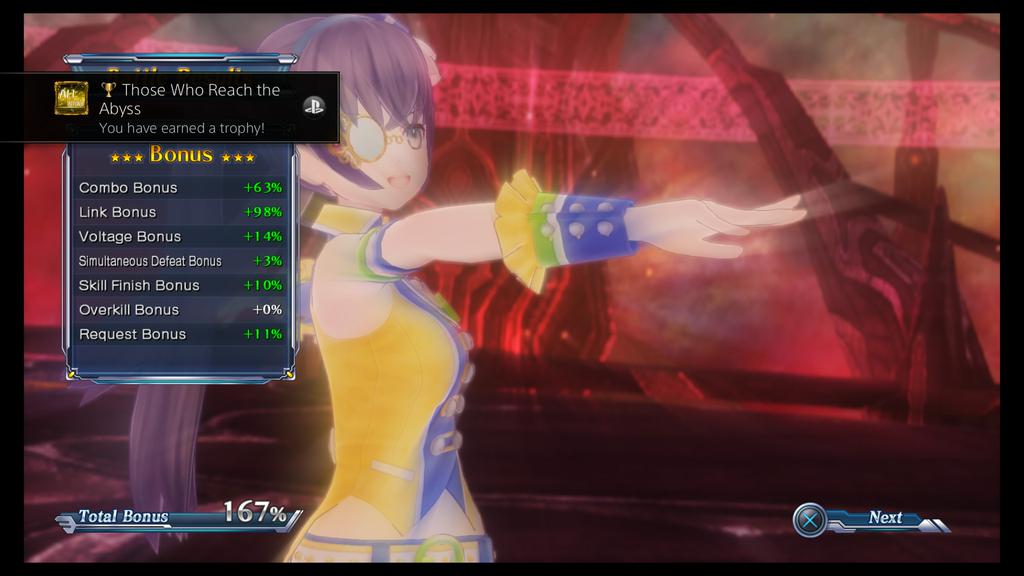
 I finally finished getting the Platinum trophy in Omega Quintet this evening, and feel I've had a thoroughly satisfying time with that delightful game. It remained fun for all of the 170 hours I played it for — excluding the Order Break-happy bosses in the DLC dungeons, which can fuck right off — and I'm pleased that Compile Heart has got off to a running start in the PS4 era.

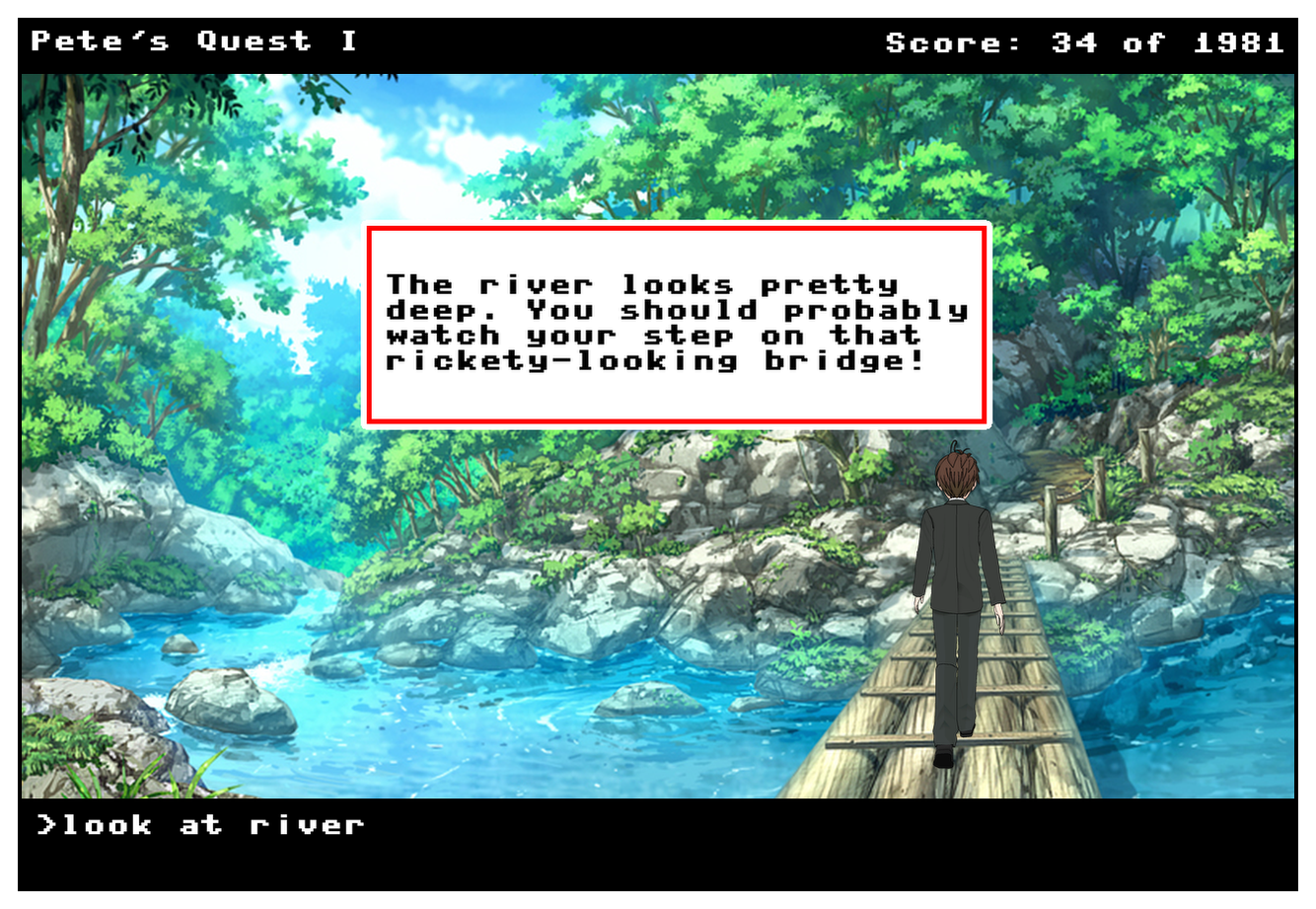 It's weird to see a new King's Quest game on sale. I haven't tried it myself yet — I'm probably going to — but the early buzz surrounding it is very positive indeed, even sans involvement from series creators Roberta and Ken Williams.
 I was chatting with my friends earlier this evening about the matter of achievements and trophies in games. As long-term readers will know, my opinions on these metagame awards that were introduced with the last generation of games consoles have gone back and forth somewhat, but on the whole I feel I'm starting to come down on the side of liking them.
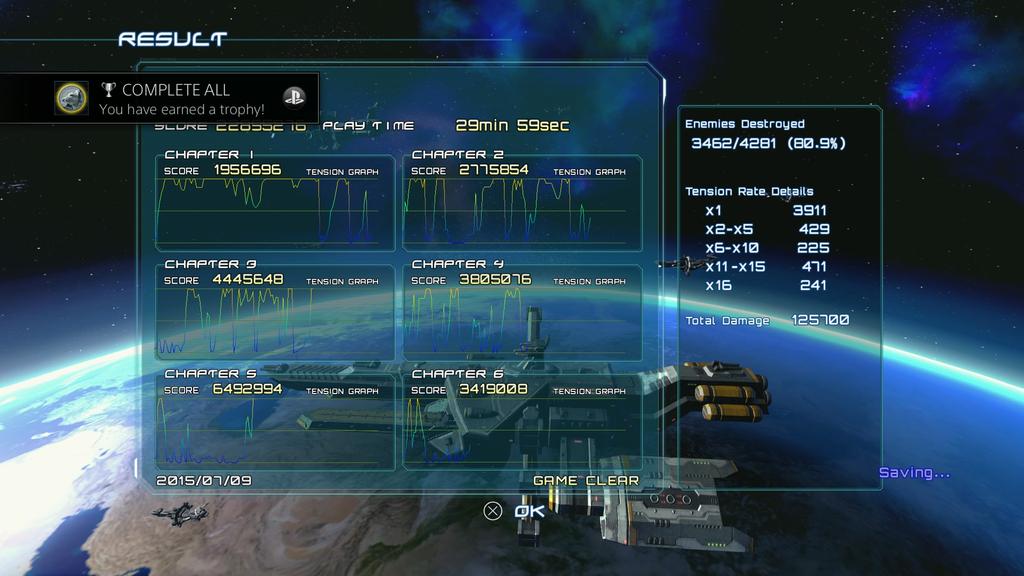

 One of the best — or worst, depending on your perspective — things about PlayStation Plus is that there are regular deals on a wide variety of games, seemingly almost at random. During these sale periods, games drop to Steam sale-tier prices (i.e. £2-3 for a typical indie game) and consequently make trying some new things out a rather more appealing prospect than it might be under other circumstances.
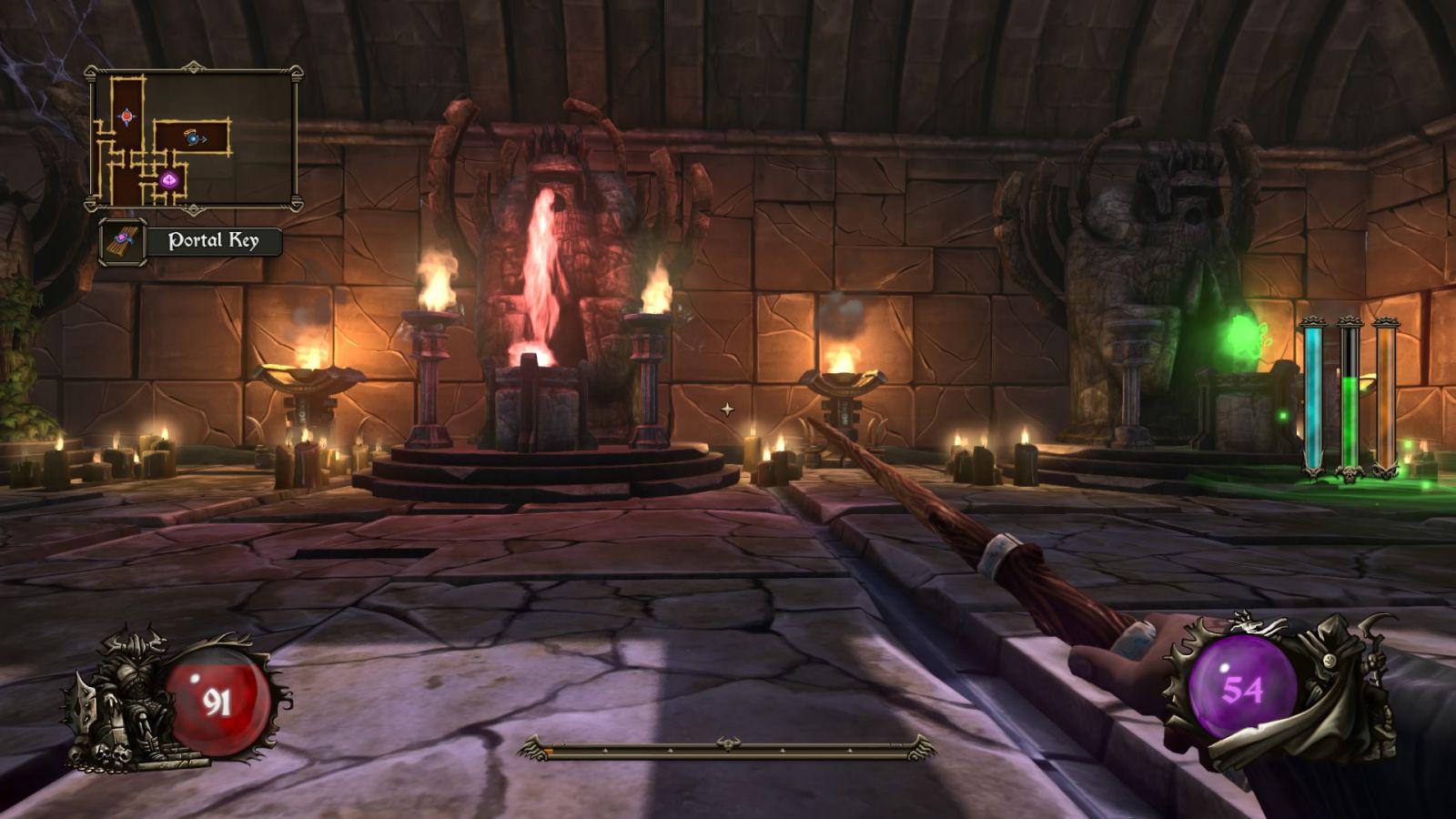
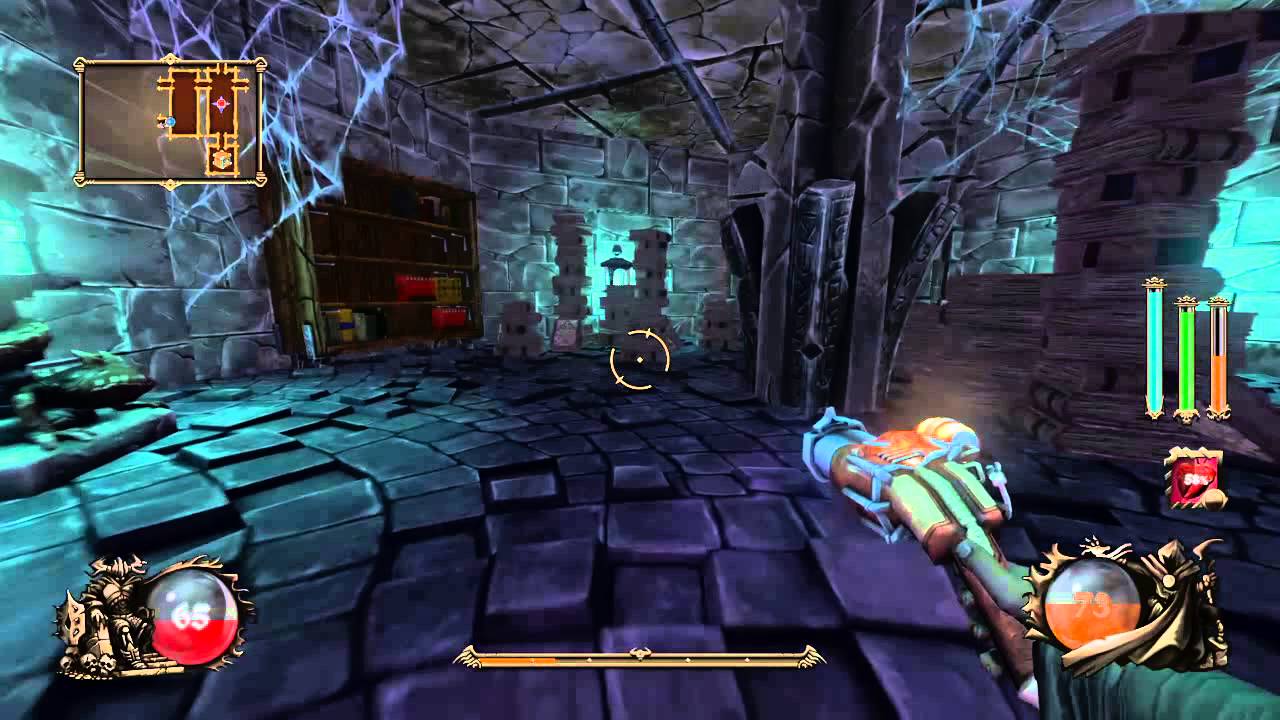
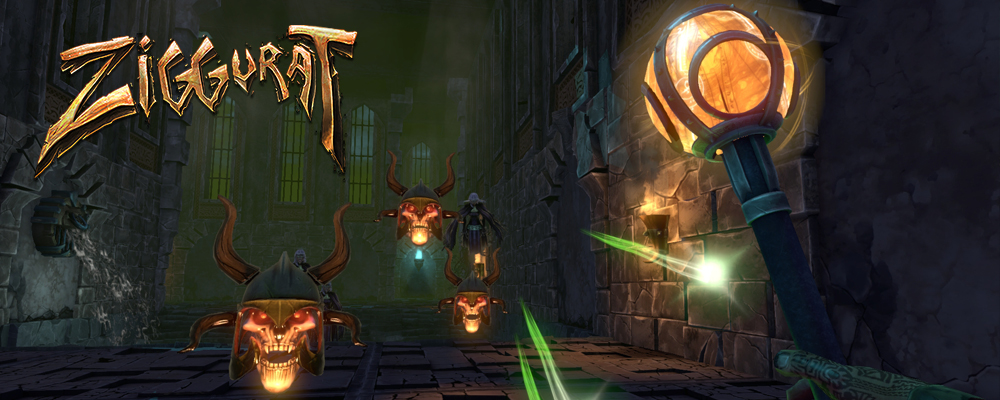 Ziggurat is the latest in the interminable line of "roguelites" out there; that offshoot of the roguelike genre that keeps the "permadeath" and "procedurally generated" parts and ditches the heavy-duty stat crunching and turn-based exploration in favour of something a bit more immediate, accessible and, in many cases, action-packed. Sometimes it works better than others; procedural generation is something that is very impressive on paper, but in practice it can often lead to levels that are chaotic messes with no real sense of "design" about them, just some tiles splattered around the map at random. This sort of thing is fine in an ASCII roguelike, but less fine in a game with actual visuals.
 Although I'm not pretending to have any real understanding of social interactions in general — in fact, as I often mention, I go through life feeling like I really do't know what to do in a lot of "everyday" social situations — I find the way little communities and cliques develop to be fascinating, both to observe from the outside, and to be a part of from within.
 Interesting indie game time? Interesting indie game time.

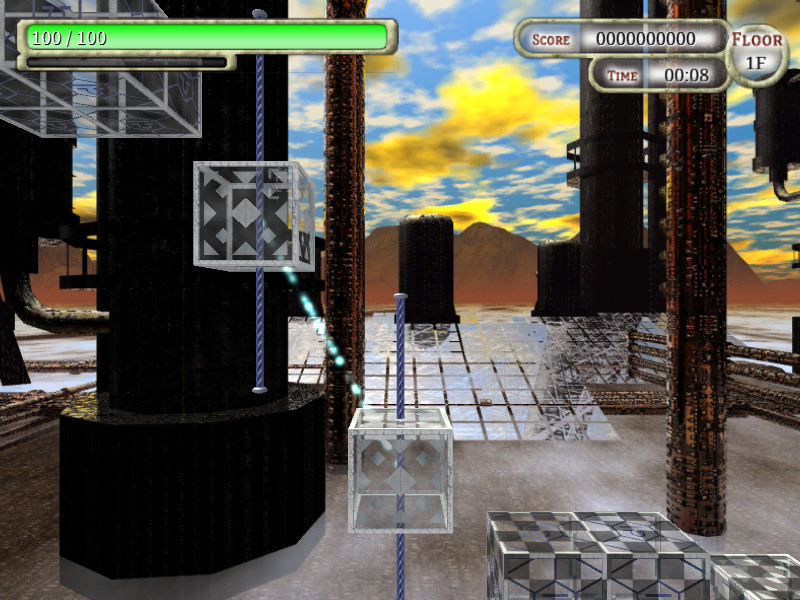
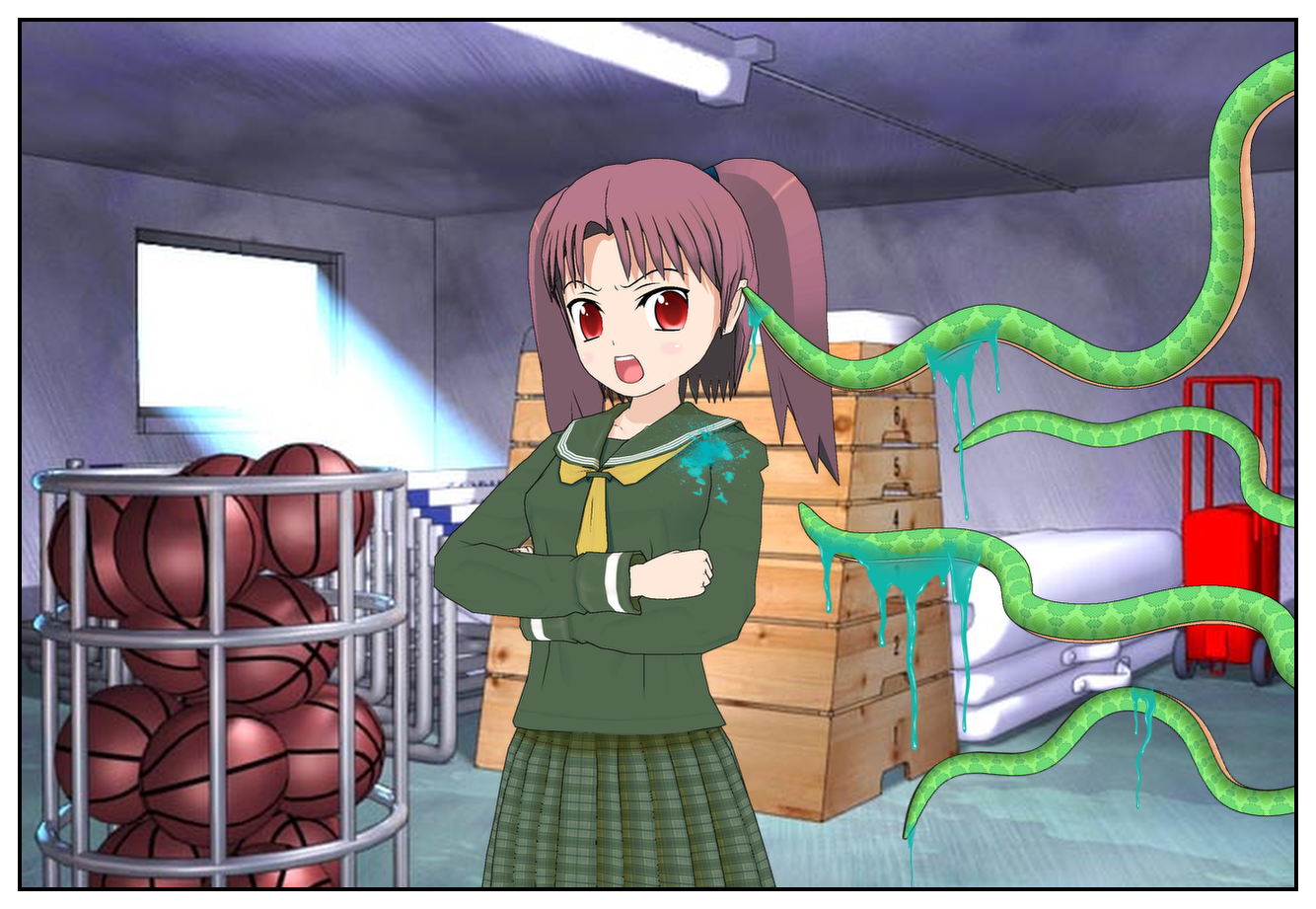 It occurs to me that I haven't yet written about Tentacle Bento, a card game I picked up at PAX but have only recently had the opportunity to try for the first time.


 A little while ago, I
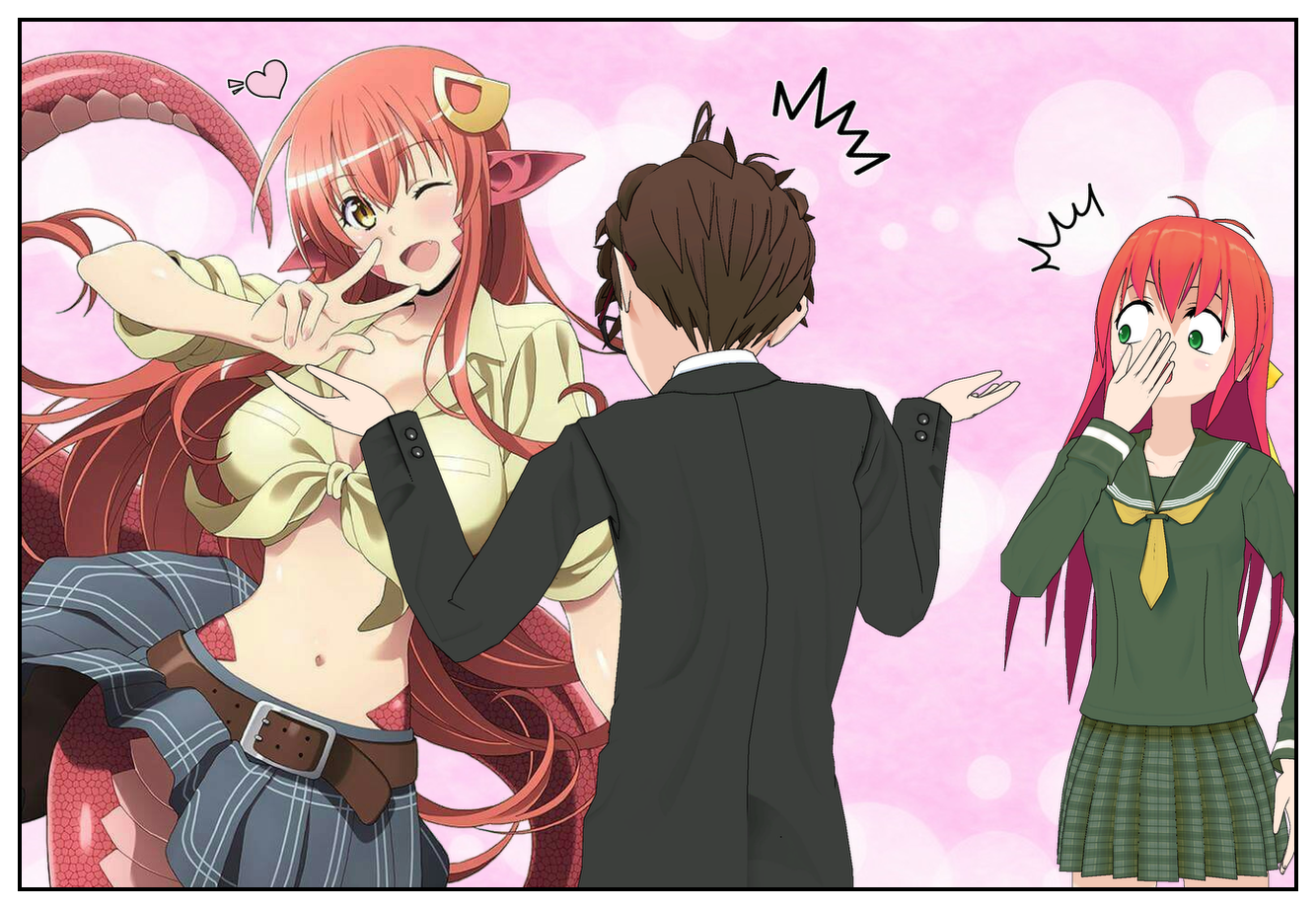 One of the highlights of the current anime season for me right now is Monster Musume: Everyday Life with Monster Girls (typically shortened, as appears to be the custom nowadays, to MonMusu).
 Protagonist Kurusu is a remarkably tolerant individual who takes most things in his stride — and he proves himself early on to be a dependable, reliable sort of person who stands up to people he feels are "wronging" those that he cares about. The main concept of MonMusu is, of course, a thinly-veiled racism allegory, and Kurusu represents an idealised interpretation of what a truly tolerant, inclusive sort of person should strive to be. He doesn't treat the monster girls any differently to how he would treat human girls; he doesn't refer to them as "monster girls"; he's patient and he explains things to them when they don't understand — which is pretty often, as you might expect. But he's not perfect, either; he's a young man who has no experience with women (and even admits outright that he's a virgin in an early episode) and consequently has hormones going pretty crazy in his body — particularly as the girls engage in provocative behaviour or fight over his affections. He's a good protagonist for this type of show, in other words — and mirrors the journey the audience goes on as they overcome the initial hurdle of trying not to judge the monster girls by their "monstrous" aspects and instead see them as just people.