
I've been watching Scrubs on Netflix recently, because somehow, despite E4 showing it nearly every minute of every day for several years (the other minutes being taken up by Friends) I've never actually seen the whole thing all the way through. I've seen most of it, but I've not seen the later seasons in particular.
Scrubs is an interesting show in that it strikes a good balance between comedy and drama. It's not a show that you can particularly pigeonhole easily, because it's experimental and strange and isn't afraid to have one-off episodes exploring interesting, weird concepts. In many ways, it's a bit like earlier shows that took a similarly experimental approach in a fairly mundane setting — I'm thinking stuff like Ally McBeal here — but it very much has a feel that is all its own.
One of the reasons I've been enjoying it so much recently is because I'm finding protagonist JD to be quite relatable, in a number of different ways. In particular, his naiveté and hesitance to truly join the "adult" world — even when confronted with challenging situations, such as those that he faces in his job as a doctor every day — are very familiar feelings to me, and as JD gets older over the course of the show's complete run, it's almost comforting to see that he doesn't really get any more comfortable with being a "grown-up"; although he's only a fictional character, it's nice to know that the way I feel sometimes isn't entirely unfamiliar to others!
Scrubs is also fun for the fact that it captures the atmosphere of working in a stressful environment rather well. There are people who handle stress with aggression and impatience — particularly if, like in Dr. Cox's case, they're dealing with other issues alongside anything that crops up at work — and there are people who deal with it using humour. There are some who take the humour further and confront difficult concepts by making use of black humour, and there are others who, at times, allow emotions to get the best of them. And then there are those who are able to leave all the troubles and difficulties of the working day behind them the second they walk out of the door; while this is arguably the best approach for one's mental health, is this really the best thing for those you are taking care of?
To cut a long story short, then, watching Scrubs on Netflix has given me an appreciation of why this show has remained so consistently popular since it first appeared in 2001. I haven't yet seen the notoriously different final season, though I'm curious to, even if it's as much of a shift from the original format as it apparently seems to be. Even if it's rubbish, though, there's plenty of good stuff in the preceding seasons, and it remains timeless television that I can see remaining relevant to many people for many years to come yet.

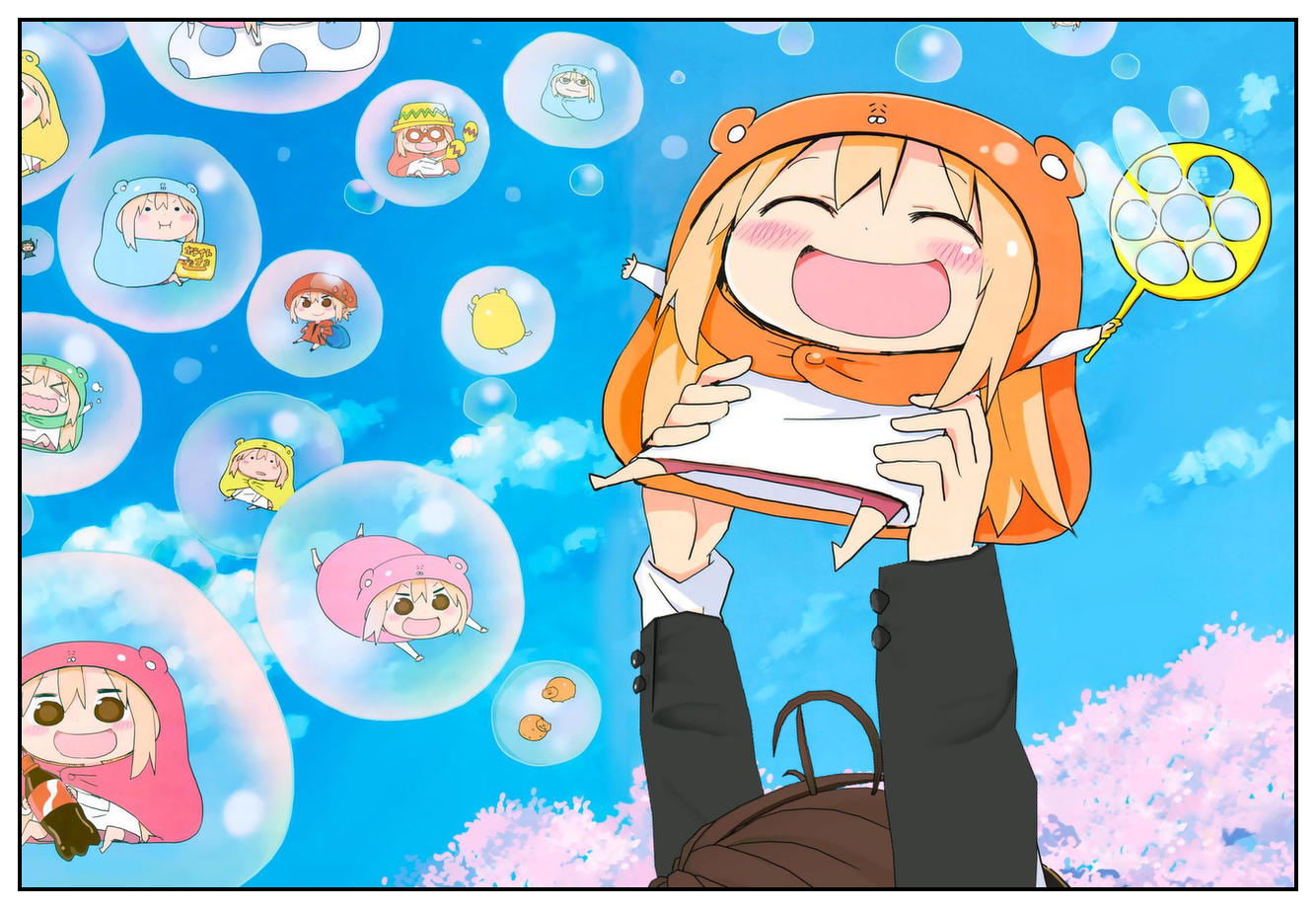 One of the highlights of the current anime season is Himouto! Umaru-chan, a rather odd little show that takes the Squid Girl approach of splitting each "episode" up into several shorter little vignettes in which nothing really happens, but it's entertaining nonetheless.
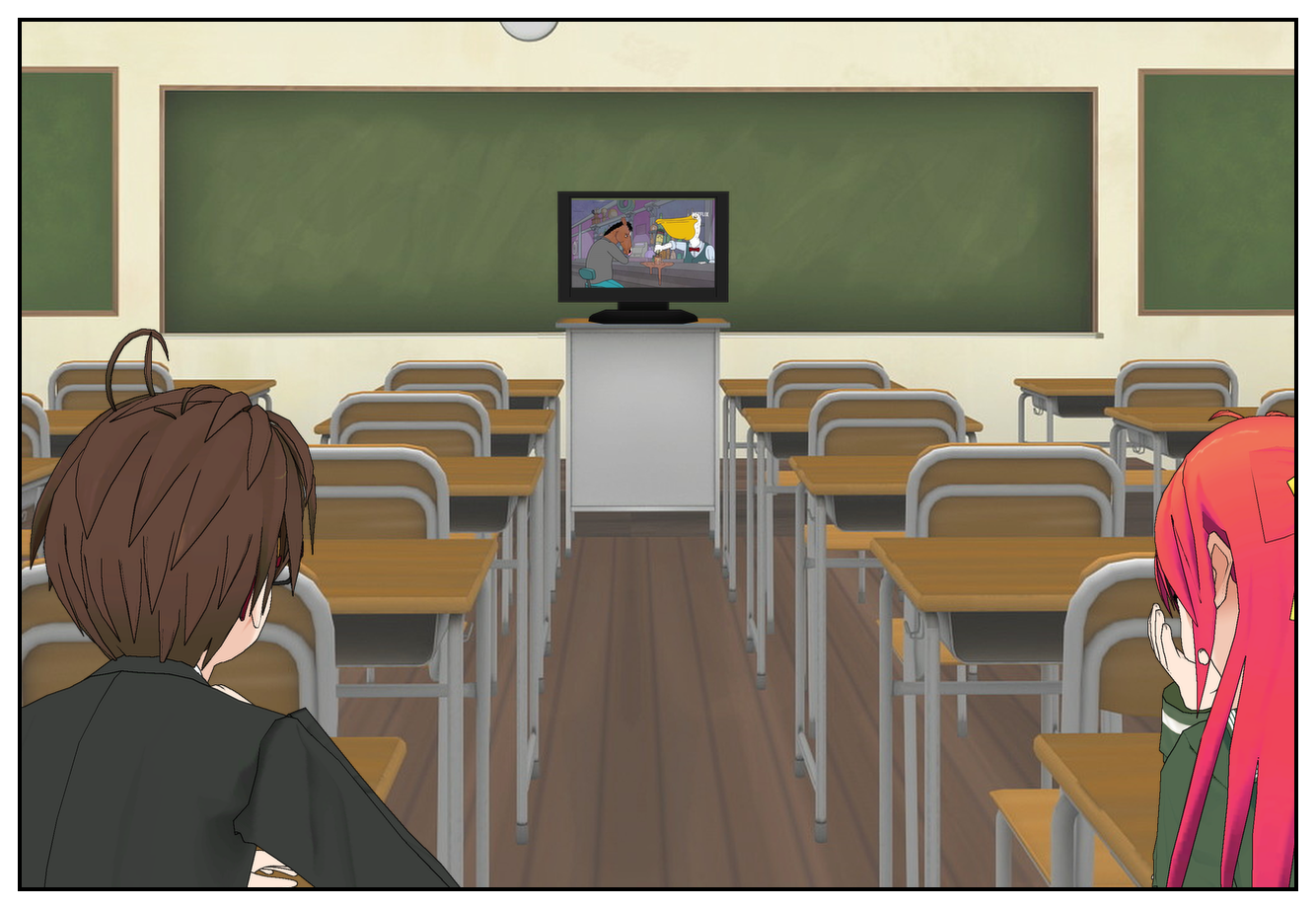 I've been watching a fair bit of Netflix's original content lately. I'll freely admit that I'd been resistant to the idea of an online service's exclusive content through irrational prejudices, but I'm pleased to have been proven very, very wrong indeed.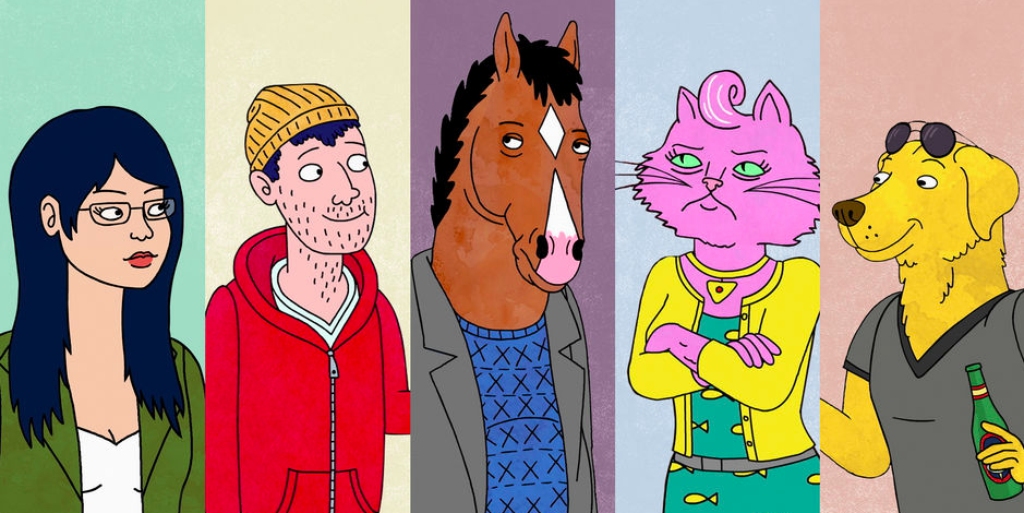

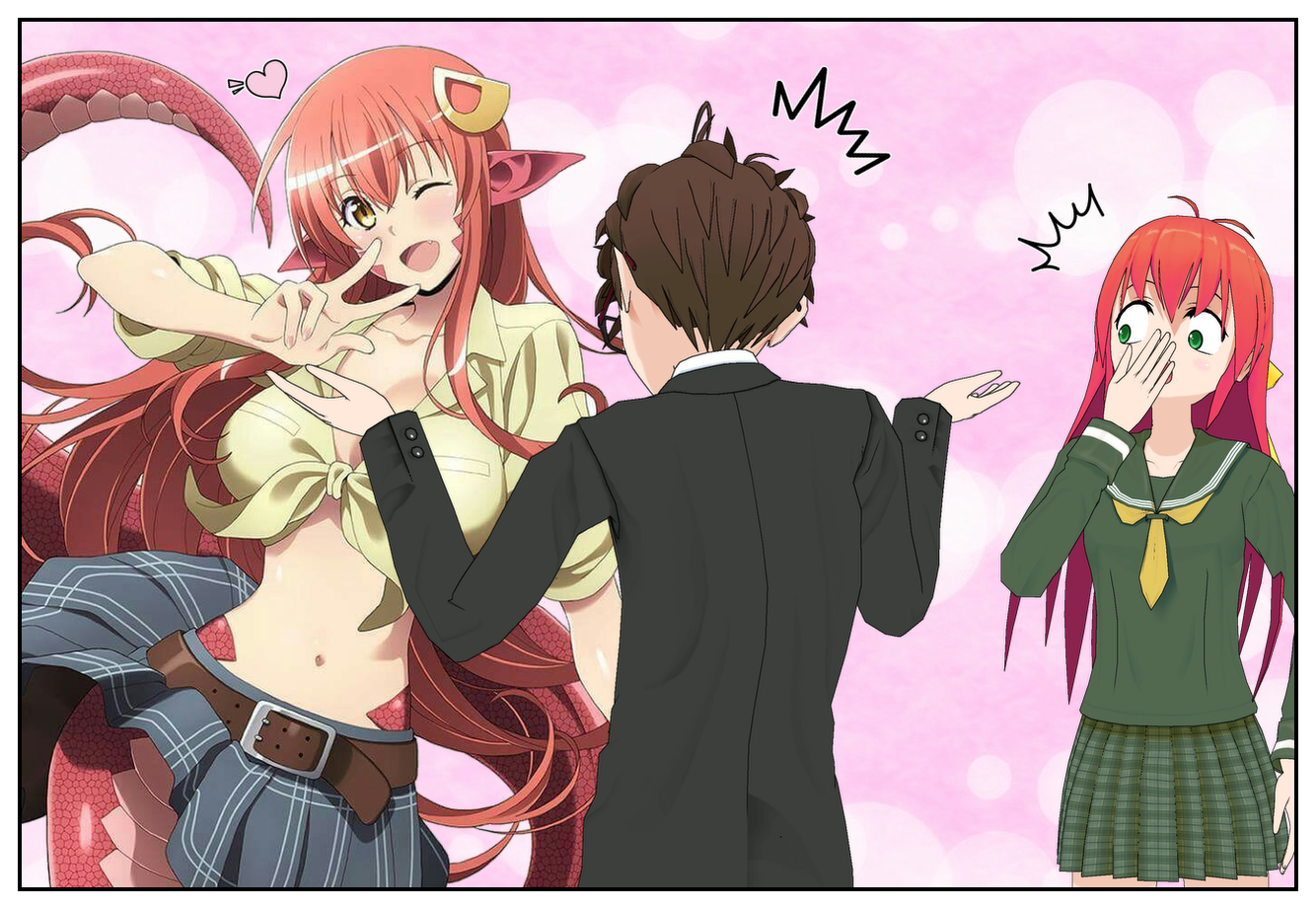 One of the highlights of the current anime season for me right now is Monster Musume: Everyday Life with Monster Girls (typically shortened, as appears to be the custom nowadays, to MonMusu).
 Protagonist Kurusu is a remarkably tolerant individual who takes most things in his stride — and he proves himself early on to be a dependable, reliable sort of person who stands up to people he feels are "wronging" those that he cares about. The main concept of MonMusu is, of course, a thinly-veiled racism allegory, and Kurusu represents an idealised interpretation of what a truly tolerant, inclusive sort of person should strive to be. He doesn't treat the monster girls any differently to how he would treat human girls; he doesn't refer to them as "monster girls"; he's patient and he explains things to them when they don't understand — which is pretty often, as you might expect. But he's not perfect, either; he's a young man who has no experience with women (and even admits outright that he's a virgin in an early episode) and consequently has hormones going pretty crazy in his body — particularly as the girls engage in provocative behaviour or fight over his affections. He's a good protagonist for this type of show, in other words — and mirrors the journey the audience goes on as they overcome the initial hurdle of trying not to judge the monster girls by their "monstrous" aspects and instead see them as just people.
 In between the "current" anime shows I've been trying to keep up on this season, I've been gradually working my way through High School DxD (no, I still don't really know what the DxD is for — likely something to do with devils) and like it more with each episode.
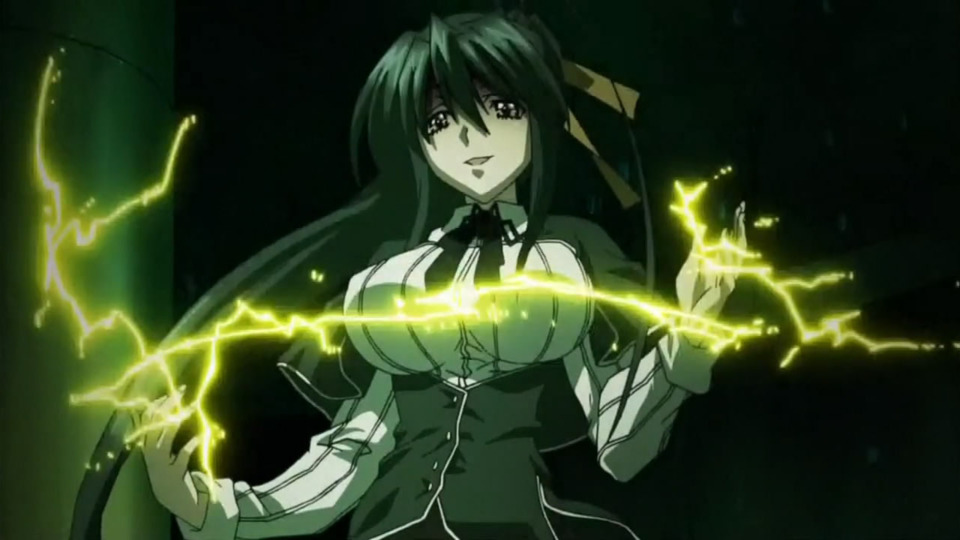

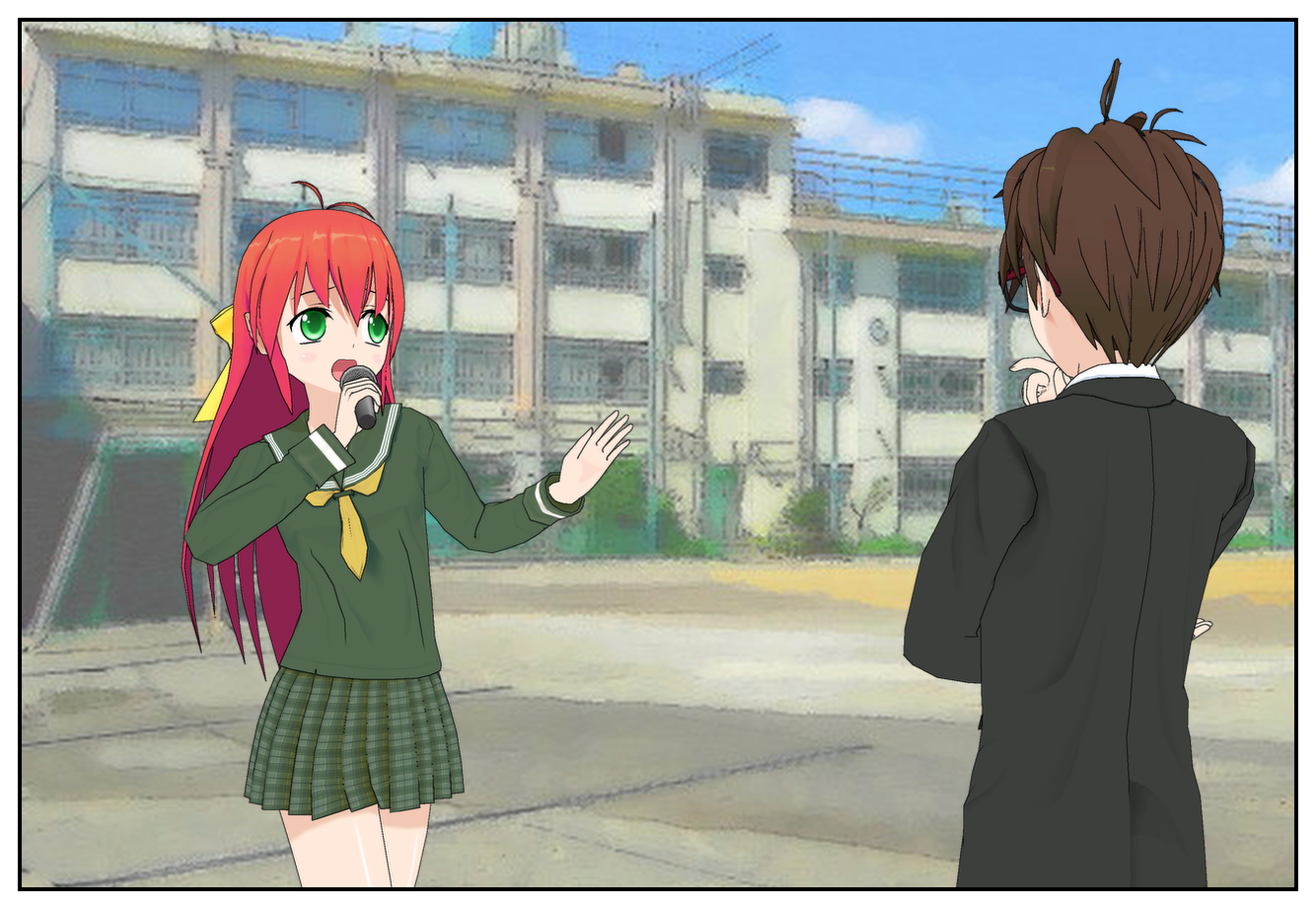



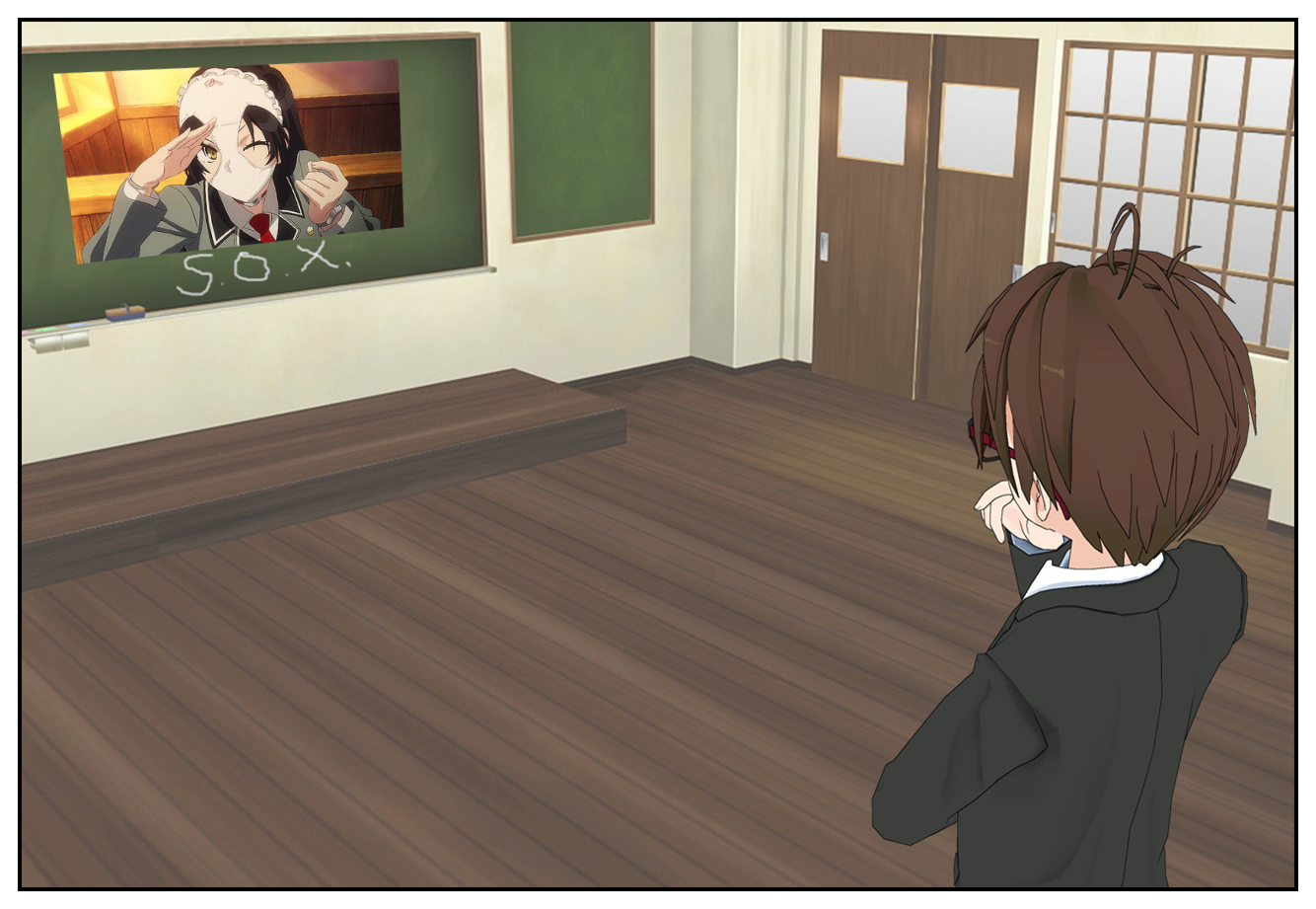
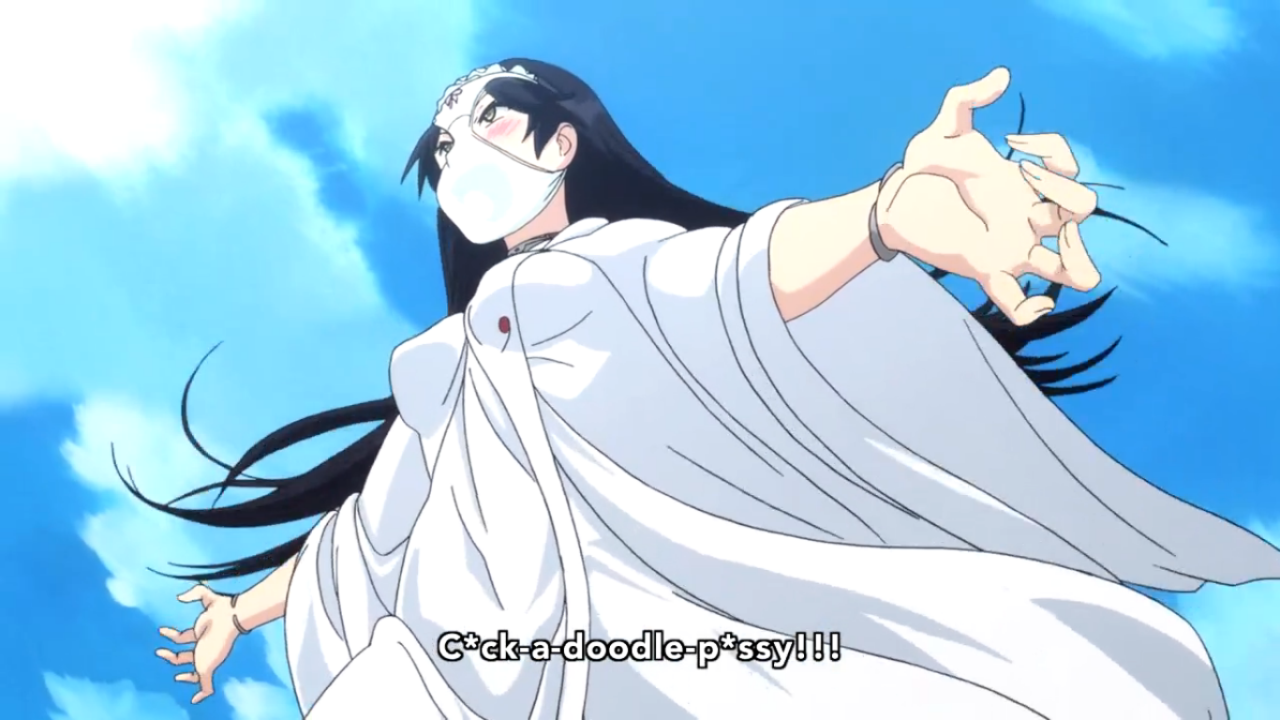
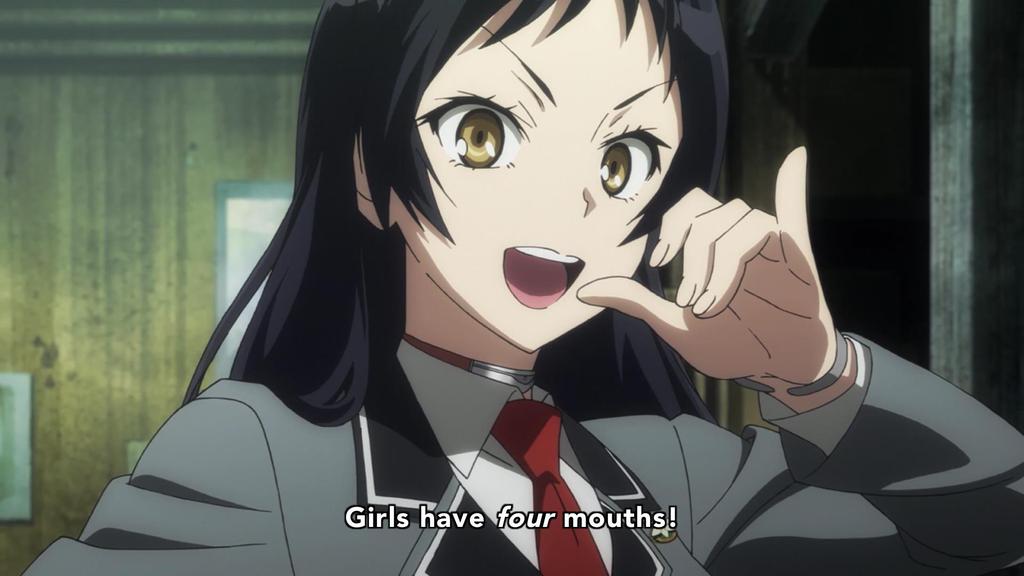 Speaking from a Western perspective, Shimoseka feels even more curiously relevant considering the growth in "moral policing" that there's been over the last few years. Given that Japanese media is often on the receiving end of these tedious tirades from self-appointed "think of the children" moral crusaders, it's entirely appropriate that it would be a Japanese work that shows the inevitable consequences of allowing this sort of behaviour to continue unchecked. It's obviously an extreme example, but it's powerful and relevant given the climate of "criticism" (and I use that term loosely) that we live in today. I find it hard to believe that this angle couldn't have been deliberate; while Japan generally doesn't give much of a shit what prudish Westerners think of their pretty cartoon girls with big tits, many creators have doubtless run into these attitudes at one time or another, and Shimoseka has — so far, after two episodes, anyway — acted as an excellent smackdown to such criticisms, albeit in a fairly heavy-handed manner.