So Microsoft announced the third-generation Xbox console today, and just to confuse everyone they called it the Xbox One. I can't quite make up my mind whether this is more or less stupid than the "Xbox 720" moniker that everyone inexplicably latched onto a while back, but the fact remains that it's a stupid name. And not stupid in the same way that the Wii has a stupid name; no, calling the third Xbox "Xbox One" is stupid in that it is misleading and confusing. Have Microsoft learned nothing from Nintendo's apparent difficulty at communicating that the Wii U is a completely separate system from the Wii?
It seems not. And apparently Microsoft are not particularly keen to learn from anything either — least of all the general buzz surrounding the machine prior to its official reveal today.
No mention was made of the rumoured "always online" requirement, at least — though that doesn't mean it won't be there, of course — but in possibly the biggest facepalm news of the day, it was revealed by Wired that the Xbox One will indeed feature some anti-used games technology — not an outright block as was originally rumoured, thankfully, but instead an apparent requirement that all games be installed, and that once a game is installed it is tied to a single "account". Other "accounts" (and it's not clear whether this refers to a single console or literally a single user) may install and run the game by paying a fee. It's not yet been announced what this fee will be… but it's there.
Here's the quote from Wired:
There’s one feature of Xbox One from which we can infer quite a few conclusions: You can install any game from the disc to the console’s hard drive, and then play that game whenever you like without having to put the disc in.
Wired asked Microsoft if installation would be mandatory. “On the new Xbox, all game discs are installed to the HDD to play,” the company responded in an emailed statement. Sounds mandatory to us.
What follows naturally from this is that each disc would have to be tied to a unique Xbox Live account, else you could take a single disc and pass it between everyone you know and copy the game over and over. Since this is clearly not going to happen, each disc must then only install for a single owner.
Microsoft did say that if a disc was used with a second account, that owner would be given the option to pay a fee and install the game from the disc, which would then mean that the new account would also own the game and could play it without the disc.
But what if a second person simply wanted to put the disc in and play the game without installing – and without paying extra? In other words, what happens to our traditional concept of a “used game”? This is a question for which Microsoft did not yet have an answer, and is surely something that game buyers (as well as renters and lenders) will want to know. (Update: Microsoft called Wired after this story was originally published to say that the company did have a plan for used games, and that further details were forthcoming.)
Some of that quote is, of course, drawing conclusions from the things that Microsoft said (and, for that matter, didn't say) but the fact that this "fee" is present at all is further evidence of the growing anti-consumer trend in the mainstream gaming industry. Between all the stupid preorder bonuses, season passes, DLC that should have been part of the game in the first place, Online Passes (recently discontinued by EA — now we know why!), the "business" side of things is not presently particularly friendly to the people who, ultimately, hand over the money at the end of the day: the consumers.
The fact that Microsoft implemented this system at all is utterly bewildering. Surely someone at the company noticed the overwhelmingly negative attitudes expressed towards even the slightest rumour that the new Xbox would either block or restrict access to used games. There is absolutely no way that no-one at Microsoft would have noticed this — which means that they've taken an executive decision to simply ignore public opinion. This smacks of arrogance — and of pride before a fall. Although there are already Microsoft apologists in comments sections across the land saying that they "don't mind" this proposed "fee" system, there are significant numbers of people saying they will jump ship to Sony if this is the way that things are going to be.
Sony learned this lesson the hard way after enjoying the huge success of the PS2 and then falling on their asses when they tried to overreach with the PS3 — something they still haven't quite recovered from. That left room for Nintendo to swoop in and corner the market with the technologically-inferior Wii, and then for Microsoft to catch up with its successful courting of the casual gaming "dudebro" contingent who play little more than Call of Duty and Madden. While Microsoft has built itself a considerable degree of brand loyalty over the last few years, they're in serious danger of "core gamers" (ugh) leaving them in favour of the PS4 if they're not careful.
But perhaps this doesn't worry them at all. The Xbox brand has gone from a hulking dark grey slab that featured a warning not to drop it on children in its manual (really) to an all-in-one entertainment solution with an appalling interface and an all-but-mandatory subscription fee if you want to do anything vaguely cool with it. People are still buying the 360 even though its user experience has gradually got significantly worse over the years — and despite a proven track record of hardware failure. The Call of Duty loyalists still see their beloved game as an Xbox-centric title. With all these people, perhaps they don't need the support of the more dedicated gamers who want to do more than indulge in brown-tinted manshoots. Perhaps the Xbox One will be little more than a Call of Duty machine so far as games are concerned.
To be honest, if that happens, it's actually fine with me — it saves me a few hundred quid. It's just a bit sad that what should be something exciting — new consoles for the first time in quite a long while! — is instead reacted to with caution and cynicism rather than genuine enthusiasm. How the times have changed.
I'll revisit my opinion on the Xbox One once I see some games for it. But for now, Microsoft have done a very bad job of selling it to me — someone who has been playing games since he was old enough to pick up a joystick. And I'm not alone in that viewpoint.
 I've been replaying Gabriel Knight: Sins of the Fathers recently. I've been meaning to do this for some time now and have in fact restarted it several times, but never got around to finishing it for various reasons. This time is "the charm", though, and I intend on running through the whole series — I can't remember much about The Beast Within (except, bizarrely, for the puzzle solution "Thomas? Thomas? Herr Doktor Klingmann here. Show our wolves to Mr. Knight.") and I've never finished Blood of the Sacred, Blood of the Damned. Perhaps more impressively, I've managed to survive this long without having the latter spoiled at all, though I do know it ends on an apparently-infuriating cliffhanger that will likely never be resolved. Oh well.
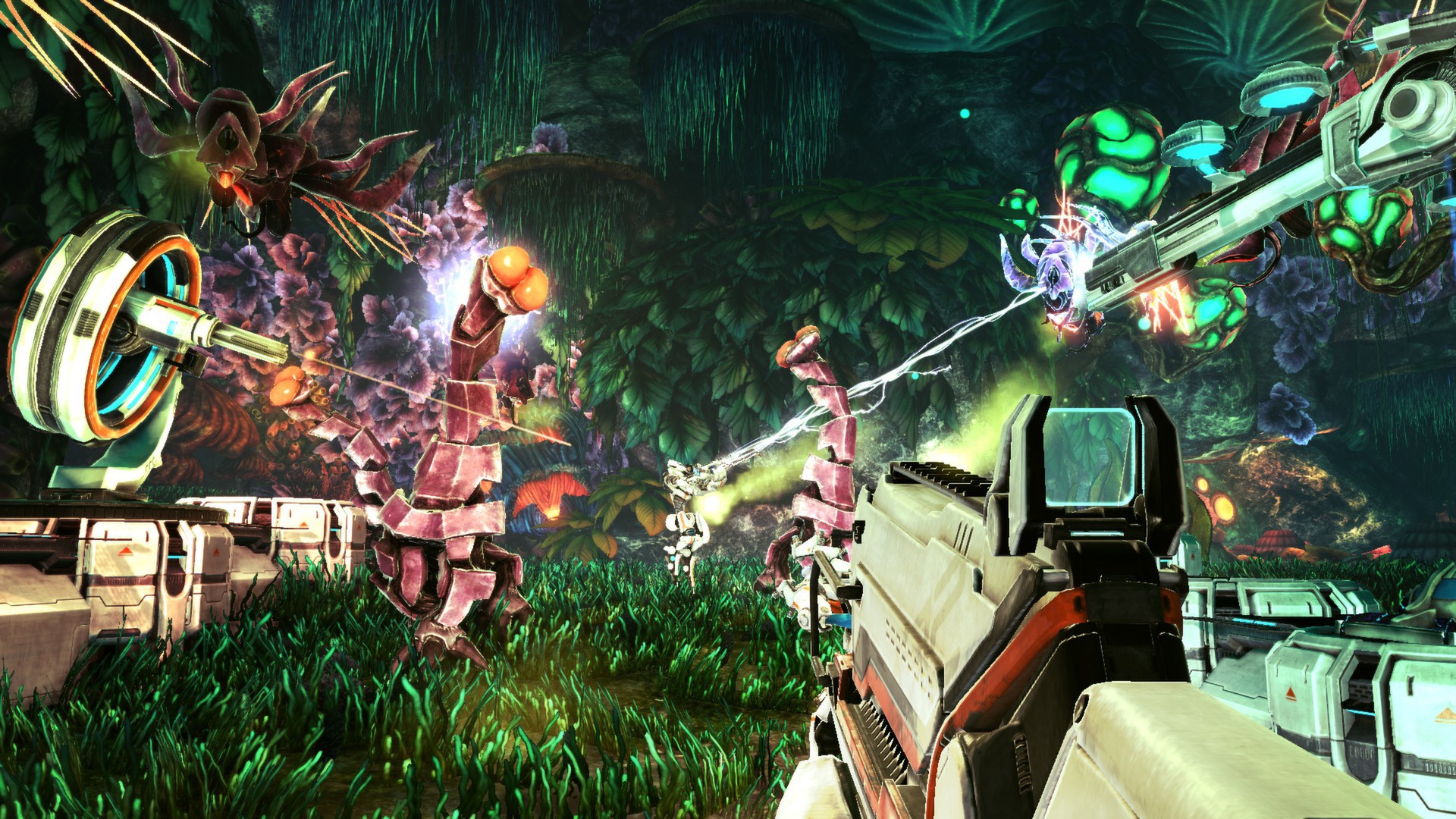 Mark and I played a bunch of a recently-released indie game today. That game is Coffee Stain Studios'
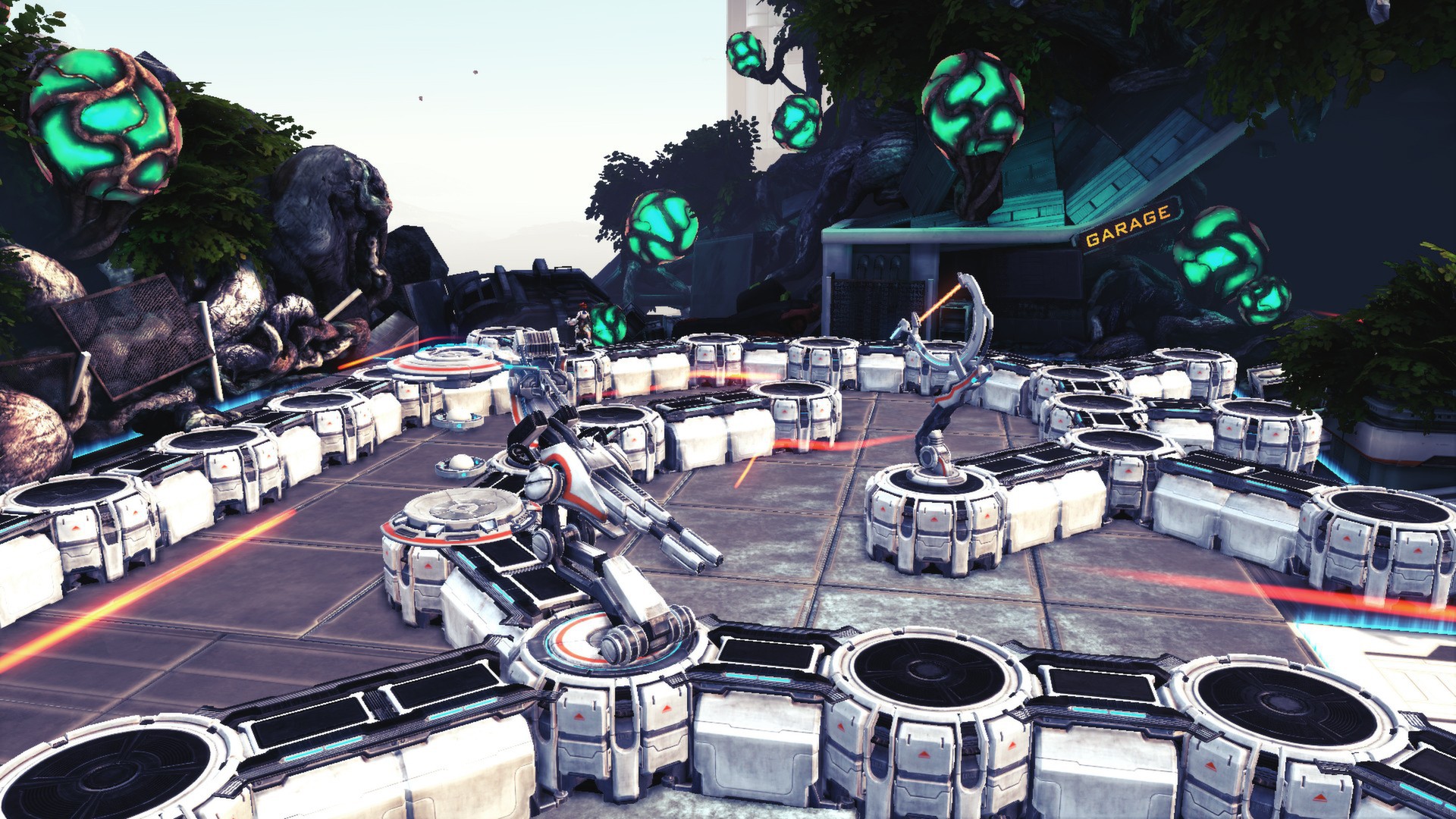 You know what, though? I've played a good 4 or 5 hours of Sanctum 2 today in total, and it's great. It isn't the original game, no, but why would you want it to be? Sanctum is still available for download, so if you like that, go play that. Sanctum 2 is a distinctive experience that, while in possession of a couple of strange design decisions, is a lot of fun to play both solo and cooperatively with other people. It is both strategic and action-packed; challenging and fun; and it offers a significantly greater amount of content and depth than the original game did when it came out of the gates.
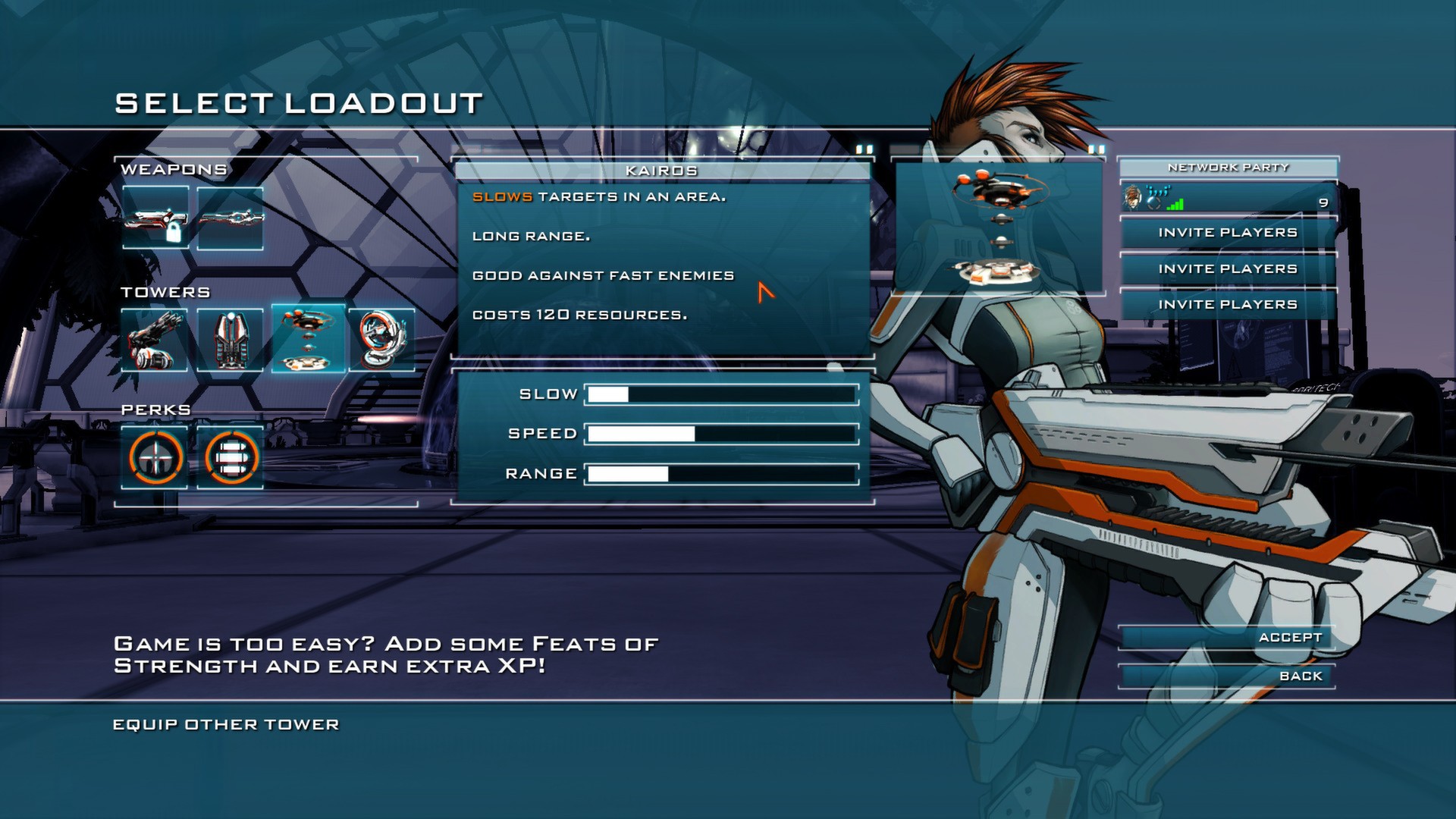 In short, Sanctum 2 is a very good game if you enjoy both first-person shooters and tower defense games that demand a slightly heavier degree of thought and strategy than normal. It's an excellent fusion of two fairly disparate game genres, and while there are a few things that could be tweaked here and there, it's perfectly enjoyable as it is. Not only that, Coffee Stain Studios have demonstrated that they are open to constructive feedback, too, and will likely continue to improve the game after its release. Given the abuse and vitriol that has been hurled their way today, they would be perfectly within their rights to just say "fuck you" to all the ungrateful gamers who are bitching about their new release, to be honest, so I have to admire them for their self-restraint in dealing with these people.

 I've already talked about both
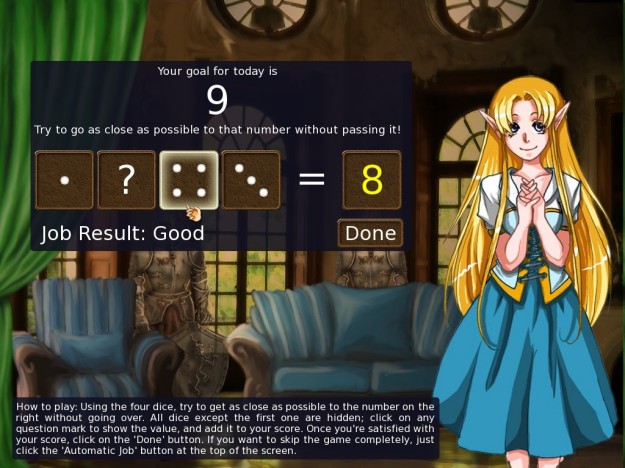 Both Long Live the Queen and Spirited Heart differ considerably, however, despite having fundamentally similar mechanics. Long Live the Queen sees you playing a predefined character — the titular Queen — and then sending her down the path of your choice, while Spirited Heart allows you a lot more freedom to design your own character and choose what your goals are, be they romancing a specific character or attempting to accomplish a mission set for you by your race's goddess. While neither of these games are particularly shiny or exciting to look at, I've found them surprisingly compelling, and they make me want to check out more games of a similar ilk.
 One reason I've been enjoying them a lot is due to their similarity to an old favourite visual novel/dating sim known as True Love (above). I first played this back in probably 1999-2000 and still think of it very fondly today, despite the fact it is an absolute bugger to get running on modern machines. Like the life sims I've been playing recently, True Love saw you managing your time carefully in an attempt to build up your stats enough to attract one or more of the game's heroines and make her your "true love". I attribute my present-day love of games like the Persona series to my earlier experiences with True Love, and I'm getting a lot of the same feelings from titles like Long Live the Queen and Spirited Heart, too, which is nice.
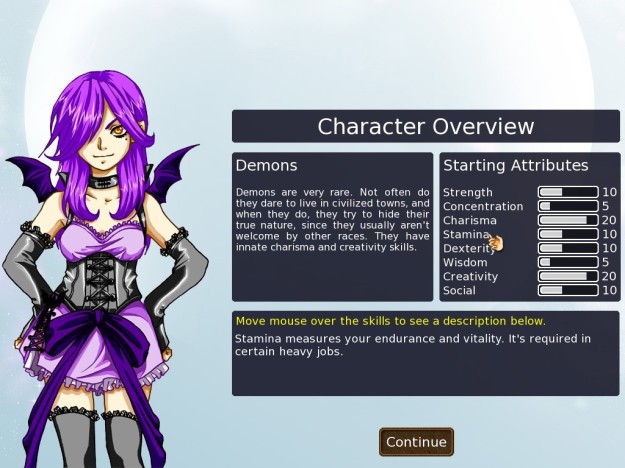 Spirited Heart does a number of interesting things that distinguishes it from Long Live The Queen. Chief among these is the fact that you're not playing a fixed character — you're playing one of your own design, to a certain extent anyway. There isn't any option to customise your character's appearance, for example, but the way you play does determine what sort of person your character ends up as.
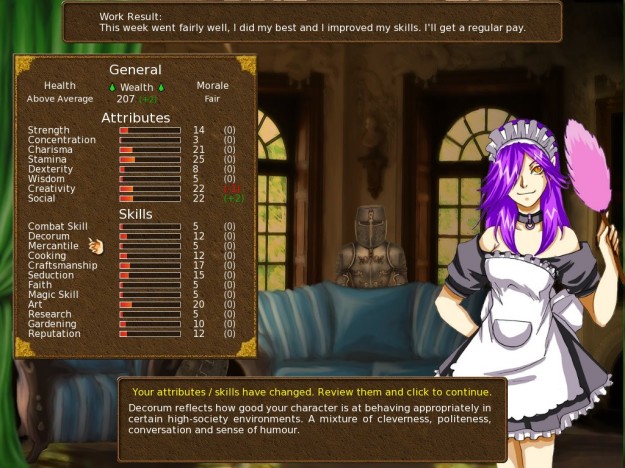 The way the game works is that each week, you choose whether your character goes to work or takes a week off. Going to work allows you to choose any occupations you meet the prerequisite stat requirements for, while resting allows you to restore your health and morale, which can often be negatively impacted both by going to work and through random events that occur. You can't go to work if you're too unhealthy or if your morale is too low, so sometimes you need to take a week off in order to progress. Working, meanwhile, often improves your stats and allows you to earn money, which can be used on more effective vacations when required.
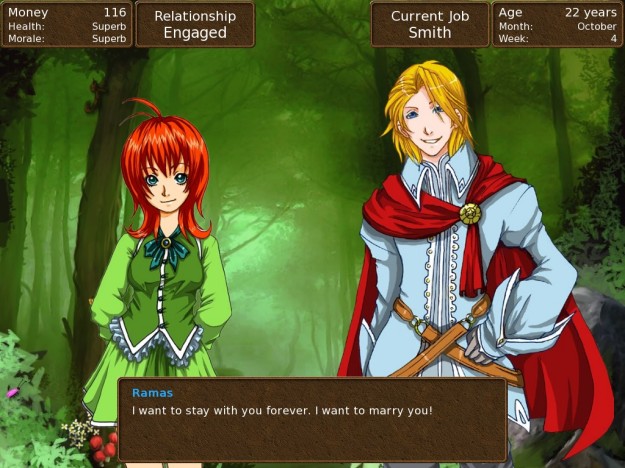 Just to confuse matters, partway through the game, my character was visited by her Goddess and tasked with attaining a particular "title" by the time she reaches the age of 30. Unfortunately, pursuing the elf of her dreams and following the Goddess' quest are not really compatible, since the Goddess' quest requires me to become an Artist, while pursuing the elf requires me to continue working as her maid. CHOICES. DECISIONS. CONSEQUENCES.
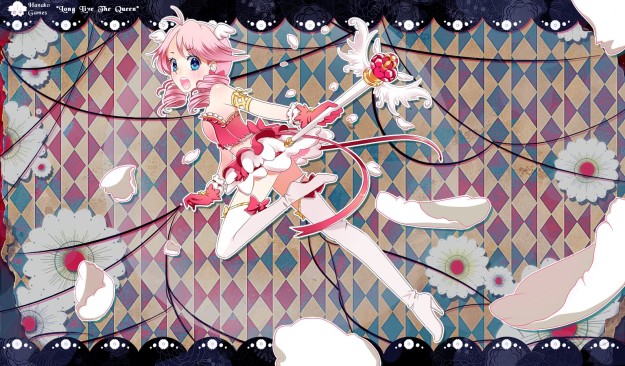 A short while back, a few indie developers that I enjoy the work of very much released a bundle of games that looked interesting. Among this selection of games was a title known as Long Live the Queen by Hanako Games, developer of Magical Diary, a game which I enjoyed very much. I picked up the bundle and, as tends to happen frequently with this sort of thing, forgot all about it completely until recently.
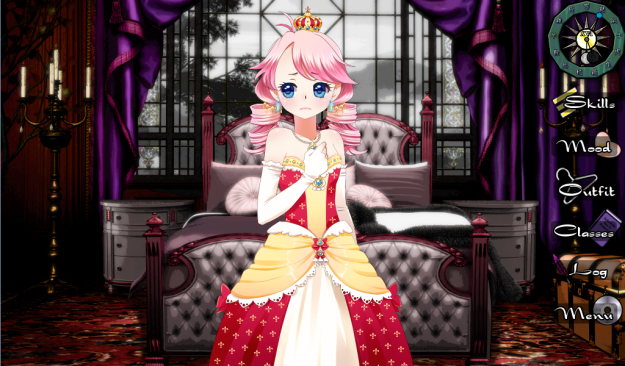 Essentially, Long Live the Queen is a game somewhat akin to old Japanese games like Princess Maker, in that you have a young anime girl to take care of and must train her up to deal with various situations appropriately. The course which the game's plot takes depends on the skills which you choose to train up, and the skills which you can train most effectively are determined by Our Heroine's current mood — for example, if she's depressed, she's particularly wont to express herself through things like music and singing, whereas if she's angry, she can channel her aggression into training in things like military strategy and proper use of weapons. Training to particular levels in things unlocks various costumes appropriate to the skills she's learning — for example, learning a lot of spiritual skills unlocks a priestess outfit, while becoming a "Lumen" and awakening to her family's magical heritage unlocks a particularly awesome "magical girl" outfit.
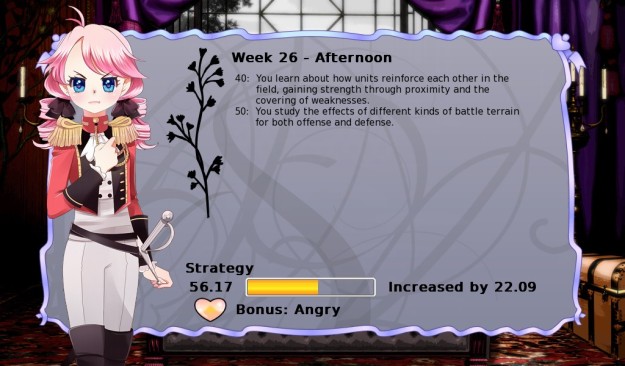 Making it through the game without dying horribly is a case of carefully making decisions and levelling up skills appropriately, and it's not at all uncommon for Our Heroine to meet a sticky end — in fact, it's positively encouraged via the "collect them all!" death checklist in the game's main menu. It's almost preferable to play the game like a roguelike — starting from the beginning, only saving when you're stopping playing rather than before you make a critical decision, and dealing with the consequences of your actions. In a nice touch, reaching the end of a game — whether with Our Heroine's coronation as Queen or with her death — allows you to export a complete log file of everything that happened so you can perhaps figure out what on Earth went wrong.