#oneaday Day 423: Destination X

I watched a potentially interesting new TV show the other day. I've only watched one episode so far and I'm not 100% sure if it was actually any good or not, but the concept was, at least, interesting.

The show is on the BBC and is known as Destination X. I was mostly attracted to it by Rob Brydon being in the presenting role; I have a lot of time for Brydon and his work, and this looked nicely different from his usual panel show stuff.

The concept of Destination X is that a bunch of randos are thrown together and, via various circumstances, placed in a situation where they don't know where they are going and, at various legs of their journey, where they are. At the end of each episode, each contestant has to plop an "X" down on a map of Europe where they think they are, and whoever's X is the furthest away from where they actually are is booted out of the competition.

Naturally, numerous obstacles are placed in the competitors' way, but they also have the opportunity to earn clues as to where they are, too. There are "challenges" along the way, which can potentially provide clues to everyone, but which also give a particular advantage to whoever had the strongest individual performance in the challenge.

In the first episode, all the contestants were stuck in a box, with various items of imagery adorning the walls. The box was split into an "A" side and a "B" side, and the group was asked a series of questions with two possible answers. Each contestant had to stand on the side they believed was the correct answer, and, without revealing whether the answer was correct or not, they would then have the opportunity to look out of a tiny window of the box to see either a clue (if they were on the "correct" side) or a red herring (if they were on the "wrong" side).

There's also some artificial drama added, at least in this first episode, by the person who "won" the challenge having the opportunity to bring someone else along to gain their particular advantage — and they also have the option to earn another clue, on the condition that no-one else must learn that clue, otherwise they'll be immediately disqualified. It sounds complicated, but it makes sense in the moment.

It's an interesting format, for sure, though there are some rather mean tricks played on the contestants even with the supposedly "helpful" clues — the worst of which was having a helpful guide tell them about a building they were standing in front of them in German… when they were actually in France. The added "drama" just felt a bit gratuitous, too, particularly given that the person given the opportunity to conspire with another contestant and/or screw the others over clearly was not at all comfortable with this side of proceedings.

As with any show featuring (supposed) members of the general public, too, the cast appears to have been picked to have the maximum possible number of annoying dickheads in it. There's a particularly odious-seeming individual who is obsessed with social media, and they come across as a complete tool. I have little to no doubt that there is heavy scripting and editing involved in order to make these otherwise boring members of Joe Public into "characters", but, again, it feels a bit gratuitous, and not really necessary in a show where the basic format is already kind of intriguing.

I'm not sure if I'm going to watch any more of it, but I didn't dislike the first episode that I watched. I may watch another one or two episodes to see if it's worth sticking with; you never know, you might enjoy it, though, so that's what today's post was all about!


Want to read my thoughts on various video games, visual novels and other popular culture things? Stop by MoeGamer.net, my site for all things fun where I am generally a lot more cheerful. And if you fancy watching some vids on classic games, drop by my YouTube channel.

If you want this nonsense in your inbox every day, please feel free to subscribe via email. Your email address won't be used for anything else.
2307: The Trip

0307_001

When I can't sleep or am otherwise in a position where I am too mentally impaired to do anything active — in other words, all I want to do is stare dumbly at a screen — rather than, as some people do, put the TV on and just watch it, even if I'm not interested in what's on, I like to trawl Netflix for things I've never seen and haven't even heard of before, but which sound interesting.

I've discovered a bunch of interesting things this way, the last of which was the rather wonderful (if cringeworthy) W1A, and more recently I've been watching a show called The Trip, starring Steve Coogan and Rob Brydon.

The Trip is an interesting concept that builds on the fashionable "fake docudrama" trend that began with The Office. Casting Coogan and Brydon as fictionalised, exaggerated versions of themselves, the series follows them as they take a tour of the North of England, stopping at some of the supposed best restaurants in the region with a mind to writing an article for The Observer Magazine. Coogan's original plan for the trip was to take it as a romantic getaway with his American girlfriend Misha, and still be able to use it as paying work, but prior to the start of the series, she moves back to the States to pursue her own career dreams in Hollywood, leaving Coogan more distraught and lonely than he'd care to admit, only inviting Brydon seemingly as a last resort.

The pair's trip across the North is largely irrelevant to the main point of the show, though it does take in some of Northern England's most spectacular sights, a number of which I hadn't heard of before. Instead, the main aspect of the show is the relationship between Brydon and Coogan, and more specifically how Brydon's easygoing nature and sense of contentment with his life — even as he is, according to Coogan's standards, less successful than his friend — gradually draws out Coogan's true feelings about his situation.

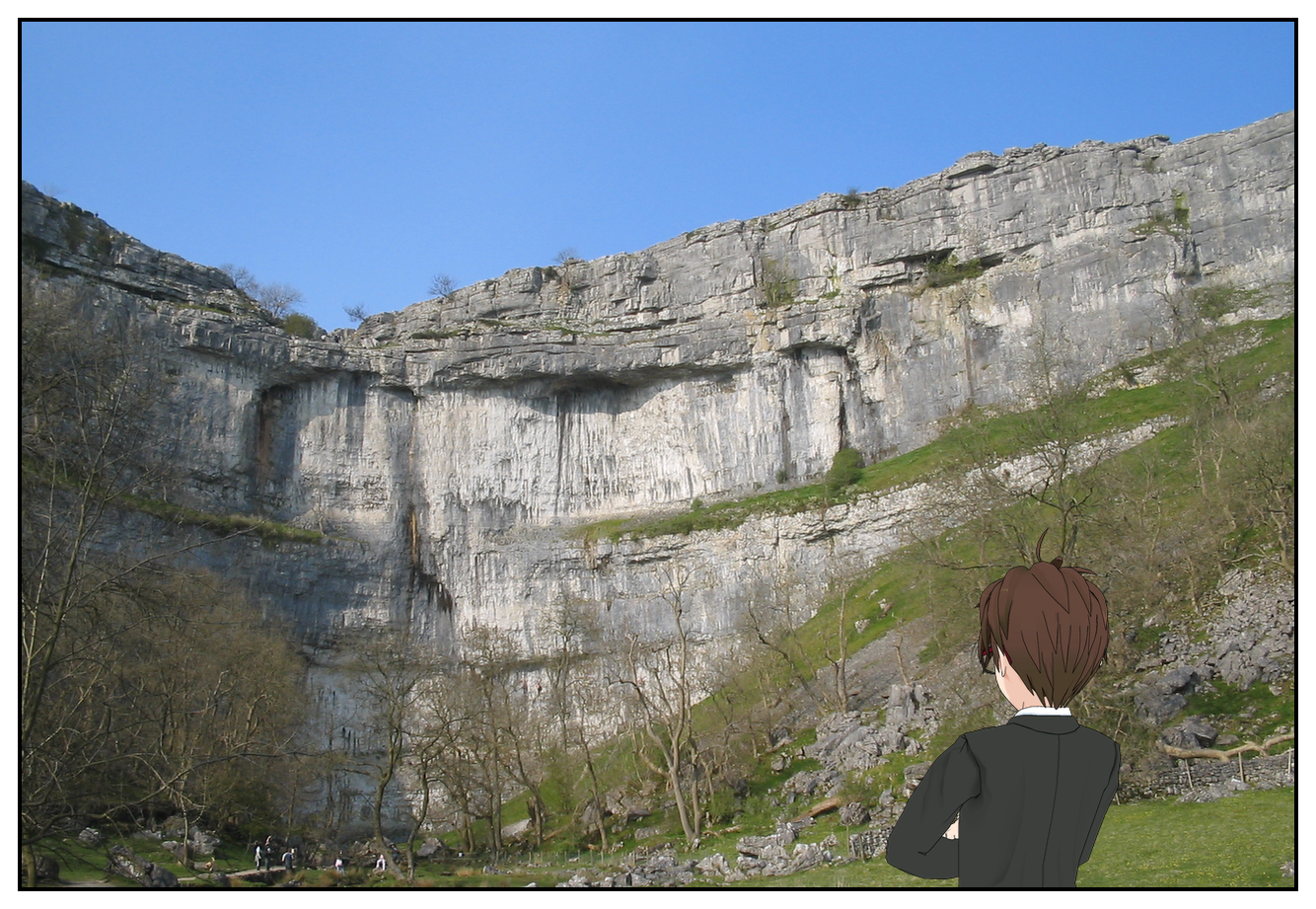
Brydon lives in a small but comfortable family home with his wife and children; Coogan lives in a fancy apartment in London by himself now that Misha is gone. Brydon enjoys his life and calls his wife just to hear her voice, flirt with her and occasionally get a bit down and dirty with her; Coogan calls Misha in the States, sometimes forgetting the timezone difference, sometimes not respecting what she wants, perpetually unusure of what he wants. Brydon brings a sense of levity to any situation he's in, often filling uncomfortable silences with his (admittedly impressive) impersonations of famous people — something which Coogan is forever frustrated that he's just not quite as good at as Brydon; Coogan takes everything much too seriously, sometimes admonishing Brydon for his happy-go-lucky approach to life, sometimes clearly wanting to say what's really on his mind and on one — only one — occasion frustrating a for-once quiet Brydon, who just wants to enjoy the scenery, with a lengthy geological explanation of how the Malham Cove limestone pavement came to be.

The contrast between Coogan and Brydon is potent; it shows two ways you can approach modern life. You can follow Brydon's path, which is arguably the most traditional, straightforward, unambitious path, and enjoy a happy, contented life while never quite attaining true dizzy heights of, say, stardom or being the top of your field. Or you can follow Coogan's path, which is a much more significant gamble: throw everything you have into trying to be the best in your field that you can be, and run the risk of being frustrated that other people can't see what you know about yourself. Coogan's frustration — outright depression, at times — at his situation is downright heartbreaking; his gamble hasn't at all paid off, though he does have the opportunity to make one final one by moving to the States with Misha to do a pilot TV show for HBO. By the end of the first season, however, Brydon has clearly rubbed off on him: after what is clearly an agonising session of soul-searching, he decides not to take that gamble, and instead — presumably — to focus on making himself happy rather than continually being let down by his life and the people he thought he cared about.

The Trip is a funny show; it's a comedy at heart, and the interactions between Brydon and Coogan are well-written, snappy and genuinely amusing. But there are considerably more tragic undertones with Coogan's own personal journey as the titular trip continues. While Coogan comes across as an arrogant dickhead at the start of the show — and still bears this character trait to a certain extent at the end — as the episodes proceed and we get an occasional glimpse into what he's really thinking and feeling, it's hard not to feel bad for him, and the contrast between how his and Brydon's respective lives have turned out is certainly thought-provoking.

I haven't yet watched the second season, but on the strength of the first, I'm very interested to. If you like well-written, fairly gentle, character-driven comedy drama with more than a slight tinge of pathos — as many other good comedies have — then The Trip is well worth your time to take on.