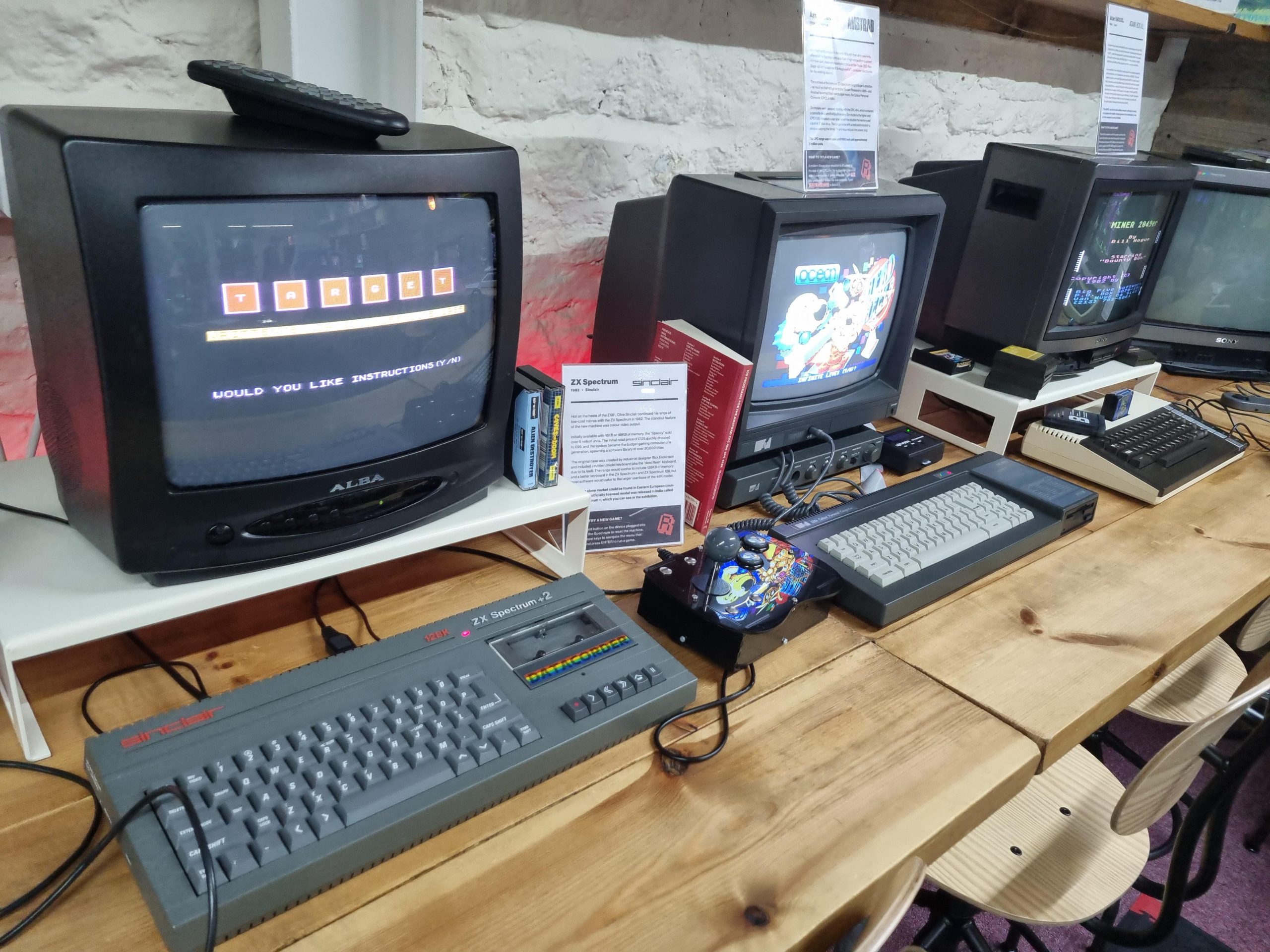
One of the things that I've wanted to do for many years is get to grips with really being able to program the Atari 8-bit. This will be a completely useless and unmarketable skill for me to learn, but with the Atari 8-bit in particular having always been so important to me, it feels like a natural step in my enjoyment of the hobby. Only trouble is: I don't really know where to begin!
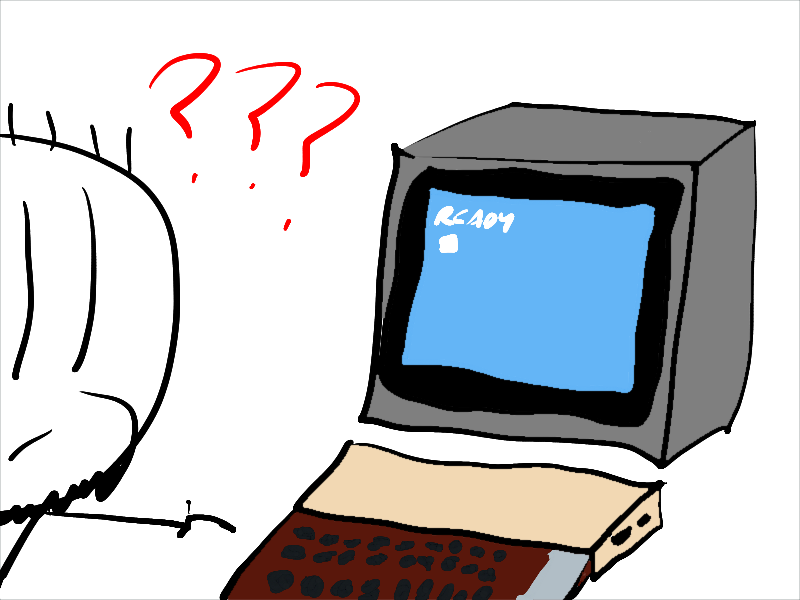
I still have a vague knowledge of Atari BASIC from my days typing in listings as a kid and inventing my own programs way back when, but I suspect a lot of the intricacies may have fallen out of my head at some point, as I haven't really done anything substantial in Atari BASIC since… well, since it was current and relevant. Beyond that, though, there are a wide variety of things that are a complete mystery to me. And I think the sheer wealth of things it's possible to learn, even on an old computer like an Atari 8-bit, is what makes it so daunting.
Do you get in-depth about how to handle variables and strings? Do you figure out the mathematical functions? Do you learn what all the different default graphics modes do, and what they are best used for? Do you tinker with the sound capabilities of the POKEY sound chip? Do you learn how to display, move and otherwise use player/missile graphics, aka hardware sprites? Do you learn about the display list, and how a display list interrupt is a different thing from manipulating the display list? Do you learn what a vertical blank interrupt is, and how to use it? And at what point in all of this do you "graduate" from BASIC to machine code?
This constant string of questions, which I could have extended to at least five times that length, is probably the big thing that holds me back from actually dipping into "learning how to program the Atari 8-bit" as a serious hobby. I'm sure there isn't really a "bad" place to start — and having an idea of what I would like to be able to program is probably a good way of determining what things I should focus on looking at first — but it's that old Analysis Paralysis thing again; when confronted with seemingly infinite options, you end up choosing none of them.
So I think the answer is probably just to pick a book — of which there are many available on the subject of Atari 8-bit programming, coming at it from myriad angles — and work my way through it. All of it. Then, from there, I can learn where I might want to head next, or figure out where the gaps in my knowledge are. Ultimately, then, I can develop a solid understanding of all the things I might "need" to know in order to be able to program the system effectively.
The reason why this is all on my mind right now is, of course, because of the increasing number of AI slop projects I've been seeing in retro gaming. Over on the website Atarimania today, two out of the four new additions to the database have "developed using AI" disclaimers on them. And one might ask: why don't I just "get the AI to do it for me"? Surely it is easier than ever to shit out a program-shaped object using Claude (they had to pick the cuntiest name possible for it, didn't they?) and then convince everyone that "I made this"?
Well, no. If you've spent any time reading this blog over the last few years, you'll know that this would provide me with absolutely no satisfaction whatsoever. Just because "an easy option" exists now doesn't mean I want or need to take it. In fact, I feel like with how likely it is that the AI bubble is going to burst and all of this crap is just going to go away one day — and God, I long for that day — it is all the more valuable to learn how to do something like this properly.
What I'd love to be able to do is create a game for the Atari 8-bit. That feels like a very far-off goal right now — but one way of looking at it is that back in the '80s, people had a fraction of the reference resources we have today (and no, I don't count AI in that) and were still able to learn how to do these things in their own time relatively quickly. So with a bit of determination, dedication and actually setting a bit of time aside to do this, I feel like I might be able to learn something.
As I say, it'll be something that is mostly useless and not really marketable, but who cares? Remember a time when hobbies were just things you did because they were fun, and you didn't feel the need to monetise them or even share them with others? I'm thinking that's what this has to be. Something that is just for me; something that I want to learn for myself. Not because I want to make and sell a game, but just because it's something I've always wanted to learn, and to be able to make something for my own satisfaction.
So I think maybe for the rest of this evening I might go spend some time tinkering in Atari BASIC on the ol' MiSTer…
Want to read my thoughts on various video games, visual novels and other popular culture things? Stop by MoeGamer.net, my site for all things fun where I am generally a lot more cheerful. And if you fancy watching some vids on classic games, drop by my YouTube channel.
If you want this nonsense in your inbox every day, please feel free to subscribe via email. Your email address won't be used for anything else.