2367: Return to the House on the Hill

0367_001

We played another round of the board game Betrayal at House on the Hill last night. I've grown to really like this game over time — its basic mechanics are simple and straightforward, yet the heavy degree of randomisation with every game means that the experience is subtly different each and every time you play.

I won't give specific details as unlike many board games, it is absolutely possible to "spoil" Betrayal at House on the Hill. For the unfamiliar, the basic flow of gameplay is split into two distinct sections: a cooperative initial section where everyone explores the creepy old house independently, generating its layout as they explore, followed by the "Haunt", at which point one or more players are revealed to be a traitor (or not revealed, in some cases!) and given their own objectives to complete that are kept secret from the remaining "good" players. Which of the Haunts you take on in a session is determined by the combination of the room you were in when the Haunt was triggered, and the item you picked up that triggered the Haunt. The combination of these factors is sufficiently random that across several games, I'm yet to play the same scenario twice.

And those scenarios are enjoyably different from one another. In some cases, the traitorous player remains as a figure on the board, moving around and able to use the abilities and items they accumulated during the initial exploration phase. In others, the traitor's character is removed from the board for one reason or another — perhaps they were killed, perhaps they became an evil spirit, perhaps they were never really there in the first place — and the traitor player instead takes on the role of an "overseer", controlling all the monsters in the house and making use of special abilities to thwart the attempts of the players to fulfil their objective. Said objective usually involves getting the fuck out of the house that is suddenly trying to kill them, but there are often other things that they need to do first.

The mechanic I particularly like is the use of RPG-style "ability checks" to complete various actions. The way these work is simple: you look at your character's current value for the stat in question, then roll that number of dice. The dice in Betrayal at House on the Hill are special six-sided ones that only have faces with one or two spots on, as well as a few with nothing at all on. To succeed in your task, you have to roll equal to or over a given number. For example, for a Knowledge 6+ check, you roll the number of dice for your character's Knowledge stat, and must score 6 or more to successfully complete the task. In some cases — usually items or events — there are variable results according to the score you achieve, with zero normally meaning something horrendous happens. A critical failure, if you will.

The game is strongly thematic, but not at the expense of mechanical elegance. The exploration mechanic works well and produces interesting randomised board layouts each and every time you play, and the various items, events and traps you stumble across in the process make things interesting by perhaps adding shortcuts or hazards to contend with as you explore or run away screaming from a murderous evil thing.

Best of all, it plays pretty quickly — a game takes about an hour or so, meaning our gaming group can absolutely fit a game of it in on a weeknight before people start flagging (or, more frequently, need to get to bed before going to work the following day). I'm hoping it hits the table a bit more often from now on.

2366: Bigger Open Worlds Aren't Always Better

0366_001

Ubisoft's Assassin's Creed has 420 collectible flags scattered around its open world. They don't actually do anything other than unlock a few achievements — they don't give protagonist Altair any new abilities or open up any fun bonus content in the game. They're just there for the sake of it.

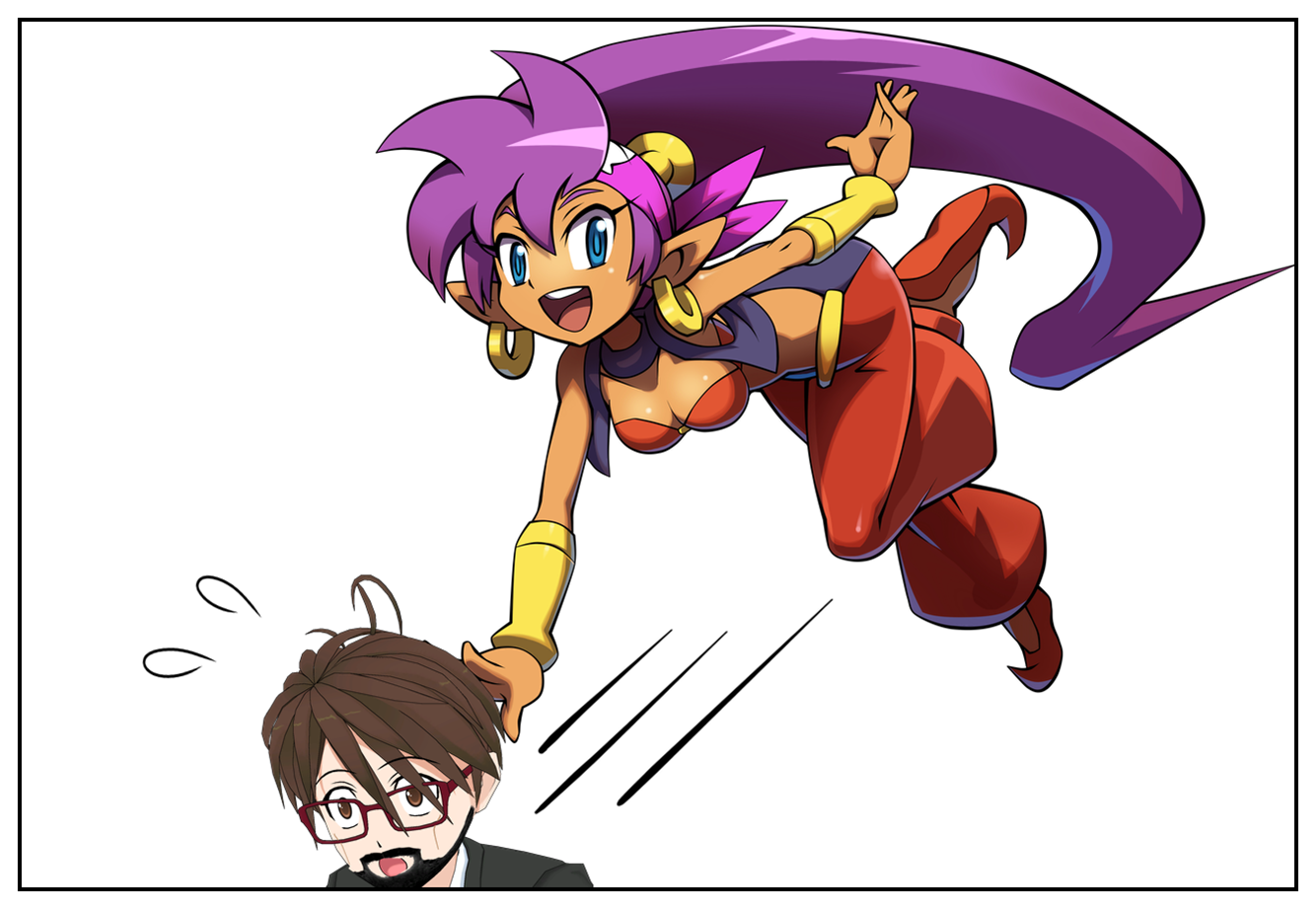
WayForward's Shantae has 12 collectible fireflies scattered around its open world. Collecting all of them is the only way for protagonist Shantae to learn a dance that allows her to heal herself.

Shantae also has 20 collectible Baby Warp Squids hidden in its four dungeons — five per dungeon. Every four Warp Squids allows Shantae to learn a dance that lets her teleport to one of the game's five towns, providing a convenient shortcut across the game world.

With modern games (I know Assassin's Creed isn't that new now, but Ubisoft is still using its basic model for most of its games) it seems the assumption is the bigger the game world, the better — it doesn't matter if there's not all that much to do in the game world, so long as you can spout the tired old PR line about "see that mountain over there? You can actually go to it."

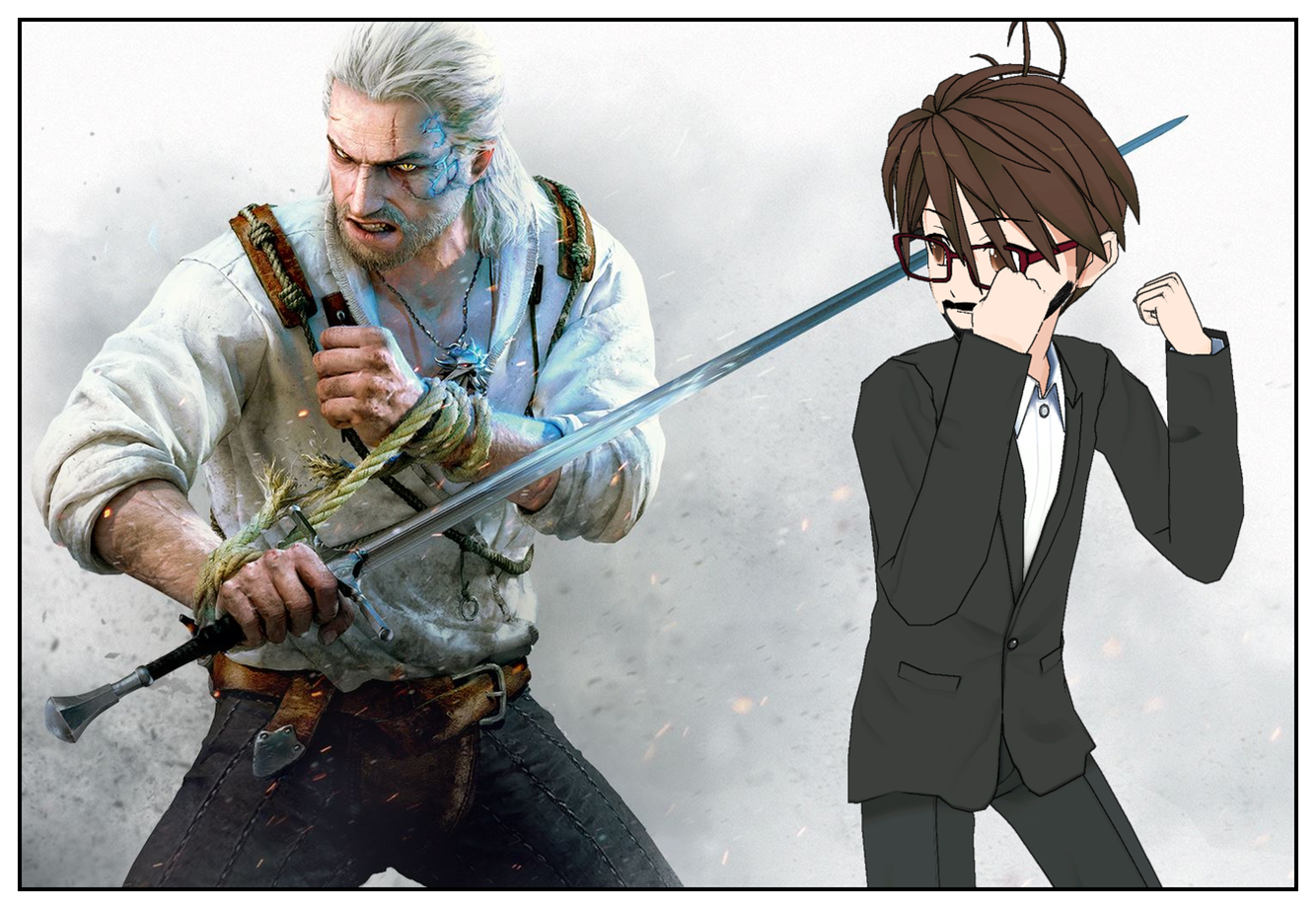
It's not true, though. I mean, a big open world is impressive to look at, particularly if it's rendered in lovely graphics — heavily modded Skyrim and vanilla The Witcher 3 spring to mind here — but if said open world consists of vast tracts of nothingness between areas with actual activities to participate in, then there's really not a lot of point to it all, save to give the player a sense of scale.

Shantae, despite being a Game Boy Color game, is an open world game, presented from a side-on perspective as a platform game: the subgenre commonly referred to these days as "Metroidvania". But the world of her adventure isn't unnecessarily sprawling and filled with vast tracts of nothingness; it's compact and focused, with every area designed around a distinct visual theme, allowing you to immediately know where you are in the world, which eventually loops right around on itself if you get to one of the far edges of it.

This is good design in the context of it being a video game. Sure, the landscapes of Shantae may not be particularly realistic, but they make for a fun game experience that doesn't feel like it's dragging things out unnecessarily. It's also paced such that the player always feels like they're making progress, and the optional sidequests — the Warp Squids and the Fireflies — feel eminently achievable for most players and provide a tangible, genuinely useful reward in both instances. Compare and contrast with Assassin's Creed's 420 flags that don't do anything, where only the most dedicated achievement whores will bother participating in this pointless waste of everyone's time.

Don't get me wrong, I like a big game — I'm enjoying The Witcher 3 a great deal. But if my game is big, there better be something to do or something interesting to see in every square inch of that landscape, otherwise I'm just going to fast travel from one corner of the world to the other. And I'm certainly not going to find all those fucking flags.

2364: More MV

0364_001

I've been playing some more with RPG Maker MV today. Despite telling myself before I started fiddling around that I wasn't going to be too ambitious, my project's plugins folder is now full to bursting with all manner of goodies to extend the functionality of the basic engine and basically make it almost unrecognisable from its vanilla form. (This is good, because "it looks like an RPG Maker game" is considered a grave insult by some people on the Internet.)

I'm not going to share any specific details about the game I'm putting together to learn the program as, if it ever gets finished, I want it to be a nice surprise for my friends to enjoy (but hopefully a certain amount of appeal to those of you who don't know me quite so well, also). However, I can talk a bit about some of the plugins and goodies I've been making use of.

An absolutely essential site for those wanting to go beyond the basic functionality of the RPG Maker MV engine is the MV Plugins Master List. It is, in theory, a central repository of links to the most popular RPG Maker MV plugins, along with snippets of information about them. This was my starting point for exploring the world of plugins.

RPG Maker veterans will be familiar with the name Yanfly, no doubt, as he's one of the most active users of the program's various incarnations, and has long been producing some of the most well-regarded plugins and scripts out there. His new site is absolutely rammed with fantastic plugins, all of which are well documented and easy to use. Of particular interest to many people will be his implementations of the popular ATB and CTB battle systems from the Final Fantasy series; when used in conjunction with other plugins to alter how the battle screen looks and works, it's easier than ever to put together a really distinctive looking game with easily understandable mechanics.

Himeworks is another great resource for plugins. Not only does Tsukihime produce some excellent, again well-documented plugins, she (I think?) is also an active member of both the RPG Maker community in general and the community on her own site, offering helpful advice and accepting feedback for her plugins through the comment sections.

Aekashics has some great resources, this time mostly visual ones for use in battle or as appropriate throughout your project. Aekashics has a very distinctive style that is nice and consistent between all the different resources available, and they're all very high quality. If you don't want to use the default RPG Maker monsters but are as cack-handed as me when it comes to producing artwork, Aekashics' site should be your first stop.

Here are a few other cool plugins I've been using:

  • PrettyGauges – a delightfully simple plugin that allows you to easily customise the rather amateurish-looking default HP, MP and suchlike gauges in RPG Maker MV.
  • TerraxLighting – a super-cool lighting system that allows you to use events as light sources on your maps. The radius and colour of the light sources can be adjusted, and they can even be made to "flicker" slightly to simulate fire or electronic screens. Using lighting makes a huge difference to how RPG Maker MV's default visuals look.
  • VictorEngine – a series of useful plugins that run a similar gamut to Yanfly's collection. Where VE wins out over Yanfly is in things like the customisation of visual elements like the battle screen status window and suchlike, whereas many of Yanfly's plugins are more focused on new or optimised functionality.

I'm having a lot of fun so far. Whatever you might think of RPG Maker-produced games, there's no denying that the software itself is an extremely fun, creative tool that allows anyone to put together something that will make them happy. It can also be a great jumping-on point to learn coding principles, even if you're not writing your own JavaScript plugins yourself — the Event system's pseudo-code is a good way of thinking about how things work and how you tell a computer to do things, but is simple and straightforward enough I bet even my friend James (who, when it comes to technology, is borderline retarded, which is strange because he's otherwise a very clever chap) could make an NPC walk around and call the player a bellend.

2363: EmVee

0363_001

I love RPG Maker. I've loved it long before I first used it and was extremely jealous of the American PS1 owners who got to use it on console, and I was thrilled when I first discovered the legendary unofficial localisation of RPG Maker 2000 by Don Miguel. The game I made with moral support from my friends at university, The Adventures of Dave Thunder, was shaping up to be a lot of silly fun — albeit probably far too full of in-jokes to be appreciated by anyone outside my circle of friends — but it was unfortunately lost when my computer at the time suffered a catastrophic system failure. I've never quite forgiven myself for not backing it up.

But I've maintained an interest in RPG Maker ever since, and have fiddled around with numerous incarnations over the years. Most recently, I snagged a copy of RPG Maker MV, the latest version, in the recent Steam sale, and I've been having a play with it. It seems like a lot of fun so far, and a good evolution even from VX Ace, the previous edition.

The basic toolset is almost identical. There's a simple tile-based map editor for you to draw your various locations using tilesets — either those included or those you create yourself in an external art program. On top of that is the Event system, which allows you to place objects and triggers on your map and, constructing pseudo-code through a menu-driven interface, make them do all manner of different things, ranging from being a random NPC wandering around spouting bollocks to a lengthy cutscene event that changes depending on your previous actions in the game.

The basic Event system is very powerful and flexible, but for the last few versions of RPG Maker it's also been supported by the ability to use scripting — actual coding — alongside the pseudo-code created in the Event editor. Previously, RPG Maker used a variation on Ruby for its scripting language; in MV, it's made the change to straight JavaScript, arguably a much more widespread (and easier to learn?) language.

What's particularly nice about MV's scripting support is that it's organised in a completely different way to previous incarnations. Instead of having a huge, daunting Script Editor window where it's possible to completely break your whole game with just one little typo, RPG Maker MV works by using JavaScript plugins. Drop these in the appropriate subfolder of your project, activate them within RPG Maker, configure them as appropriate, then off you go.

It's a simple change, but a very effective one. The fact that each plugin is treated as its own module with its own settings means that plugin creators can create a simple list of parameters that less code-savvy RPG makers can tweak and change without having to even look at any JavaScript whatsoever. Many plugins also have "friendly", easily readable Plugin Commands to trigger various functionality, too — no more "this.enemyType(math.random(floor.bollocks));" or whatever, although you still can perform direct script calls if you so desire.

Best of all, the localisers Degica have embraced the most active members of the RPG Maker community over the years and brought them on board to help out with making RPG Maker MV an excellent package. Legendary RPG Maker scripter Yanfly, for example, has produced a huge number of plugins for MV already, and other well-known contributors to the community such as Archeia have played an important and active role in making RPG Maker MV what looks like the definitive version of RPG Maker… until the next one comes out, of course.

I'm just farting around with it at the moment with no real grand plan in mind; I'm putting together a relatively straightforward game using mostly standard assets as a means of getting my "eye" back in as well as learning MV's new features. It's not going to be anything amazing or revolutionary — going by previous experience, it probably won't be finished, either — but it's providing something fun to do when I want to keep my mind occupied.

2362: Geralt's Private Dicking

0362_001

I've been enjoying The Witcher 3 so far. It's a lovely looking game with an interesting plot, some great characters and a shitload of things to do.

To a certain extent, I almost wish it was an adventure game rather than an RPG.

The reason I say this is that The Witcher 3, much like its predecessors, is at its absolute finest when presenting protagonist Geralt with quests that are much more complex than "go to x and kill y". Which, to be fair, is most of them, since The Witcher has never really done the whole "bring me 15 squirrel ears" thing, thankfully. However, the real highlights of the game are the quests that involve a lengthy investigation of something strange that has been happening.

These quests, of which there are numerous, play out in a similar manner to something like the enormously underrated Murdered: Soul Suspect, requiring you to comb crime scenes for information (perhaps using Geralt's heightened Witcher Senses) and come to some conclusions of your own as to what happened. Many of these quests have branching paths and different consequences for how you choose to proceed in them, too, making for an interesting experience where you never feel like you've made the "wrong" choice.

Since the world of The Witcher is one of dark fantasy, a lot of the things Geralt ends up investigating are pretty gruesome and horrifying. But, as with most people who deal with the unpleasant on a daily basis, Geralt has both a strong stomach and a wry sense of very black humour.

Herein lies one of the biggest strengths of the whole Witcher series when compared to the interminable tedium of Bethesda's Elder Scrolls series: personality. Despite the fact you can build Geralt's abilities how you see fit as he levels up, he is a strongly written character in his own right. Sure, there's a certain degree of leeway in how much of an asshole you can be to people throughout, mostly in order to allow for various different conclusions to narrative threads, but even with these options available, Geralt is still a well-defined character who maintains a consistent personality throughout the whole game. Whole series, in fact; he's grown and changed over the course of the three games he's been in to date, but he's still recognisably Geralt.

I'm intrigued to see how well-paced the whole game is. It's entirely possible to avoid the story-based quests altogether and just go hooning around the countryside on horseback looking for "points of interest" to clear, which usually involve killing monsters or bandits, but this gets a bit tiresome after a while. Instead, the best way to play, it seems, is to focus on a quest and where it takes you, pick up any other quests you might find on your way between key locations, and perhaps drop in on any points of interest that come up on your journey if they're not too far out of your way. Attempting to "grind" your way through each of the game's maps by methodically clearing out all the points of interest is clearly a way to drive yourself to insanity, and indeed it's precisely because I did this in Oblivion that I grew to hate the Elder Scrolls games. (Well, that coupled with their complete lack of personality and atrocious storytelling, anyway.) Thankfully, it's not necessary; it takes only a thousand experience points to gain each and every level, and completing quests is by far the most efficient means of getting said experience points, so in many ways the game is actively pushing you towards its most interesting things to do, which is absolutely fine by me.

Been playing for 18 hours so far and Geralt hasn't shagged anyone yet, though; wonder if I'm doing something wrong…

2361: Up to Date on Ys

0361_001

Just in time to cover it extensively this month over on MoeGamer, I'm finally up to date on the Ys series, as I finished Memories of Celceta tonight.

I'm glad I finally took the time to play through it all, as it really is a remarkable series that has evolved considerably since its humble beginnings. I'll save the history lesson for MoeGamer, though, and talk a bit about Memories of Celceta specifically.

Memories of Celceta builds on what Ys Seven started, and does it very well. While Ys Seven felt a little bit clunky at times — at least partly due to the fact that it was running on the crusty old PSP hardware — Celceta feels much more fluid and refined. It's not perfect — the poor old Vita struggles to keep the framerate up when there's lots happening on screen, but it never really becomes a problem. No, I'm talking more about the gameplay; combat is fluid and satisfying, and the skills each character has all feel a lot more distinct than the rather feeble ones you had for the majority of Seven. Different characters have clear purposes, both in and out of combat, and each one is enjoyable to fight as.

The thing I liked the most about it, I think, was the emphasis on exploration. The central concept of the game is that protagonist Adol is exploring the uncharted forest of Celceta, a job well suited to an adventurer such as he. Indeed, your progress in the game roughly corresponds to your progress uncovering the surprisingly sprawling map, and by the end of the game you'll be at, or at least close to, 100% of the forest being mapped out.

And it's an interesting forest, too, with plenty of distinct areas rather than remaining uniformly green and leafy throughout. There are plains-like clearings, towering mountains, crystalline lakes and damp, soggy marshland. Later in the game there's the Ashen Forest, which is a beautiful, almost otherworldly area bathed in a curious sparkling, purple mist.

I found myself missing the "jump" button from Oath in Felghana and its ilk less in Celceta than I did in Ys Seven. This is because the maps were overall better designed and more interesting to explore. Ys Seven's dungeons in particular weren't bad as such, but it's clear that technological limitations, at times, held Falcom's designers back a bit from making some really interesting levels.

I particularly liked the various "artifacts" you acquire throughout Celceta, many of which provide you with new traversal abilities in true Metroidvania tradition. The Hydra Scales, for example, allow you to swim underwater and reach otherwise inaccessible chests and areas, while the Gale Boots allow you to run incredibly fast, even straight up certain walls. The controls for some of these non-standard means of traversal are occasionally a bit wobbly — steering the Gale Boots is near-impossible, so you better line up before you unleash them, for example, and combat underwater is a terrible experience proving that Falcom, unfortunately, didn't learn anything from Ys Origin's excellent underwater section — but they never get in the way of gameplay, because they're usually required only to bypass a particular obstacle, at which point you can just get back to doing what Adol does best — hacking and slashing through hordes of enemies.

I won't spoil anything, but the finale was fantastic, too. The Ys games have all had excellent finales so far, and Celceta certainly didn't disappoint with a particularly strong final confrontation and the unusual move of having a few things extra to do after the "final" boss. It was dramatic, exciting — and, perhaps most importantly, extremely relevant to the overall Ys lore, which, again, is something that Falcom excels at. By now, the lore of the world of Ys is extremely well-realised, with each new game bringing us new information about a region or country; effectively, we learn about these lands alongside Adol as he continues his quest to see every part of the world "without shortcuts".

I'm a total convert to Ys, then, and you better believe I'll be all over Ys VIII when it inevitably comes West. In the meantime, have a rest, Adol Christin, you've definitely earned it.

2360: A Life Without Social Media is a Life Without Pointless Outrage and Guilt

0360_001

I poked my head on to Twitter earlier — not to participate or engage, because I think I've well and truly broken my former addiction to it, but instead simply to share the article on Ys that I spent all day writing.

Literally immediately — and yes, I do mean literally — I saw someone indulging in one of the reasons I stopped wanting to use Twitter in the first place: pointless, unnecessary handwringing and guilt over things that were nothing to do with them.

The person in question, whom I had previously thought to be a fairly level-headed, rational sort of individual, went on an 8-tweet tirade about how awful the 4th of July was and how Americans enjoying and celebrating what has become nothing more than a holiday — regardless of its history — was somehow racist.

I closed the tab straight after I shared the link to my work, because frankly I don't have time for that shit.

One might argue that it's a good thing the Internet has supposedly made us all more socially responsible and aware of all the terrible things in the world — and perhaps it is. However, one thing the Internet very rarely does is actually do anything about these terrible things in the world. Whether it's people changing their Facebook avatars to "raise awareness" for a charity (I think they'd rather have your bank details, thanks), someone painting their nails in protest against the amorphous concept of "toxic masculinity" or flaccid "protests" against whatever the issue du jour is, Internet activism achieves absolutely nothing whatsoever.

Actually, no, that's not true — it does achieve something. But it's not anything good.

The only thing Internet activism achieves is to drive wedges between people — alienating people from one another, and drawing very, very clear battle lines that you can only ever be on one side or the other of. Us and them. The "right side of history" and its respective "wrong side". If you're not with us, you're against us. That sort of thing.

The inherently divisive nature of self-proclaimed activists' behaviour online has had an overall enormously negative impact on online discourse as a whole. As I noted in my post where I decided to set Twitter aside, people who believe strongly in things (or at least consider themselves to believe strongly in things) have a tendency to take an "I'm right, you're wrong" approach with no middle ground. And this is true for everyone who holds strong opinions on one thing or another, whether it's "censorship" in games, the supposed epidemic of "misogyny" that the Internet is suffering, or who they think should win the Presidential election.

The general unwillingness to take other people's perspectives into account has ruined all sense of rational discourse on social media. Okay, that might be a slight exaggeration, but it's certainly soured the experience for me; social media of all types (with the exception of this blog, if that counts, which I don't really feel it does) had just stopped being fun, and seeing that string of tweets today the moment I opened the Twitter page drove it home for me. There was a stark contrast between this and the private conversation I was having with my friend Chris at the time, whereby we disagreed on our opinions regarding the video game Limbo — he liked it, I hated it — and somehow, magically, managed to do so without feeling the need to convince the other person that they were wrong. We simply enjoy different things, and talking about those things you don't have in common as much as the things you do makes for some of the most interesting conversations.

You can enjoy your life, or you can spend your time getting pointlessly angry about things and people on the Internet. I've got games to play and things to write, so I know which one I choose.

2359: Purupurupurino

0359_001

I took a chance on a peculiar-looking game on Steam the other day. It wasn't a completely blind purchase, since the developer Front Wing were the creators of The Fruit of Grisaia, my favourite visual novel to date, but this looked like an altogether different sort of affair.

Purino Party is a puzzle game with a lightweight visual novel plot, loosely based on Front Wing's Japan-only straightforward visual novels Pure Girl and Innocent Girl. (Indeed, Purino Party reuses a number of event images from both Pure Girl and Innocent Girl, much to the chagrin of those who have read said works, but as someone unfamiliar with them but very much in love with the work of artist Nanaka Mai — who also designed Grisaia's characters — I didn't mind at all.)

The plot is lightweight, stupid fluff straight out of a nukige, which is unsurprising given the source material. You come to a town for a vacation, but are quickly accosted by mysterious local landlord Kei, who decides that your clearly godlike puzzle game skills make you an ideal person to help the girls in her charge realise their potential. (And shag them.) Thus begins a series of eight short stories, each focusing on one of the girls — first the four Pure Girl heroines, then the four Innocent Girl cast members — punctuated with increasingly difficult puzzle game challenges, with your reward being the advancement of the story and a picture to add to your gallery, most of which are lewd. (Most of which are very lewd if you install the optional X-rated patch, which Front Wing have been ballsy enough to link to on their Steam Store page.)

The puzzle gameplay may initially seem to be straightforward Bejeweled-style match three, but it's actually more akin to popular mobile game Puzzle and Dragons in that you can grab a piece and then slide it around the grid as much as you like, displacing other pieces along the way to shift them into advantageous positions, until a 10-second timer expires, at which point you're forced to drop it if you haven't already. Each level gives you a point target that increases with each episode of each girl's story, and a limited number of moves in which to accomplish this score. Later episodes also present you with a time limit, though this isn't normally too much of an issue.

The puzzles are really fun. The way in which you can move pieces around allows you to set up enormous chain-reactions of pieces, and indeed to meet most of the point targets in the game and progress, you'll need to do so. The fact you have ten seconds to move the piece around and displace the rest of the board as you see fit allows you to be strategic and methodical about arranging the pieces to your advantage rather than it simply being a challenge of spotting matches as quickly as possible. There's a touch of randomness that can sometimes screw you over a bit — if you start a round with a bad board layout, there's not a lot you can do — but you can usually mitigate this to a certain extent by taking advantage of the few special mechanics. Firstly, each girl has a "favourite" type of piece that loosely corresponds to their personality or interests, and you get more points for matching or chaining these pieces. Secondly, matching three or more "heart" symbols puts you into Fever mode, accompanied by some thumping cheesy J-pop. During this time, the points you gain are considerably increased; combined with the favourite piece bonus, this is generally the best way to score a lot of points quickly.

Meanwhile, the story is also entertaining. Don't go in expecting an emotional rollercoaster on the level of Grisaia, but each of the characters are endearing and appealing in their own way, and they all have their own personalities and stories to tell. A lot of it tends to descend into sex humour, particularly given that a number of the girls are total perverts, but amid the smuttiness (which, it has to be said, is amusing and curiously charming rather than weird) there are some genuinely funny jokes and some really likeable characters; it's just a shame we don't get to spend much time with them. Though I guess there's always Pure Girl and Innocent Girl to see more of them after the fact — assuming you speak Japanese or can find a suitable translation patch.

Purino Party isn't an amazing game or an amazing visual novel, but it does what it does well. It's lightweight, enjoyable fluff, not meant to be taken seriously in the slightest, and its bright colours, cheery music and immensely endearing characters make it just the sort of thing you can relax with for half an hour when you don't want to do anything too strenuous.

Kanae best girl. And not (just) because she looks a bit like Amane from Grisaia.

2358: I Whip My Hair Back and Forth

0358_001

Shantae is a series I've been meaning to explore for a long time. Specifically, ever since I reviewed the iOS version of second game Risky's Revenge a few years ago and was absolutely enamoured by the graphics and overall presentation before being almost immediately put off entirely by the atrocious controls, proving once again that you should never, ever make traditional console-style games for platforms whose only input method is a touchscreen.

As part of the retro gaming and emulation kick I've been on recently, I decided I'd check out the Shantae series from the beginning, starting with its Game Boy Color incarnation. Shantae, as the first game is simply called, is widely regarded as one of the most impressive titles to be released on the GBC, as well as being a great game and the start to a marvellous series in its own right.

The eponymous Shantae is a half-genie girl who is the self-appointed protector of fishing village Scuttle Town. One morning, the voluptuous pirate Risky Boots shows up, bombards the town with cannon fire and then makes off with a Steam Engine, a new invention from local crackpot Mimic based on blueprints he found on an archaeological expedition. Frustrated with herself that she was unable to stop Risky's attack, Shantae pledges to try and get one step ahead of the pirate and find out what she's really up to, and thus begins your standard video game quest of "find the shiny doohickeys before the bad guy does".

In terms of gameplay, Shantae is a fairly simple Metroidvania-esque platformer in that it isn't really divided into discrete levels. Instead, there's an overworld which wraps around on itself, meaning you can start walking in one direction and eventually end up back where you started, and a number of small caves and larger "labyrinths" that can be accessed. There are also five towns that act as waypoints; completing a sidequest where you collect "Warp Squids" enables you to teleport back to that town at any point; the towns also each house various facilities such as shops and minigames.

Shantae definitely plays extremely well, with responsive controls and well-designed, well-paced maps that are challenging but rarely cheap, the odd "leap of faith" aside. As you progress through her quest, you unlock various transformation abilities, each of which are used by playing a rhythm-based minigame and pressing particular combinations of buttons in time with the music for Shantae to make use of her considerable (and frighteningly erotic) bellydancing skills. These transformations, in true Metroidvania tradition, enable you to reach otherwise inaccessible areas through various means: the Monkey form, for instance, can climb walls, while the Harpy form can fly.

While the gameplay is solid, where Shantae's main appeal lies is in its presentation. Although limited by the low resolution and limited colour palette of the Game Boy Color, Shantae is a gorgeous-looking game, with attractive, atmospheric backdrops and excellent sprite work. The star of the show is, appropriately enough, Shantae herself, who is animated with an amazing degree of fluidity and personality — and unlike previous games which had particularly fluid animation, such as Prince of Persia and FlashbackShantae doesn't sacrifice responsiveness for smooth animation.

Shantae's visual appeal comes from the sheer range of animations she's been programmed with. Rather than simply being built with traversal animations in mind — walking, running, jumping, falling — Shantae has plenty of unique animations only seen in certain situations. There are the dance animations, for starters, one of which can be found on every direction on the Game Boy D-Pad and its two action buttons. When using these for gameplay purposes, you only see them for a brief moment, but they're so visually compelling that it's more than a little tempting to just switch into Dance mode by tapping Select and admiring Shantae's moves for a few minutes before continuing on your quest. On top of this, Shantae has a number of "mood" animations used during dialogue sequences that give her a great deal of visual character, and her personality is backed up by some snappy, witty but brief dialogue that gives you the important information you need to proceed while keeping things light and breezy in tone.

So far I've cleared the first "Labyrinth", which was a delightful delve into a well-designed dungeon with some interesting, creative puzzles involving memory, precision jumping and carefully exploring the environment. I'm looking forward to seeing what the rest of the game has to offer — and beyond that, finally playing Risky's Revenge on a platform that can do it justice, followed by its sequel Shantae and the Pirate's Curse.

2357: Life is Strange

0357_001

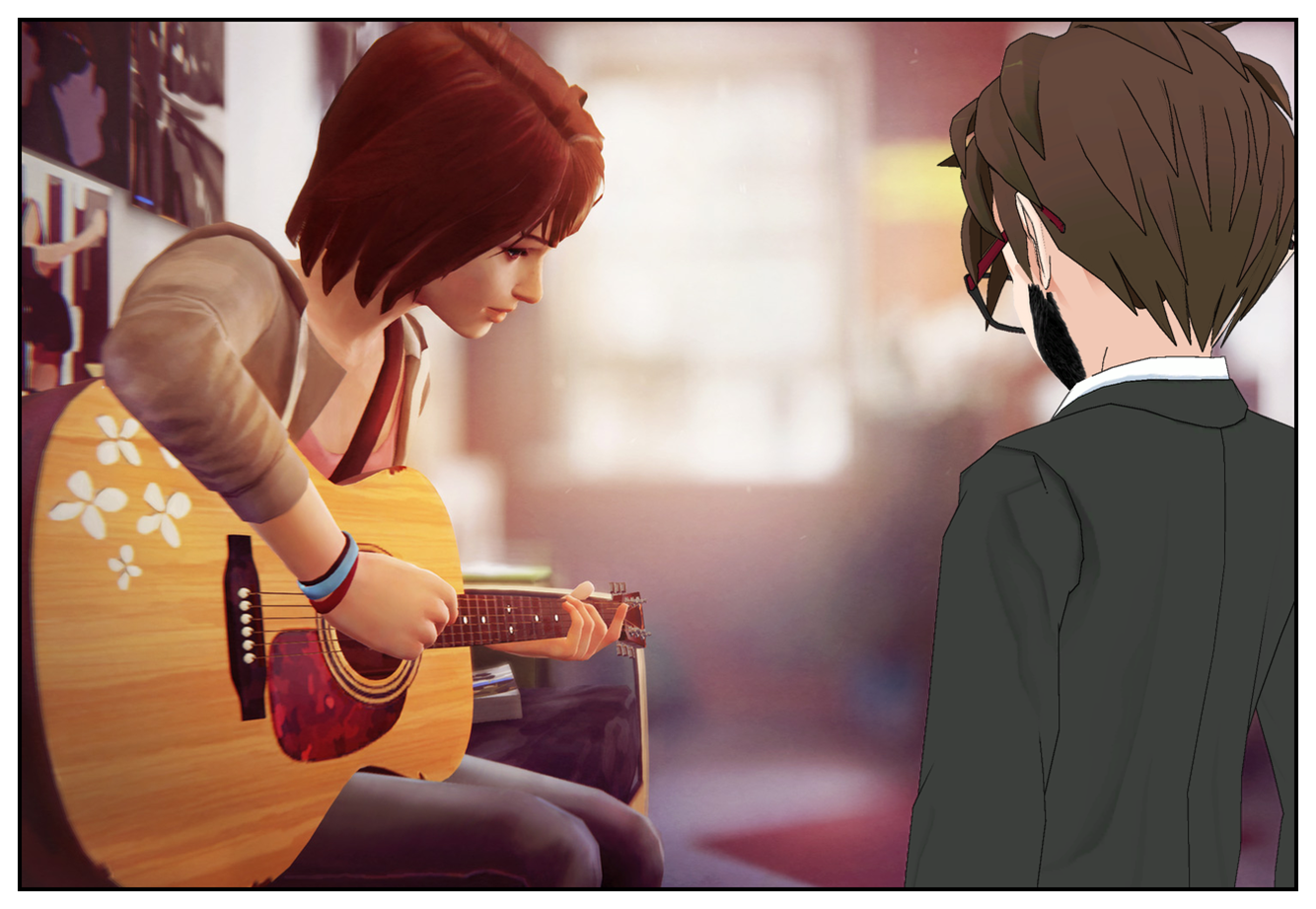
I've played the first two episodes of Dontnod's adventure game Life is Strange, and I'm enjoying it so far. It remains to be seen whether the whole thing is the life-changing masterpiece some people I know have made it out to be, but it's certainly solid and interesting so far.

It didn't start brilliantly, though this was partly my own fault for deciding to read through all of protagonist Max's diary before actually doing anything. Max's blathering on about how amazing it was to be in a "diverse" school and other such witterings made me recoil at the prospect of an obnoxiously self-righteous heroine, but thankfully the game nipped that in the bud pretty quickly, and Max actually comes across as a likeable individual — a little shy and withdrawn as well as more than a bit nerdy, so eminently relatable to me. Whew. Bullet dodged.

I'm less enamoured with her friend Chloe, who is built up in Max's diary to be some sort of amazing super-friend, and comes across as a spoiled, unnecessarily rebellious jerk when we finally meet her. It's been years since Max and Chloe have seen each other, and Chloe has been through some changes that are perhaps best exemplified by the fact her hair is now blue. Her rebelliousness is at least a little understandable, though; she's dealt with the death of her father and her mother marrying someone else, who so far has been depicted as a bit of a twat — and an abusive, angry twat at that. Unfortunately, Chloe's way of dealing with things just makes her, too, come across as a twat, and I find myself questioning why Max fawns over her at every opportunity, since they are so very different. Still, I guess we'll find out more about Chloe as the series progresses, so I will reserve final judgement on her until we see where this all ends up.

Outside of the Chloe-Max interactions, which are clearly intended to be a centrepiece of the narrative, Life is Strange is solid and enjoyable, being effectively an interactive high school drama, with all the usual frictions and cliquiness that signifies. There are the bitchy cool girls, who Max takes great pleasure in successfully humiliating in the first episode. There's the hot teacher that all the girls fawn over. There's the weird janitor. There's the overly religious, abstinence-preaching girl who stands up for what she believes in even as she gets relentlessly abused by those around her. And like in most good high school drama movies, Max is a relatively inoffensive, pleasant sort of individual who manages to get along with most people if she tries.

Where things get interesting is in Life is Strange's main twist: Max's discovery that she has time-shifting powers. In other words, she is able to rewind time and make use of this fact to her advantage: perhaps she can learn some information, then rewind back before a conversation and use that information when talking to someone. Perhaps she can see the consequences of an action, then rewind and reconsider. Perhaps she can use her powers to save people's lives. The mechanic itself is simple and well executed, and it's used creatively in a variety of places, both to allow you to reconsider your actions, and to resolve various situations.

Being an adventure game of the Telltale-esque mould, Life is Strange is riddled with decision points, some of which are more important than others. Particularly significant decisions tend to be binary in nature, and Max always has something to ponder after making one of these choices. Interestingly, the game's script always manages to make it seem as if the other choice was the "right" one, so there's no real sense that there's a path down which the writers feel like you "should" continue; often, there are no real good choices in particularly difficult situations, so it's a case of deciding how to handle it in the moment.

Life is Strange's setting is presented really nicely. Deliberately eschewing photorealism in favour of a somewhat watercolour-esque aesthetic, there's a lovely vignetting effect on the screen that blurs the edges, and scenery and set dressing is heavily stylised rather than realistic. The characters have a touch of "plastic doll" about them, but this is in keeping with the rest of the aesthetic; a kind of slightly otherworldly appearance, like things just aren't quite right, but where it's hard to put your finger on what is actually wrong.

The writing is good, too. Conversations are believable, riddled with modern slang and authentic modern cultural references. Like Deadly Premonition, the last game I can remember that did this, Life is Strange isn't afraid to namecheck real things — celebrities, movies, books, authors, artists — and does so without feeling like they've been included just to show off how cultured the writers are. Instead, it all feels very natural, and adds to the authentic feeling of the setting as a result.

I'm intrigued to see where the overarching narrative goes. There's clearly something very odd going on with Max, whose power appears to take a physical toll on her, and she also keeps seeing visions of her town being destroyed by an enormous tornado, which presumably will show up (or not?) in the final episode. But alongside this, there are numerous other well-crafted subplots that intertwine with one another nicely, so it will be interesting to see how all these fit together by the end. Aside from a few hitches in the script here and there where you'll figure really obvious things out long before Max does — a common problem in adventure games — the whole thing seems like a very well-crafted narrative experience, and I'm intrigued to see where it ends up, though I kind of hope it doesn't involve Chloe quite as much as I feel like it's probably going to.