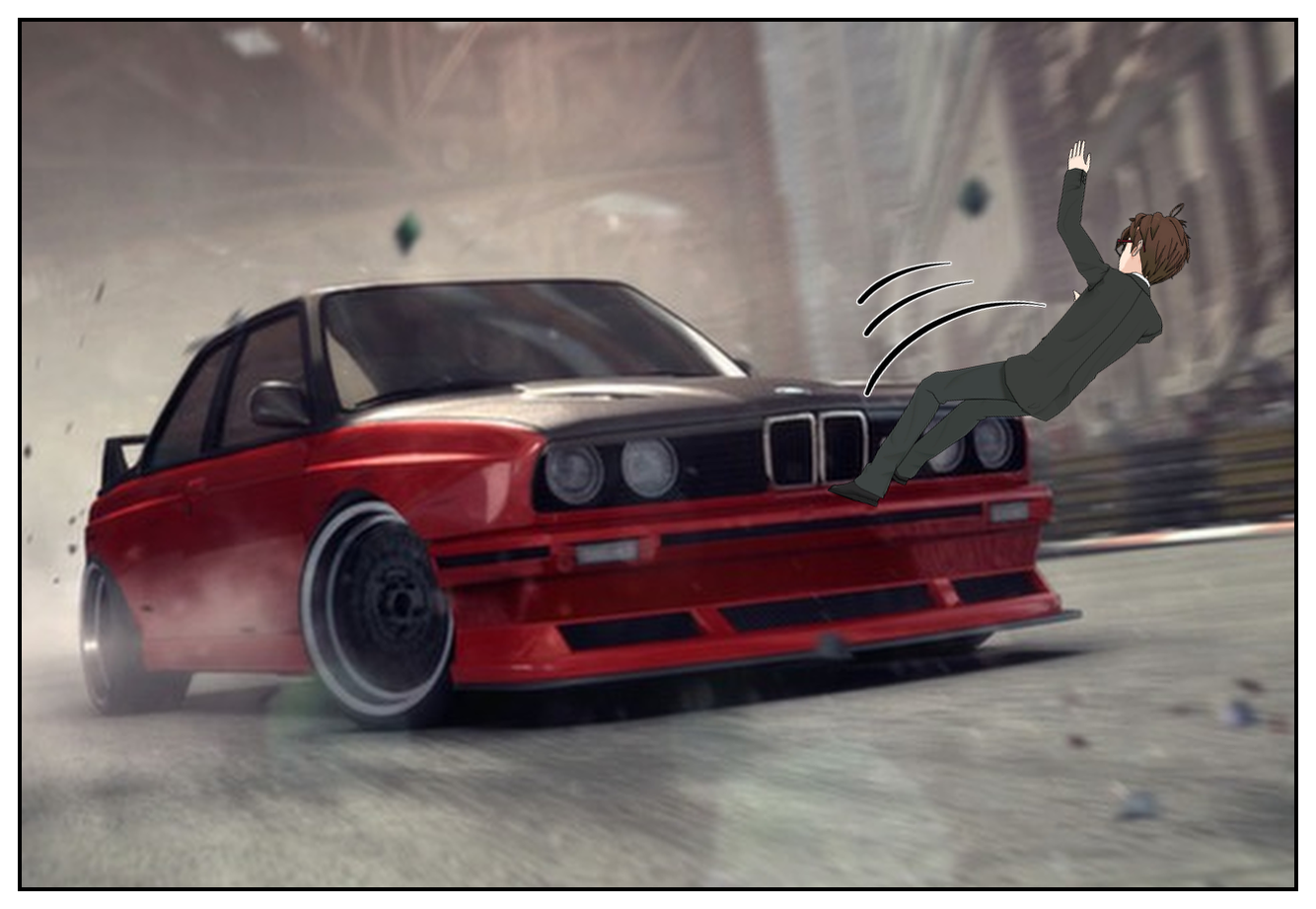
2169: Starting GRID (2)

0169_001

One of my acquisitions in this year's Steam sale was Codemasters racing game GRID 2. I already owned the previous GRID game and had enjoyed what I played of its multi-discipline racing, but hadn't delved into it in depth. The price that GRID 2 and its more recent sequel GRID Autosport were going for was too much to resist, however, so I snagged copies of both and have been putting the former through its paces over the last few days.

GRID 2 was a bit of a controversial release when it originally came out, since it's a distinctly more "arcadey" affair than its predecessor. That's not to say that the original GRID was particularly sim-like in the first place, but the true petrolheads of the Internet appreciated things like its lavishly detailed first-person cockpits and semi-realistic handling. In contrast, GRID 2's emphasis on drift-heavy driving and the removal of the cockpit view led to a bit of an uproar among the racing enthusiast community, who saw it as a step backwards from its well-regarded predecessor.

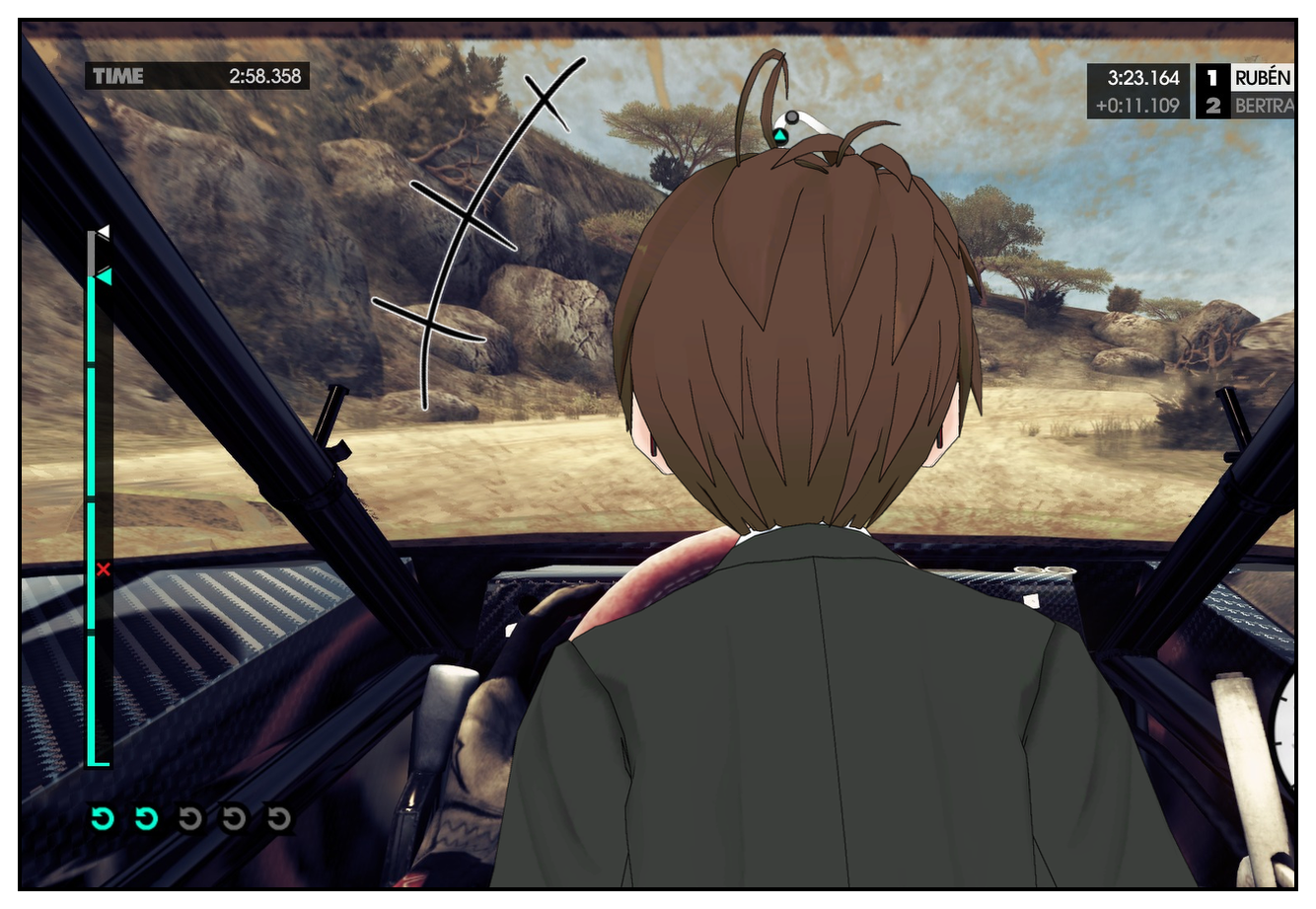
Me, though, I love it; GRID 2's slidey handling is exactly the sort of thing I love in a racing game, and to be honest, while I love the way a cockpit view looks, I find it extremely difficult to race from that perspective, since visibility is so limited in most cases, and you don't have the peripheral vision you'd have in reality. Consequently, I much prefer racing from a bumper or bonnet cam (preferably the latter) since I find it much easier to judge my own position and have a feeling of spatial awareness during a race.

I also appreciate GRID 2 for its attempt to spin a story throughout its single-player game. All too often, racing games are rather dry affairs in which you navigate boring-looking menus to get to the actual racing, and there's often very little in the way of personality. GRID 2 doesn't go so far as to be Wing Commander with cars — although man, I would so play that game — but it does feature voiceovers and a sense of narrative progression as you play through the game. It's not a complex narrative — you're an up-and-coming driver headhunted by an eccentric rich dude who has decided he really wants to set up a new worldwide multi-discipline racing league, and your efforts as the face of the series allow you to build up the fanbase required for the WSR to become a success — but it works well in context, and it's punctuated nicely with infrequent cutscenes, including authentic-looking TV broadcasts featuring full-motion video rather than in-engine characters.

This sense of narrative progression and personality carries over into the actual racing gameplay, too. You're constantly getting advice and feedback over your radio while you race, and most race series highlight a named rival for you to try and beat. While the personalities of these rivals aren't developed all that much outside of text messages and social media posts in the menu screens, it's a nice touch that gives you more of an incentive to do your best than simply trying to get into first place.

The game also makes minimal but cinematic use of music: most races don't have background music, instead featuring some impressive sound effects that allow you to hear not only the roar of the car's engine, but the rumbling of the tyres on different surfaces, the sound of the crowds as you whizz past them, and other environmental sounds according to where you're racing today. There's an exception to this, though: when you get into the final races of each season, the final lap or sector of each race is accompanied by some electro-orchestral music that lends a real sense of drama to proceedings, making some already butthole-puckeringly tense finishes even more exciting. Good job there.

There's a good variety of events, too, with both circuit races and point to point races — a subject that I was talking about wanting to see more of just a few weeks ago — as well as time attacks, overtaking challenges, endurance races and all manner of other disciplines. The aforementioned petrolheads don't seem to like the fact that the game's career mode insists that you participate in all the disciplines, since most seem to prefer picking and choosing their favourites, but I really like the amount of variety this brings to the campaign: it, again, gives a good sense of progression as each new season presents you with new disciplines to conquer and new types of car to get to grips with. By the time you reach the end of the career mode, you'll most likely be a well-rounded driver able to turn your hand to all manner of different events — ideal for jumping online and taking on all-comers.

So I like it a lot so far, then. I'd go so far as to say that it's shaping up to be one of my favourite arcadey racers for quite some time, and I'm very interested to explore it in more detail over the coming weeks.
2165: Dirt Showdown and Vulgar Racing

0165_001

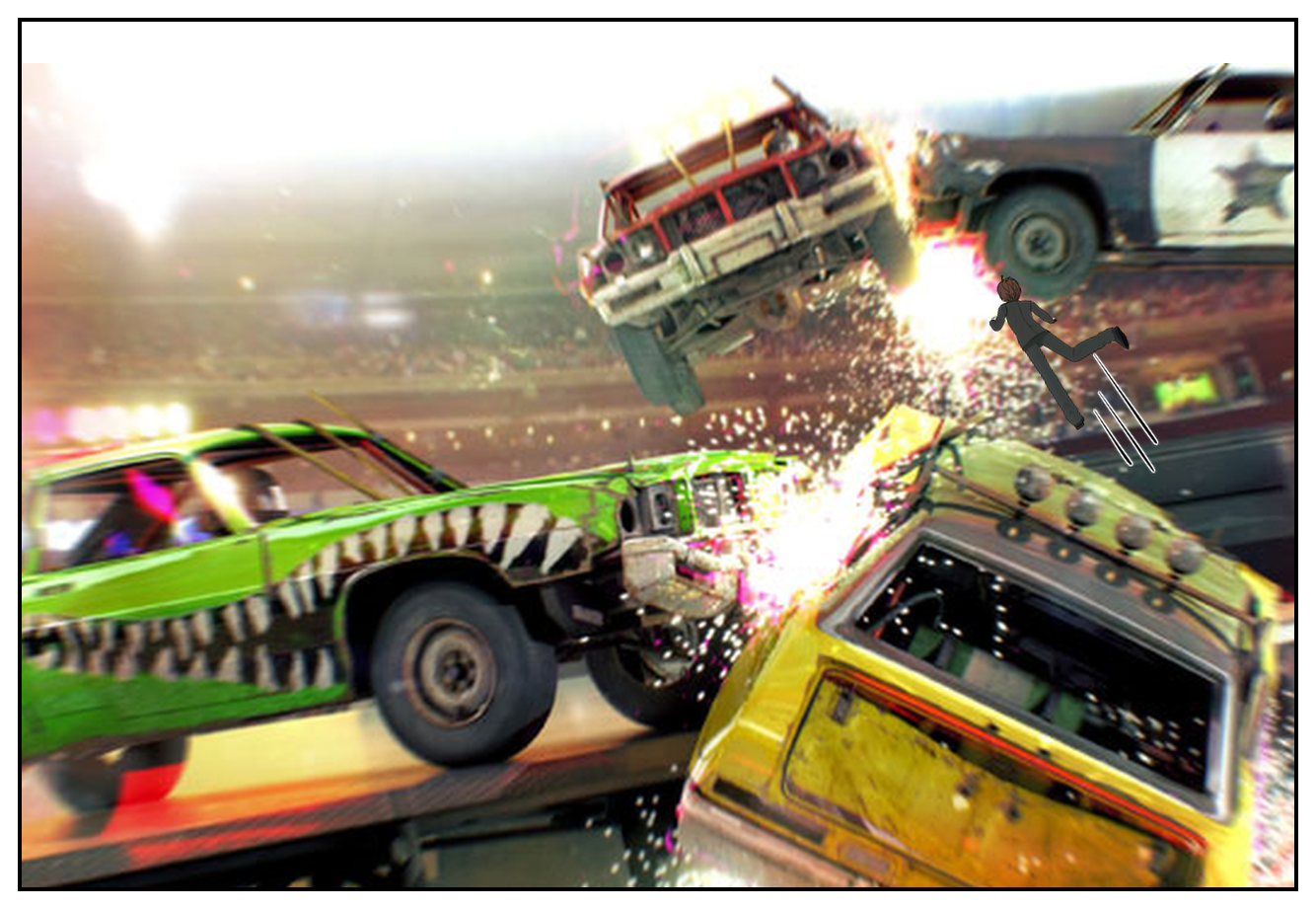
I am a fan of what I described to my friend Alex yesterday as "the vulgar side of racing games". This is a pretentious way of saying that I'm a fan of arcade racers more than more realistic fare, but it kind of goes a little deeper than that: I'm a fan of racing games that firmly put an emphasis on fun and spectacle as opposed to providing a faintly plausible virtual driving experience.

Codemasters' Dirt Showdown, which I picked up in the Steam Halloween sale, pushes all of my buttons in this regard.

Dirt Showdown is the very essence of vulgar racing. It's loud, it's brash, it's very American (despite the Codies being British), it's full of scrappy-looking cars that you'd expect to find burnt out in a council estate in Croydon… and it's a ton of fun.

A lot of Dirt Showdown's fun factor comes from its hyperactive nature — and this is true both within single events, all of which are chaotic and specifically set up to encourage full-contact racing, and within the game structure as a whole. The single-player campaign sees you flip-flopping from one discipline to another — one minute you'll be racing, the next you'll be smashing your way around a course made up of barriers, the one after that you'll be trying to knock all of your opponents off a raised platform — and multiplayer is much the same, with the added chaos of some rather "sport-like" competitive games modelled on Capture the Flag and Halo's Oddball mode.

You're never stuck doing the same thing for very long, in other words, and this is what keeps the game interesting. Of course, there's nothing stopping you setting the multiplayer mode to do nothing but races, but where's the fun in that? The beauty of Dirt Showdown is that it encourages you to master flinging your car around with a variety of different goals in mind, be it dispatching opponents as quickly as possible, or simply beating them to the finish line.

The big appeal element in Dirt Showdown for me, though, is the fact that it's an honest-to-goodness arcade racer. This is not a game intended to be taken seriously or be regarded as a sim; it's not a game where you can admire lovingly detailed cockpit views; it's a game about taking a hunk of junk (or, indeed, a few licensed rally cars) and then hurling it at a bunch of other hunks of junk and seeing who comes out on top. It's a game about tapping the handbrake rather than using the actual brake to go around corners; it's a game that features races specifically designed to encourage pileups. I approve of all of this.

Plus it's super-cheap in the currently running Steam sale. So if you haven't given it a shot yet — assuming you're a racing game person — be sure to check it out.

2164: The Specialists

0164_001

I find the evolution of British developer-publisher Codemasters rather interesting, since they've been part of my life since I was very young, and they've changed significantly over the years.

When I was a kid, Codemasters was a label primarily associated with budget-price games for 8- and 16-bit computers. Their games were typically released on a wide variety of platforms ranging from the ZX Spectrum to the Commodore Amiga and everything in between, and development of these games was such that every platform had a decent version of their games within the limitations of its respective hardware. It was quite an impressive achievement, when you think about it, especially considering the sheer number of different platforms that were around between the '80s and '90s.

Old-school Codemasters' most well-known franchise was probably the Dizzy series. Vaguely positioned as a home computer alternative to the fashionable "mascot platformers" of the consoles — stuff like mainstays Mario and Sonic as well as third-party attempts like Bubsy and Cool Spot — the Dizzy games were actually rather interesting in that they weren't so much platform action games a la Mario and Sonic, but instead were more akin to adventure games. You explored a 2D side-scrolling open world, you probably wanted to make a map, you collected items to put into your inventory, you used said items to make things happen and solve puzzles.

Each Dizzy game was essentially the same structurally, but they differed in setting, and this often made a surprisingly large difference to the overall "feel" of the games. Compare Treasure Island Dizzy, which unfolded on a tropical island, to Fantasy World Dizzy, which took place in a world that stretched from the ground to the clouds. Despite having the same basic mechanics, both were very distinctive from one another, and well worth playing.

I'm not sure when it was that Codemasters shifted from a budget label to their present position, but it's gratifying to see what a huge success they've made of themselves in the last few years in particular. Not through modernising Dizzy, though; instead, the Codemasters of today is a very specialist publisher, focusing entirely on racing games of various descriptions.

And it's been a huge benefit to them to focus on this one, single genre of game that they've ended up being rather good at. Much like the different Dizzy games shared mechanics but had a unique look and feel to them, the various series that Codemasters offer today all have similar structures and mechanics, but unique feels to them. Compare the rally-centric Dirt series with the disparate disciplines of the GRID series, for example — or even the destructive chaos of Dirt Showdown to the rather more disciplined but still fun Dirt 3.

An awful lot of developers and publishers these days try to have a broad portfolio and appeal to lots of different people. But, to my mind, Codemasters have the right idea: find what you're good at, then focus exclusively on that. That's how you build up a loyal fanbase who will almost certainly purchase pretty much anything you put out — and how you become recognised as industry leaders in your specialist field.

Now, about applying the same philosophy to the games press…