1456: The Bigger...

Jan 13 -- CocksThere are certain types of people in this world for whom the bigger the audience they have, the more of a colossal tool they become.

It happens in all walks of life and all occupations, and conveniently explains the existence of Piers Morgan, though it by no means excuses it.

In my own personal experience, I've encountered this phenomenon in several disparate environments.

Firstly, when I was a teacher, we have "the problem child". Rare is the class that doesn't have at least one of these little horrors; unfortunate is the teacher who has to deal with more than one simultaneously.

The "problem child" is often an interesting case because his or her dickish behaviour is usually a ploy to get attention, whether positive or negative. If this is disruptive to what other people are doing, they don't care. It is consequently easy to assume that this type of child in a classroom simply wants to be a dick and annoy everyone as much as possible, when in fact all they want is everyone to pay attention to them. This is amply proven by the fact that if you get one of these children by themselves to talk about their behaviour, they'll often appear to be completely reasonable and open to your requests. But as soon as there's a class full of other children in front of them, off they go again, and so the whole hideous cycle continues again and again and again.

Secondly, it happens in the workplace. The more power and prominence certain types of individual have, the more dickish they become, flaunting their new-found power over you and pissing everyone else off in the process. Grab them one-on-one and, again, they'll often appear to be reasonable, only to undermine you at the next opportunity when they have an audience.

I suffered the effects of not one but several of these types during a job a few years back. They all seemed to feel like they had something to prove, and I — and several other members of the staff who generally did nothing but keep our heads down and got on with our jobs as best we could — were caught in the firing line as they attempted to prove… whatever it was they were trying to prove.

Thirdly, of course, you have certain people in the media, such as the aforementioned Piers Morgan, but also people who specialise in comedy of various types. Certain comedians deliberately favour the "being a dick" approach to comedy, and it works for them, so fair enough; again, though, take that supportive audience away, and they crumble.

Fourthly, it happens in online games, and this is the reason I bring this up at all this evening thanks to reliable old blog topic Final Fantasy XIV.

Simply put, the more people you're together with at once in an online game, the greater the chance that one or two "alpha" types will try and fight it out to determine who has the biggest e-peen of them all.

Compare and contrast, if you will, the experience of running a 4-player dungeon in Final Fantasy XIV with the 24-player Labyrinth of the Ancients raid added in the most recent patch. I did both this evening: true to form, Labyrinth of the Ancients provided the rest of the group with a few loudmouths who liked nothing more than swearing at one another and passing blame for things that went wrong; conversely, when I ran Pharos Sirius — regarded as probably the hardest four-player dungeon in the game — with a group of three randomly-matched players from the Duty Finder, I had a very pleasant experience in which everyone was helpful, communicated well and was polite to one another.

In this instance, I wonder how much of it is due to the fact that managing communication between 24 people who are supposed to be working together is a lot more challenging than managing communication between just 4 people. Someone has to take the lead when there are that many people milling around, and it just so happens that those with the loudest voices often seem to become the de facto leaders — or at least think they're in charge anyway.

There are exceptions to all of the above, of course; the second time I ran Labyrinth of the Ancients this evening, it was a perfectly smooth run with no disagreements, yelling or willy-waving, for example — and for every "problem child" in a class, there are usually 29 kids who are quite-to-very nice.

It's just a shame that the few dicks out there have to spoil things, isn't it?
1454: Disciple of Magic

Jan 11 -- BLMI've now spent a decent amount of time with all three of Final Fantasy XIV's "Disciples of Magic" classes, and it's abundantly and pleasingly clear that all three of them play markedly differently from one another. Which is great! In a game where you can switch your class pretty much whenever you want to, having something to distinguish between all of them is extremely important. And while they all follow the same basic "hotbar and cooldowns" procedure as one another, their application is very different.
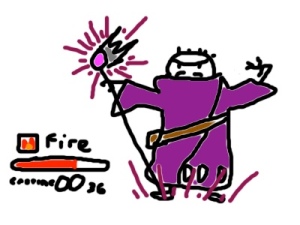
Thaumaturgist, which later becomes Black Mage, is the class I've spent the longest with, and I also find it one of the most fun to play. The core of playing this class involves managing your pool of magic points carefully, but not in the same way as mages typically work in RPGs — no, here Black Mages don't have a single stock of magic points and then they're done; by alternating casting ice spells and fire spells, Black Mages have a potentially limitless stock of magic points. Casting ice spells provides you with the "Umbral Ice" buff, which causes your magic points to regenerate quickly but your damage to be less; casting fire spells first cancels out Umbral Ice and then provides you with the "Astral Fire" buff, which increases your damage and the MP cost of your fire spells, but prevents your MP from regenerating altogether. Consequently, your "rotation" — the set of skills you cycle around by default — tends to involve casting Fire spells until you're low on MP, then casting Ice spells to regenerate, maybe throwing in a Thunder spell (which causes damage over time) while those precious MP are coming back.

Conjurer, which later becomes White Mage, meanwhile, is very different. For starters, it's primarily a healing class rather than a damage dealer, though it does have a number of offensive spells that can be surprisingly effective. Unlike Black Mage, White Mage has no means of quickly regenerating magic points, but to make up for this, its spells are a fraction of the cost to cast. This means that playing a White Mage skilfully involves again managing your stock of magic points — but this time around, bearing in mind that you only get one barful of them for a single fight. As a result, you often need to weigh up what your priorities are — can you afford to throw in a few offensive spells to support your damage dealers? Should you use lots of smaller Cure spells or a more powerful, more expensive higher level spell? Getting better at playing White Mage involves quickly understanding the overall party situation — you spend most of your time looking at the party information box in the corner of the screen rather than what's actually happening — and then responding to it appropriately. So far — up to level 30 — it's been reasonably straightforward, but I'm intrigued to see how different it is in the harder dungeons.

Then finally there's Arcanist, which I've just started playing, because I need to level it to 15 in order to turn Conjurer into White Mage. Arcanist is an interesting one because unlike the other classes in their current form, it can branch of in two different directions at high level — the healing-centric Scholar, or the more offensively-oriented Summoner. All have one thing in common, though; the ability to summon various creatures to support them in combat. As well as siccing your pet on enemies, you also have access to both offensive and defensive spells, including healing, buffs and debuffs. It looks like it has potential to be a complicated but rewarding class to play — and again, very distinct from what Black Mage and White Mage offer.

I haven't really done that much with the melee-based Disciple of War classes as yet, but I have little doubt that they'll be a similar way; I spent a bit of time with Pugilist (which later becomes Monk) in the beta test period, and this played a little like Thief/Rogue does in some other games — positioning becomes important, as you do better damage if you're hitting the enemy in the back rather than taking them head-on. I haven't tried Lancer/Dragoon at all yet, but I'm sure it's in my future.

My priorities in the game are kitting out my Black Mage as well as possible — it's the first class I levelled to 50, so it will probably always feel like my "main" — then get White Mage to 50, then experiment with Arcanist some more. I don't know how confident I'll be with high-level healing, but with supportive guildmates who have helped me through a lot of the game so far, I feel confident and safe giving it a go. But there's a way to go before I have to worry about that; 20 whole levels, in fact, and while they should shoot by more quickly than they did for Black Mage — FFXIV's "Armoury Bonus" system, whereby you gain more experience when you're levelling a new class, sees to that — it'll still be a while before endgame White Mage.

Listen to me. I had a feeling I was going to like Final Fantasy XIV when I first considered playing it, but I never thought I'd be as into it as I am. Great job, Square Enix.

1451: Learning to be a Better Virtual Person

Jan 8 -- FFXIVContemplating my time in the virtual realm of Eorzea so far, I feel that Final Fantasy XIV has had something of a positive effect on my mental wellbeing in a number of ways. I also acknowledge that it brings with it its own problems and considerations — primarily the fact that what is one of its best qualities — its inherently social nature — is also something that makes it compelling and addictive, and consequently distracts from other things. As with anything, it's all about finding a good balance.
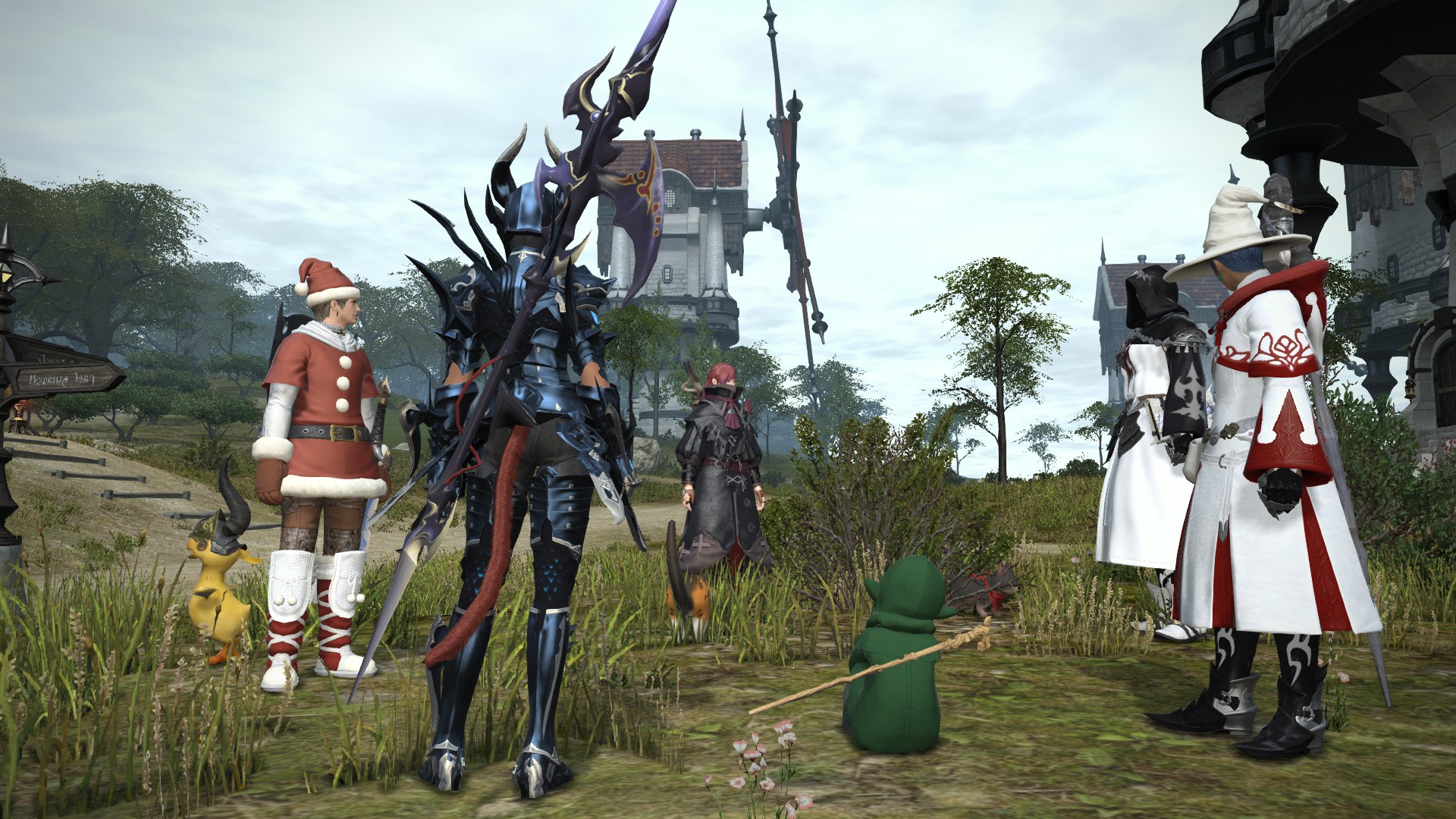
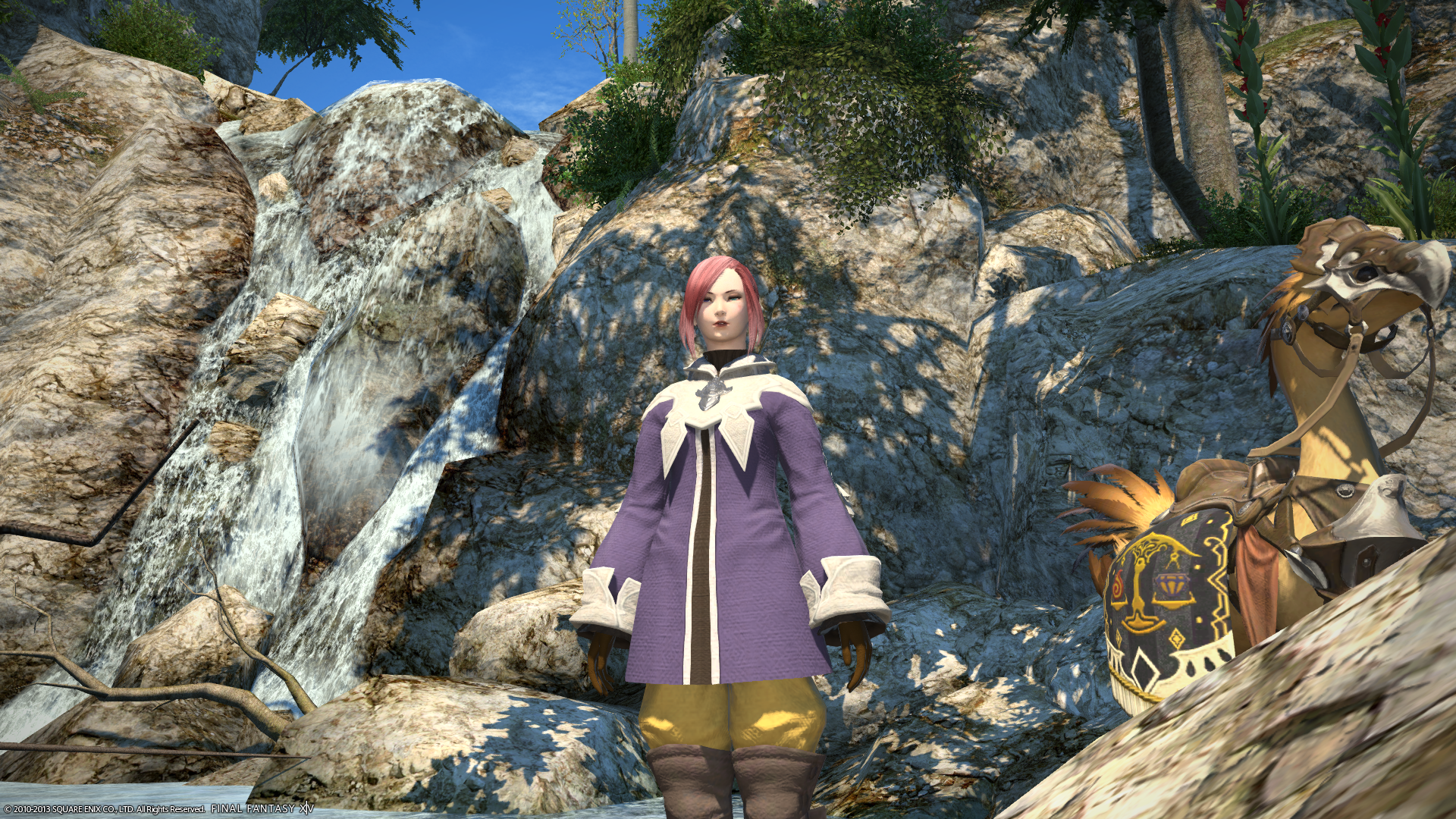
But I don't want to focus too much on the less positive aspects of the experience because they're all things that can be solved with a degree of self-control and discipline. What I instead want to focus on is, as I mentioned at the beginning, the positive impact it's had on me.

I started playing Final Fantasy XIV's new version A Realm Reborn for several reasons: I'd been curious about it for a while, but had never played the much-maligned version 1.0; I'd enjoyed my time in Final Fantasy XI, but had never got that far; and someone I knew via a combination of Twitter, 1up and possibly some other places around the Web too invited me to come and play with a group of like-minded somewhat casual players who were in it to have fun rather than become the sort of people who run tightly-regimented raids and complain about "noobs".

When I fired up the closed beta version of the game, I was instantly smitten, and my love for the game only continued to deepen as the closed beta became open beta, and open beta became live service — with significant, noticeable improvements along the way. But what keeps me playing day after day is the fact that the people whom my friend invited me to come and play with have turned out to also be extremely pleasant virtual company — and while I don't know very much (or indeed anything) about their real-life selves in many cases, in the land of Eorzea I most certainly consider them to be friends.

The growth of these friendships has not only helped me from the simple perspective of making friends and having a reliable group of people to interact and play with every time I log on, but it's also helped me to build up my own confidence slowly and gradually.

As longtime readers will know, I struggle somewhat with social anxiety, particularly from an assertiveness perspective. Even when I'm among friends, family or other people I trust, I find it difficult to be truly assertive and say what I'm thinking or what I want. And indeed I often find myself acting the same way in online games — I find myself apologising in advance for messing things up, or not knowing how something works, or not being as familiar with the challenges ahead as more experienced players.

Over time with FFXIV, however, I've noticed myself changing somewhat. Whereas a month or two ago I'd respond to a guildmate's request for companions to take on a dungeon or boss fight with an "I'll come if you've got room for me" or "I'll come if you don't mind a newbie coming along" whereas now I feel a lot more confident in stepping forward right away without qualifiers. I've even stepped up and led my own expeditions into particular dungeons, or helped provide the impetus for a group excursion into more challenging content by expressing my desire to see it.

There was still the question of strangers to conquer, though. Final Fantasy XIV features a system called the Duty Finder whereby you can queue up to play the multiplayer content by yourself or with friends, then get matched up with other people to fill the spare slots in your party. For someone with anxiety issues about meeting new people and disappointing them, this is a daunting prospect, but again over time I've noticed myself changing. I've not only been happy to queue for the level 50 dungeons I now know quite well by myself, I've become more confident at stepping into the "Duty Roulette" option to challenge a random dungeon with a group of random strangers.

Not only that, but I've started experimenting with party roles other than my traditionally-held post of black mage — a damage-dealing class that specialises in standing back from the main melee, flinging spells, killing monsters and trying not to draw the attention of the more powerful enemies. No, while I still consider Black Mage to be my "main" class — largely because it's the one I've spent most time with, feel most attached to and have consequently kitted out the best — I've been having a lot of fun with playing as a healer, though I haven't yet got to the dungeons where it's a significant challenge to be the healer, and this evening I tried tanking for the first time.

Tanking is a particularly daunting prospect in a game like this because you become the de facto leader of the party. You're the one who goes up front; you're the one who starts fights; you're the one who's supposed to protect everyone else. The tank has important responsibilities — ensure you maintain the attention of the monsters, and don't die. A tank is generally expected to know what they're doing but, of course, everyone has to begin somewhere.

I'd levelled Final Fantasy XIV's "Gladiator" class to level 15 previously, which is the earliest point at which you can take on the game's multiplayer dungeons. But I'd never yet had the courage to step into a dungeon and lead one like a proper tank. The prospect was scary; I was worried about doing a bad job and getting yelled at by my fellow party members. And as such, I'd put it off.

This evening, however, I formed a party with my "real life" friend and board-gaming buddy James, who's recently started playing, and another guildmate who agreed to come along. That only left one slot for strangers, and that helped me feel a bit more confident about using our run through the game's first dungeon as a learning experience.

It didn't start well; I died at the first monster, but that was because James was busy figuring out important healer things like how to target me and how to cast curative magic on me, not himself. As we progressed through the dungeon, I felt myself getting the hang of what was expected of me — still hesitant and keen to get the advice of my comrades, but more confident about being the one standing at the front. By the time we reached the end and successfully beat the boss, I felt like I'd happily take on that challenge again — though I couldn't resist a quick apology to the lone stranger in our party — who was also something of a newbie, as it happened — for my "incompetence".

"It's cool," she said. "We made it through, and that's all that matters."

As any social anxiety sufferer will tell you, the reality of a situation that's been a considerable source of anxiety to you is rarely anything even a little bit like what you've built it up to be in your head. And that's something that Final Fantasy XIV is helping me remember more regularly.

1443: Death to the Chimera

It's another Final Fantasy XIV post, I'm afraid, but I feel compelled to share the experience I just had, as I think it's something that's going to stick with me for some time.

A bit of context, first, for those who don't play. My character is primarily a Black Mage, which is part of the group known as "DPS" (damage per second" or damage dealers. I don't have a lot of health, but my spells do hit hard and do a considerable amount of damage. When playing as a member of a party, I rely on the "tank" character to keep the enemies' attention off me, and occasionally the assistance of a healer to keep my health topped up if I do happen to get hit by something. For the most part, my responsibility is to avoid getting hit as much as possible, and to simultaneously ensure that I'm doing as much damage as possible.

I'm at level 50 on my Black Mage, which means I'm no longer gaining experience and have instead been gathering better and better equipment. My average item level is now 71, which is significantly stronger than where you are when you first hit 50 — though the effectiveness of all said equipment is scaled down accordingly if you happen to run a dungeon that's lower than level 50.

Which, as it happens, is exactly what I was doing earlier. I decided to run the dungeon Cutter's Cry, because I was well behind on my "Hunting Log" for the Immortal Flames Grand Company, and wanted to actually polish it off and make some progress. (In the game, your Hunting Log is a checklist of specific monsters to defeat, with rewards on offer for completing items on the list, and larger rewards on offer for completing a complete difficulty rank. The Grand Company is an organisation tied to one of the three main city-states in the game, and is effectively where your character pledges their allegiance to.)

Our run through Cutter's Cry didn't go as smoothly as it could have done. Our tank — the guy who stands at the front and gets hit, as well as the guy who generally leads jaunts through dungeons — wasn't especially skilled, and was having trouble maintaining the attention of monsters that really wanted to chomp on our healer's testicles. I spent a lot of the dungeon casting my Sleep spell to take a bit of the heat off the party and allow us to concentrate on a single monster at a time, and it overall seemed to work pretty well, with a few minor mishaps along the way.

We eventually reached the dungeon's boss monster Chimera, albeit with a different healer to the one we started with, who disconnected. Our first attempt failed miserably in a matter of seconds. The second, however, is where things got interesting and exciting.

It was going reasonably well for a while. We were doing decent damage to the Chimera, and the tank was successfully maintaining the attention of the enemy, allowing the party's Bard and I to pelt it from a distance with arrows and fireballs respectively.

Then something went horribly wrong. The tank didn't quite move far enough to get out of the path of one of the Chimera's special attacks, and hit the deck. The Bard followed shortly afterwards, leaving just me and the party's healer to deal with a by now very pissed off Chimera.

I thought this would almost inevitably be the end, but on a slightly selfish whim I decided to see what I could do. We'd already whittled the beast's health down to an amount that certainly looked doable, so I started alternating running away from it and flinging a few spells at it whenever it stopped to try and do one of its special attacks. The healer cottoned on quickly to what I was doing, and supported my efforts while the tank and Bard lay on the floor — the fight's too hectic to make raising party members practical, particularly if the tank's down.

The Chimera's health bar continued to deplete, and I somehow remained standing, successfully dodging each and every one of his special attacks and only occasionally taking damage from an occasional claw swipe. Meanwhile, I'd continue to electrocute him with my Thunder spells — which causes him to continually take small amounts of damage over a short period of time — and pelt him with fireballs whenever I had enough distance between us to make casting practical and safe-ish.

Finally, his health was into the "holy shit, are we actually going to pull this off?" territory — and conveniently, the party's Limit Break bar was fully charged at this point. (The Limit Break bar builds up gradually through combat, and any one party member can trigger it once it's charged high enough for a powerful special ability according to what class they are — in the case of Black Mage, it summons, as you might expect, a devastatingly destructive spell.)

"Limit Break!" called the party members. I was skeptical as to whether or not it would do enough damage, but I put some distance between the Chimera and I, waited for the perfect moment and then began casting.

The screen exploded in fire and my speakers erupted with the sounds of falling meteorites… and then there was a deafening screech as the beast collapsed to the floor and dissipated into a cloud of aether. The Chimera was down!

"Holy shit," said the fallen Bard afterwards as the healer helped him to his feet. "Good job."

I don't often like to toot my own horn, but in this case? Yeah, I have to agree.

1439: Titanic

Been making good progress with Final Fantasy XIV over the last few days and once again I'm pleasantly surprised by how much I've taken to the multiplayer-centric endgame content.

Tonight's job — the last-but-one step in the quest to acquire the almost-but-not-quite-ultimate weapon for my level 50 Black Mage class — was to fell Titan in his "Hard Mode" fight, a notoriously difficult boss battle that I had a considerable degree of uneasiness about going into — and which I was terrified of the prospect of jumping into with strangers.

As it happens, the fight wasn't all that scary if you know what you're doing — much like every other fight in the game. You'd think I'd have learned that by now.

Titan, like Ifrit and Garuda before him, is one of the "Primals" — major bosses that crop up over the course of Final Fantasy XIV's main story, and a good opportunity to test your party's skills against one very strong opponent without having to run through a long dungeon first. The battles against them — known as "trials" in game parlance — tend to be unfold in deceptively simple boss-fighting arenas, but the simplicity of the environment is to ensure there's nothing to distract you from the important thing: paying attention to what your opponent is doing.

Ifrit, Garuda and Titan all have abilities that are far beyond almost anything else you fight in the game, and a party that doesn't know what it's doing can wipe out very quickly if they're not careful. They're highly mobile fights that demand you recognise your opponent's attack patterns and know how to counter them — and how to avoid them. Titan in particular is highly dependent on the party being able to avoid a relentless string of devastating attacks — and the healers being able to deal with the few, less-damaging attacks that are unavoidable for the whole party.

Aside from Titan, I spent a bit of time playing with the Conjurer class earlier — this is the healing class that later becomes White Mage, but also has a few offensive skills, too. It's an interestingly distinctive class to play when compared to Black Mage, and a good demonstration of how Final Fantasy XIV makes even ostensibly similar classes play markedly differently from one another.

Black Mage and its predecessor Thaumaturgist involve highly destructive spells that cost large amounts of magic points to cast. The key mechanic to get your head around with Black Mage is the balance between "Umbral Ice" and "Astral Fire" — the former causes your ice-based spells to cost more to cast, but increases your magic points regeneration enormously, while the latter causes fire-based spells to cost more to cast and deal considerably more damage, and also stops all magic points regeneration. Essentially, Black Mages have a limitless pool of magic points that mean they can continue casting indefinitely, so long as they make the switch between Umbral Ice and Astral Fire at appropriate junctures — and, at higher levels, make good use of the MP-free, instant-cast spells that occasionally trigger.

White Mage and its predecessor Conjurer, meanwhile, are very different. Spells are considerably cheaper to cast, but there's no Umbral Ice mechanic to quickly regenerate magic points in a hurry — so you have to manage your spellcasting a little more carefully. The class also has an interesting "stance switch" option, allowing the white mage to swap their Intelligence (determines spell damage) and Mind (determines healing power) stats around, effectively making them either damage- or healing-focused at the touch of a button. And then, of course, there's the fact that white mages are mainly regarded as healers rather than damage dealers, and as such you have to be a lot more aware of people around you so you can heal them. The tradeoff for this, of course, is that people tend to like you because you can stop them from dying — and, once you reach a high enough level, you can even bring them back from the dead.

I jumped into one of the short party-based "Guildhests" earlier on to have a go at healing as part of a group with a relatively straightforward challenge. The party I was with was clearly very inexperienced — the fighter charged ahead without waiting for me to cast protection spells on him, and the damage-dealing mage seemed to take as much damage as he inflicted. I managed to keep everyone alive, though, and my reward from these random strangers whom I'll probably never see again was three "Player Commendations" — a new system introduced in the latest patch which allows players to show their appreciation for random teammates they were matched up with through the Duty Finder system. It's a very nice, friendly addition to the game, and I can't deny feeling a pleasantly warm and fuzzy feeling inside after a successful dungeon run when I see that little "You have received a player commendation" message in my chat window. Even better when there's more than one.

Anyway. With Titan down, the only thing left for me to do to get my Black Mage relic weapon is to collect 400 more Allagan Tomestones of Philosophy by running dungeons — should be easy enough. Once I've done that, I'll be well on the way to being appropriately geared for the Binding Coil of Bahamut, the most difficult dungeon in the game… or I can just start working on one of the other classes, with the eventual goal of getting their Relic weapons, too.

This post was probably indecipherable to those of you who don't play Final Fantasy XIV but eh. Whatever. Tomorrow I'll write about kittens or something.

1438: Mario Time!

Finally picked up Super Mario 3D World today with some of our Christmas money. (Andie spent all hers on Lego; I still have some left, which I'm probably going to spend on board games.)

What do you know? It's fantastic, and to be honest I feel a bit sorry for anyone playing through the PlayStation 4 or Xbox One's weak launch lineup in preference to the variety of really great games available for Wii U this Christmas time, with Super Mario 3D World certainly being a candidate for strongest of a strong bunch.

I've played through two "worlds" so far, and already it's shown considerably more invention and creativity than almost any other game I've played in recent memory. Nintendo just gets "fun". The Mario devs know what would be enjoyable and memorable to play, and they implement it in such a way that it manages to be consistently surprising and delightful even as you continue to progress through the levels. Rarely does it become predictable, and rarely does it get so hung up on a single trick that it becomes stale or boring; often, you'll come across an enemy or trap that shows up maybe once or twice and is then never seen again — a far cry from some other games that repeatedly fling the same generic tricks and traps at you over the course of a lengthy adventure.

The thing I particularly like about Super Mario 3D World and its predecessor Super Mario 3D Land for the 3DS is how intuitive it is. You'll very rarely be given an explicit tutorial or an insultingly simple level to teach you how things work; rather, you'll immediately be given a new item and it be implemented in such a manner that you can't help but figure out how it works and what it's for straight away. Beautiful game design.

Take the very first level: almost right off the bat, you're given Super Mario 3D World's new power-up, the cat suit. You're not explicitly told how the cat suit works — how you can run up the walls, how you can "pounce" while you're in the air — but the way the first level is designed encourages you to try these things out for yourself. You'll naturally discover how the mechanics work, and it's always pleasing and delightful to do so. The first time I found that wearing the cat suit allowed Mario and friends to climb up the flagpole at the end of the level for an easy gold flag put a genuine smile on my face.

The presentation is immaculate, too. A rock-solid 60fps; some well-designed, clear visuals; a minimal but informative interface; and some really, really great music performed on real instruments — Super Mario 3D World is without a doubt one of the most polished Mario games I've seen in recent memory, though I understand the Super Mario Galaxy games — which I'm yet to play — probably give it a run for its money, albeit in standard definition.

I'm looking forward to playing more, but I flattened the GamePad battery playing earlier. Perhaps I should invest in one of those new high-capacity batteries!

1435: Something to Try This Steam Sale

"Lock up your wallets," the tired old joke goes, "it's Steam sale time." And indeed, the Steam holiday sale is a great opportunity to pick up tons of games for not very much money.

The trouble is, the Steam sale tends to encourage people to pick up as many games as possible, then never get around to playing them. In previous Steam sales, I've probably gathered sufficient games to keep me busy for literally years now — to such a degree that it's now quite hard to find something new I might want to buy when a new sale comes around — and yet have still only barely scratched the surface of the games I own.

A lesser-appreciated thing that you can do around Steam Sale time, though, is try out something that you might not have given a chance normally. Perhaps it's in a genre you don't normally like, or you've been put off by mixed or middling reviews, or you're simply not sure if you'll enjoy it from what other people have told you about it.

The Steam sale is the perfect time to take a chance on these games, though, and see how well you get on with them. If you like them, great! Keep playing! And if you don't… well, you've only spent a few quid on them at most — at least if you've obeyed the Unwritten Law of Steam Sales, which is to not buy anything unless it sees a larger-than-50% discount — preferably 75% off.

One might argue that demos fulfil much the same function as what I'm proposing here, but demos don't often give you the full picture of how a game plays in the long term — often, they provide a simple slice of gameplay divorced from its surrounding context, which in many cases doesn't do it any favours, particularly if the game itself is a complex one. Grabbing a copy of a game you've been on the fence about for a few quid, meanwhile, allows you to jump into the experience with beginner's mind, try it out for yourself and give it a fair shot without having to worry about it "expiring" or anything just as it starts getting interesting.

I've got my eye on a few things I might be interested in trying this Steam sale, and they're all titles I probably wouldn't buy under normal circumstances.

First up, I grabbed XCOM the other day, since everyone says it's great. I don't know if or when I'll get around to playing it, but it's nice to have the option.

Second, I'm interested in taking a look at WarGame: AirLand Battle after a friend of mine expressed some interest in potentially playing it multiplayer sometime. Military war games aren't usually my thing, but that may be just because I haven't tried many of them in the past. AirLand Battle sounds like it does some interesting things that I quite like the sound of, but I'm worried I'll be embarrassingly shit at it and never be able to get anywhere.

Thirdly, I have the original version of Sins of a Solar Empire in physical format and quite liked it, but didn't get super-into it. The latest version Rebellion is in the Steam sale, and I'm umming and ahhing over giving it another shot — particularly since, again, it's something I might be able to play with friends.

Finally, Divinity: Dragon Commander looks like an enjoyable time, featuring, as it does, jetpack-wearing dragons, political intrigue, RPG elements atop a strategy game. I saw a very early version of this back at Gamescom in 2010 and liked it a lot, so I'd be interested in giving the full version a go.

If the price is right on any of these over the course of the Steam sale — they're all a little high at the time of writing — then I'll more than happily give them a go. Who knows? I might find a new favourite among them. Why don't you try doing the same?

1434: Free Company

The Internet is by turns a strange and wonderful place, filled with all manner of people from fair to foul. Wander inadvertently into the wrong corner of it and you'll find yourself surrounded by some of the very worst people in the world; somewhere else and you'll find people who will go on to become lifelong friends.

Online gaming is somewhat troublesome in this regard at times, particularly for those of us who struggle somewhat in social situations. The prospect of talking to strangers in an online game is, to me, pretty much as frightening as the prospect of walking up to a random stranger in a bar — particularly if voice chat is involved. With text chat, it's somewhat easier since you have more time to consider your responses, but the inability to express your tone of voice can sometimes lead to misunderstandings, and it's still nerve-wracking to, say, ask a favour of someone.

This is something that's held me back a little from fully enjoying some online games, because sooner or later you're going to have to play with people you don't know personally. Your friends won't always be available to play with you, or you might need more help than your friendship groups can provide, or you might be playing a game mode where you're organised into teams. Whatever the reason, it can be anxiety-inducing.

In the case of MMOs, you have to put your virtual life in the hands of strangers quite often, whether it's for running a dungeon, beating a boss or getting a piece of equipment crafted. It's easy to forget that a lot of people playing these games are in a similar situation where they need help from others to progress, and thus it's in their interests to be nice to one another.

There are, of course, exceptions. The team-based e-sports games Dota 2 and League of Legends have notoriously "toxic" (the word that's most commonly bandied about) communities that are somewhat unforgiving of newcomers attempting to learn the game "in the wild," as it were. MMOs, too, have elitist players who are quick to complain at those whom they do not think are playing the game "properly", and players who are impatient with newcomers just trying to have fun and learn how to get through some of the tougher dungeons and fights.

I get it. It's frustrating for these people, who want to play in a particular way, to find themselves having to change their play style to support someone who's perhaps less familiar with a particular challenge. But there's really no excuse for rudeness.

That's me in the big black coat in the background.

I've been extremely lucky with my time in Final Fantasy XIV so far. While most of my runs through dungeons and boss fights have been with friends, the few times I've dared to jump into the Duty Finder alone and be grouped up with strangers have been very pleasant surprises. Pick-up groups (or PUGs, as they're sometimes called) have a rather poor reputation in most MMOs, and indeed in Final Fantasy XIV's case most people seem to have at least one tragically amusing Duty Finder story where they played with someone who was just a colossal dickhead. I'm glad to have escaped that fate to date — but it also makes me extremely nervous about "going solo", as it were: in other words, braving things like the new Duty Roulette system, which picks a random dungeon for you and three other random players to play in exchange for some very generous rewards, and indeed other group-based content I need to complete in order to proceed further in the game.

Which brings me on to my main point: how grateful I am to have a group of regular players whom I enjoy playing with, and whom I like. I'm a member of the "Giant Bomb" Free Company after being invited by someone I know through some combination of 1up, Twitter, The Squadron of Shame and possibly some other places — I forget the exact details — and am very happy that what I originally hoped would transpire when I started playing Final Fantasy XIV — that I'd make some friends with whom I felt comfortable playing — has indeed come to pass.

The interesting thing is that I don't really know anything about the people I'm playing with, so they're basically still "strangers" to me — just strangers I'm somewhat more familiar with. I'm not an active member of the community on the Giant Bomb website, so outside of my friend who originally invited me in the first place, I can't relate any of these in-game names to real names or even usernames.

It sort of doesn't matter, though; when we're online in FFXIV, we're there to play FFXIV. There's the occasional mention of real-life things — usually when someone has to go and make dinner, or go out, or whatever — but for the most part, conversation in the game is about the game. We're all enthusiastic and passionate about the game, and we all enjoy talking about it, whether that's sharing our thoughts on the new content in the latest patch, sharing strategies for clearing dungeons, or collaborating on group projects such as the Free Company house and the various weird and wonderful objects therein.

I'm really very grateful to these people for making my experience with the game so enjoyable and welcoming, and the pleasant feeling of friendship and camaraderie I have with these folks is the main thing that keeps me coming back to the game time after time. Final Fantasy XIV is a great game in its own right, but when played with the right people, it becomes even more enjoyable — even for an old hermit like me.

1432: They Don't Look Like That Any More

Hello.

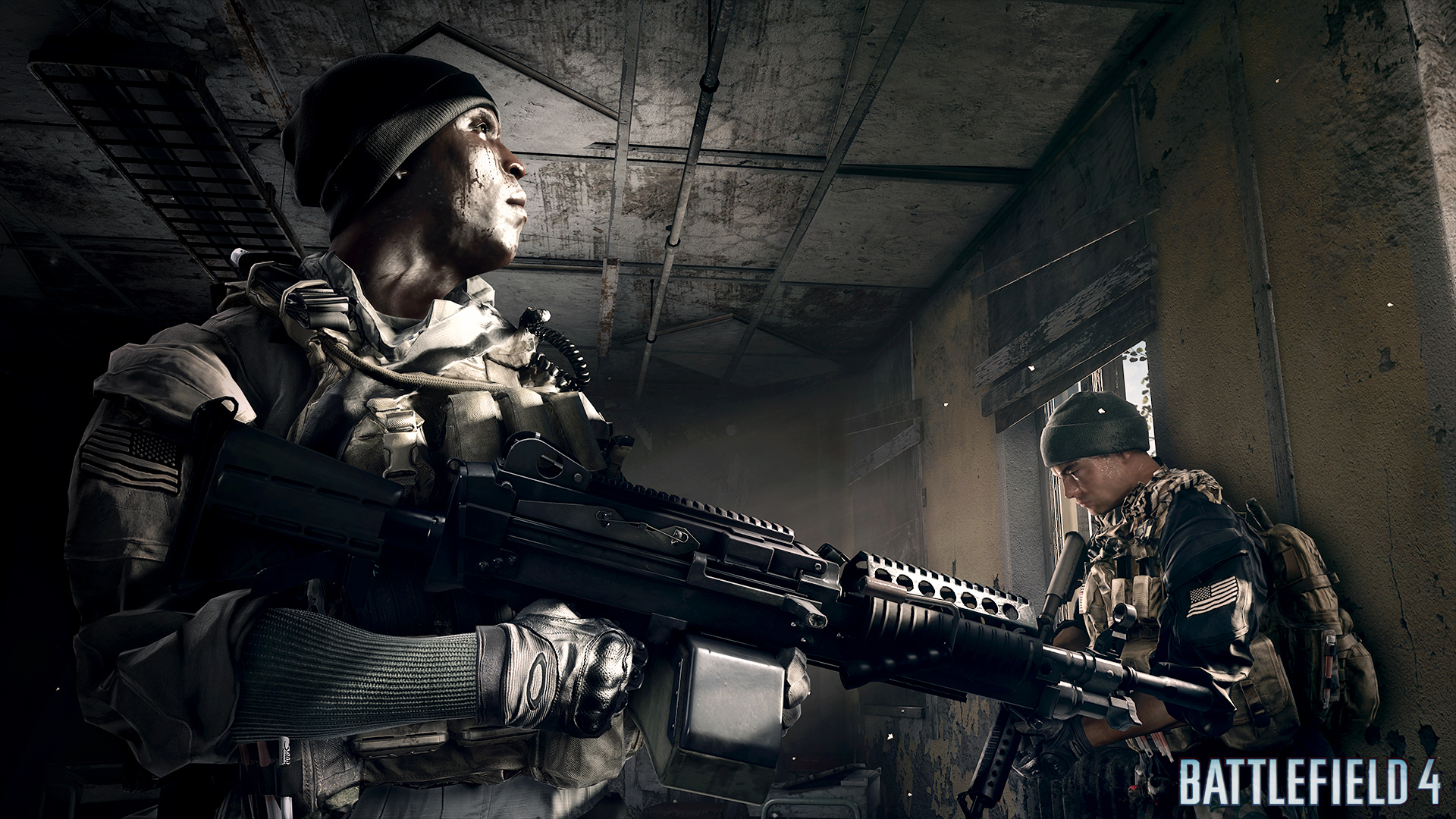
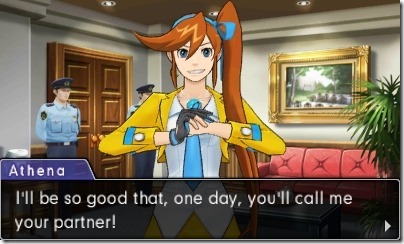
Video games today look like this:

ffxiv_01092013_154543Or this:

close_1920x1080Or this:

neptunia_victory_003_thumbOr this:

athena_thumb

Or, indeed, many other things besides.

So why, then, any time some switched-on young advertising executive wants to, for some inexplicable reason, make use of the idea of "video games" to advertise something completely different — like, say, shoes — it ends up looking like this?

I have… quite a few issues with this campaign. First of all, why the hell does it even exist? It sort of looks cool, I guess, but it has nothing to do with Schuh's stock in trade which is, unsurprisingly, shoes. I get the impression that someone just thought "hey! Video games are cool and popular! Let's do something with them to advertise our product!"

Actually, having inadvertently stumbled across the agency that came up with this bizarre marketing effort, it seems that, unless "Isobel" isn't telling us something, that pretty much is all there was to it.

"Schuh's 'Start Xmas' Christmas campaign was inspired by the retro theme of 1st Generation arcade games," Isobel explains. "We won the creative pitch against several other agencies earlier in the year."

Um. Well done? As I say, it looks cool but has absolutely fuck all to do with shoes. The main concept appears to be the word "start", which is a button commonly found on video game controllers and arcade machines, and then they've just gone and run with it. "Start" Xmas. Geddit?

The problem is, though, that as I mentioned at the beginning, video games don't look like that any more, with the exception of some indie games that are deliberately channelling the super-pixelated styles of yore. This style of video game is not something that is massively culturally relevant to the sort of person who would fall for a marketing campaign based around video games — namely, a young and rather stupid person. A young and rather stupid person who likes video games probably plays stuff like Halo, Battlefield, Call of Duty or FIFA — no judgement on older, wiser people who also play those games, naturally — and not Space Invaders.

WHY?
WHY?

Ultimately the whole thing comes off as a bit desperate. It caught my eye when I walked past the store earlier today, but it certainly didn't make me want to buy shoes. It did, however, make me want to write this blog post, so well done for that. It also made me feel that the people from "Planarama" behind the campaign haven't actually played a video game ever. Can you name any games that actually say "game on" when you start them — even games from the '80s? I can't.

I guess it's sort of cool that video games have reached a sufficient degree of cultural penetration for a mainstream shop like Schuh to attempt to use them to peddle their wares, but it's also indicative of the fact that the average person in the street likely has very little clue that video games have advanced significantly in the last 30 years — to such a degree that they'd be all but unrecognisable to someone from the '80s.

Still, I guess the super-pixelated art style is a convenient shorthand for "video games" but that doesn't really address the core problem I have with this campaign: it's for a shoe shop's Christmas sale. No amount of pixelated Christmas puddings or aliens in Santa hats will hide the fact that it's a campaign completely irrelevant to the product it's trying to sell, and just, in fact, looks rather foolish.

On the other hand, it compelled me to talk about it and mention Schuh several times, so perhaps it is doing its job after all.

1431: Relics and Rebirth

I must say, I wasn't sure I'd enjoy it, but I'm really having fun with Final Fantasy XIV's endgame content. Part of this is due to the fact the new content update that dropped earlier in the week added a significant amount of stuff to do for people who had hit the level cap, but I'm also enjoying working my way through the stuff that was already there. A lot of it encourages you to try stuff that you might have ignored throughout the rest of the game.

Take the A Relic Reborn quest, for example, which culminates in you getting your class' powerful Relic weapon, which can subsequently be upgraded to a Relic +1, for those who just like to be slightly better than the best.

A Relic Reborn tasks you with a number of different things to do, the first of which is acquiring a specific weapon and melding specific materia to it. (For those less familiar with Final Fantasy, materia are things you can plug into items of equipment to improve their abilities; in Final Fantasy VII they determined what specific spells and other actions your characters could perform, while in XIV they tend to confer bonuses to various stats.)

I had gone through pretty much the whole game without melding any materia to anything. This was partly because I wasn't able to do it myself — in order to meld materia to a piece of equipment you need to have one of the crafting classes up to a high level, and my efforts as a Weaver were stalled by my running out of lightning crystals — and partly because I'd been replacing my equipment reasonably often as I levelled up, and consequently didn't see the value in upgrading an item only to discard it a few levels later.

I was hoping a member of my Free Company might be able to meld the necessary materia to the weapon in question, but no-one had the right skills, so I had to brave random strangers. As someone with social anxiety, the prospect of approaching a random stranger and asking for a favour is, as you might expect, rather nerve-wracking — particularly when you're not quite sure of the etiquette for doing so in this particular community. Should I offer them some (in-game) money? Is it rude to ask them if they want paying? How do I find them in the first place?

As it happened, finding them was a simple matter of wandering into the Ul'Dah marketplace and yelling really loud. Virtually, of course; it's a matter of typing "/shout [message]" rather than literally having to bellow your message into the ether. Just as well, too; if I was using voice chat, there'd be no doubt in anyone's mind that my short-but-pretty female redhead character was being played by a big hairy bloke. Not that I think anyone would care; playing off-gender is pretty common if our Free Company is anything to go by. And occasionally, playing a female character can allow you to flutter your virtual eyelashes and get people who might not otherwise help you out to play with you. (Well, it worked in World of Warcraft; the land of Eorzea appears to be a somewhat more egalitarian and less sexually frustrated society, perhaps due to the fact that the player base is slightly older than that of World of Warcraft.)

Anyway, it took me a matter of seconds to be bombarded with people who wanted to help me. Eventually I picked someone whose name I'd seen in public chat before, and whom I remembered didn't seem to be a jerk. I met up with him at the Goldsmiths' Guild, used the game's convenient "request materia meld" interface to indicate what I needed and offer him suitable compensation — my Free Company brethren had suggested 5,000 gil per meld was a good starting point — and within a matter of moments it was done. We bowed courteously to one another and went about our business.

That wasn't so hard, was it? No, of course it wasn't; as anyone with social anxiety will know, the reality of a particular social situation that gives you cause for unease is rarely as bad as what you build it up to be in your mind. And this is just as true in the online space as it is when you're meeting people in reality — even with online games and virtual worlds' capacity to let you represent yourself in any way you wish.

Anyway, the upshot of all that is that the quest to construct my Relic weapon is now well underway, and a big punch-up with Chimera is in my near future. But that is a story for another day.